
Sheave Block
A sheave block helps you lift heavy loads with better control and less effort. You get faster setup, stable operation, and lower maintenance. We manufacture each sheave block with consistent quality and fast production. Get a quote from Powerful Machinery for pulley & block.

We run strict inspection on every sheave block with precise machining to keep performance stable and quality consistent across every order.
We support custom sheave block sizes, groove profiles, and load ratings to fit your lifting system and real project needs.
Our in-house sheave block production keeps lead time short and helps you stay on schedule without supply delays.
We use high-strength materials and optimized design in every sheave block to handle heavy loads and extend service life.
Powerful Machinery - Your Reliable Sheave Blocks Manufacturer
We supply work provide dependable sheave blocks for industry leaders.






SHEAVES BLOCK
Our sheave blocks support lifting and rigging operations across diverse applications. Our selection includes:

Single Sheave Block
A single sheave block uses one grooved wheel to guide wire rope, change direction, and handle lifting tasks with steady and controlled movement.
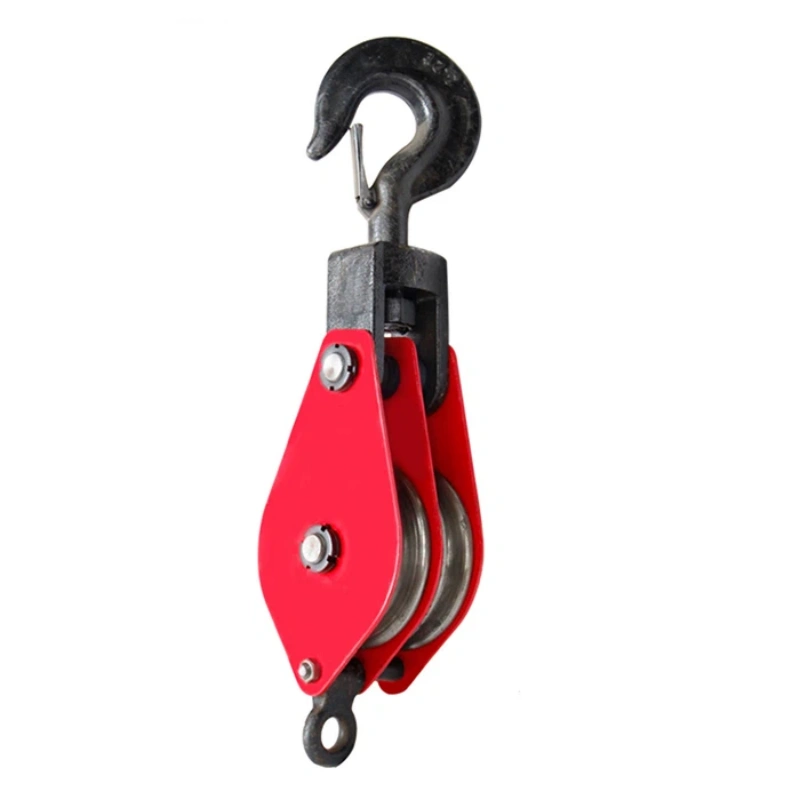
A 2 sheave block uses two grooved wheels to guide wire rope, reduce pulling force, and keep loads balanced for smoother lifting.
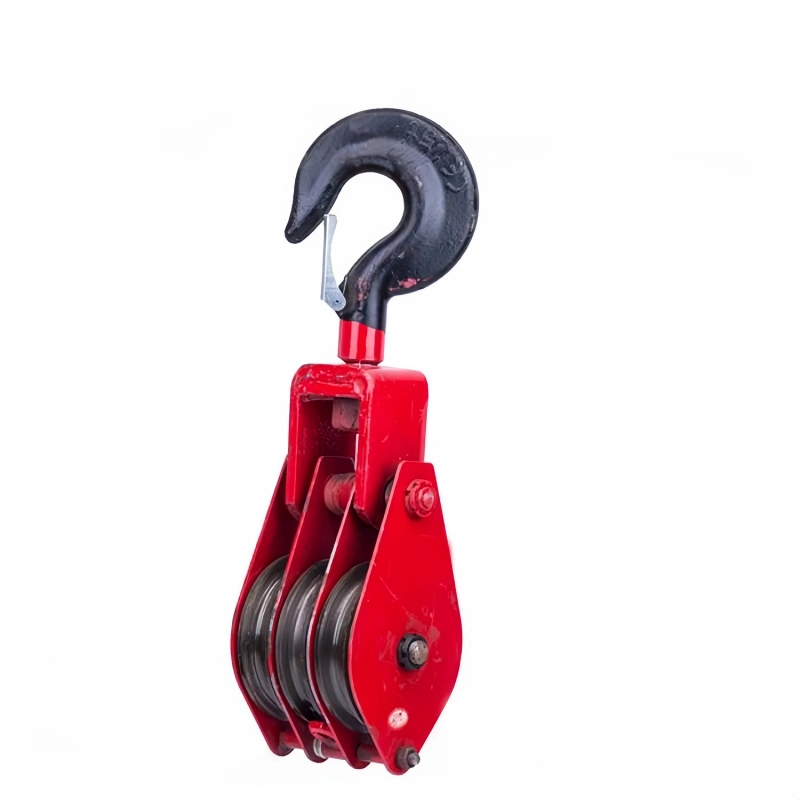
Triple Sheave Block
A triple sheave block uses three grooved wheels to guide wire rope, reduce pulling force, and handle heavy loads with better balance and steady lifting.
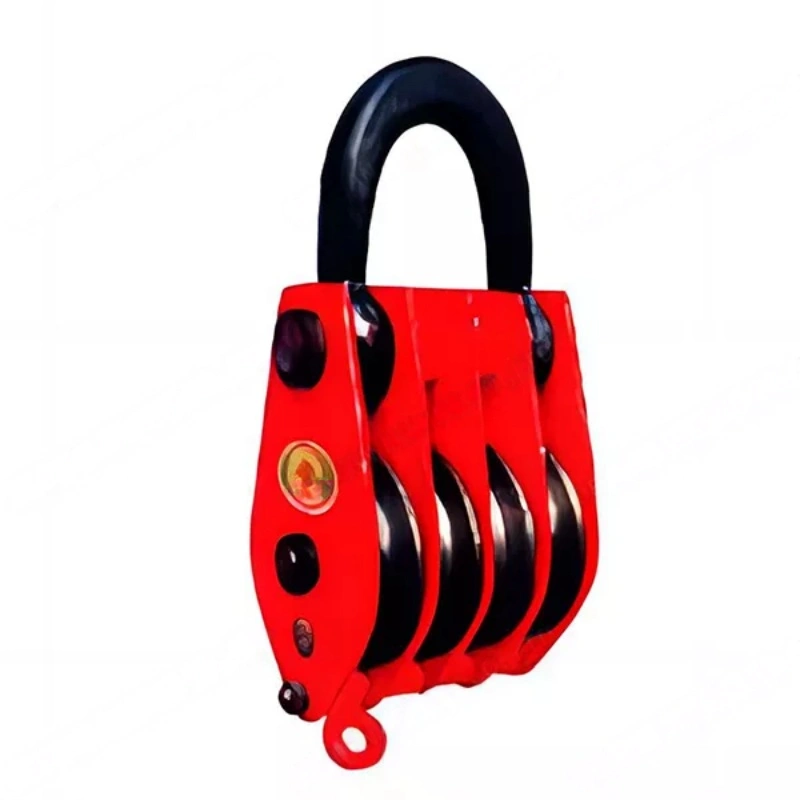
4 Sheave Block
A 4 sheave block uses four grooved wheels to guide wire rope, reduce pulling force, and handle high-capacity loads with better load balance and stable lifting.
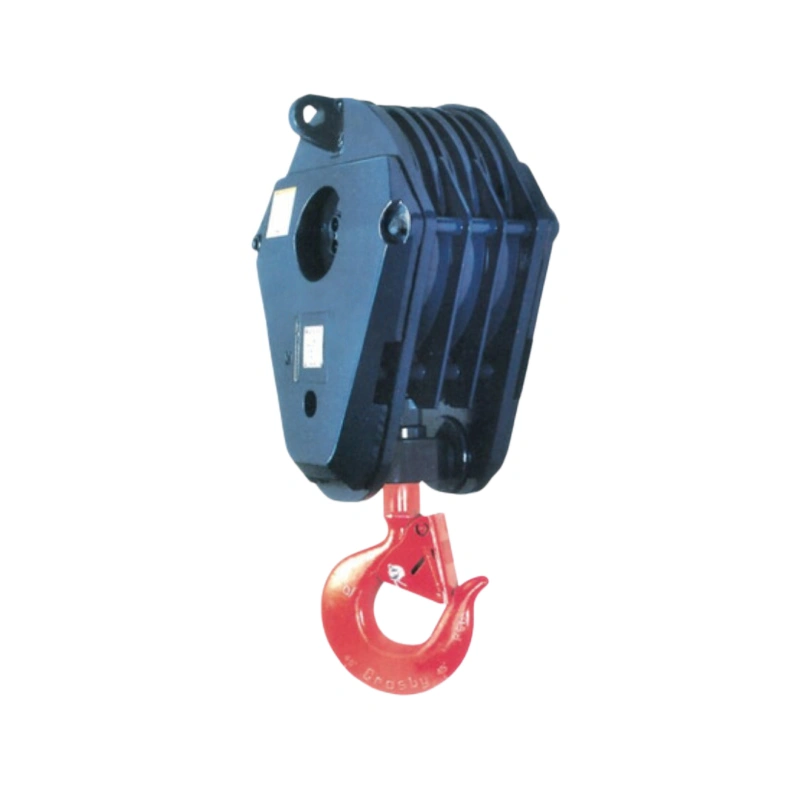
Crane Sheave Block
Crane sheave block uses multiple grooved wheels to guide wire rope, reduce lifting force, and handle heavy loads with improved load balance and steady lifting.
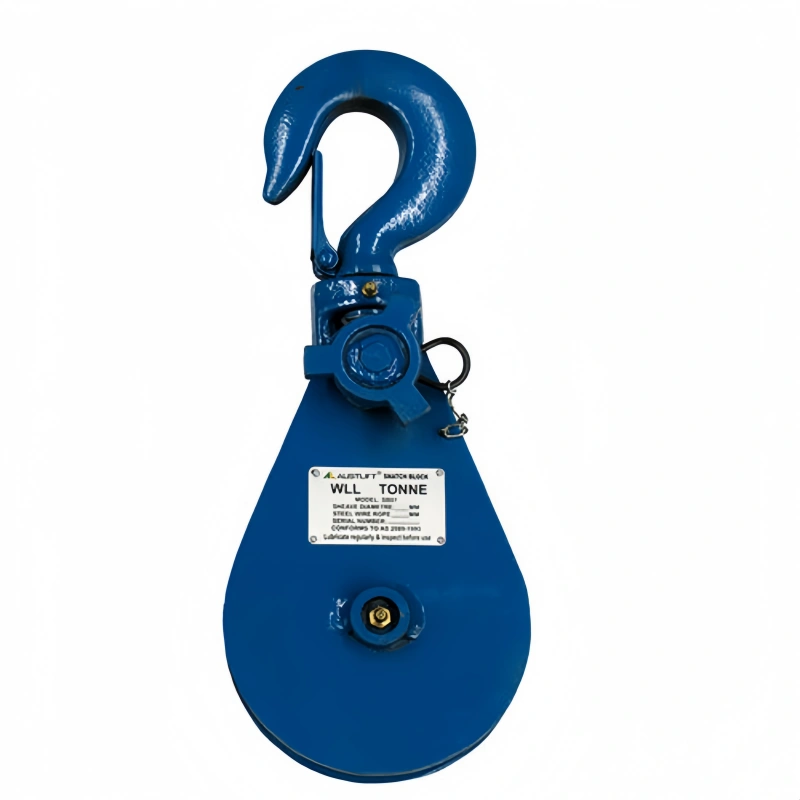
Sheave Block With Hook
Sheave hook block combines grooved wheels with a hook for quick connection, guiding wire rope to reduce pulling force and handle heavy loads with easy setup.
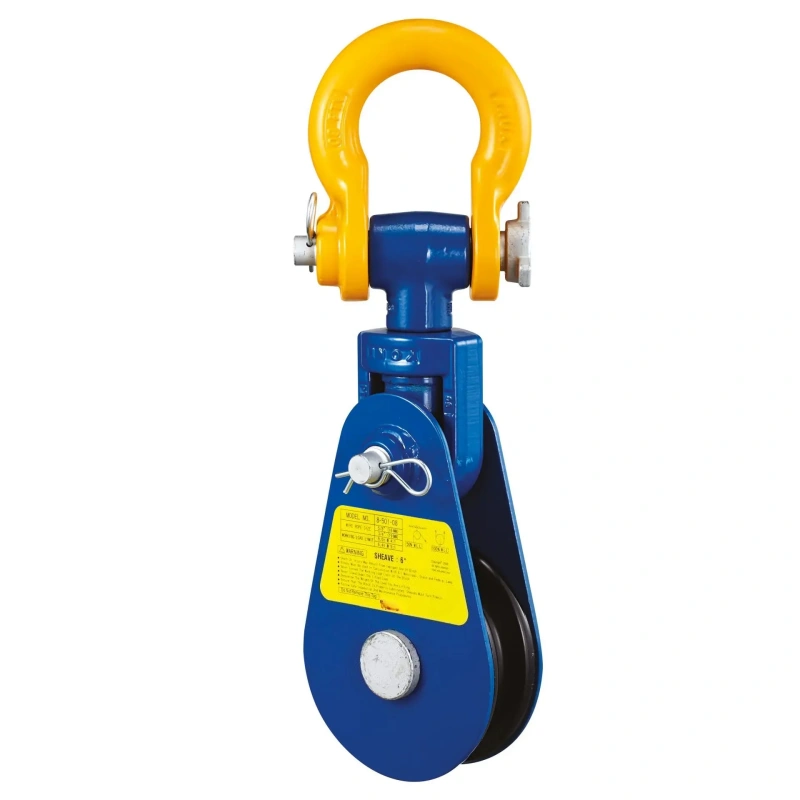
Snatch Block Sheave
A snatch block sheave with an openable side plate allows quick rope loading, guides wire rope to change direction, and increases pulling force for heavy lifting.
NEED HELP WITH YOUR SHEAVE BLOCK ORDER?
Let us help! Reach out today and get recommendations on materials and sizing from our experts.


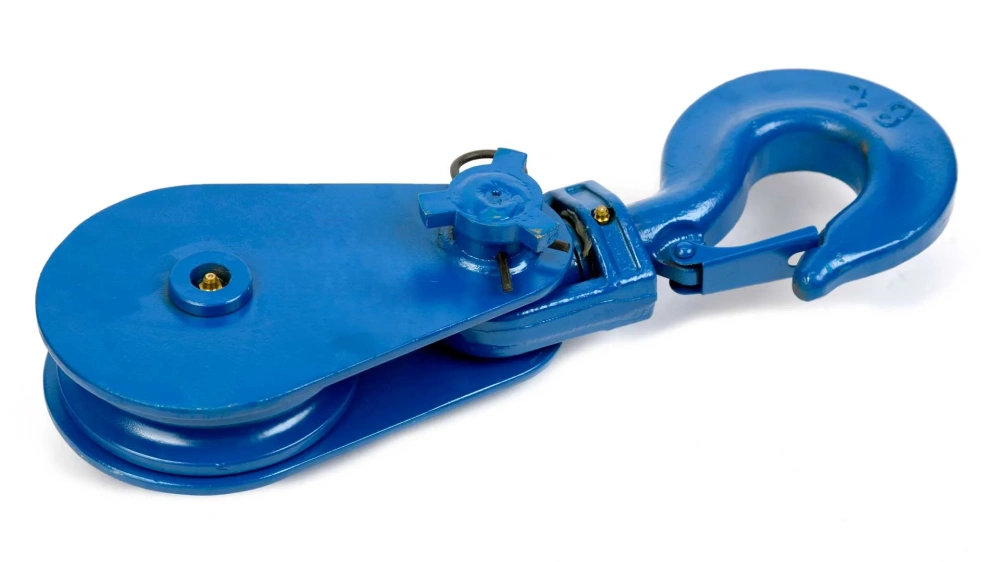
Guide to Sheave Block
Our guide to sheave blocks helps you understand sheave block types, applications, and selection tips so you can choose safe, reliable rigging connections.
What is a Sheave Block?
A sheave block is a lifting component that guides wire rope through one or more grooved wheels to control load movement and reduce lifting force. It supports direction change and improves lifting efficiency in rigging systems. We manufacture each sheave block with precise groove machining and high-strength materials to ensure smooth rope travel, stable performance, and reduced wear during continuous operation.
Sheave Block Calculation
Accurate sheave block calculation ensures safe lifting, proper load control, and longer wire rope service life. Focus on these key factors when evaluating performance:
- Total load weight
Determine the full load to define required lifting capacity - Number of rope parts
Count rope lines supporting the load to calculate mechanical advantage - Friction loss per sheave
Include resistance from each sheave to get real pulling force - Safety factor
Apply proper safety margin to handle dynamic and shock loads - Wire rope diameter
Match rope size with groove to avoid wear and slippage - Sheave diameter ratio
Ensure correct ratio to reduce bending stress and extend rope life - Optimized sheave geometry
Use precise groove design to maintain efficiency and smooth operation
Sheave Block Design
Sheave block design focuses on groove profile, sheave diameter, bearing selection, and frame strength. A correct design keeps rope aligned, reduces bending stress, and supports stable lifting. We apply precise machining and optimized groove angles to reduce rope wear and maintain consistent performance under repeated load cycles.
How Do You Choose the Right Sheave Block?
Choosing the right sheave block ensures safe lifting, stable performance, and longer service life. Focus on these key factors when selecting:
- Load capacity requirement
Match the working load with the correct sheave block rating - Wire rope diameter
Ensure the groove fits the rope size to prevent wear - Number of sheaves
Select based on required lifting force and system setup - Working environment
Consider dust, moisture, or corrosion conditions - Lifting frequency
Account for usage intensity and duty cycle - Exposure conditions
Evaluate outdoor, marine, or harsh applications - Custom configuration support
Choose designs that fit your lifting system and project needs
Why Does Sheave Diameter Matter?
Sheave diameter directly affects wire rope bending stress and service life. A smaller diameter increases fatigue and shortens rope lifespan, while a larger diameter improves performance and durability. We manufacture sheave blocks with proper diameter ratios to extend rope life and maintain stable lifting.
What Materials Are Used in Sheave Blocks?
Common materials include carbon steel, alloy steel, and ductile iron depending on load requirements and application environment. Material strength and wear resistance determine long-term performance. We use high-strength materials with controlled processing to ensure durability and consistent quality.
How Does a Sheave Block Reduce Lifting Force?
A sheave block reduces lifting force by distributing load across multiple rope parts through its sheaves. Each additional sheave increases mechanical advantage and lowers required input force. We optimize sheave rotation and reduce friction to improve lifting efficiency in practical use.
What is the Difference Between Single and Multiple Sheave Blocks?
Understanding the difference between single and multiple sheave blocks helps you match the right solution to your lifting setup and load requirements.
- Single sheave block function
Handles basic direction change and light lifting tasks - Multiple sheave block function
Supports heavy lifting with increased mechanical advantage - Load capacity difference
Multiple sheaves handle higher loads than single sheave designs - Pulling force requirement
More sheaves reduce the input force needed for lifting - System complexity
Single sheave offers simple setup, multiple sheaves require more rigging - Application range
Single sheave suits light-duty work, multiple sheaves fit heavy-duty operations - Manufacturing consistency
Both types require precise machining for smooth and reliable performance
How Do You Maintain a Sheave Block?
Proper sheave block maintenance keeps lifting operations safe, reduces downtime, and extends service life. Focus on these key actions:
- Inspect groove wear
Check contact surface to prevent rope damage and slippage - Check bearing condition
Ensure smooth rotation without noise or resistance - Examine frame integrity
Look for cracks, deformation, or structural damage - Clean regularly
Remove dirt and debris that affect performance - Apply proper lubrication
Keep sheave rotation smooth and reduce friction - Monitor rope alignment
Ensure correct positioning to avoid uneven wear - Schedule routine inspection
Maintain consistent checks to prevent unexpected failure
Why Choose Us as Your Sheave Block Manufacturer?
Working with a direct sheave block manufacturer gives you better control over quality, cost, and delivery while ensuring reliable performance in every project.
- Direct factory production
Maintain full control over sheave block quality and consistency - Strict quality control
Ensure every sheave block meets performance standards - Custom sheave block solutions
Match exact specifications for different lifting systems - Stable production capacity
Support consistent supply for ongoing projects - Short lead time
Keep projects on schedule with efficient manufacturing - Cost-effective sourcing
Reduce middle costs with direct manufacturer pricing - Reliable performance
Deliver durable sheave blocks for long-term use
Have More Questions of Sheave Block?
Have more questions about sheave blocks? Get practical answers on selection, design, and performance. Contact us for reliable sheave block solutions and a fast quote.