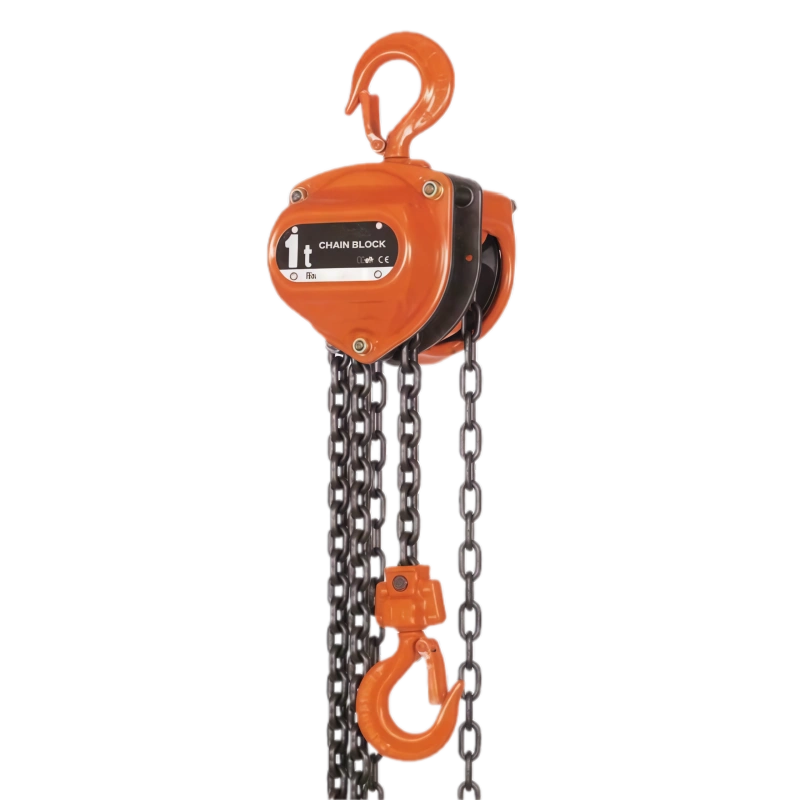
Start with the job the equipment must perform. The category links below lead to focused product families, while the main page remains a sourcing hub for buyers comparing several types of equipment.
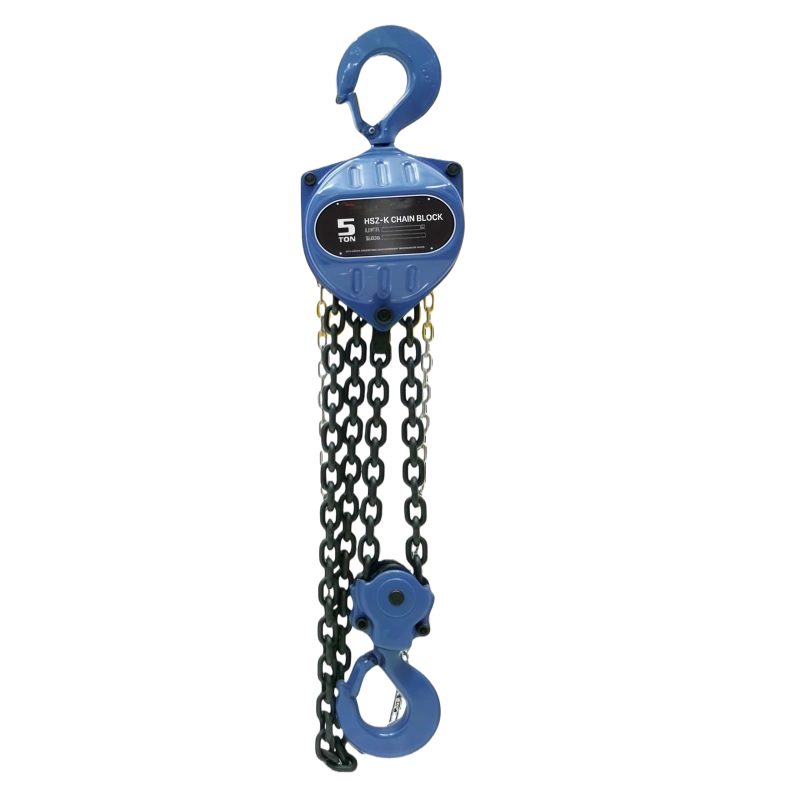
Use manual hoists for hand-operated lifting where electrical power is unavailable, unnecessary, or unsuitable for the work area. Compare manual hoists, manual chain hoists, and lever hoists by rated capacity, lift, effort, headroom, hook dimensions, and intended operating position.
Electric hoists support repeated lifting cycles when the power supply, mounting method, travel requirements, duty, and control arrangement are defined. Browse electric chain hoists and wire rope hoists, then confirm the model specification before selection.
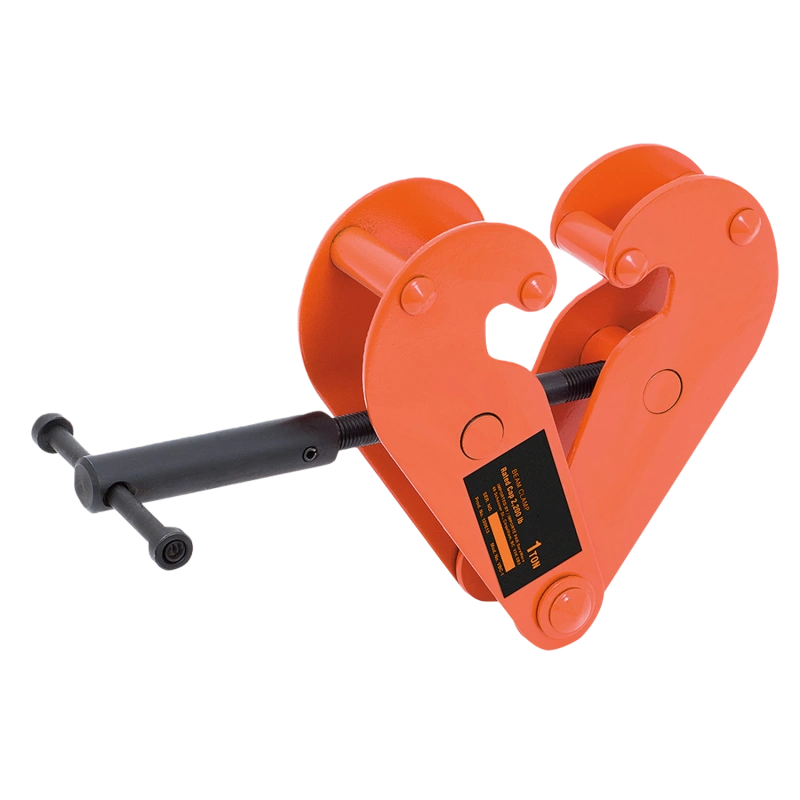
Trolleys move a suspended hoist or load along a compatible beam. Compare manual trolleys, plain trolleys, geared trolleys, and beam clamps using the beam profile, flange width, capacity, travel method, and installation constraints. For a broader overview of plain and geared configurations, review our manual trolley options.
Lifting clamps must match the material, orientation, thickness or diameter, surface condition, and lift plan. Browse lifting clamps for plate, beam, and round-material handling, then verify the selected model’s rated range and operating instructions.
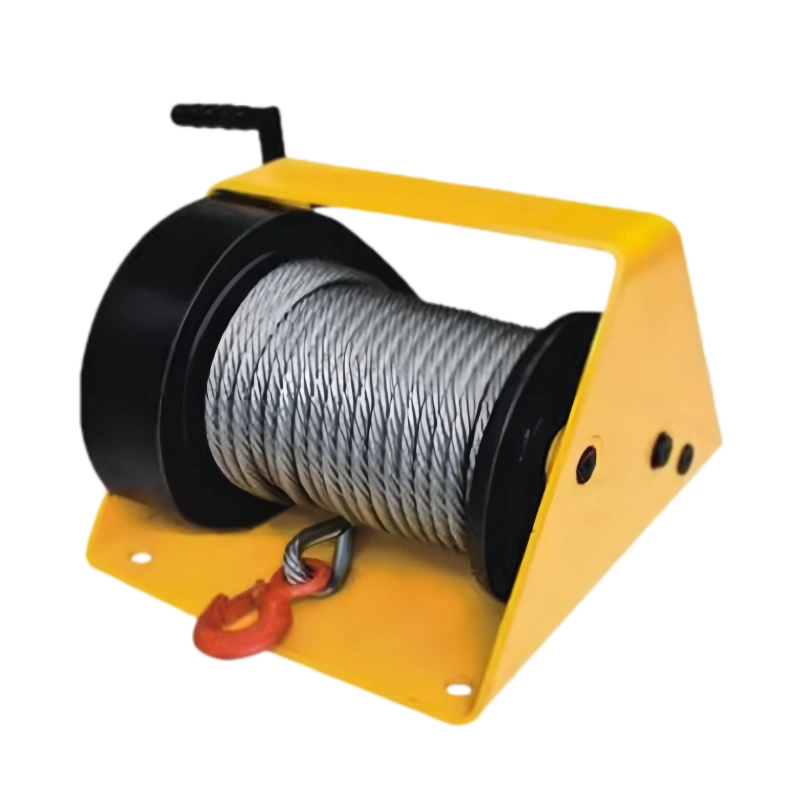
For controlled pulling, tensioning, or positioning, review wire rope pullers, ratchet pullers, and hand winches. State the required line pull, travel, rope or cable arrangement, anchorage, and whether the task involves lifting or pulling.
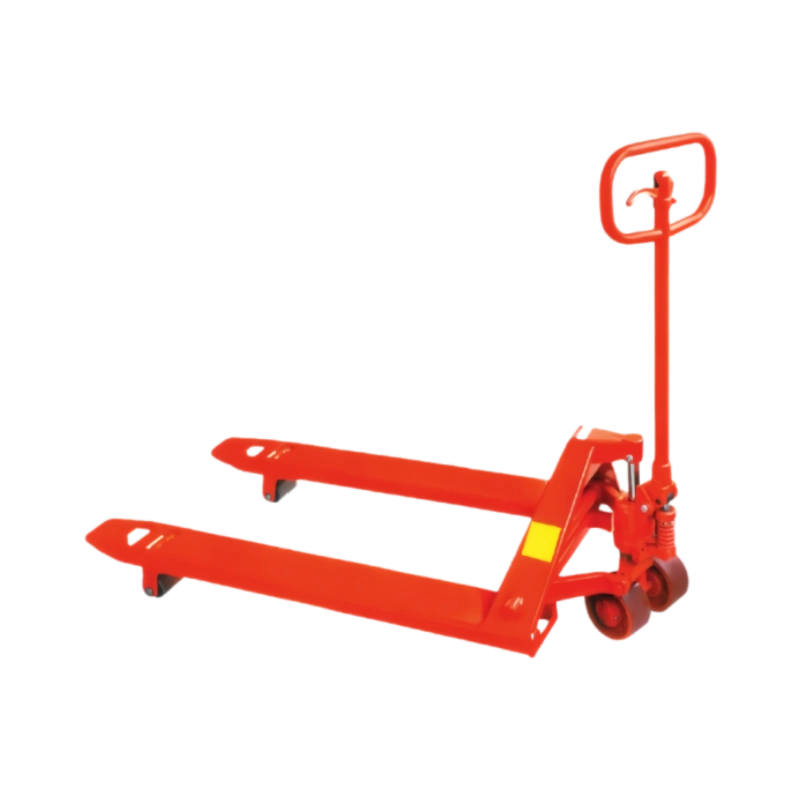
For floor-level transport, stacking, and height adjustment, browse pallet trucks, pallet stackers, and hydraulic lift tables. These products are grouped separately from suspended lifting equipment so buyers can compare them by load center, fork or platform dimensions, lift range, aisle conditions, and operating method.
A useful quotation starts with the movement required, not a product name alone. Use this table to identify the product family and the minimum information needed for review.
| Task | Recommended Product Family | Inputs to Provide | Key Selection Check |
|---|---|---|---|
| Vertical lifting | Chain hoist or wire rope hoist | Load, required capacity, lift, duty, power, mounting | Headroom and duty |
| Short-distance lifting or positioning | Lever hoist | Load, capacity, reach, operating direction | Intended use and anchorage |
| Beam travel | Plain/geared trolley or trolley hoist | Capacity, beam profile, flange width, travel method | Beam compatibility |
| Plate or section handling | Lifting clamp | Material, thickness/diameter, orientation, surface | Model operating range |
| Pulling or tensioning | Puller or winch | Line pull, travel, rope/cable arrangement, anchorage | Lifting vs pulling rating |
| Floor transport or stacking | Pallet truck, stacker, or lift table | Load, pallet/platform size, lift range, aisle conditions | Load center and floor |
The current Powerful Machinery catalogue lists VA and VL lever hoists from 0.75 t to 9 t, CD1/MD1 electric wire rope hoists from 0.5 t to 16 t, lifting clamps from 1 t to 10 t, plain and geared trolleys up to 10 t, JG beam clamps up to 10 t, ORM hydraulic stackers from 1,000 kg to 2,000 kg, ORM-HP hand pallet trucks from 2,000 kg to 3,000 kg, and SY permanent magnetic lifters from 100 kg to 5,000 kg. Availability, dimensions, power supply, beam fit, jaw opening, lift height, and documentation must be confirmed for the exact model quoted.
| Product Family | Catalogue Series | Listed Capacity Range | Selection Detail |
|---|---|---|---|
| Lever hoists | VA / VL | 0.75-9 t | Standard lift 1.5 m |
| Electric wire rope hoists | CD1 / MD1 | 0.5-16 t | Lift-height options 6-30 m by model |
| Lifting clamps | LA / E | 1-10 t | Match orientation and jaw opening |
| Plain / geared trolleys | VP / AP / VG / AG | 0.5-10 t | Check beam compatibility |
| Beam clamps | JG | 1-10 t | Check applicable beam width |
| Hydraulic stackers | ORM | 1,000-2,000 kg | Catalogue lift height 1,600 mm |
| Hand pallet trucks | ORM-HP | 2,000-3,000 kg | Confirm fork and wheel option |
| Magnetic lifters | SY | 100-5,000 kg | Confirm workpiece suitability and model instructions |
The products below provide direct routes into frequently requested equipment types. Open the product page for model-level dimensions and options, then send the operating requirements for confirmation.
| Product | Best Used to Start a Search | Product Page |
|---|---|---|
| Manual Chain Hoist | Hand-operated vertical lifting | View product |
| Lever Chain Hoist | Short-reach lifting, positioning, and tensioning | View product |
| Electric Chain Hoist | Repeated powered lifting | View product |
| Electric Wire Rope Hoist | Powered lifting where a wire-rope hoist design is required | View product |
| Plain Trolley | Hand-pushed beam travel | View product |
| Geared Trolley | Hand-chain beam travel | View product |
| Beam Clamp | Fixed beam attachment, subject to model instructions | View product |
| Vertical Lifting Clamp | Vertical plate handling within the approved range | View product |
| Horizontal Lifting Clamp | Horizontal plate handling within the approved range | View product |
| Hand Winch | Manual pulling or positioning | View product |
| Wire Rope Puller | Portable pulling and tensioning | View product |
| Hand Pallet Truck | Floor-level pallet movement | View product |
| Hydraulic Pallet Stacker | Pallet transport and stacking | View product |
| Hydraulic Scissor Lift Table | Load positioning at adjustable height | View product |
Rated capacity is only one part of equipment selection. Define the maximum load and include any lifting attachments supported by the equipment. State the required vertical lift, horizontal travel, or pulling distance; the available headroom; the mounting or anchorage; and the frequency of use. For powered equipment, include the available power supply and control preference. For trolleys and clamps, provide the beam, plate, or section dimensions that determine compatibility.
Working conditions can change the appropriate product, finish, protection, and documentation. Tell us whether the equipment will be used outdoors, in a corrosive or dusty area, at unusual temperatures, or around chemicals. Also identify project or destination requirements for marking, certificates, inspection, testing, manuals, and packaging. Final selection should be based on the approved model specification and the instructions supplied with that product.
For step-by-step educational guidance, use the existing resources on types of lifting equipment, lifting equipment inspection, and load testing. This category page stays focused on product discovery and sourcing.
Quality requirements should be tied to the product being quoted. When you send an enquiry, list the destination market, project specification, required identification, inspection records, certificates, and any test documentation. The quotation can then state what applies to the selected model and what will be supplied with the order.
For technical review, include the product type, capacity, lift or travel, duty, installation details, and operating environment. If you are replacing existing equipment, attach the current nameplate, dimensions, and installation photos. For a new application, a drawing of the load, beam, pick points, or work area can reduce clarification and help the team identify any missing constraints before quotation.
For distributor and project orders, tell us the models, quantities, destination, packaging format, labeling requirements, manual language, spare-parts expectations, and delivery schedule. If private labeling or special documentation is required, include it in the RFQ so availability, minimum quantities, lead time, and cost can be confirmed for the exact product rather than assumed across the full range.
The range serves buyers working in manufacturing, construction, steel handling, warehouses, maintenance operations, and other industrial environments. The correct product depends on the load and task, not the industry name alone. Describe what must move, how it will be connected or supported, the available space, and the site conditions. We will use those details to direct the enquiry to the relevant equipment family and model review.
The range includes manual and electric hoists, beam trolleys, beam and lifting clamps, pullers, winches, pallet trucks, stackers, and lift tables. Use the category links above to reach the most relevant product family.
Send the task, maximum load, required capacity, lift or pulling distance, mounting or beam details, duty, environment, quantity, destination, and required standards or documents. Photos and drawings are useful when geometry or clearances matter.
Start with the task. A chain hoist is commonly considered for vertical lifting, while a lever hoist may suit short-reach lifting, positioning, or tensioning where the approved model permits. Confirm the intended direction of use, capacity, reach, headroom, and anchorage against the product instructions.
Labeling and packaging options depend on the product, quantity, and destination. State the required brand treatment, carton or crate format, manual language, barcode, and document pack in the RFQ so the available option can be confirmed.
Document availability varies by product and order. List the required certificate, inspection record, proof or load test documentation, declaration, traceability, and third-party requirement. The quotation should identify exactly what will accompany the selected model.
Refer to the instructions supplied with the product and your site procedures. The website also has separate guides for inspection and maintenance; those topics are intentionally not duplicated on this commercial category page.
Send the product type, load, required capacity, lift or travel, mounting details, duty, environment, quantity, destination, and documentation requirements. Attach a drawing or photo when fit, geometry, or clearance must be reviewed.
Get a Lifting Equipment Quote | Check Catalogue
After downloading the product catalogue, our dedicated technical experts will provide you with one-on-one service.