
Mining Chain
Mining chain takes brutal loads, hard wear, and nonstop work underground. At Powerful Machinery, we build every mining chain with strong alloy steel, proven heat treatment, and tight quality checks, so your operation stays moving. Need dependable chains? Quote with Powerful Machinery today.

We deliver mining chains with stable quality across every batch, so your equipment fits right and runs with fewer problems.
Our mining chains use durable materials and reliable heat treatment to handle abrasion, impact, and tough daily working conditions.
We keep production on schedule and delivery predictable, helping OEMs, contractors, and distributors plan with confidence.
We answer quickly with technical advice, drawing support, and application guidance to keep your project and maintenance work moving.
Powerful Machinery - Your Reliable Mining Chain Manufacturer
We supply work provide dependable mining chains for industry leaders.

MINING CHAINS
Our mining chains support heavy-duty conveying in harsh mining environments, helping OEMs, mining operators, and conveyor system builders improve reliability, wear life, and daily performance.
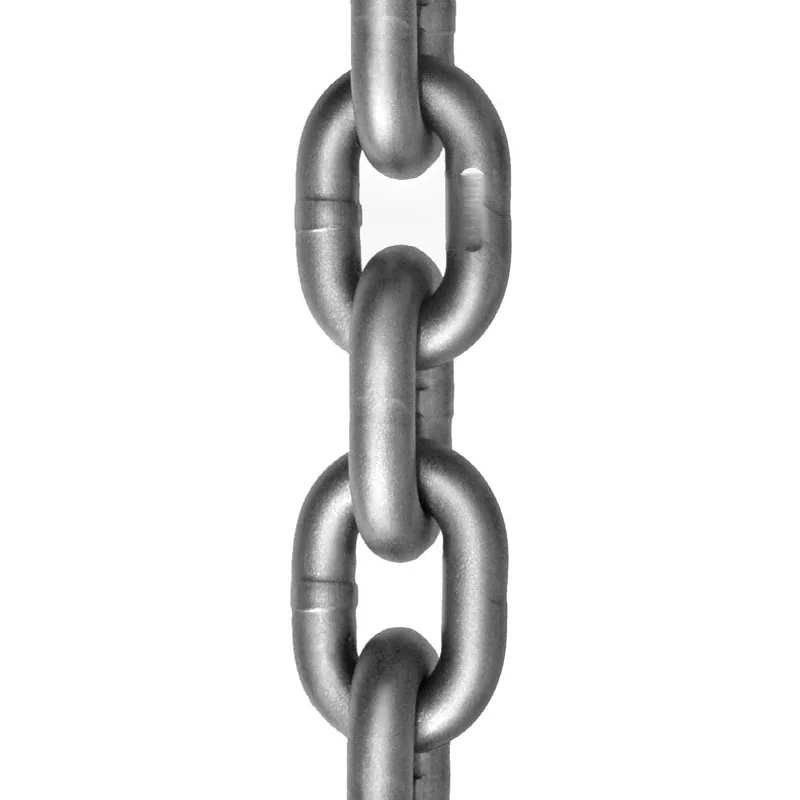
Round Link Chain
Round link chain (DIN 22252) is a hardened and tempered steel chain built for mining conveyors, plough systems, and bucket elevators that need reliable strength and wear resistance.
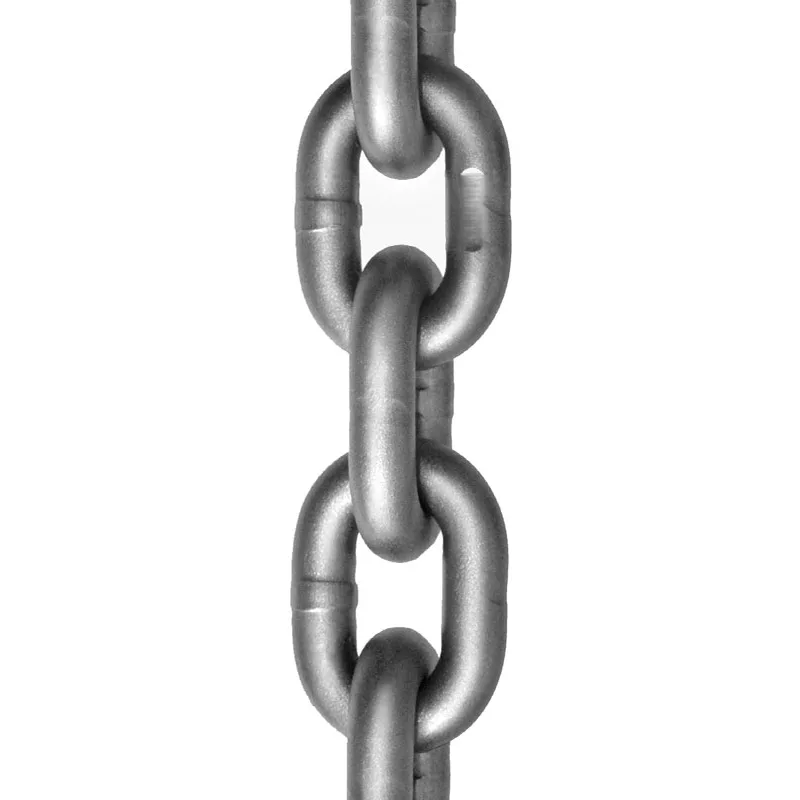
Special Chain
Special chain options include crown hardened and high-strength round link chains for mining conveyors, plough systems, and bucket elevators that run in tough working conditions.
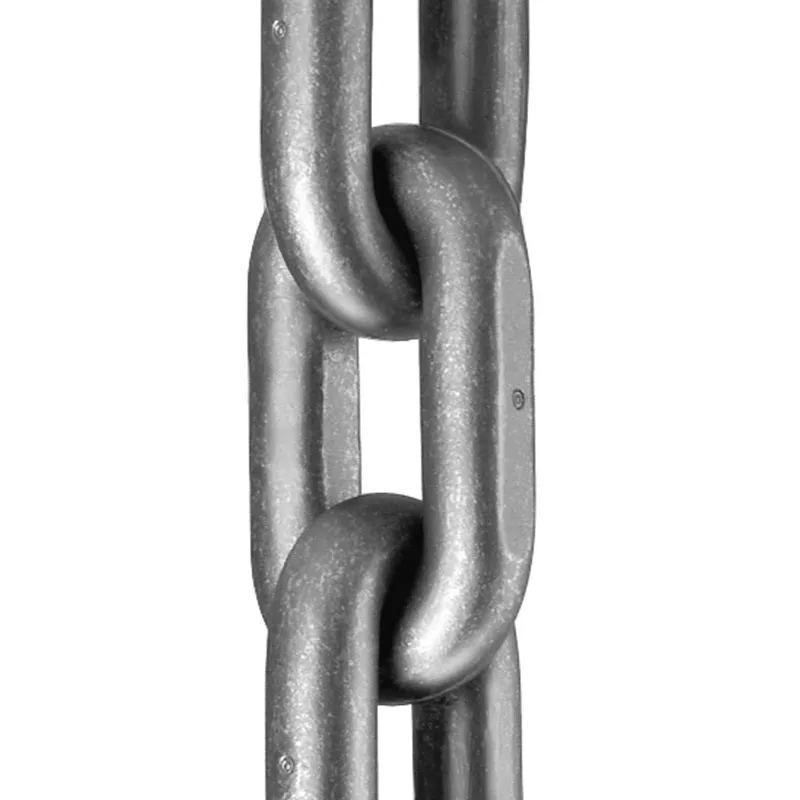
Flat Link Chain
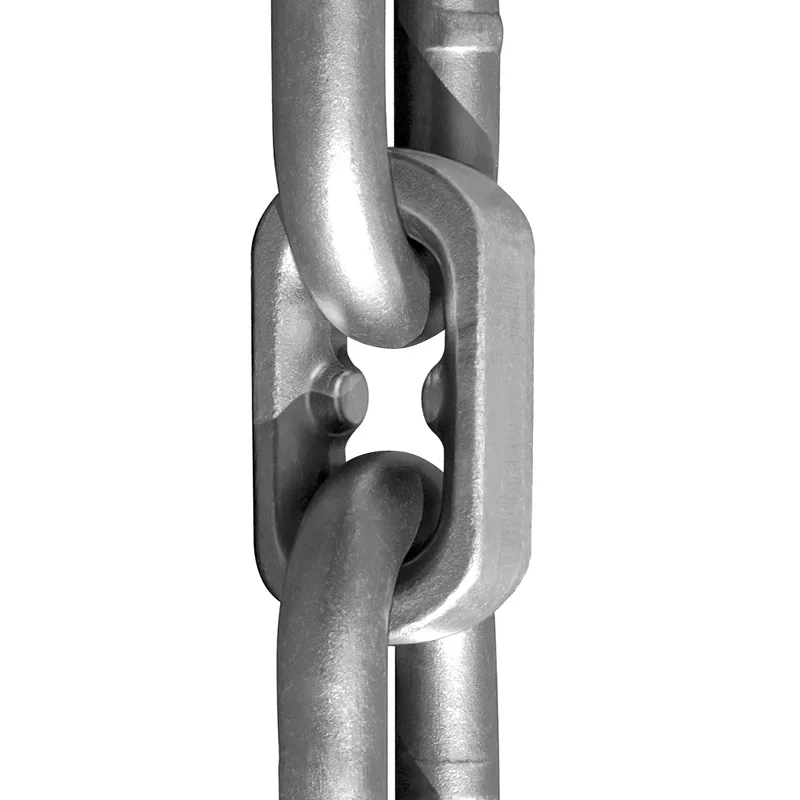
Flat link chain is a round steel conveyor chain with flattened vertical links, made for mining conveyor systems that need reliable strength and smooth, stable operation.
Flat Profile Chain
Flat profile chain is a low-profile conveyor chain for mining systems with compact channel designs, offering longer wear life, reliable strength, and smooth running without added weight.
NEED HELP WITH YOUR MINING CHAIN ORDER?
Let us help! Reach out today and get recommendations on materials and sizing from our experts.


Guide to Mining Chains
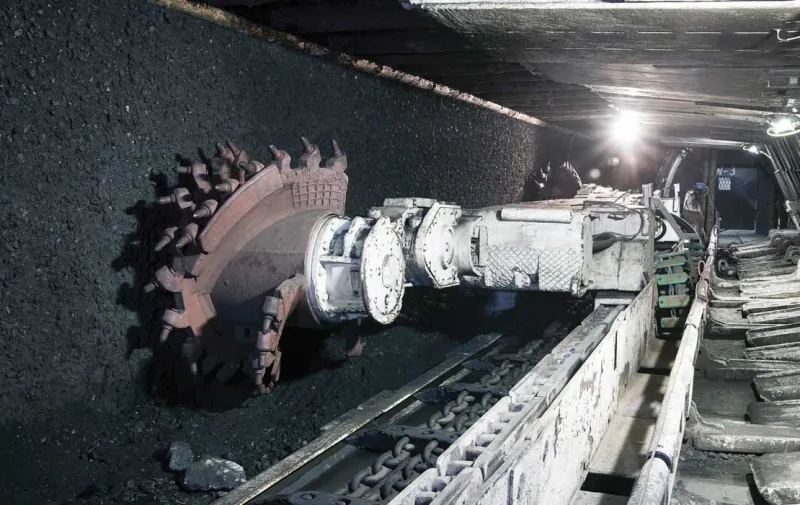
This guide to mining chains covers key chain types, uses, and features, helping buyers choose the right chain for mining conveyors and heavy-duty systems.
What is a Mining Chain?
A mining chain gives your conveyor or mining equipment the pulling force and wear resistance you need in hard working conditions. You use it to move bulk material through systems that face impact, abrasion, dust, and long operating hours.
Types of Mining Chains
Mining chains come in different types to suit various mining equipment, load demands, and conveying conditions. A clear list format helps buyers understand which mining chain works best for each application.
- Round link chains
Used in mining conveyors, plough systems, and bucket elevators where strength and flexibility matter. - Flat link chains
Designed for mining conveyor systems that need flattened vertical links and stable running performance. - Flat profile chains
Made for compact channel designs where low-profile structure and longer wear life matter. - Scraper conveyor chains
Built for scraper conveyor systems that handle bulk material in demanding mining conditions. - Plough chains
Used in plough systems that need reliable pulling force and steady performance under heavy loads. - Bucket elevator chains
Suitable for lifting bulk material in mining applications that require strength and durability. - Special mining chains
Developed for custom applications that need higher hardness, stronger design, or special chain features.
What Are Mining Chains Used For?
Mining chains move and carry bulk material in heavy-duty mining equipment. They are commonly used in:
- Mining conveyors for moving coal, ore, rock, and other bulk material
- Scraper conveyor systems for continuous material handling underground
- Plough systems for pulling and conveying material in coal mining
- Bucket elevators for vertical lifting of bulk material
- Stage loaders and feeder breakers for tough transfer and crushing applications
- Replacement and OEM equipment where strength, wear resistance, and reliable performance matter
How Do You Choose the Right Mining Chain for Your Equipment?
The right mining chain starts with real operating data, not just chain pitch or link diameter. Load, shock, conveyor length, material size, running hours, sprocket fit, and maintenance habits all shape the right choice. A good match helps equipment run smoothly, cuts wear issues, and avoids costly shutdowns. From a chain manufacturer view, the best result comes from selecting a chain around working conditions, service life goals, and machine fit instead of chasing the lowest price on paper.
- Duty-match review: load peaks, impact, and daily throughput matter more than basic size alone
- Fit-match review: sprockets, flights, connectors, and channel space decide how well the chain runs
- Life-cycle review: chain choice should support uptime, wear life, and replacement cost control
Why Do Material and Heat Treatment Matter So Much in a Mining Chain?
Material and heat treatment sit at the core of mining chain performance. They shape chain strength, wear life, running stability, and replacement cost, which makes them a key buying point for OEMs, mining operators, and conveyor system builders.
- Strong alloy steel builds a reliable base
Strong alloy steel gives a mining chain the strength it needs to handle heavy loads, impact, and demanding mining conditions. - Controlled heat treatment improves chain performance
Quenching and tempering help each link keep the right balance of strength, toughness, and wear resistance for long-term use. - Core strength supports real working loads
A good mining chain needs true load-carrying strength through the link, not just high surface hardness. - Wear resistance must stay balanced with toughness
The chain must fight abrasion and still hold up under shock, impact, and continuous operation. - Poor material quality leads to early chain problems
Weak steel or unstable heat treatment can cause fast elongation, rough running, cracked links, and early replacement. - Stable batch control protects order consistency
Steady production control helps keep mining chain quality consistent across every batch and repeat shipment. - Better chain quality lowers operating risk
Reliable material and heat treatment help reduce downtime, control maintenance cost, and improve line reliability.
What Should You Check if Longer Wear Life Matters Most?
Longer wear life in a mining chain depends on the whole chain system, not only on strength data. Chain design, material quality, heat treatment, surface finish, lubrication, and conveyor setup all work together to shape wear performance and service life.
- Link shape affects wear performance
Link design plays a major role in how a mining chain handles load, contact, and movement during daily operation. - Steel grade influences chain durability
The right steel grade helps the chain handle abrasion, impact, and heavy working conditions over a longer service life. - Heat treatment supports wear resistance
Proper heat treatment helps each link keep the strength and toughness needed for reliable long-term use. - Surface finish helps control chain wear
A well-finished surface can improve running behavior and reduce unnecessary friction during operation. - Pitch accuracy supports smooth running
Accurate pitch helps the mining chain engage correctly with sprockets and reduces uneven wear. - Lubrication affects chain life
Good lubrication helps reduce friction, lowers wear, and supports more stable chain performance. - Material flow changes wear patterns
Coal, ore, fines, and wet abrasive material create different wear conditions and should guide chain selection. - Conveyor alignment matters
Poor alignment can increase chain stress, speed up wear, and shorten service life. - Contact points need regular checks
Link crown wear, flight drag, and channel contact all have a direct effect on chain life. - Field wear reveals real operating issues
Wear patterns often show problems in channel design, sprocket match, material flow, or maintenance practice. - Wear monitoring reduces downtime risk
A clear inspection plan helps prevent emergency stops, rushed replacement orders, and avoidable maintenance pressure.
What Technical Support We Provide?
We provide technical support that goes beyond quotation. Our team helps customers choose the right mining chain, match connectors and sprockets, optimize attachment layouts, analyze wear patterns, and solve field issues faster. This support helps OEMs, mining operators, and distributors improve chain performance, reduce downtime, and keep conveying systems running reliably.
- Chain selection support
We help match the right chain to machine type, load level, working conditions, and service goals. - Connector selection support
We recommend suitable connector options for better fit, safer operation, and easier maintenance. - Sprocket matching support
We check chain and sprocket compatibility to support smooth engagement and reduce uneven wear. - Attachment layout support
We help optimize attachment design and layout for stable performance in real conveying applications. - Wear analysis support
We review wear marks, elongation, and running conditions to identify early problems in the system. - Failure review support
We help find the root cause of breakage or abnormal wear, so the same issue does not return. - Upgrade support
We suggest stronger designs, adjusted hardness, or improved connector solutions when working conditions demand better performance. - Application support
We provide practical advice based on machine setup, material flow, and site conditions to improve overall chain reliability.
How Can the Right Mining Chain Lower Total Cost, Not Just Purchase Cost?
Total cost depends on uptime, wear life, maintenance labor, replacement frequency, and system damage, not on unit price alone. Low-cost chain may look attractive at purchase stage, then create higher real cost through faster wear, extra downtime, emergency freight, and damaged sprockets or channels. Smart buyers look at cost per operating hour and cost per ton moved.
- Operating-hour value: longer service life improves real return on chain spend
- Downtime value: fewer chain failures protect production and reduce labor disruption
- System value: better chain performance can also reduce wear on sprockets, channels, and attachments
What Causes Early Mining Chain Failure?
Early mining chain failure often starts with small system problems that grow into major breakdowns. Alignment, sprocket fit, connector choice, lubrication, impact, overload, and abrasive material all affect chain life and running reliability.
- Misalignment can damage the chain early
Poor alignment increases stress on the mining chain and can lead to uneven wear, rough running, and faster failure. - Poor sprocket fit creates extra wear
A mining chain that does not match the sprocket correctly may jump, hit hard, or wear unevenly during operation. - Wrong connector choice affects reliability
An unsuitable connector can weaken chain performance and increase the risk of wear or breakage in demanding conditions. - Weak lubrication shortens service life
Poor lubrication increases friction, raises wear, and makes the chain more vulnerable to early damage. - Harsh impact and overload increase failure risk
Heavy shock loads and overload can push the mining chain beyond its design limit and shorten working life. - Abrasive fines accelerate wear
Coal fines, ore dust, and other abrasive material can wear link surfaces faster and reduce chain durability. - Wear marks often show the real problem
Crown wear, side rub, uneven elongation, and flight drag can reveal the root cause before the chain breaks. - Running path checks help find hidden issues
Inspecting where the chain rubs, twists, lifts, or slams can help identify problems in the full conveyor system. - Early action prevents repeat failure
Fixing the root cause early helps the next mining chain run longer and reduces downtime, labor cost, and urgent replacement orders.
Have More Questions of Mining Chains?
Have more questions about mining chains? Our team offers practical support on chain types, applications, and selection for mining equipment and conveyor systems. If you need support choosing the right minning chains for your application, contact our team for practical guidance.