Cable grips help you handle cables safely and efficiently during installation. You rely on these grips to secure cables, prevent slips, and avoid damage. Using high-quality grips gives you several advantages:
You improve installation speed and cable management.
You reduce the risk of cable damage, electrical failures, and accidents.
You meet safety standards and protect workers and equipment.
Choosing the right cable grips matters. Powerful Machinery provides high-quality solutions that support safe cable installation across various industries.
Key Takeaways
Cable grips are essential tools for safely handling and installing cables, preventing slips and damage during the process.
Choosing high-quality cable grips improves installation speed, reduces risks of electrical failures, and meets safety standards.
Different types of cable grips, such as pulling grips and heavy-duty grips, serve specific functions and environments, ensuring optimal performance.
Always inspect cable grips for damage before use and match the grip size to the cable diameter for a secure fit.
Sourcing grips from trusted brands with recognized certifications guarantees safety and reliability in cable installations.
Cable Grips: Definition and Function
What Are Cable Grips?
You use cable grips to handle and install cables safely. These grips are specialized tools designed to secure cables during pulling, positioning, or support tasks. In electrical engineering, a cable grip facilitates the insertion of optical fibers into connectors or cross-wiring frames, ensuring fast and reliable connections.
You find cable grips in many industries because they prevent cable slippage and damage. When you choose high-quality grips, you protect your cables and improve installation efficiency.
Powerful Machinery stands out as a trusted source for cable grips. Their experience and commitment to quality ensure you get reliable products for your projects. You benefit from their expertise and certified solutions, which help you achieve safe and successful cable installations.
How Cable Grips Work?
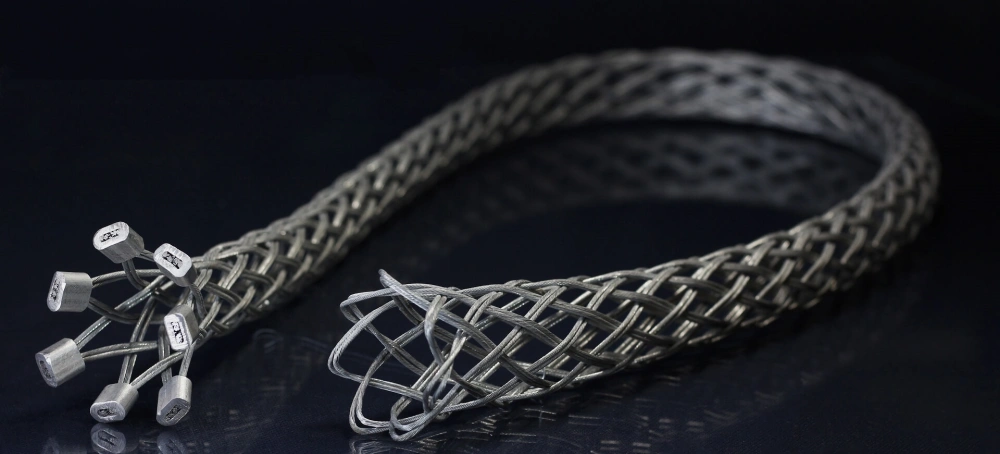
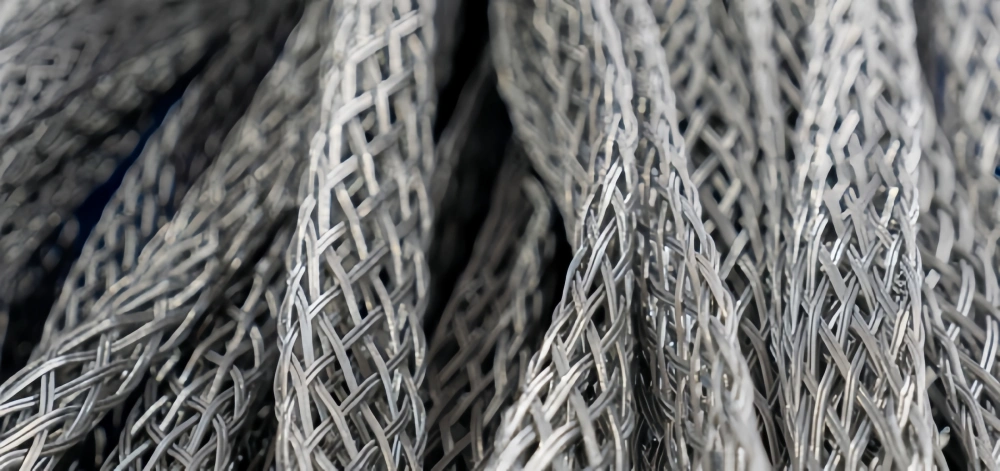
Cable grips use a mesh or woven design to wrap around the cable. You attach the grip to the cable by sliding it over the end and securing it with a loop or fitting. When you pull the grip, the mesh tightens around the cable, holding it firmly in place.
This mechanism distributes the pulling force evenly, reducing stress on the cable and preventing damage. You can use grips for different cable sizes and types, making them versatile tools for many tasks.
You rely on cable grips to guide cables through conduits, ducts, or trenches. The flexible mesh adapts to the cable’s shape, ensuring a secure hold. You avoid slippage and maintain control during installation.
High-quality grips from Powerful Machinery offer corrosion resistance and durability, so you can use them in harsh environments without worry.
Tip: Always check the grip size and material before starting your installation. This helps you match the grip to your cable and ensures a safe, efficient process.
Key Applications
You find cable grips in a wide range of industries and settings. The table below shows some common application areas and their descriptions:
Application Area | Description |
|---|---|
Aerospace | Used for connecting cables in aircraft systems. |
Cleanroom Environments | Ensures cable integrity in sterile settings. |
Utilities | Connects power and control cables in utility applications. |
Industrial Settings | Common in automotive and food/beverage manufacturing plants. |
Marine and Railway | Used in applications requiring robust cable management. |
Hazardous Environments | Prevents flammable substances from entering equipment enclosures. |
You also use cable grips for motors, pumps, machine tools, processing, and material handling. These grips help you manage cables in environments where safety and reliability matter most. You protect your cables from damage and ensure smooth operation in every application.
When you choose cable grips from Powerful Machinery, you get products that meet strict industry standards. Their grips perform well in demanding conditions, giving you confidence in your installations.
Types of Cable Grips
Cable grips come in several types, each designed for specific tasks and environments. You need to understand the differences to choose the right grip for your cable installation project.
The main cable grip types include pulling grips, heavy-duty grips, support grips, and specialized grips. Each type offers unique features and benefits.
Pulling Grips
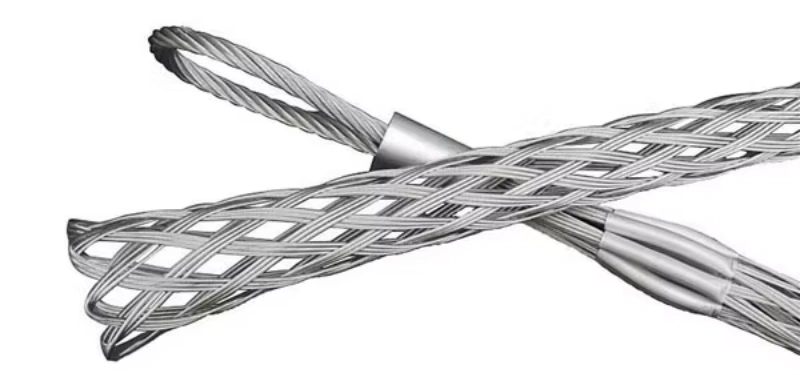
Pulling grips help you install cables by pulling them through conduits, ducts, or trenches. You use these grips when you need to move cables over long distances or through challenging pathways. Pulling grips feature a mesh design made from galvanized or stainless steel wire.
This construction gives you the strength and durability needed for tough jobs. The mesh wraps around the cable and tightens as you pull, holding the cable securely and preventing slippage.
Powerful Machinery’s Pulling Grip stands out for its robust build and flexible mesh. You can use it for various cable sizes and types, making it a versatile choice for professionals. The grip distributes pulling forces evenly, which protects your cable from damage.
You benefit from corrosion resistance, so you can use the grip indoors or outdoors without worry. The lightweight design makes handling and transportation easy.
Tip: Always match the pulling grip size to your cable diameter. This ensures a secure fit and safe installation.
You rely on cable pulling grips for electrical and telecommunications work. These grips help you complete installations quickly and safely.
Heavy-Duty Grips
Heavy-duty cable grips give you extra strength and durability for demanding applications. You need these grips when working with heavy-duty cables or in environments that require high tensile strength.
Heavy-duty grips use multi-weave construction to support significant weights. You find them in construction, civil engineering, shipbuilding, and power line projects.
Heavy-duty cable grips are essential in scenarios requiring high tensile strength and durability.
Common applications include construction, civil engineering, shipbuilding, and power line construction.
They support significant weights due to their multi-weave construction, enhancing tensile strength.
You choose heavy-duty grips when you need to move or support large cables. The reinforced mesh resists wear and tear, even in harsh conditions. Powerful Machinery offers heavy-duty cable grips that meet strict safety standards. You get reliable performance and long-lasting durability.
Note: Heavy-duty grips protect your cables from stress and damage during installation. You reduce the risk of accidents and improve efficiency.
Support Grips
Cable support grips help you manage cables on vertical or sloping runs. You use these grips to hold the weight of the cable and prevent strain. Support grips absorb vibration, expansion, and contraction, which protects your cable from damage. You also use cable support grips to seal against dirt, dust, and moisture.
Function Description | Details |
|---|---|
Support Cable Weight | Designed to hold the weight of cable on vertical or sloping runs. |
Strain Relief | Absorbs additional strain from vibration, expansion, and contraction. |
It acts as a seal against dirt, dust, and moisture.
Prevent cables from being pulled out or twisted loose.
Protect cables from stress and damage.
You install cable support grips in industrial settings, utility plants, and cleanroom environments. These grips keep your cables secure and extend their lifespan.
Specialized Grips
Specialized cable grips give you solutions for unique installation environments. You need these grips when working in marine, hazardous, or sensitive areas. Specialized grips use advanced materials like stainless steel (grade 316 or higher) and Kevlar.
These materials resist saltwater corrosion and maintain mechanical strength in harsh conditions.
Feature | Description |
|---|---|
Corrosion Resistance | Materials like stainless steel (grades 316 or higher) and Kevlar provide high resistance to saltwater corrosion. |
Mechanical Strength | Cable grips maintain strength against deformation and brittleness in harsh environments. |
Non-conductive Grips | Enhances safety by preventing electrical conductivity, suitable for sensitive installations. |
You use non-conductive grips for electrical safety. These grips prevent electrical conductivity, which is important in sensitive installations. You also find cable socks in specialized applications. Cable socks offer extra protection and grip for heavy-duty cables in marine and railway projects.
Alert: Always check the environment before choosing specialized cable grips. The right material and design keep your cables safe and reliable.
You see specialized grips in aerospace, marine, and hazardous environments. Powerful Machinery provides certified, specialized grips for these demanding tasks.
Summary Table: Cable Grip Types
Type | Main Use | Key Features | Common Industries |
|---|---|---|---|
Pulling Grips | Cable installation and pulling | Flexible mesh, corrosion-resistant | Electrical, Telecom |
Heavy-Duty Grips | Heavy-duty cable movement/support | Multi-weave, high tensile strength | Construction, Shipbuilding |
Support Grips | Cable management and strain relief | Weight support, vibration absorption | Utilities, Industrial |
Specialized Grips | Unique environments | Advanced materials, non-conductive | Marine, Aerospace |
You need to understand these cable grip types to select the best option for your project. Powerful Machinery offers a full range of cable grips, including cable socks and heavy-duty cable grips, to meet your needs.
Construction and Materials
Mesh Design and Materials
You need to pay close attention to the mesh design when choosing cable grips. The mesh wraps around the cable and provides a secure hold during installation. Powerful Machinery uses advanced mesh designs that tighten under load, which helps protect your cable from stress and damage.
The choice of material affects how well the grips perform in different environments.
Here is a table showing common materials used in cable grips and their strengths:
Material | Strengths |
|---|---|
Stainless Steel | Strong, durable, non-corrosive; handles high loads; resists wear and tear. |
Galvanized Steel | Zinc coating adds corrosion resistance; it works well outdoors and in harsh environments. |
Nylon | Lightweight, flexible, high tensile strength; resists abrasion and chemicals. |
Aramid/Kevlar | High strength, low weight, non-conductive, corrosion resistant, fire retardant, and long-lasting. |
You get reliable performance from cable grips made with stainless steel or galvanized steel. These materials help the grips resist corrosion and wear, even in tough conditions. Nylon and Kevlar offer flexibility and extra protection in specialized applications.
Durability and Performance
You want cable grips that last and perform well in harsh environments. The construction and choice of materials play a big role in durability. Powerful Machinery builds grips to withstand high tension and extreme conditions. Heavy-duty construction and corrosion-resistant materials ensure a long service life.
Heavy-duty construction helps cable grips handle high tension.
Corrosion-resistant materials protect the grips from environmental damage.
Proper manufacturing and fitting prevent slippage and improve grip performance.
You should look for cable grips that meet strict standards. Certifications like GB/T 2589 and quality certifications guarantee that the grips have passed tests for load capacity, corrosion resistance, and wear. These standards give you confidence in the safety and reliability of your cable installation.
Tip: Always check for certified materials and construction before using cable grips in demanding environments. This helps you avoid failures and ensures long-term reliability.
You can trust Powerful Machinery to deliver cable grips that meet international standards. Their grips use high-strength alloy steel and advanced manufacturing processes to enhance strength and fatigue resistance. You get dependable performance for every cable installation.
Safety and Installation Tips
Safety Considerations
You must always put safety first when working with cable grips. Before you start any installation process, check your equipment and surroundings. Here are some important safety tips:
Inspect each grip for damage or wear before use.
Never use cable-pulling grips for anything other than pulling cable.
Do not modify grips or their fittings.
Always use safety bands to prevent accidental release.
Wear protective clothing, such as flame-retardant gear and non-conductive gloves.
Make sure all machinery works properly.
Stay aware of your environment, especially when working at heights or in tight spaces.
Follow national and local safety codes for every installation.
Powerful Machinery designs cable grips with safety features that help you avoid accidents. Their grips clamp down firmly to prevent slippage and provide strain relief at entry points. These features protect both you and your cables.
Installation Steps
You can make your installation process safer and more efficient by following these steps:
Select the correct grip for your cable size and application.
Inspect the grip for any signs of damage.
Slide the grip over the end of the cable until it fits snugly.
Attach the loop end to your pulling equipment.
Apply safety bands to secure the grip.
Begin pulling slowly, checking for any signs of slippage or stress.
Monitor the safe working load and never exceed it.
Powerful Machinery uses high-tensile steel and synthetic fibers in its grips. These materials offer strength, durability, and corrosion resistance, making your installation safer and more reliable.
Common Mistakes
You can avoid many problems by watching out for these common mistakes:
Using the wrong grip for your cable or application.
Ignoring damaged or worn grips.
Failing to apply safety bands.
Exceeding the safe working load.
Skipping inspection before installation.
Tip: Always match your grip to the cable and environment. Regularly review safety features and tips to keep your installation process smooth and secure.
Material Type | Properties |
|---|---|
High-tensile steel | Strong, durable, suitable for heavy-duty |
Synthetic fibers | Lightweight, corrosion-resistant |
These materials, combined with the safety features of Powerful Machinery’s cable grips, help you achieve a safe and efficient installation every time.
Selecting Quality Cable Grips
Matching Grip to Application
You need to match cable grips to your specific cable and installation needs. The right grip prevents damage and ensures a secure hold. Use the table below to help you select the best option for your project:
Criteria | Details |
|---|---|
Cable Diameter | Choose grips that fit your cable’s outer diameter. A grip that is too small can damage the sheath. A grip that is too large may slip off. |
Pulling Tension | Select grips with a rated breaking strength that exceeds your maximum pulling tension by 25-30%. |
Cable Type & Application | Use single-eye grips for low and medium-voltage cables. Double-eye grips work for high voltage. |
Pulling Method | Pick grips designed for straight pulls, duct pulls with bends, or overhead line stringing. |
Environment | Use stainless or galvanized steel grips for different environments. |
High-quality grips from Powerful Machinery offer a wide range of sizes and designs. You can find cable pulling grips for electrical, telecom, or industrial installations.
Load Capacity and Environment
You must consider load capacity when choosing cable grips. In high-stress environments, cables face mechanical forces that can cause abrasion or insulation damage. Grips with higher load capacities distribute weight and force more effectively. Custom solutions help you handle heavy cables and tough conditions.
Environmental factors also play a key role. You should look at:
Material selection based on exposure to moisture.
Temperature changes.
Hazards in the work area.
Indoor or outdoor cable location.
Presence of liquids.
Consequences if the cable disconnects.
High-quality grips made from corrosion-resistant materials perform well in harsh environments. You protect your cables and improve installation reliability.
Sourcing from Trusted Brands
You should always source cable grips from reputable brands. Look for products with recognized certifications. These marks show that the grips meet strict safety and quality standards. The table below lists important certifications:
Certification | Description |
|---|---|
ISO 9001 – 2015 | Quality management system meets international standards. |
CE Certified | Complies with health, safety, and environmental protection standards. |
Also, check for:
UL Certification: Ensures safety and reduces risks like fire or electrical shock.
Powerful Machinery provides high-quality grips that meet international standards. You get reliable cable grips for every installation. Certified products help you avoid failures and keep your cables secure.
Tip: Always verify certifications before purchasing. Trusted brands give you peace of mind and long-term value.
Conclusion
Choosing the right cable grips protects your cable and improves installation safety. You prevent damage from dirt, moisture, and stress when you use certified grips. High-quality grips help you avoid common failures like abrasion, flexing, and overload.
You also save money over time because fewer cable failures mean less downtime and lower maintenance costs.
Cable grips seal and protect cables from harsh environments.
Proper selection ensures safety, efficiency, and long-lasting cable performance.
Certified grips reduce maintenance and replacement costs.
Failure Mode | Prevention Tips |
|---|---|
Abrasion | Use abrasion-resistant grips and secure cables. |
Flexing and Bending | Select grips that support proper bend radius. |
Chemical Exposure | Choose chemical-resistant grips and inspect regularly. |
Extreme Temperatures | Use temperature-rated grips and monitor conditions. |
Electrical Overload | Verify load ratings and use circuit protection. |
Environmental Factors | Seal connections and maintain them regularly. |
You improve system reliability and protect your investment when you prioritize quality and proper selection.
FAQ
What is the main purpose of a cable grip?
You use a cable grip to hold and pull cables securely during installation. The grip prevents slippage and protects cables from damage.
How do you choose the right cable grip size?
You measure your cable’s diameter. Select a grip that matches the cable size. A proper fit ensures safety and efficiency.
Can you reuse cable grips?
You can reuse cable grips if they show no signs of wear or damage. Always inspect grips before each use to maintain safety.
Where can you buy certified cable grips?
You can purchase certified cable grips from trusted brands like Powerful Machinery. Visit Powerful Machinery’s website for reliable products.