Wire rope grades define the quality and durability of wire rope strength, which directly affects safety in lifting and rigging operations. You face significant risks when you choose the wrong grade or strength. Powerful Machinery delivers certified solutions trusted in demanding industries.
Approximately 20% of crane accidents result from technical failures, including improper reeving, while operator errors account for about 80%. The table below shows how characteristics such as strength, flexibility, and corrosion resistance impact safety and performance:
Characteristic | Impact on Safety and Performance |
|---|---|
Strength | Determines the maximum load the rope can safely handle. |
Flexibility | Affects the rope’s ability to bend without breaking. |
Abrasion resistance | Reduces wear and tear, prolonging rope life. |
Crushing resistance | Prevents damage under heavy loads. |
Fatigue resistance | Ensures durability under repeated loading cycles. |
Corrosion resistance | Protects against environmental damage. |
Rotation resistance | Maintains stability during lifting operations. |
Key Takeaways
Wire rope grades determine the strength and durability of the rope. Choose the right grade to ensure safety in lifting and rigging tasks.
Always check the working load limit (WLL) before using wire rope. This limit ensures you do not exceed the rope’s safe capacity during operations.
Consider environmental factors when selecting wire rope. Corrosion resistance is crucial for outdoor and marine applications to prolong rope life.
Understand the difference between breaking strength and working load limit. Use a safety factor to ensure safe operations and prevent accidents.
Regularly inspect the wire rope for wear and damage. This practice helps maintain safety and performance in lifting operations.
Wire Rope Grades Overview
What Are Wire Rope Grades?
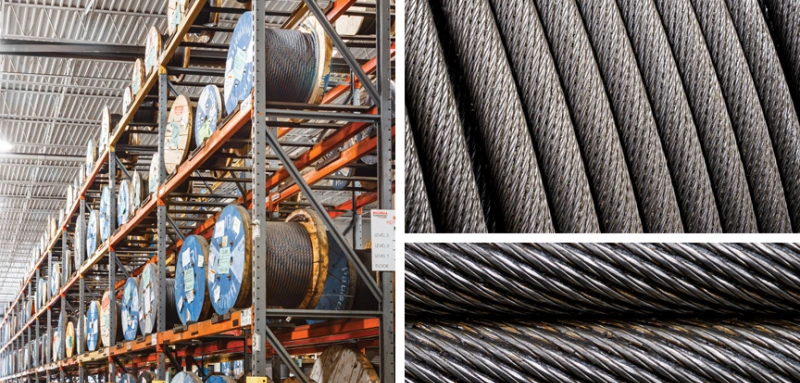
Wire rope grades describe the strength and quality levels of wire rope. You rely on these grades to determine how much load a wire rope can safely handle. Grades also indicate the rope’s durability and resistance to wear.
When you select wire rope for lifting or rigging, you must consider wire rope grades to ensure safety and performance. Powerful Machinery uses advanced manufacturing and strict quality control to produce wire rope that meets high-grade standards.
Their Steel Wire Rope offers superior strength and reliability for demanding tasks.
Common Wire Rope Grade Types
You encounter several wire rope grades in the market. Each grade suits different applications and environments. The most common wire rope grades include 1770, 1960, and 2160. These grades reflect the minimum tensile strength of the wire rope. The table below shows the most widely recognized wire rope grades:
Wire Rope Grade | Minimum Tensile Strength |
|---|---|
1770 | Specific value |
1960 | Specific value |
2160 | Specific value |
You also find wire rope types based on material and coating. The table below highlights the characteristics and uses of each type:
Wire Rope Type | Characteristics | Common Applications |
|---|---|---|
Stainless Steel | High corrosion resistance, suitable for extreme weather, does not react to chemicals | Saltwater industries, automotive, petrochemical equipment |
Galvanized | Coated with zinc for corrosion resistance | General construction, outdoor applications |
Bright Wire Rope | Budget-friendly, suitable for dry indoor use, not for wet or corrosive environments | Indoor applications only |
Powerful Machinery’s Steel Wire Rope stands out among common wire rope grades. You benefit from its non-rotating design and corrosion resistance, which make it ideal for construction, marine, and industrial sectors.
Industry Standards for Wire Rope Grades
You must understand industry standards when choosing wire rope grades. Standards like ISO, ASTM, and EN set requirements for tensile strength, coating thickness, and appearance quality. For example:
ISO 2408 lists four wire rope grades: 1570, 1770, 1960, and 2160.
EN 12385-4 includes seven grades, ranging from 1570 N/mm² to 2160 N/mm².
ASTM A475-03 requires a coating thickness of 100g/m², while ISO 1461 requires 65μm.
International standards such as EN 12385, ASTM, and API ensure wire rope grades meet strict safety and performance guidelines. Powerful Machinery demonstrates compliance through certifications like ISO9001, TUV Rheinland, and ASME B30.9.
You can trust their Steel Wire Rope to meet or exceed these standards, giving you confidence in every lift.
Tip: Always check for certifications and compliance with industry standards when selecting wire rope grades for your project.
Wire Rope Strength Ratings
Wire Rope Strength Defined
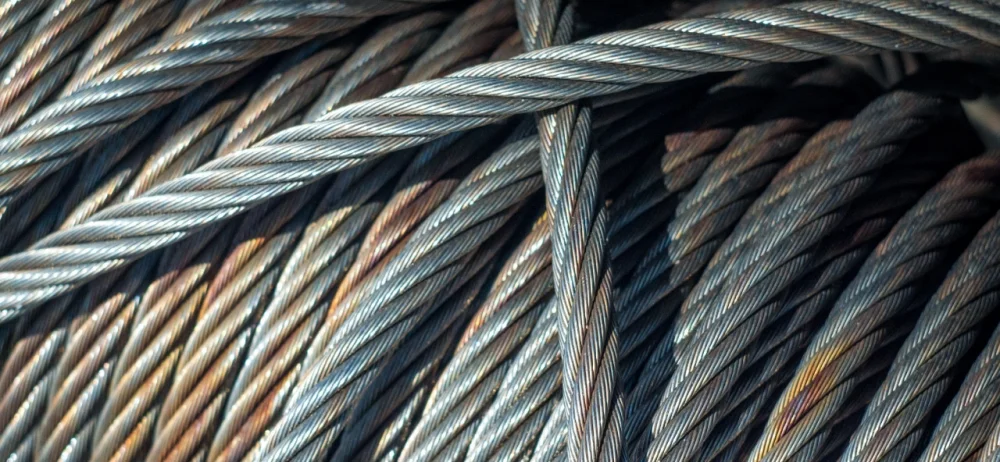
You rely on wire rope strength to determine how much force your wire rope can safely handle during lifting, rigging, or hoisting. Wire rope strength is the foundation of safety and performance in every application.
When you select wire rope, you must consider wire rope capacity, wire tensile strength, and the minimum breaking strength. Powerful Machinery’s Steel Wire Rope provides high wire rope strength for demanding tasks.
You benefit from certified products that meet strict international standards, ensuring reliable wire rope capacity in every lift.
Wire Tensile Strength Explained
Wire tensile strength measures the maximum tension your wire rope can withstand before it stretches or breaks. You see wire tensile strength listed as a value in N/mm².
This number tells you how strong the steel wires are inside your wire rope. Powerful Machinery offers wire rope with wire tensile strength values that meet or exceed industry standards. The table below shows typical wire tensile strength values for steel wire ropes used in heavy lifting:
Type of Steel Wire Rope | Nominal Tensile Strength (N/mm²) |
|---|---|
304 Stainless Steel | 1570 |
316 Stainless Steel | 1770 |
You must match the wire tensile strength to your application. Higher wire tensile strength means greater wire rope strength and wire rope capacity. Powerful Machinery’s Steel Wire Rope uses high-grade steel to deliver consistent wire tensile strength, giving you confidence in every operation.
Breaking Strength of Wire Rope
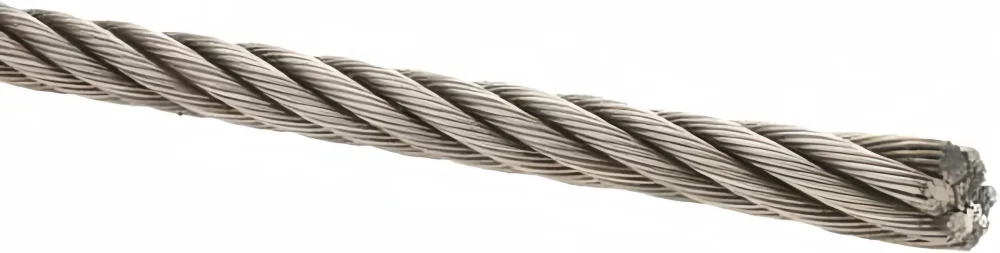
Breaking strength is the absolute maximum force your wire rope can withstand before it fails. You must never use a wire rope at its breaking strength during regular operations.
Instead, you rely on the working load limit for safe use. Several factors influence the breaking strength of wire rope. The table below highlights these factors:
Factor | Description |
|---|---|
Material grade | Different stainless steel grades have different tensile strengths. |
Wire rope construction | The arrangement of wires and strands affects breaking strength. |
Diameter | Larger diameter wire ropes have higher breaking strength due to more metal cross-section. |
Manufacturing quality | Consistent manufacturing practices ensure the wire rope meets the specified breaking strength. |
Powerful Machinery’s Steel Wire Rope features advanced construction and strict quality control. You receive a wire rope with reliable breaking strength and wire rope capacity for heavy-duty applications.
Certifications such as ISO9001 and TUV Rheinland guarantee that each wire rope meets or exceeds the minimum breaking strength required by international standards.
Working Load vs Breaking Strength
You must understand the difference between working load and breaking strength when selecting wire rope. The working load limit is the maximum force you can safely apply to your wire rope during regular use. Breaking strength is the highest force your wire rope can withstand before it fails.
Manufacturers set the working load limit by dividing the breaking strength by a safety factor. This process ensures you use wire rope within safe limits. The table below compares the working load limit and breaking strength:
Aspect | Working Load Limit (WLL) | Breaking Strength |
|---|---|---|
Purpose | Safety limit for regular use | Absolute maximum force capacity |
Set by | Manufacturer | Material properties/testing |
Reflects | Safety, usability, and life of equipment | Material capabilities |
To calculate the working load limit, you follow these steps:
Obtain the breaking strength of your wire rope.
Divide the breaking strength by the safety factor provided by the manufacturer.
You must always use wire rope within its working load limit. Powerful Machinery’s Steel Wire Rope comes with clear specifications for wire rope strength, wire tensile strength, and wire rope capacity.
You receive certified wire rope with accurate working load limit and minimum breaking strength values. These certifications ensure you meet safety requirements and protect your team during every lift.
Tip: Always check the manufacturer’s specifications and certifications before using wire rope for lifting or rigging. Certified wire rope strength ratings help you avoid accidents and equipment failure.
What Factors Affect the Strength of Wire Rope?
Material and Construction
You must consider both material and wire rope construction when evaluating strength. The core material—fiber or steel—directly impacts load capacity and fatigue resistance. The table below compares these core types:
Feature | Fiber Core | Steel Core |
|---|---|---|
Load Capacity | Lower | Higher |
Fatigue Resistance | High | Moderate |
Wire rope construction also determines performance. For example, 6×19 ropes focus on abrasion resistance, making them ideal for wear-prone environments. 6×36 ropes offer enhanced flexibility and fatigue resistance. The 8×55SWS configuration provides superior flexibility and strength for specialized lifting tasks.
The diameter of the rope plays a crucial role as well. Larger diameters support heavier loads and offer greater safety margins. Powerful Machinery’s steel wire rope features a non-rotating design and corrosion resistance, which further improves safety and longevity.
Environmental Conditions
Environmental factors can significantly affect wire rope strength. Outdoor conditions, such as humidity, temperature changes, and pollutants, can damage wire ropes. Humidity triggers electrolytic reactions between strands, especially in coastal or tropical climates.
Temperature fluctuations cause metal to expand and contract, which may crack protective layers. Salt-laden air and industrial pollutants accelerate corrosion. Research shows that surface corrosion reduces anti-wear properties and fatigue resistance.
In acidic environments, the maximum breaking force of wire rope decreases rapidly. Powerful Machinery’s steel wire rope resists corrosion, making it suitable for harsh environments.
Load Type and Application
You need to match wire rope construction to your specific application. Different load types require a balance between abrasion resistance and bending fatigue resistance. The size of sheaves also impacts wire rope selection. Inadequate sheave sizes can cause premature fatigue.
Main hoist and auxiliary hoist applications demand different wire rope construction types. Powerful Machinery offers a range of wire rope construction options, ensuring you find the right fit for your lifting or rigging needs.
Safety Factors and Compliance
Safety factors play a vital role in wire rope selection. You must always use a safety factor to determine the working load limit. The table below outlines key safety factors:
Safety Factor Type | Description |
|---|---|
Working Load Limit (WLL) | The maximum static load a sling can carry under specific conditions, derived from Minimum Breaking Strength (MBS). |
Design Factor | Industry standard is 5:1 for general-purpose wire rope slings, providing a safety margin for various conditions. |
Dynamic Loading | Accounts for forces from swinging or jerking loads, which can exceed static weight. |
Wear and Fatigue | Considers gradual wear and internal fatigue over the sling’s service life. |
Material Variability | Allows for permissible variations in wire material and manufacturing processes. |
Sudden Conditions | Provides a buffer for unpredictable events during lifting operations. |
You should always verify compliance with international standards, such as ISO 2408 and OSHA regulations. Powerful Machinery ensures all steel wire rope products meet these requirements. Regular inspections and load testing help maintain compliance and safety.
Non-compliance can lead to equipment failure and safety risks. Powerful Machinery’s commitment to quality and safety standards gives you confidence in every lift.
Note: Always select wire rope construction and safety factors that match your application and environment. This approach ensures optimal performance and safety.
Choosing Wire Rope Grades and Strength
Assessing Load Requirements
You must start by understanding your load requirements before selecting wire rope. Identify the maximum weight you plan to lift, including both static and dynamic forces. Consider the type of load, frequency of lifts, and any shock or vibration that may occur.
Environmental factors, such as temperature and moisture, also affect your choice. Powerful Machinery recommends reviewing your project’s full scope to ensure you select wire rope grades that match your needs.
Wire Rope Strength Calculation
To calculate the strength of a wire rope, use this formula:
Breaking Strength (lb) = D² × T × K
D is the diameter of the rope in inches.
T is the tensile strength of the wire in psi.
K is a constant based on the number of wires in the rope.
You must also apply a safety factor, usually between 3 and 5, to determine the working load limit. This ensures the wire rope operates safely within its tensile limits. Materials like stainless steel or galvanized steel influence overall strength and durability.
Interpreting Strength Ratings
When you review wire rope grades, pay close attention to strength ratings.
Tensile strength shows how much pulling force the wire rope can handle.
Breaking strength is the maximum load before failure.
Working load considers both static and dynamic loads.
Always use a safety factor of at least 5:1 for lifting applications.
Environmental factors, such as chemicals or moisture, may require higher-grade wire rope.
Matching Grade to Application
You must match wire rope grades to your specific application. For example:
6×19 class offers high surface wear resistance, ideal for winch lines.
6×26 class balances flexibility and abrasion resistance, suitable for general lifting.
6×37 class provides high flexibility for frequent bending, perfect for overhead cranes.
Wire Rope Class | Characteristics | Best Used For |
|---|---|---|
6×19 | High wear resistance, less flexibility | Winch lines, drag lines, haulage operations |
6×26 | Balanced abrasion resistance and flexibility | Crane hoist lines, general lifting operations |
6×37 | High flexibility, frequent bending | Overhead cranes, complex reeving systems |
Powerful Machinery’s Steel Wire Rope comes in multiple configurations, such as 35W×7, 18×19, and 8×55SWS, to meet a wide range of wire rope grades and load requirements. For unique projects, consult Powerful Machinery for custom-engineered wire rope solutions that ensure safety and performance.
Powerful Machinery Steel Wire Rope in Practice
Industrial Lifting Example
You often face heavy lifting challenges in manufacturing plants and warehouses. Powerful Machinery Steel Wire Rope gives you the strength and stability you need for these demanding tasks. The non-rotating design keeps your loads steady, even when you lift at great heights.
You can trust the rope’s high tensile strength to handle repeated use without stretching or fraying. Ben Carter, a project manager from Canada, shared,
“We rely on Powerful Machinery’s steel wire rope for our overhead cranes. The rope’s durability and consistent performance have improved our safety record.”
The following table shows the certifications that support the rope’s performance in industrial settings:
Certification | Purpose |
|---|---|
ISO 2408 | Specifies the minimum breaking force for safety |
EN 12385 | Ensures safety and performance standards |
ISO 9001 | Guarantees quality management systems |
Marine and Outdoor Use Case
You need a wire rope that resists corrosion and stands up to harsh weather when you work in marine or outdoor environments. Powerful Machinery Steel Wire Rope uses high-grade steel and advanced coatings. This design protects against saltwater, humidity, and temperature changes. David Müller from Germany said,
“We use Powerful Machinery’s wire rope on our ships. It resists rust and keeps working, even after months at sea.”
You can count on this rope for mooring, towing, and lifting in coastal and offshore operations.
Construction and Cargo Handling Scenario
You face strict deadlines and heavy loads on construction sites and in cargo yards. Powerful Machinery Steel Wire Rope helps you move materials safely and efficiently. The rope’s flexibility and strength make it ideal for cranes, hoists, and winches. Liam O’Connell from Australia noted,
“We choose Powerful Machinery because their wire rope meets all our safety standards and never lets us down.”
You benefit from certified products that keep your team safe and your projects on track.
Conclusion
You improve safety and efficiency when you understand wire rope grades and strength ratings. Industry experts recommend that you consider the right rope class, working environment, flexibility, crush resistance, breaking strength, and resistance to wear.
Powerful Machinery stands as your trusted source for certified steel wire rope solutions. For expert advice or custom-engineered products, review your project requirements and explore the full range at Powerful Machinery’s website.
FAQ
What is the main advantage of non-rotating steel wire rope?
You gain stability during lifting. The non-rotating design prevents twisting and kinking, which improves safety and extends the rope’s lifespan.
How do you choose the right wire rope grade for your project?
You should review your load requirements, working environment, and safety standards. Match the grade to your application for optimal performance and reliability.
Can you use steel wire rope outdoors?
You can use steel wire rope outdoors. Powerful Machinery’s steel wire rope resists corrosion and abrasion, making it suitable for harsh weather and marine environments.
What certifications should you look for in wire rope products?
You should check for certifications like ISO9001, TUV Rheinland, and EN 12385. These certifications guarantee quality, safety, and compliance with international standards.
How often should you inspect wire rope for safety?
You should inspect the wire rope before each use and schedule regular inspections. Look for signs of wear, corrosion, or damage to maintain safety and performance.