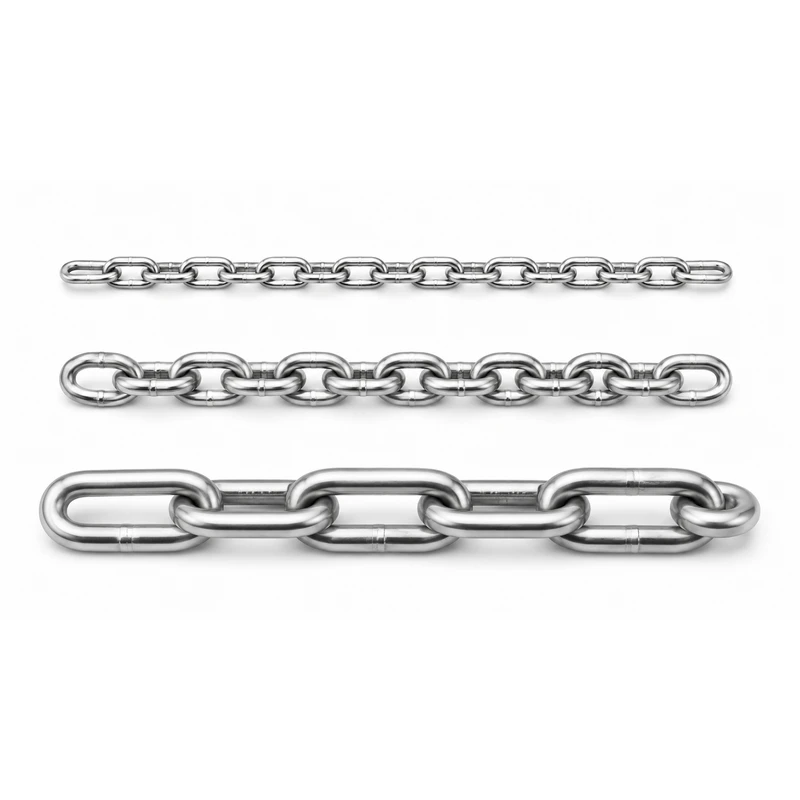
You must inspect lifting equipment at least once a year. If you use lifting equipment in high-risk or harsh conditions, you may need monthly or quarterly checks. Regulations and manufacturer guidelines shape the Lifting Equipment Inspection Frequency.
The table below shows how legal requirements and risk-based assessments impact inspection intervals:
Inspection Frequency | Conditions |
|---|---|
Yearly | Equipment meant for everyday use. |
Monthly/Quarterly | Equipment is subject to severe service/work conditions. |
Customized | Equipment used for special services, as recommended. |
Powerful Machinery supplies certified lifting equipment that meets global standards for safety and compliance.
Key Takeaways
Inspect lifting equipment at least once a year. Increase frequency to monthly or quarterly for high-risk conditions.
Always perform initial and pre-use checks to ensure equipment safety before operation. This helps identify visible damage.
Document all inspections and keep records for at least 48 months. This supports compliance with legal and safety standards.
Adjust inspection schedules based on usage and environmental conditions. Harsh environments require more frequent checks.
Choose certified lifting equipment from trusted brands to ensure safety and compliance with regulations.
Lifting Equipment Inspection Frequency
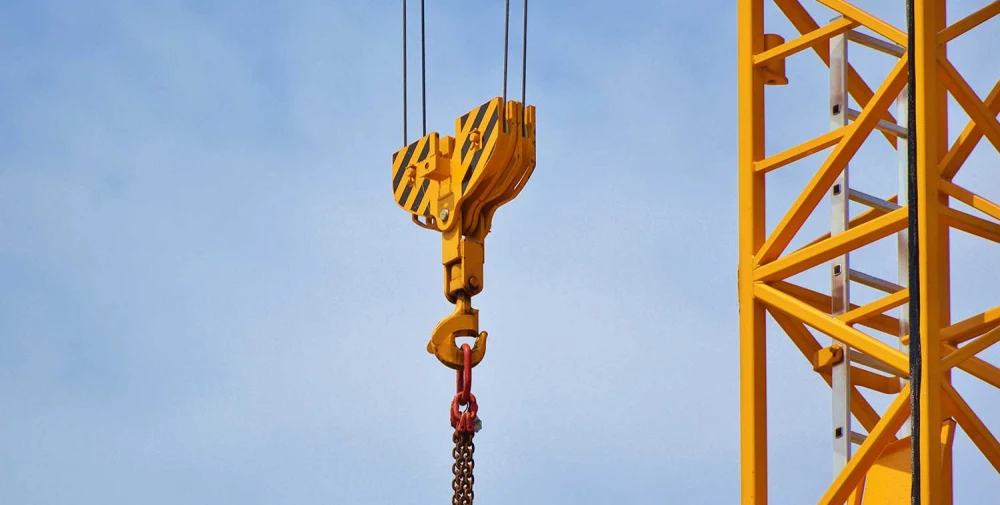
Initial and Pre-Use Checks
You must always start with initial and pre-use checks to ensure your lifting and hoisting equipment operates safely. When you receive new, altered, or repaired lifting equipment, you need to perform an initial inspection. This step confirms that the equipment meets all inspection requirements and is ready for service.
Before each shift, you should also conduct a pre-use check. This process helps you spot any visible damage or issues that could affect safety.
Here is a table that outlines the standard initial and pre-use inspection procedures for lifting equipment:
Inspection Type | Description |
|---|---|
Every Lift Inspection | Visual examination by the operator before and during each lift for deficiencies. |
Frequent Inspection | Visual examinations at defined intervals, with conditions that may constitute a hazard requiring removal from service. |
Periodic Inspection | Documented visual inspection at specified intervals, based on the manufacturer’s instructions and the qualified person’s recommendations. |
You should always verify operator certification, check the validity of the crane’s annual inspection certificate, inspect all wire ropes for broken strands or kinks, test all controls, and check engine oil and hydraulic fluid levels. These steps help you maintain the highest standards for lifting equipment inspection frequency.
Periodic Inspection Intervals
Periodic inspection forms the backbone of a safe lifting and hoisting equipment program. You must schedule these inspections at regular intervals, depending on the type of equipment, its usage, and the environment.
The testing frequency for periodic inspection varies, but you should always follow both regulatory guidelines and manufacturer recommendations.
The table below shows how often you need to inspect different types of lifting equipment:
Type of Inspection | Frequency of Inspection |
|---|---|
Initial Inspection | Upon receiving the rigging hardware, regardless of its condition (new, altered, modified, or repaired). |
Daily/Frequent Inspection | Before each shift or daily, depending on usage, as per OSHA, inspect before use on each shift. |
Periodic Inspection | Annually, or more frequently (quarterly/monthly), based on usage and work conditions. |
For most lifting and hoisting equipment, you should perform a periodic inspection at least once a year. If you operate in severe service conditions, such as extreme heat or heavy use, you may need to increase the testing frequency to quarterly or even monthly.
High-risk equipment, like lifts, often requires a periodic inspection every six months, while low-risk equipment, such as cranes, typically needs an annual check.
Equipment Type | Inspection Interval |
|---|---|
High-risk (e.g., lifts) | Every six months |
Low-risk (e.g., cranes) | Annually |
You must document each periodic inspection and keep records for compliance. This practice ensures you meet all legal and safety standards for lifting equipment testing.
Factors Affecting Frequency
Several factors influence how to determine periodic inspection frequencies for your lifting and hoisting equipment. The frequency of use plays a major role. Equipment used daily or in multiple shifts will need more frequent periodic inspection than equipment used occasionally.
The environment also matters. Harsh conditions, such as dust, moisture, chemicals, or extreme temperatures, can accelerate wear and require you to increase your testing frequency.
Tip: Always adjust your periodic inspection schedule based on a thorough assessment of your equipment’s usage and environment.
Key factors that affect lifting equipment inspection frequency include:
Equipment operating in harsh conditions, such as extreme heat, dust, dirt, or moisture, requires more frequent monitoring.
Equipment that is used more frequently necessitates more regular inspections.
The type and frequency of usage directly influence the inspection needs.
Harsh weather, dust, moisture, or chemicals can accelerate wear and damage to equipment.
The frequency of equipment use is a critical factor in determining inspection needs.
The harshness of service or work conditions significantly affects the need for inspections.
Risk assessment helps you identify potential hazards and determine the right periodic inspection intervals. Regular inspections protect your workers and your investment. By evaluating risks and adjusting your testing frequency, you ensure compliance and maintain safe operations.
Legal Requirements and Standards
OSHA and ASME Guidelines
You must follow strict legal requirements when inspecting lifting equipment. OSHA and ASME set the regulatory standards for inspection frequency and safety. You need to perform an initial inspection before first use to confirm that the equipment meets construction and marking requirements.
OSHA requires daily pre-shift inspections to check for visible damage. ASME guidelines recommend monthly inspections for normal service, weekly for heavy service, and daily for severe conditions.
You must schedule annual thorough assessments to maintain compliance with regulations and relevant work health and safety laws.
Initial inspection before first use
Daily pre-shift checks for visible damage
Monthly, weekly, or daily inspections based on service conditions
Annual comprehensive inspection
LOLER Testing and PUWER
LOLER testing and PUWER testing are essential for workplaces in regions governed by these laws. LOLER mandates that lifting equipment used to lift people must be inspected at least every six months. All lifting accessories also require examination every six months.
Other lifting equipment should be inspected at least annually. New equipment needs a thorough examination before first use unless it has a valid declaration of conformity less than 12 months old. PUWER testing ensures that work equipment is suitable, safe, and maintained in a safe condition.
Equipment Type | Examination Frequency |
|---|---|
Lifting equipment used to lift people | At least every 6 months |
All lifting accessories | At least every 6 months |
All other lifting equipment | At least every 12 months |
You must increase inspection frequency in high-risk situations. These requirements help you comply with relevant work health and safety laws and protect your team.
Manufacturer and Brand Compliance
You should always follow manufacturer recommendations to meet legal requirements and regulatory standards. Using certified products from Powerful Machinery supports compliance with regulations and ensures your lifting equipment operates safely.
Powerful Machinery’s products carry certifications such as ISO9001, TUV Rheinland, and OSHA, which guarantee adherence to international laws. Following ASME guidelines helps you prevent breakdowns and reduce downtime.
Conducting a self-assessment for OSHA and ASME standards is the first step toward compliance. Initiating a compliance plan improves safety and productivity in your lifting operations.
Note: Certified lifting equipment from Powerful Machinery helps you meet legal requirements and maintain compliance with regulations in every industry.
Who Performs Inspections and Record Keeping?
Competent Person Qualifications
You must select a competent person to inspect your lifting equipment. This individual needs industry-standard qualifications and practical experience.
Training from recognized providers, such as the Lifting Equipment Engineers Association (LEEA), ensures inspectors understand equipment principles and inspection methodologies. Inspectors should know health and safety regulations and have hands-on experience with lifting operations.
Qualification Type | Description |
|---|---|
Level 2 NVQ Lifting Technician | A vocational qualification demonstrating competence in lifting operations. |
Level 2 Lifting Technician apprenticeship | An apprenticeship provides practical experience and training. |
SVQ at SCQF Level 7 in Controlling Lifting Operations – Supervising Lifts | A Scottish vocational qualification focusing on supervisory skills in lifting operations. |
Level 7 in Controlling Lifting Operations – Supervising Lifts | Advanced qualification for supervising lifting operations. |
Level 3 Supervising Lifting Operations | A qualification for those overseeing lifting operations. |
Tip: Specialized training programs often last several days and combine classroom instruction with hands-on equipment examination. You gain knowledge in mechanical principles, load calculations, inspection procedures, and regulatory compliance.
Third-Party and Accredited Services
You can choose third-party or accredited inspection services for unbiased assessments. These experts provide objective evaluations and transparency, helping you identify issues early and avoid costly repairs.
Accredited inspectors ensure your equipment meets industry standards and legal requirements. They protect your personnel and business reputation by confirming that your lifting equipment is maintained in a safe condition.
Third-party inspections offer peace of mind about compliance.
Certification from organizations like LEEA guarantees adherence to global standards.
Services cover lifting equipment, hoists, slings, rigging gear, cranes, and accessories.
Inspection Service | Description |
|---|---|
Third-party inspection | Unbiased assessment by external experts to evaluate the safety and compliance of lifting devices. |
Certification | Services certified by LEEA to ensure adherence to global standards. |
Inspection services confirm that your equipment meets national and international standards, enhancing safety and reliability.
Documentation for Compliance
You must keep thorough records to demonstrate compliance with regulations. Documentation includes manufacturer’s certificates, EC Declarations of Conformity, and reports of thorough examination.
You need to document initial inspections for new, altered, or repaired equipment. Record periodic inspections for chain slings, metal mesh slings, below-the-hook devices, and load indicating devices.
Document Type | Description |
|---|---|
Manufacturer’s Certificate | Accompanies new lifting equipment, proving it meets necessary standards and includes specific information. |
EC Declaration of Conformity | Must be provided by the responsible party, ensuring compliance with European standards. |
Report of Thorough Examination | Required for thorough inspections, confirming the equipment’s safety and compliance. |
You must retain inspection records for at least 48 months. Each record should list the items inspected, results, date, and inspector’s signature. The most recent inspection record must always be available. Regular maintenance and risk assessments help you keep your equipment safe and compliant.
Special Cases and Best Practices
Inspections After Repairs or Incidents
You must inspect lifting equipment immediately after any repair or incident. This process helps you confirm that the equipment remains safe and compliant. Follow these steps to ensure thorough post-repair or post-incident inspections:
Examine the equipment visually for signs of wear, damage, or missing fasteners. Check that all labels and markings are clear.
Test all operational controls, safety devices, and emergency stop functions to verify proper performance.
Record your findings using standardized forms. Accurate documentation ensures consistency and supports future compliance.
Tip: Always use certified inspectors for post-repair checks to maintain the highest safety standards.
Adjusting Frequency for Usage and Environment
You need to adjust inspection schedules based on how often you use your equipment and the environment in which it operates. Equipment exposed to dust, mud, or extreme temperatures wears out faster and needs more frequent checks. In harsh conditions, inspect your lifting gear daily or before each use.
For severe service, conduct hands-on inspections before every shift.
Daily inspections are essential for equipment in tough environments.
Always check for defects or damage before each use.
Adapt inspection intervals to match job requirements and operating conditions.
Usage Pattern (Lift Cycles per Week) | Inspection Frequency |
|---|---|
1 – 5 | Every 12 months |
6 – 25 | Every 6 months |
26 – 200 | Every 3 months |
200+ | Monthly |
Synthetic Slings | Every 3 months |
Height Safety Equipment | Every 6 months |
Choosing Reliable Lifting Equipment
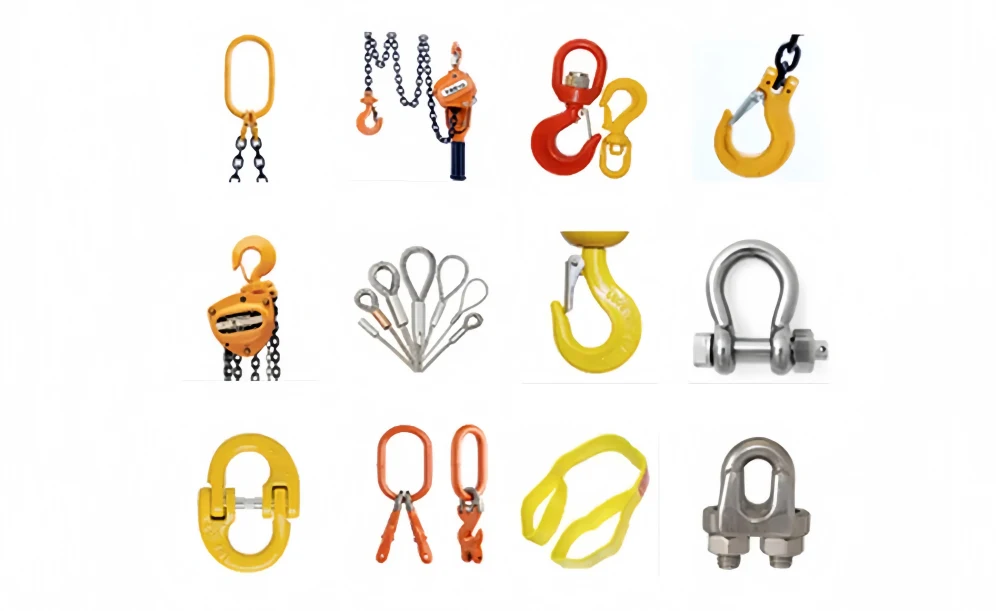
Selecting reliable lifting equipment supports effective inspection schedules and long-term safety. You should choose products that meet recognized safety standards and come with full certification.
Powerful Machinery offers certified lifting chains, wire ropes, and rigging hardware that comply with ASME, OSHA, and international standards.
Criteria for Selection | Description |
|---|---|
Regular Inspections | Frequent checks ensure ongoing safety and compliance. |
Compliance with Safety Regulations | Equipment meets strict workplace safety standards. |
Competent Personnel for Inspections | Accredited engineers verify safety and compliance. |
Registration of Equipment | Certified gear receives proper registration and documentation. |
Maintenance Records | Transparent records support safety and regulatory requirements. |
Powerful Machinery provides expert support for inspection schedules and custom solutions. Consult with Powerful Machinery to ensure your lifting equipment meets all safety and compliance needs.
Conclusion
You protect the safety of workers and your business by scheduling regular, risk-based inspections. Certified lifting equipment from trusted brands like Powerful Machinery helps you meet legal requirements and maintain safety and compliance. The table below highlights why inspections matter:
Key Takeaway | Description |
|---|---|
Increased Risk of Accidents and Injuries | Inspections reduce hidden faults, protecting the safety of workers. |
Legal and Regulatory Penalties | Compliance prevents fines and legal action. |
Loss of Insurance Cover | Inspections support insurance claims. |
Higher Maintenance and Repair Costs | Early detection lowers repair expenses. |
Disruption and Downtime | Planned checks minimize delays. |
Keep thorough inspection records to identify defects early.
Maintain documentation to support the ongoing safety of workers and regulatory compliance.
FAQ
How often should you inspect lifting chains and wire ropes?
You should inspect lifting chains and wire ropes before each use and schedule a thorough inspection at least once a year. Increase inspection frequency if you use equipment in harsh environments or for heavy-duty tasks.
Who can perform lifting equipment inspections?
A competent person with proper training and experience must perform inspections. You can also hire third-party accredited inspectors for unbiased assessments and certification.
What records do you need to keep for compliance?
You must keep inspection reports, certificates, and maintenance records for at least 48 months. Always include the date, inspector’s name, and details of findings.
What signs indicate lifting equipment needs immediate inspection?
Visible cracks or deformation
Unusual noises during operation
Worn or damaged labels
Frayed wire ropes or chains
If you notice any of these, stop using the equipment and inspect it right away.