You want to know about safety when lifting. The answer depends on your application, environment, and maintenance practices. Powerful Machinery provides both steel wire rope and lifting chains, each with unique safety benefits.
When you compare Wire Rope vs Chain for Lifting and Rigging, you must consider load capacity, repairability, and cost. Your decision affects safety and compliance in every lift.
Key Takeaways
Choose the right lifting equipment based on load capacity and environmental conditions to ensure safety and efficiency.
Regularly inspect wire ropes and lifting chains before each use to catch signs of wear or damage early.
Understand the differences in failure modes: wire ropes can fail suddenly, while chains show gradual wear, allowing for timely repairs.
Follow safety standards and compliance guidelines to protect your team and maintain equipment reliability.
Invest in training for operators to ensure safe lifting practices and proper equipment usage.
Wire Rope vs Chain for Lifting and Rigging: Safety Overview
Construction and Failure Modes
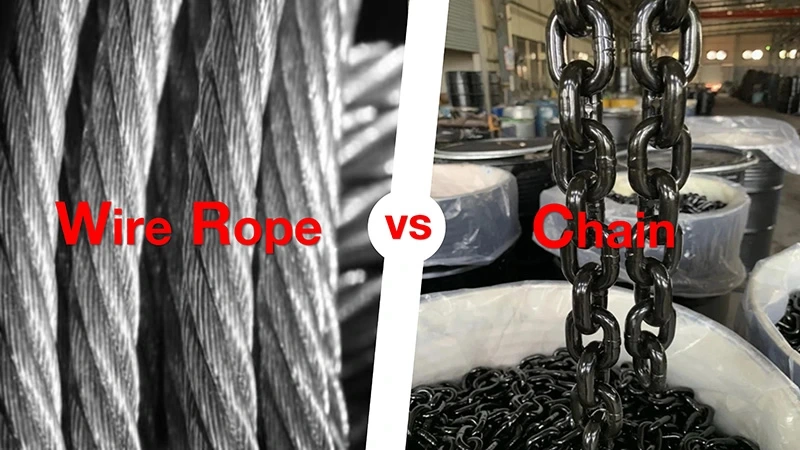
When you compare wire rope vs chain for lifting and rigging, you notice clear differences in construction and how each responds to stress. Steel wire ropes from Powerful Machinery use multiple strands of high-grade steel wires twisted together.
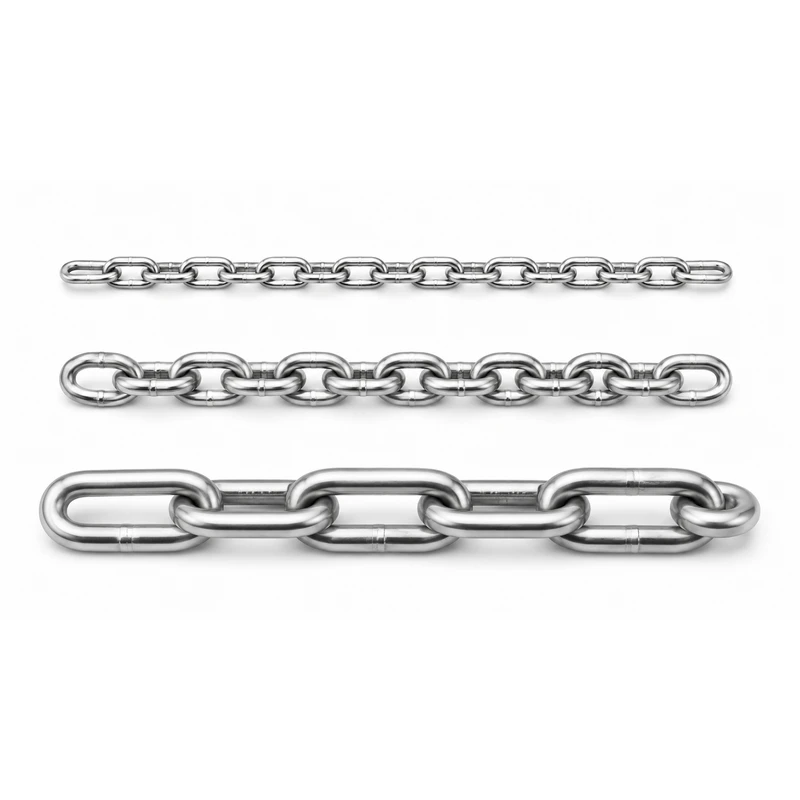
This design gives wire ropes high tensile strength and flexibility, which is essential for many rigging tasks. Lifting chains, on the other hand, consist of interlocking metal links. Chains offer exceptional strength and can handle heavier loads with ease.
Here is a side-by-side comparison of key features:
Feature | Steel Wire Rope | Lifting Chains |
|---|---|---|
Strength | Less robust, susceptible to kinks and deformation | Exceptional strength, handles heavier loads |
Durability | More prone to corrosion and wear | Superior durability, resists wear and corrosion |
Maintenance | Requires frequent lubrication and inspections | Low maintenance, easy to inspect for damage |
Safety | Higher likelihood of abrupt failure | A gradual wear pattern allows for early detection |
Inspection Ease | Complex construction makes thorough inspection hard | Straightforward to inspect, with obvious signs of damage |
Repair | Difficult to repair | Easy to repair with inexpensive links |
Wire ropes can fail suddenly if you do not maintain them properly. Kinks, broken wires, or corrosion can weaken the rope and lead to abrupt failure.
Chains usually show gradual wear, such as stretching or deformation of links, which you can spot early during inspection. This difference in failure modes impacts safety during lifting and rigging operations.
Risk Factors and Injuries
You face several potential risks when using wire ropes or lifting chains for rigging. Wire ropes are sensitive to mechanical stresses and environmental conditions. Improper handling, such as bending the rope at sharp angles or exposing it to rough surfaces, increases the risk of failure.
If you exceed the safe working load or ignore regular inspections, you raise the chance of injuries.
Common risk factors for wire ropes include:
You must inspect wire ropes before each use.
Never exceed the safe working load.
Avoid twisting or bending the rope at sharp angles.
Prevent contact with sharp edges and rough surfaces.
Lifting chains also require careful attention, but their construction makes it easier to detect wear and damage. Chains rarely fail without warning. You can often see stretched or deformed links before a problem becomes critical. However, if you ignore these signs, injuries can still occur.
Injuries from wire ropes often result from sudden failure. Broken wires can whip back and cause severe injuries to workers. Chains, when overloaded or damaged, can also break, but the gradual wear pattern usually gives you time to act.
Both wire ropes and chains require strict adherence to safety protocols to minimize injuries. You must always follow best practices for lifting and rigging to reduce potential risks.
Tip: Always use gloves and eye protection when handling wire ropes or chains. This simple step helps prevent injuries during inspection and operation.
Safety Standards and Compliance
Safety remains the top priority in lifting and rigging. Powerful Machinery ensures that both steel wire ropes and lifting chains meet or exceed international safety standards. These standards set strict requirements for design, construction, inspection, and maintenance.
For wire ropes, you should look for compliance with standards such as:
Standard | Description |
|---|---|
ISO 4309 | Addresses wire rope care, maintenance, inspection, and discard procedures. |
ISO 16881 | Provides safety recommendations for steel wire ropes. |
For lifting chains, the following standards apply:
Standard | Description |
|---|---|
ASME B30 | Covers design, construction, use, inspection, and maintenance of lifting equipment. |
Powerful Machinery’s products carry certifications that guarantee safety and reliability:
Certification | Description |
|---|---|
ISO 9001 | Quality management systems for safety compliance. |
ASME B30.9 | Safety standards for slings and lifting devices. |
OSHA | Occupational safety regulations for workplace safety. |
TUV Rheinland | Certification for product safety and reliability. |
You benefit from these certifications because they ensure every wire rope and chain from Powerful Machinery meets the highest safety standards. This commitment to compliance reduces the risk of injuries and improves performance in every lifting and rigging operation.
When you choose between wire rope vs chain for lifting and rigging, always consider how each product’s construction, failure modes, and compliance with safety standards affect your operation. Your decision directly impacts the safety of your team and the success of your project.
Inspection and Maintenance for Long-Term Safety
Wire Rope Inspection and Replacement
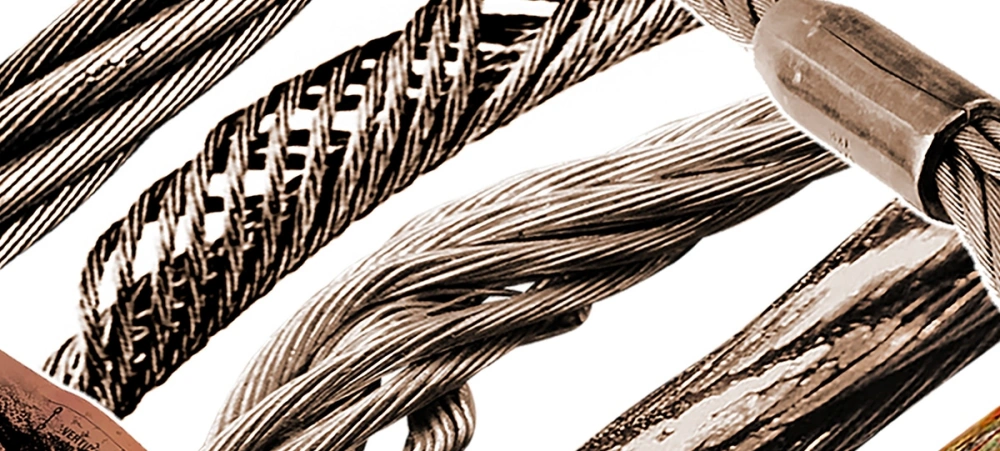
You must inspect steel wire rope regularly to ensure safe lifting operations. Start with daily visual checks before each use. Look for broken wires, kinks, or any signs of wear. Schedule periodic inspections at least once a year for normal service. If you work in severe conditions, increase the frequency to monthly or quarterly.
Replace the wire rope if you find six broken wires in one lay, one protruding wire, or wear that exceeds one-third of the original diameter. Remove ropes with kinking, crushing, heat damage, or a diameter reduction beyond 10%. Ignoring these signs can lead to equipment damage or project downtime.
Inspection Checklist for Steel Wire Rope:
Six broken wires in one lay or three in one strand
One outer wire is broken and sticking out
Wear over one-third of the wire’s original diameter
Kinking, crushing, or distortion
Heat damage or discoloration
Valley breaks or loss of core support
Chain Inspection and Repair
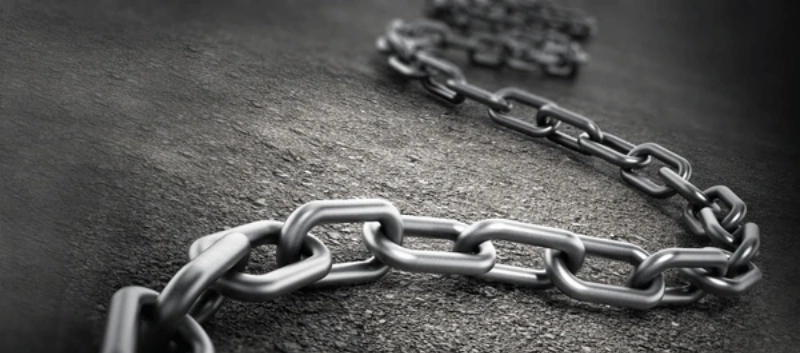
Lifting chains also require routine inspection. Perform daily visual checks and remove any chain from service if you see damage. Use certified parts and always follow manufacturer guidelines for repairs.
For complex repairs, consult professional services to maintain safety compliance. Regular inspection and prompt repair help you avoid unexpected failures and keep your lifting operations safe.
Chain Maintenance Tips:
Inspect for stretched, bent, or cracked links
Remove chains with visible damage
Use only certified replacement parts
Seek expert help for major repairs
Maintenance Best Practices
Proper maintenance extends the lifespan of your lifting equipment and reduces safety risks. A heavy manufacturing facility that implemented a detailed rigging maintenance program saw a 35% increase in sling lifespan and a 40% decrease in downtime.
Safety incidents dropped to zero. Industry authorities recommend three types of inspections: initial use, frequent checks, and periodic inspections. Always identify damage or excessive wear before it leads to accidents.
Powerful Machinery stands behind every product with a commitment to quality and reliability. You can trust their steel wire rope and lifting chains to perform safely when you follow recommended inspection and maintenance routines.
Application Safety: Choosing Wire Rope or Lifting Chains
Capacity and Load Requirements
You must match the right equipment to your lifting needs. Start by considering the load capacity and the type of load you plan to move. Powerful Machinery offers steel wire rope and lifting chains, each with unique strengths for different rigging applications. Use the table below to compare key factors:
Factor | Steel Wire Rope | Lifting Chains |
|---|---|---|
Load Characteristics | Handles dynamic loads and bending well | Excels with static, heavy loads and high heat |
Load Capacity | High, but best for flexible or moving loads | Superior for heavy lifting and static loads |
Safety Margins | 5:1 above working load limit | 4:1 above working load limit |
Regulatory Compliance | ISO 4309 | ASME B30.9 |
You should always check the rated load capacity before every lift. Never exceed the working load limit. For heavy lifting or when you need maximum load-handling performance, lifting chains provide unmatched strength and durability. Steel wire rope works best for dynamic loads or when flexibility is important.
High-Heat and Corrosive Environments
Environmental conditions play a major role in your choice. In harsh environments, such as coastal areas or chemical plants, both steel wire rope and lifting chains face unique challenges. Outdoor conditions, humidity, and pollutants can weaken metal surfaces over time.
Salt-laden air and industrial chemicals accelerate corrosion. Powerful Machinery offers corrosion-resistant coatings for both products, ensuring reliable performance under load even in the toughest settings. Always select equipment designed for your specific environment to maintain safety and extend service life.
Tip: Regularly inspect and maintain your lifting chains and wire ropes to prevent corrosion and ensure consistent performance under load.
Confined Spaces and Dynamic Loads
Confined spaces and dynamic loads require special attention. You must inspect all equipment before each lift. Look for broken wires, crushed strands, or deformed links. Never exceed the rated load capacity or use equipment outside the manufacturer’s specifications.
Store lifting chains and wire ropes in clean, dry areas to prevent corrosion. Lubricate regularly to reduce wear and maintain load-handling performance. Powerful Machinery’s products meet strict international standards, giving you confidence in every lift.
Choosing between steel wire rope and lifting chains depends on your load, capacity, and environment. Evaluate your needs carefully to ensure safe, efficient lifting operations.
Durability, Cost, and Hidden Risks
Initial vs Lifecycle Cost
When you evaluate lifting equipment, you must look beyond the initial purchase price. The real value comes from understanding the total cost over the product’s entire service life. Lifting chains from Powerful Machinery often prove more cost-effective in the long run.
You can replace individual links or components, which lowers maintenance costs and extends the chain’s usable life. Steel wire rope, by contrast, usually requires full replacement if you find significant damage, leading to higher lifecycle costs.
Lifting chains offer lower ongoing costs due to simple inspections and minimal lubrication needs.
Wire rope hoists need more frequent maintenance, including drum alignment and sheave replacement, which increases expenses over time.
Choosing the right product helps you control costs and maintain safety throughout your operation.
Repairability and Longevity
Repairability plays a major role in both safety and durability. You can easily repair lifting chains by replacing damaged links, which keeps your equipment in service longer and reduces downtime.
Steel wire rope, however, must be removed from service if you detect damage, since repairs are not possible. This impacts both safety and longevity.
Feature | Steel Wire Rope | Lifting Chains |
|---|---|---|
Repairability | Lower; must be removed if damaged | Higher can be repaired with links |
Safety Impact | Affects safety due to the inability to repair | Enhances safety with easy repairs |
Longevity Impact | Reduced longevity due to strict removal | Increased longevity with repair options |
You benefit from the ability to repair chains, especially in demanding environments where durability in harsh conditions is essential.
Detecting Hidden Damage
Hidden damage can threaten the safety of your lifting operations. Corrosion is a common issue for both steel wire rope and lifting chains. You may not always see this damage during a quick inspection.
Advanced detection methods, such as magnetic flux leakage and high-precision sensors, help you find broken wires or deformed links that are not visible to the naked eye. Three-dimensional imaging also provides a detailed view of internal damage, especially in wire rope strands.
Corrosion weakens both chains and wire ropes over time.
Magnetic flux leakage and high-precision sensors can detect hidden flaws with great accuracy.
Regular visual inspections remain important, but advanced technology gives you extra confidence in your equipment’s integrity.
Tip: Schedule regular inspections and use advanced detection tools to catch hidden damage early. This practice protects your team and extends the life of your lifting equipment.
Chain vs Wire Rope: Selection Guidance: Wire Rope vs Chain
Assessing Job Needs
You must start by evaluating your lifting and rigging requirements before deciding on wire rope vs chain. Follow these steps to ensure you select the safest and most effective option from Powerful Machinery:
Identify the weight of your load and the lifting equipment’s capacity.
Check the diameter and construction of the wire rope for flexibility and abrasion resistance.
Choose end fittings that match the load’s shape and weight.
Measure the correct length of the sling for stability and safety.
Review environmental factors such as temperature and moisture that could affect performance.
Inspect all equipment for wear and tear before each use.
Tip: A thorough assessment helps you avoid costly mistakes and ensures compliance with safety standards.
Matching Product to Application
Selecting between wire rope and chain depends on your application and the unique features of each product. Use the table below to compare key factors and certifications:
Feature | Wire Rope | Chain |
|---|---|---|
Repairability | Must remove if damaged | Can repair with replacement links |
Inspection | Damage may be hard to spot | Easy to inspect; elongation signals overload |
Durability | Prone to abrasion and kinking | Resists corrosion and chemical damage |
High-Temperature Suitability | Limited | Suitable for high temperatures (grade-specific) |
Weight | Lighter, easier to handle | Heavier, may increase equipment wear |
Cost | Usually less expensive | Higher initial cost, longer service life |
Organization | Description |
|---|---|
WSTDA | Sets standards for slings and hardware |
ASME | Provides technical standards for lifting hardware |
OSHA | Enforces workplace safety codes |
MCAA | Publish safety resources for contractors |
CMAA | Offers guidance for crane operators |
You should always match the product’s features and certifications to your specific lifting needs. This approach ensures you get the best performance and safety from Powerful Machinery’s wire rope vs chain options.
Training and Safe Use
Proper training and compliance are essential when using wire rope vs chain. You must:
Select the right sling based on load and lifting conditions.
Inspect equipment before every use for signs of damage.
Never exceed the working load limit.
Ensure all operators receive training in safe lifting practices.
Follow manufacturer guidelines and industry standards.
Note: Training helps you understand product specifications, such as strength and fatigue limits. Compliance with safety codes prevents accidents and keeps your team safe.
When you compare wire rope vs chain, remember that both require regular inspections, proper usage, and ongoing education. Your commitment to safety and compliance will protect your team and extend the life of your lifting equipment.
Conclusion
You improve safety when you choose certified steel wire rope and lifting chains from Powerful Machinery. These products meet strict standards and offer durability, repairability, and visual overload indicators. To select the safest solution:
Assess your job’s load, environment, and sling type.
Inspect equipment before every use.
Train your team and maintain clear communication.
Regular inspection and ongoing maintenance reduce accidents and extend equipment life. Compliance with safety standards protects your team and your investment.
Maintenance Focus | Benefit |
|---|---|
Routine inspections | Early detection of unsafe conditions |
Documentation | Proof of compliance and safety readiness |
FAQ
What is the main safety difference between wire rope and lifting chains?
You will notice that wire rope can fail suddenly if damaged, while lifting chains usually show visible wear before breaking. Chains provide easier inspection and repair, which helps you maintain a safer lifting environment.
How often should you inspect wire rope and lifting chains?
You should inspect both before every use. Schedule periodic inspections based on usage and environment. For heavy-duty or harsh conditions, increase inspection frequency. Always follow manufacturer guidelines for best results.
Can you use wire rope and chains in corrosive or high-heat environments?
You can use both in challenging environments if you select the right grade and finish. Powerful Machinery offers corrosion-resistant coatings and high-temperature-rated chains. Always match the product to your specific application.
How do you know when to replace a wire rope or a lifting chain?
Look for broken wires, kinks, or reduced diameter in the wire rope. For chains, check for stretched, bent, or cracked links. Remove any equipment from service if you see these signs. Safety comes first.
Does Powerful Machinery provide certified lifting solutions?
Yes. Powerful Machinery supplies steel wire rope and lifting chains that meet or exceed international safety standards. You can trust their certifications for reliable performance in demanding applications.