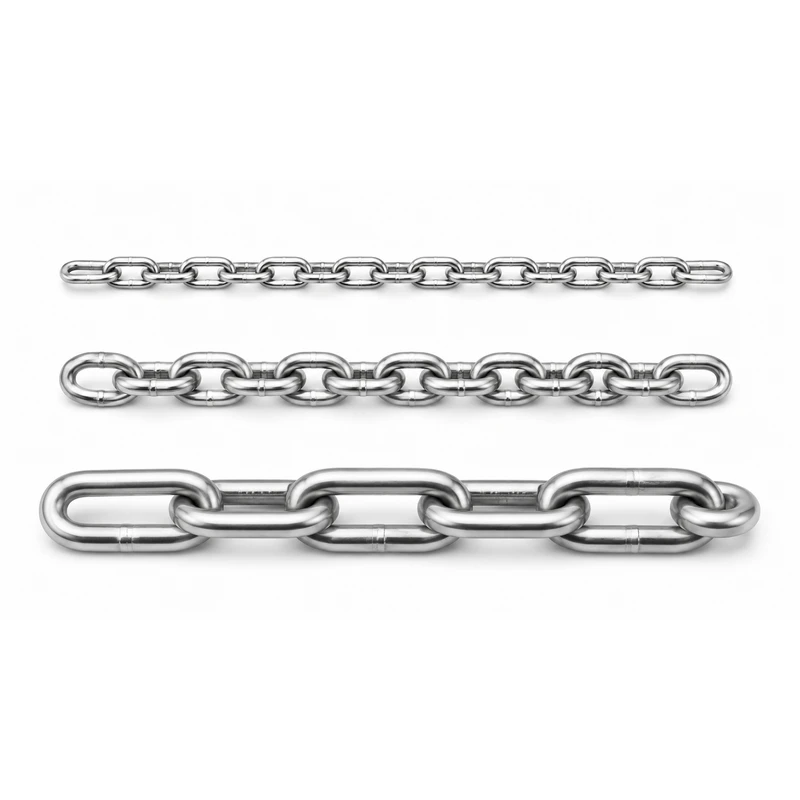
You face a critical choice when comparing Aircraft Cable vs Wire Rope. Your selection directly impacts safety and performance in demanding environments. Industry studies show that high-strength steel wire ropes offer durability but can suffer from corrosion and fatigue, increasing the risk of sudden failure.
Coatings and lubricants help extend service life. Powerful Machinery delivers certified lifting solutions you can trust, with every product engineered for reliability and compliance with international standards.
Aspect | Details |
|---|---|
Material | Wire ropes use high-strength steel, which can corrode without protection. |
Degradation | Fractures, wear, and oxidation can lead to safety risks. |
Corrosion Impact | Corrosion weakens mechanical properties, raising failure risk. |
Mitigation | Coatings and lubricants reduce corrosion and extend lifespan. |
Key Takeaways
Understand the key differences between aircraft cable and wire rope. Aircraft cable is more flexible and suitable for lighter loads, while wire rope is stronger and ideal for heavy-duty applications.
Choose the right material based on your environment. Stainless steel offers high corrosion resistance for harsh conditions, while galvanized options provide moderate protection at a lower cost.
Consider the construction type. Aircraft cable typically uses twisted wires for flexibility, while wire rope offers various core designs that affect strength and flexibility.
Always prioritize safety. Ensure the cable meets the required factor of safety for your application, especially for overhead lifting and critical systems.
Consult with experts when in doubt. Engaging with knowledgeable suppliers can help you select the best cable for your specific needs and ensure compliance with safety standards.
Aircraft Cable vs Wire Rope: Key Differences
When you compare aircraft cable vs wire rope, you see important differences that affect safety, flexibility, and performance. Your choice depends on the specific demands of your project. Let’s break down the main factors that set these two products apart.
Construction & Core Design
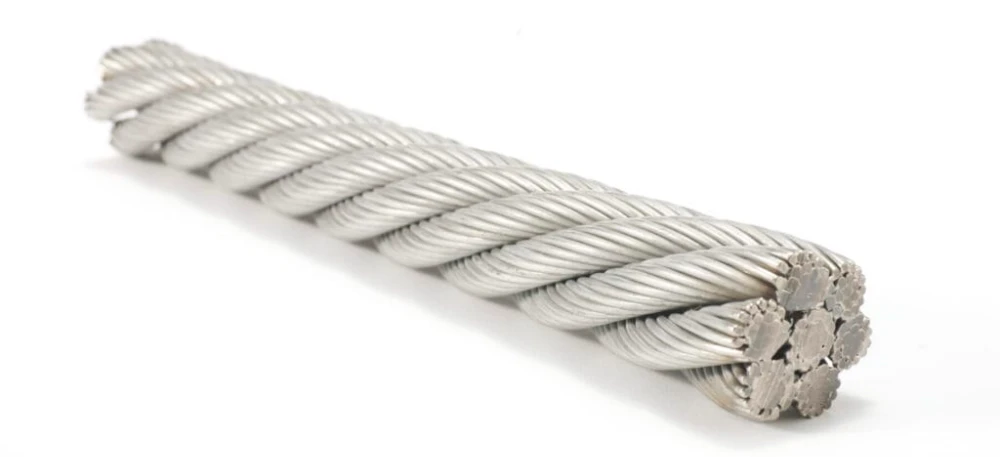
You notice the first difference in the construction of each product. Aircraft cable uses a series of small-diameter wires twisted together, often in patterns like 7×7 or 7×19.
This design gives you a balance of flexibility and strength. Most aircraft cable features a steel core, which helps it resist bending fatigue and provides moderate corrosion resistance.
Wire rope, on the other hand, offers more variety in construction. You can choose from independent wire rope cores or fiber cores. An independent wire rope core increases strength and resists crushing and heat, but it makes the rope less flexible.
A fiber core gives you a rope that stands up under pressure and remains more flexible than steel cores.
Here’s a quick look at how core types affect performance:
Core Type | Strength Characteristics | Flexibility Impact |
|---|---|---|
Independent Wire Rope Core | Increased strength, strong resistance to crushing, withstands excessive heat | Slight decrease in flexibility, increased weight |
Fiber Core | Extremely hard rope, stands up under high pressure | Generally, more flexible than steel cores |
Aircraft cable vs wire rope construction impacts how you use each product. For example, a 7×19 electro galvanized aircraft cable offers excellent bending fatigue resistance and high flexibility, making it ideal for pulleys and winches.
Materials & Coatings
You must consider materials and coatings when choosing between aircraft cable vs wire rope. Aircraft cable often uses stainless steel or galvanized carbon steel. Stainless steel gives you high corrosion resistance and strength, which is perfect for harsh environments like marine or chemical settings.
Galvanized carbon steel provides good strength and moderate corrosion resistance at a lower cost.
Wire rope also comes in bright carbon steel, galvanized, or stainless steel options. Bright carbon steel is strong and flexible, but needs extra protection against corrosion.
Galvanized wire rope has a zinc coating for added durability in industrial areas. Stainless steel wire rope stands up best in saltwater or chemical environments.
Here’s a summary of common materials:
Material | Corrosion Resistance | Strength | Cost Consideration | Additional Notes |
|---|---|---|---|---|
Stainless Steel | High | High | Higher cost | Types 302, 304, 305, 316,and 321 are common |
Galvanized Carbon Steel | Moderate | High | Lower cost | Zinc coating for protection |
Bright Carbon Steel | Low (unless treated) | High | Cost-effective | Needs coating for corrosion resistance |
Size Range & Flexibility
You find that aircraft cable vs wire rope also differs in size range and flexibility. Aircraft cable usually comes in smaller diameters, making it suitable for lighter loads and applications where flexibility matters most.
The 7×7 construction gives you moderate flexibility and strength, while 7×19 construction increases flexibility for use in pulley systems and winches. If you need a stiffer cable, 1×19 construction works well for structural support.
Wire rope covers a broader range of diameters and strengths. You can select heavy-duty options for lifting, rigging, and hoisting in construction or marine industries. The core and strand configuration determines how flexible or stiff the wire rope will be.
Here’s a quick reference for flexibility and common uses:
Strand Type | Composition | Features | Common Uses |
|---|---|---|---|
7×7 | 7 strands, 7 wires each | Moderate flexibility, strong | Medium-duty lifting, rigging |
7×19 | 7 strands, 19 wires each | More flexible, higher strength | Pulleys, winches, suspension bridges |
1×19 | 1 strand, 19 wires | Stiff, less flexible, very strong | Guy wires, structural applications |
Comparison Table: Features & Uses
To help you decide, here’s a side-by-side comparison of aircraft cable vs wire rope:
Feature/Aspect | Aircraft Cable | Wire Rope |
|---|---|---|
Construction | 7×7, 7×19, 1×19 strand patterns | Multiple strand/core types (IWRC, fiber, etc.) |
Core Design | Steel core (most common) | Steel or fiber core |
Materials | Stainless steel, galvanized carbon steel | Bright, galvanized, or stainless steel |
Flexibility | High (especially 7×19) | Varies (from flexible to stiff, based on design) |
Size Range | Small to medium diameters | Small to very large diameters |
Typical Uses | Control cables, pulleys, winches, safety ties | Lifting, rigging, hoisting, construction, and marine |
Corrosion Resistance | High (stainless), moderate (galvanized) | High (stainless), moderate (galvanized), low (bright) |
Cost | Lower for galvanized, higher for stainless | Varies by material and size |
PowerFul Machinery’s certified wire rope products meet strict international standards. You benefit from rigorous quality control, comprehensive testing, and a reputation for reliability in construction, marine, and material handling industries.
When you evaluate aircraft cable vs wire rope, focus on your application’s load requirements, flexibility needs, and environmental conditions. Powerful Machinery stands ready to help you select the right certified solution for your project.
Aircraft Cable Features & Materials
Construction Patterns (7×7, 7×19)
You see two main types of aircraft cable construction: 7×7 and 7×19. These patterns affect how you use the cable in aircraft and other applications. The 7×7 construction gives you moderate flexibility and good strength, making it suitable for static aircraft cable uses like control cables or guy wires.
The 7×19 construction offers high flexibility and superior fatigue resistance, which works best for dynamic aircraft cable applications such as winch lines or fitness equipment.
Feature | 7×7 Construction | 7×19 Construction |
|---|---|---|
Flexibility | Moderately flexible | Highly flexible |
Fatigue Resistance | Adequate for limited movement | Superior for high-cycle loading |
Abrasion Resistance | Larger wires, better wear resistance | More vulnerable to abrasion |
Strength | Comparable ultimate strengths | Comparable ultimate strengths |
Best Applications | Static control cables, guy wires | Winch lines, fitness equipment cables |
Stainless Steel & Galvanized Options
You choose between stainless steel and galvanized aircraft cable based on your environment and performance needs. Stainless steel aircraft cable resists corrosion well, so you can use it in harsh or marine settings.
Galvanized aircraft cable gives you strong performance and easier inspection, making it a popular choice for general aviation. Both materials provide high strength, but you notice that galvanized cable offers greater fatigue strength and flexibility.
Coated Aircraft Cable: PVC vs Nylon
You often select coated aircraft cable for extra protection and durability. PVC-coated aircraft cable stands out for weather resistance, cost-effectiveness, and low maintenance.
Nylon-coated aircraft cable excels in high-temperature and high-impact environments, offering high tensile strength. You use PVC-coated cable for outdoor or electrical applications, while nylon-coated cable fits high-stress or indoor uses.
Property | PVC | Nylon |
|---|---|---|
Weather Resistance | Excellent | Moderate |
Cost-Performance | Good | Moderate |
Chemical Resistance | Very good | Poor |
Thermal Stability | Limited | High |
Impact Resistance | Moderate | High |
Aviation & General Uses
You rely on aircraft cable for many aircraft and non-aircraft applications. In aviation, you use it for control cables, tie-downs, and safety lanyards. Outside of aircraft, you find aircraft cable in fitness equipment, garage doors, and marine rigging.
Coated aircraft cable protects against abrasion and extends service life in these demanding environments.
Safety Factors & Termination
You must follow strict safety factors when working with aircraft cable. Proper field termination ensures the cable performs safely under load. You use correct enclosure materials, effective gasketing, and proper cable shield termination to maintain safety.
Powerful Machinery tests every aircraft cable to international standards, so you can trust the strength and reliability in every application.
You gain peace of mind knowing that Powerful Machinery’s aircraft cable construction and materials meet or exceed ISO and industry standards. You get certified quality for every aircraft cable order.
Wire Rope Features & Materials

Strand Configurations & Core Types
You encounter many strand configurations and core types when selecting wire rope for your project. Each design influences mechanical properties and application suitability. For example, centerless wire rope maximizes fatigue resistance, while Seale construction improves abrasion resistance.
You can choose between fiber cores for flexibility or independent wire rope cores for strength. The table below helps you compare these options:
Strand Configuration | Description | Mechanical Properties | Application Suitability |
|---|---|---|---|
Centerless | All wires of identical diameter are twisted together. | Maximizes fatigue resistance. | Cable assemblies requiring uniformity and surface contact. |
Single Layer | Wires wrapped around a single core wire. | Enhances strength and flexibility. | Overhead electrical conductors, suspension bridges. |
Multiple Layer | Concentric wire layers for optimal contact. | Increases crush resistance. | Heavy-duty winches and cranes. |
Seale | Smaller wires wrap the core, larger ones on the outside. | Improves abrasion resistance. | Elevator cables and high-surface pressure applications. |
Warrington | Alternating wire sizes for load distribution. | Balances flexibility and durability. | Cranes and suspension cables. |
Filler | Identical size wires with filler wires. | Maximizes strength and load capacity. | Tasks requiring impact resistance. |
Flattened | Core of three round wires, outer pressed flat. | Exceptional strength and fatigue performance. | Mining and heavy lifting operations. |
Core Types | Varies from fiber to IWRC. | Impacts strength and flexibility. | General-purpose hoisting and load-bearing. |
Steel Wire Rope Materials & Engineering
You benefit from advanced engineering in steel wire rope materials. Manufacturers use hybrid ropes with compacted strands to enhance breaking strength and fatigue resistance.
Multi-layer construction increases durability under cyclical loads. Non-rotating designs prevent twisting, which ensures stability during vertical hoisting. The 18×19 construction balances strength and fatigue resistance, making it ideal for repetitive lifting cycles.
Advancement Type | Description |
|---|---|
Hybrid Ropes with Compacted Strand | These ropes enhance breaking strength and fatigue resistance through innovative manufacturing. |
Multi-layer Construction | Increases fatigue resistance by providing additional support and durability under cyclical loads. |
Non-rotating Designs | Prevents twisting under load, ensuring stability and safety during vertical hoisting. |
18×19 Construction | Balances strength and fatigue resistance, ideal for repetitive lifting cycles. |
Non-Rotating Design & Configurations
You improve safety and performance in lifting operations by choosing non-rotating wire rope. This design minimizes load spin and enhances load stability. Strands wound in opposing directions counteract torque, which reduces the risk of accidents.
You also extend the lifespan of both the wire rope and your lifting equipment.
Non-rotating wire rope design minimizes load spin, which enhances load stability during lifting operations.
The construction of the rope, with strands wound in opposing directions, counteracts torque, reducing the risk of accidents.
This design extends the lifespan of both the wire rope and associated lifting equipment.
Heavy-Duty Applications & Safety
You rely on wire rope for demanding applications such as elevators, cranes, mining, and marine operations. Each environment requires strict safety protocols. You must handle, install, and inspect wire rope regularly to prevent failure. The table below outlines common applications and required safety measures:
Application | Safety Protocols |
|---|---|
Elevators and Lifts | Proper handling, installation, and regular inspections are crucial for safety. |
Logging and Forestry | Regular inspections and adherence to load limits are essential to prevent failure. |
Cranes | Must follow proper termination methods and load limits to ensure safety. |
Construction | Requires regular maintenance and inspections to identify potential issues. |
Marine | Must ensure proper handling and storage to prevent corrosion and wear. |
Mining | Regular checks for wear and adherence to load limits are necessary. |
Drilling | Proper installation and handling are critical to prevent accidents. |
Certifications & Reliability
You gain confidence in wire rope reliability by choosing products that meet international standards. Powerful Machinery ensures compliance with ISO 2408, EN 12385, and DIN 3060. Third-party certifications from organizations like TÜV and SGS confirm that you receive high-performance wire ropes for critical operations.
ISO 2408 sets tensile strength requirements for steel wire ropes.
EN 12385 establishes standards for construction and testing.
DIN 3060 provides standards for wire rope construction.
Third-party certifications from TÜV and SGS ensure compliance.
You secure safety and reliability when you select wire rope from Powerful Machinery. Every product undergoes rigorous testing and meets global standards for demanding environments.
Choosing the Right Cable for Your Needs
Application-Based Selection Guide
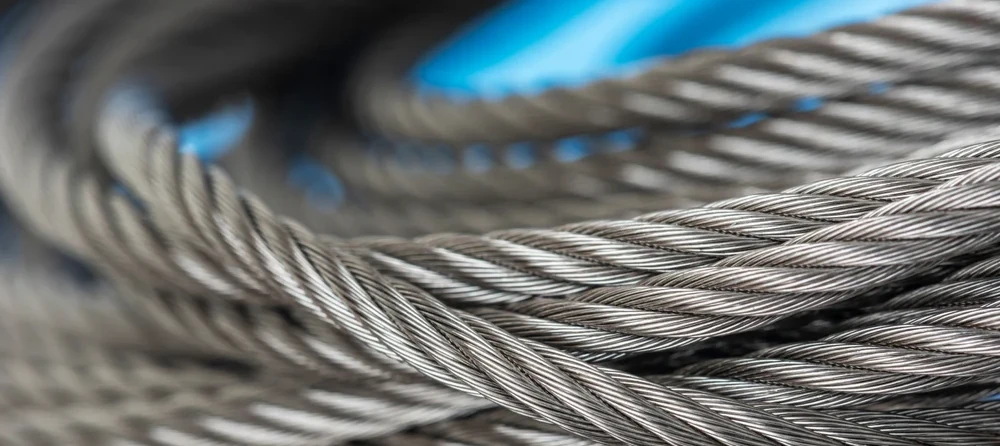
You must match the cable type to your specific applications to ensure safety and performance. Each project has unique requirements, so you need to consider several factors before making a decision. Start by identifying the load, environment, and system demands.
For example, if you work with lifting or rigging in construction, you need a cable rated for overhead lifting. In aviation, you must select cables for aircraft applications, such as landing gear cables or control systems.
The table below helps you compare key factors when choosing between aircraft cable and wire rope for different applications:
Factor | Aircraft Cable | Wire Rope |
|---|---|---|
Strength | Generally less strong than wire rope | Significantly stronger, designed for heavy-duty applications |
Flexibility | Thinner and more flexible | Less flexible, but can accommodate various configurations |
Abrasion Resistance | More prone to wear and tear | Generally less vulnerable to abrasion |
Fatigue Resistance | Less prone to breakage from fatigue | More susceptible to fatigue issues |
You should use aircraft cable for systems that require high flexibility and moderate strength, such as control cables or small winches. Wire rope works best for heavy-duty lifting, overhead hoisting, and large-scale construction systems. Always check the factor of safety for your chosen cable.
The factor of safety ensures the cable can handle unexpected loads and prevents failure in critical systems.
When you select a cable, review the rated capacity for overhead lifting. You must also consider the sizes available for your application. Powerful Machinery offers a wide range of certified products rated for overhead lifting, so you can find the right fit for your systems.
Safety & Regulatory Considerations
You cannot compromise on safety when working with lifting or aircraft applications. The factor of safety plays a vital role in every selection. You must calculate the factor of safety based on the maximum load and the rated strength of the cable.
For overhead systems, industry standards often require a factor of safety of at least 5:1 or higher. This means the cable must withstand five times the expected load to ensure safety.
Common mistakes can put your systems at risk. You should avoid these errors:
Using incompatible cable types for different systems. This mistake can lead to signal loss or unreliable performance.
Ignoring cable shielding and grounding. Poor shielding can cause data corruption, while improper grounding creates electrical hazards.
Overlooking environmental factors. If you do not consider harsh conditions, your cable may fail early.
You must follow all regulatory guidelines for lifting and overhead systems. For aircraft applications, you need cables that meet strict aviation standards. Always verify that your cable is rated for overhead lifting and meets the required factor of safety.
Powerful Machinery provides certified products that comply with international safety standards, giving you confidence in every installation.
Expert Consultation
You may face complex requirements or unique challenges in your systems. When you need guidance, consult with Powerful Machinery’s team of experts. You can describe your application, load requirements, and safety concerns.
The experts will help you select the right cable, rated for overhead lifting and compliant with all safety regulations.
Powerful Machinery offers custom-engineered solutions for specialized systems. You can request advice on factors of safety, cable sizes, and compatibility with your existing systems. The team will ensure your lifting or aircraft applications use the best cable for maximum safety and reliability.
Tip: Early consultation with a certified supplier helps you avoid costly mistakes and ensures your systems meet all safety and regulatory requirements.
You protect your investment and your team when you choose the right cable for your systems. Trust Powerful Machinery to deliver certified, high-performance solutions for all your lifting and aircraft applications.
Conclusion
Choosing between aircraft cable and wire rope shapes your project’s safety and efficiency. Review the key differences:
Feature | Aircraft Cable | Wire Rope |
|---|---|---|
Construction | 7×19, 7×7, 1×19 | 6×19, 6×36, multi-strand |
Flexibility | Less flexible | More flexible |
Applications | Aviation, controls | Lifting, construction |
You improve safety and reduce costs when you match cable type to your application. For critical or specialized needs, trust Powerful Machinery’s certified products and expert support.
Customer satisfaction rates reach 98%, reflecting reliable service and industry-leading solutions.
FAQ
What is the main difference between aircraft cable and wire rope?
You see the main difference in construction and application. Aircraft cable uses smaller diameters and flexible strand patterns. Wire rope offers more configurations and handles heavier loads in industrial settings.
Can you use aircraft cable for overhead lifting?
You should not use standard aircraft cable for overhead lifting unless it carries the proper certification. Always check the manufacturer’s specifications and certifications before using any cable for lifting.
How do you choose between galvanized and stainless steel cable?
You select galvanized cable for general use and moderate corrosion resistance. You choose stainless steel cable for marine, chemical, or outdoor environments where you need maximum corrosion protection.
Why does non-rotating wire rope matter?
You use non-rotating wire rope to prevent twisting under load. This design improves safety and stability during lifting operations, especially in cranes and hoists.
Where can you get certified wire rope solutions?
You can contact Powerful Machinery for certified wire rope and lifting solutions. The company provides expert guidance and products that meet international safety standards.