Choosing the right wire rope finish impacts safety, durability, and operational costs in your projects. You encounter three main types: bright, galvanized, and stainless steel. Each finish offers unique properties that suit specific environments.
For example, stainless steel wire rope often performs best in marine or chemical settings, while galvanized wire rope fits outdoor construction and rigging tasks. Bright wire rope works well in heavy-duty, indoor applications with minimal moisture.
Review the table below to see where each wire rope finish is commonly used:
Wire Rope Type | Common Environments |
|---|---|
Stainless Steel | Marine, chemical exposure, food processing, medical, coastal, oil and gas, mining, decorative |
Galvanized | Outdoor, fencing, construction, rigging |
Bright | Cranes, automotive, aerospace, elevators, and industrial manufacturing |
Consider your application, exposure to corrosion, and budget when you select a wire rope finish. A wire rope comparison helps you match the best option to your needs.
Key Takeaways
Choose the right wire rope finish based on your environment. Stainless steel excels in marine and chemical settings, while galvanized is ideal for outdoor use. Bright wire rope suits dry, indoor applications.
Consider corrosion resistance when selecting wire rope. Stainless steel offers the best protection, galvanized provides moderate resistance, and bright wire rope has no coating, making it vulnerable to rust.
Evaluate your budget against long-term value. Bright wire rope is the most affordable upfront, but stainless steel may save money over time due to its durability and low maintenance needs.
Regular maintenance extends wire rope life. Lubricate frequently, inspect for wear, and clean before applying lubricant to ensure optimal performance.
Powerful Machinery offers a range of wire rope options. Custom solutions are available to meet specific project needs, ensuring safety and reliability.
Wire Rope Finishes Comparison
Bright Wire Rope Overview
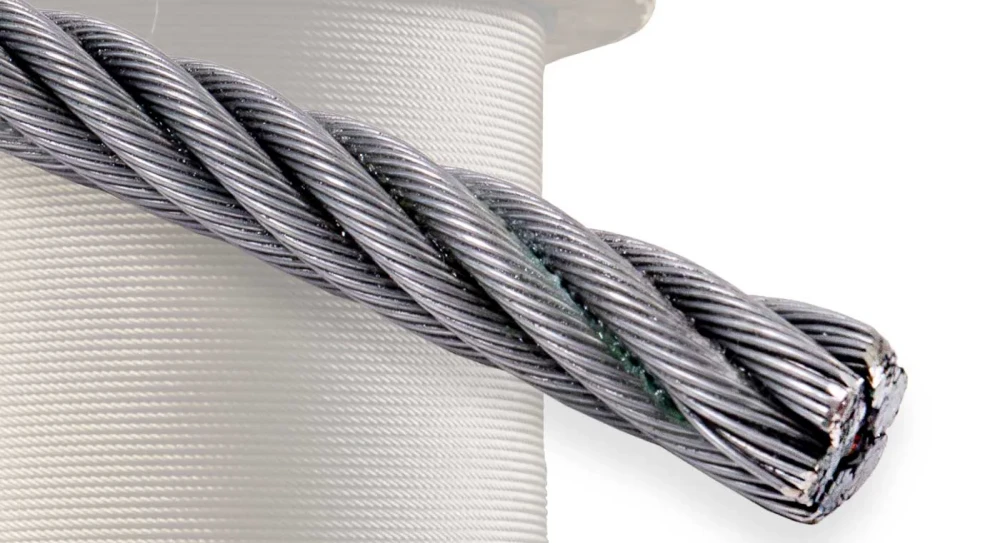
Bright wire rope stands out for its clean, uncoated steel surface. You get high tensile strength and flexibility, making it a top choice for heavy-duty lifting and industrial manufacturing. This type of wire rope works best indoors or in dry environments where moisture is not a concern.
You often see bright wire rope in cranes, elevators, and automotive assembly lines. Since it lacks a protective coating, you should avoid using it in areas with high humidity or exposure to chemicals. When you need reliable performance in controlled settings, bright wire rope delivers consistent results.
Galvanized Wire Rope Overview
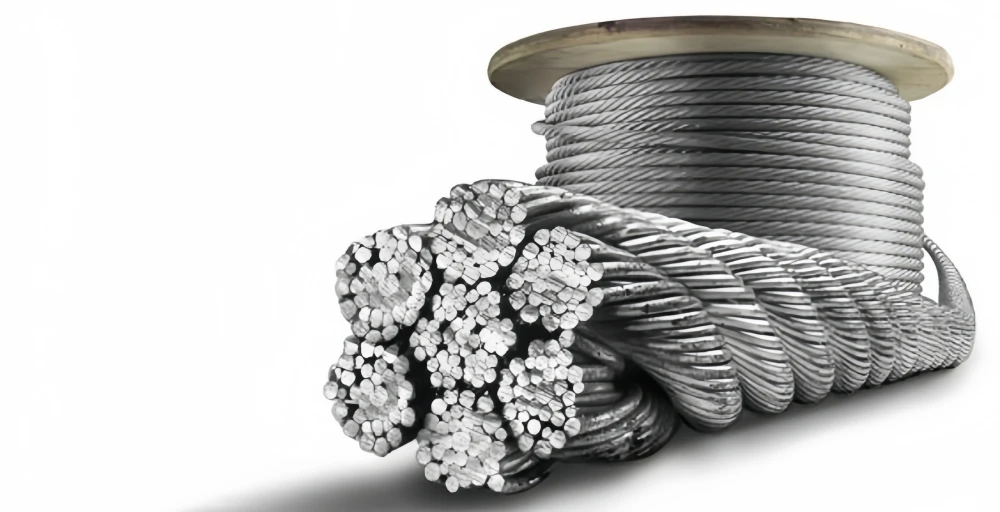
Galvanized wire rope features a zinc coating that shields the steel from rust and corrosion. You benefit from enhanced durability, especially in outdoor or semi-exposed environments. This type of wire rope is common in construction, rigging, and fencing.
The zinc layer provides a barrier against moisture, but over time, you may need to re-galvanize the rope for continued protection. Galvanized wire rope offers a balance between strength and corrosion resistance, making it a versatile option for many projects.
Powerful Machinery supplies galvanized wire rope in a range of constructions and diameters, ensuring you find the right fit for your application.
Stainless Steel Wire Rope Overview
Stainless steel wire rope provides the highest level of corrosion resistance among all types of wire rope finishes. You can use it in marine, coastal, or chemical environments without worrying about rust or degradation. This wire rope finish excels in shipbuilding, food processing, and the medical industries.
Stainless steel wire rope maintains its strength and appearance even in harsh conditions. When you require long-term durability and minimal maintenance, stainless steel wire rope stands as the premium choice.
Note: Powerful Machinery offers all three types of wire rope finishes, each manufactured to meet strict international standards for safety and performance.
Corrosion Resistance and Tensile Strength Comparison
Wire Rope Type | Corrosion Resistance Description | Suitable Environments |
|---|---|---|
Galvanized Wire Rope | Zinc coating enhances rust resistance; may need re-galvanization over time | Outdoor use, fencing, rigging, construction |
Bright Wire Rope | No coating; best for dry, indoor settings | Mobile cranes, lifting slings, and automotive manufacturing |
Stainless Steel Rope | Superior corrosion resistance; ideal for harsh, marine, or chemical settings | Shipbuilding, coastal construction, food processing, and medical |
Property | Stainless Steel Wire Rope | Galvanized Wire Rope |
|---|---|---|
Tensile Strength | High | Slightly higher (dry conditions) |
Corrosion Resistance | Excellent | Moderate |
Longevity | Outstanding | Shorter outdoors |
A wire rope finish comparison helps you match the right product to your environment. You can trust Powerful Machinery to deliver high-quality wire rope for every application. When you compare the types of wire rope finishes, you see clear differences in performance, durability, and cost.
Choose the finish that aligns with your operational needs and safety requirements.
Manufacturing and Performance
Manufacturing Processes
Understanding how each wire rope finish is made helps you evaluate its quality and suitability for your application. Powerful Machinery uses advanced manufacturing techniques and strict quality controls to ensure every wire rope meets international standards.
Bright Wire Rope
Bright wire rope production starts with the careful selection of raw materials. You benefit from a process that emphasizes high tensile strength and flexibility. The table below outlines the main steps:
Step | Description |
|---|---|
Raw Materials | Selection of high-quality raw materials from reliable suppliers. |
Quality Controls | Initial inspections of raw materials for conformity and suitability before production. |
Wire Drawing Process | Steel wire is drawn to the required diameters through drawing machines. |
Strand Formation | Elementary wires are twisted together to create strands, then wound around a central core. |
Final Packaging | Ropes are weighed, cut, and packaged for delivery to customers. |
This process ensures you receive a wire rope with consistent performance and reliability.
Galvanized Wire Rope
Galvanized wire rope receives a protective zinc coating to enhance its durability and corrosion resistance. Powerful Machinery offers several galvanizing methods, each tailored to specific environments:
Method | Process Description | Advantages | Applications |
|---|---|---|---|
Hot-Dip Galvanizing | Immersing steel wire in molten zinc | Thick, robust coating with excellent corrosion resistance | Ideal for outdoor applications exposed to natural environments |
Electrogalvanizing | Applying zinc through an electrolytic process | Thinner, uniform coating with a smooth finish | Suitable for indoor applications like electrical equipment |
Mechanical Galvanizing | Mechanically bonding zinc powder to steel wire | Durable coating with good adhesion without heat | Used in environments unsuitable for thermal processes |
You gain a wire rope that resists rust and extends service life, especially in outdoor or semi-exposed settings.
Stainless Steel Wire Rope
Stainless steel wire rope manufacturing involves specialized techniques to achieve excellent corrosion resistance and high tensile strength. The process includes:
Raw material preparation with high-quality stainless steel ingots or rods.
Drawing the material through dies to produce fine wires of the required diameter.
Stranding individual wires together to form strands, optimizing flexibility and strength.
Laying up strands around a core to create the final wire rope.
Applying heat treatment to enhance mechanical properties for certain grades.
Polishing or coating the surface to improve appearance and corrosion resistance.
Powerful Machinery’s expertise ensures you receive stainless steel wire rope that performs reliably in the harshest environments.
Tip: Rigorous inspection and testing at every stage guarantee that each wire rope meets or exceeds industry standards for safety and performance.
Performance Comparison
When you compare the performance of wire rope finishes, you need to consider several key characteristics: strength, corrosion resistance, and durability. Each finish offers unique advantages for different applications.
Strength and Tensile Properties
Wire rope strength depends on construction and material. For example, a 1×19 wire rope with a 6mm diameter typically has a breaking strength of about 2300 kilograms. A 7×7 construction of the same diameter offers around 2000 kilograms, while a 7×19 construction provides about 1900 kilograms.
Bright wire rope often delivers slightly higher tensile strength in dry conditions due to the absence of coatings. Galvanized and stainless steel wire rope maintain high tensile strength, but the added coatings or alloying elements may slightly affect the maximum load.
Corrosion Resistance
Corrosion resistance is a critical factor in the performance of wire rope finishes. Stainless steel wire rope stands out for its excellent corrosion resistance, especially in marine or chemical environments. The chromium content in stainless steel forms a passive oxide layer that regenerates when scratched, protecting the rope from rust.
Galvanized wire rope offers moderate corrosion resistance, with a zinc layer that shields the steel from moisture. However, in high-saline or ocean environments, the zinc coating may deteriorate over time.
Bright wire rope, lacking any protective coating, is best suited for dry, indoor environments where corrosion is not a concern.
Material | Corrosion Resistance in Marine Environments | Notes |
|---|---|---|
Stainless Steel | High | 316 grade has a passive oxide layer that regenerates when scratched. |
Galvanized Steel | Moderate | Zinc layer may deteriorate over time in high saline environments. |
Durability and Lifespan
Durability measures how well a wire rope withstands wear, fatigue, and environmental exposure. Galvanized wire rope can last up to 70 years outdoors, but in ocean environments, its lifespan drops to 8–12 years.
Stainless steel wire rope offers unmatched durability, maintaining performance even in harsh, salty, or chemical-rich settings. Bright wire rope provides reliable performance in controlled, dry environments but requires regular inspection to prevent early wear.
Common Failure Modes
You should monitor the wire rope for signs of wear and failure. The most common failure modes include:
Corrosion breaks, often caused by poor lubrication.
Abrasive wire breaks from mishandling with hoist sheaves and drums.
Fatigue breaks due to repetitive bending or prolonged use.
Routine inspection and proper maintenance help you maximize the performance and lifespan of your wire rope.
Meeting Industry Standards
Powerful Machinery manufactures wire rope to meet or exceed international safety standards, including OSHA and ASME requirements. You can trust that every wire rope finish is designed for safety-critical applications, with rigorous inspections and compliance checks at every stage.
Note: Always select wire rope based on your specific environment and operational needs to ensure optimal performance and safety.
By understanding the manufacturing processes and performance characteristics of each wire rope finish, you can make informed decisions that enhance safety, efficiency, and cost-effectiveness in your projects.
Applications of Wire Rope
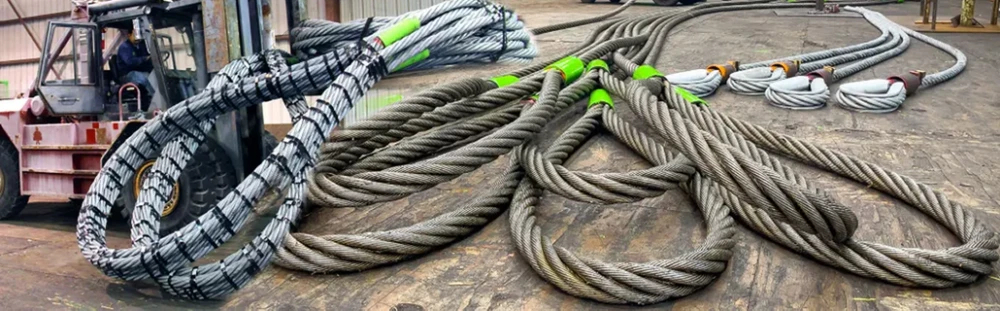
Bright Wire Rope Uses
You often choose bright wire rope for indoor or dry environments where corrosion resistance is not a primary concern. This wire rope delivers high tensile strength and flexibility, making it suitable for heavy lifting and precise movement.
You see it in many application scenarios, especially where you need reliable performance without exposure to moisture or chemicals.
Application Type | Description |
|---|---|
Crane Hoisting | Lifting heavy loads in construction projects. |
Rigging | Securing and moving equipment in factories. |
Overhead Cranes | Handling materials in controlled environments. |
Elevators | Transporting goods and people vertically. |
Winching | Pulling and lifting in industrial settings. |
Bright wire rope stands out in general industrial applications, automotive assembly, and manufacturing lines. You benefit from its consistent performance and ease of inspection.
Galvanized Wire Rope Uses
Galvanized wire rope provides enhanced corrosion resistance, making it ideal for outdoor and semi-exposed application scenarios. You rely on this wire rope for construction, rigging, and marine environments where moisture and weather can cause rust.
Powerful Machinery’s galvanized steel wire rope supports a wide range of applications, from lifting to structural support.
Tower crane hoisting and counterweight systems
Overhead bridge lifting and port handling
Cable-supported structures, such as suspension bridges and canopies
Offshore and dockside rigging
Winch cables and recovery lines for heavy machinery
You select galvanized wire rope when you need a balance of strength, durability, and corrosion resistance. It performs well in demanding environments and reduces maintenance needs.
Stainless Steel Wire Rope Uses
Stainless steel wire rope offers the highest level of corrosion resistance. You use this wire rope in marine environments, chemical plants, and food processing facilities. It excels in application scenarios where exposure to saltwater, chemicals, or extreme weather is common.
Typical applications include:
Shipbuilding and coastal construction
Oil and gas platforms
Medical and food-grade equipment
Decorative architectural features
You choose stainless steel wire rope when you require long-term durability and minimal maintenance. The differences in corrosion resistance and longevity set it apart from other finishes, especially in harsh conditions.
Powerful Machinery supplies steel wire rope and galvanized steel wire rope for industrial, marine, and construction applications. You can trust their products to deliver safety and reliability across all environments.
Cost and Maintenance
Cost Comparison
When you compare wire rope finishes, you notice clear differences in both initial price and long-term value. Bright wire rope usually offers the lowest upfront cost. This makes it a practical choice for indoor projects where corrosion resistance is not a priority.
Galvanized wire rope costs slightly more than bright wire rope because of the zinc coating. This coating adds resistance to rust and extends the rope’s service life in outdoor or semi-exposed environments.
Stainless steel wire rope has the highest initial price. The production process and alloying elements increase its cost. However, you gain unmatched corrosion resistance, especially in marine or chemical settings.
Over time, the total cost of ownership often favors stainless steel in high-corrosion environments. You spend less on maintenance and replacement, which offsets the higher purchase price.
Wire Rope Finish | Initial Cost | Corrosion Resistance | Long-Term Value in Harsh Environments |
|---|---|---|---|
Bright | Low | Low | Moderate |
Galvanized | Moderate | Good | Good |
Stainless Steel | High | Excellent | Outstanding |
Stainless steel wire rope is preferred for high-corrosion areas because its durability and resistance reduce long-term expenses. Galvanized wire rope is more affordable at first, but may require more frequent replacement if exposed to harsh conditions.
Maintenance Needs
Proper maintenance requirements help you extend the life and performance of any wire rope. Each finish has unique needs, but some steps apply to all types:
Lubricate your wire rope as soon as you put it to work.
Reapply lubricant at regular intervals, ideally before you see signs of corrosion or dryness. The frequency depends on your site conditions.
Clean the wire rope before applying fresh lubricant, especially if dirt or grit is present.
Brush off any corrosion products before re-lubrication. If you suspect severe corrosion, have a qualified person inspect the wire rope.
Always ensure a thin, even coat of lubricant covers all wires.
Bright wire rope needs frequent inspection and lubrication, especially in dry or dusty environments. Galvanized wire rope requires less frequent maintenance because the zinc coating provides extra resistance to rust. However, you should still monitor for wear and reapply lubricant as needed.
Stainless steel wire rope offers the lowest maintenance requirements. Its natural resistance to corrosion means you spend less time and resources on upkeep, even in aggressive environments.
Powerful Machinery designs every wire rope to meet strict maintenance requirements and deliver reliable performance. You benefit from products that combine strength, resistance, and long-term value, no matter which finish you choose.
Selection Guide
Choosing the Right Wire Rope
Selecting the best wire rope for your project requires careful consideration of several factors. You need to think about the environment, your budget, and the operational demands of your application. Choosing the right wire rope ensures safety, efficiency, and cost-effectiveness.
Start by evaluating the environment where you will use the wire rope. Outdoor construction projects often face harsh conditions. You should consider the following environmental factors:
Saltwater exposure in coastal areas can cause rapid corrosion.
Acids and bases in industrial settings may damage the wire rope.
Weather conditions, such as high humidity and heat, can shorten the lifespan of the rope.
Matching material to your application is essential. For example, stainless steel wire rope excels in highly corrosive environments, such as marine or chemical plants. Galvanized wire rope works well outdoors and in semi-exposed locations, offering a balance between cost and corrosion resistance.
Bright wire rope fits best in dry, controlled environments where corrosion is not a concern.
Budget also plays a significant role in your selection. You must balance performance with cost. While some materials offer superior durability, their higher price may not fit every project. Matching material to your application and budget ensures you get the best value without compromising safety.
Operational requirements further influence your decision. The table below summarizes how different wire rope finishes align with specific project needs:
Type of Wire Rope | Characteristics | Suitable Applications |
|---|---|---|
Galvanized wire rope | Coated with zinc for rust and corrosion resistance. | Outdoor and marine environments |
Stainless steel wire rope | Excellent resistance to moisture and chemicals. | Marine, food processing, and medical industries |
Bright wire rope | Made without a protective coating, used in controlled environments. | Environments where corrosion is not a concern |
When choosing the right wire rope, always match the material to your application, consider your budget, and review the operational requirements. This approach helps you achieve long-term durability and reliable performance.
Tip: For highly corrosive environments, stainless steel wire rope provides strong resistance to chemicals and extreme temperatures. Coated wire ropes, such as those with nylon or vinyl, offer extra flexibility and abrasion protection.
Powerful Machinery Solutions
Powerful Machinery supports you in choosing the right wire rope by offering a wide range of certified products and custom solutions. You can rely on their expertise to meet your specific project needs, whether you require standard or specialized configurations.
You benefit from the following custom solutions:
Tailored wire rope options, including strand configuration, core type, wire size, and specialized coatings to match your application.
Custom-engineered rigging hardware designed for load distribution, lifting heights, and environmental conditions.
Ongoing inspection and maintenance services to ensure the longevity and safety of your wire rope and hardware.
Powerful Machinery holds international certifications, such as ISO9001, which guarantee quality management and product reliability. You can trust that every wire rope meets strict industry standards for safety and performance.
Matching material to your application becomes easier with Powerful Machinery’s guidance. Their team helps you navigate the selection process, ensuring you choose the right wire rope for your environment, budget, and operational needs.
You receive solutions that deliver long-term durability and value, no matter how complex your requirements.
For expert advice and a full range of wire rope products, visit Powerful Machinery’s official website.
Conclusion
Choosing the right wire rope finish ensures safety and cost-effectiveness. Review the table below to compare your options:
Wire Rope Type | Corrosion Resistance | Ideal Applications | Cost Comparison |
|---|---|---|---|
Stainless Steel | Excellent | Marine, food, medical, decorative | Most expensive |
Galvanized | Moderate | Outdoor, construction, rigging | More affordable |
Bright | Low | Heavy-duty, indoor, minimal moisture | Most cost-effective |
To make the best choice:
Determine your maximum load and flexibility needs.
Match the finish to your environment for corrosion resistance.
Weigh long-term value against initial cost.
Powerful Machinery supports industries from automotive to medical with certified, high-quality wire rope solutions.
FAQ
What is the main difference between bright, galvanized, and stainless steel wire rope?
Type | Key Feature |
|---|---|
Bright | No coating |
Galvanized | Zinc coating |
Stainless Steel | Alloyed for corrosion |
You select based on environment and corrosion risk.
How do I choose the right wire rope for outdoor use?
For outdoor projects, you should pick galvanized or stainless steel wire rope. Galvanized resists rust in most weather. Stainless steel works best in coastal or chemical areas.
Can I order custom wire rope sizes or finishes from Powerful Machinery?
You can request custom diameters, strand configurations, and coatings. Powerful Machinery’s engineering team helps you select the best option for your project.
How often should I inspect and lubricate wire rope?
You should inspect the wire rope before each use. Lubricate regularly, especially in harsh conditions. Frequent checks help you prevent wear and extend service life.