
Snap Hooks
Snap hooks handle quick, secure connections for straps, ropes, chains, and gear. We manufacture snap hooks in bolt, spring, and locking styles with strong steel, tight tolerances, and steady supply. You get durable hardware that works hard and lasts. Quote hardware accessories from Powerful Machinery today.

Every snap hook ships with clear WLL or strength data backed by consistent in-house testing.
We use proven steel grades with controlled finishes to deliver corrosion resistance and long service life.
In-house manufacturing keeps specs stable, batches uniform, and quality predictable order after order.
Flexible customization, managed lead times, and scalable capacity support long-term, reliable sourcing.
Powerful Machinery - Your Trusted Snap Hook Manufacturer
We supply work provide dependable snap hooks for industry leaders.





Types of Snap Hooks
Our snap hooks support lifting and rigging operations across diverse applications. Our selection includes:
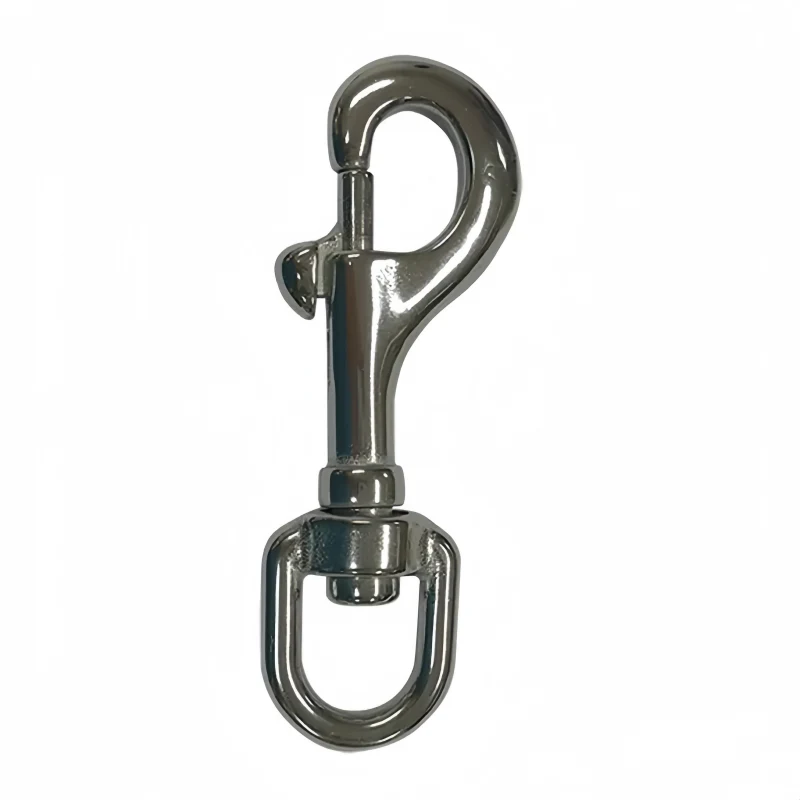
Bolt Snap Hook
Bolt snap hook features a spring-loaded plunger that pulls down to open and releases to lock. It delivers quick, secure attachment for straps, ropes, and everyday hardware use.
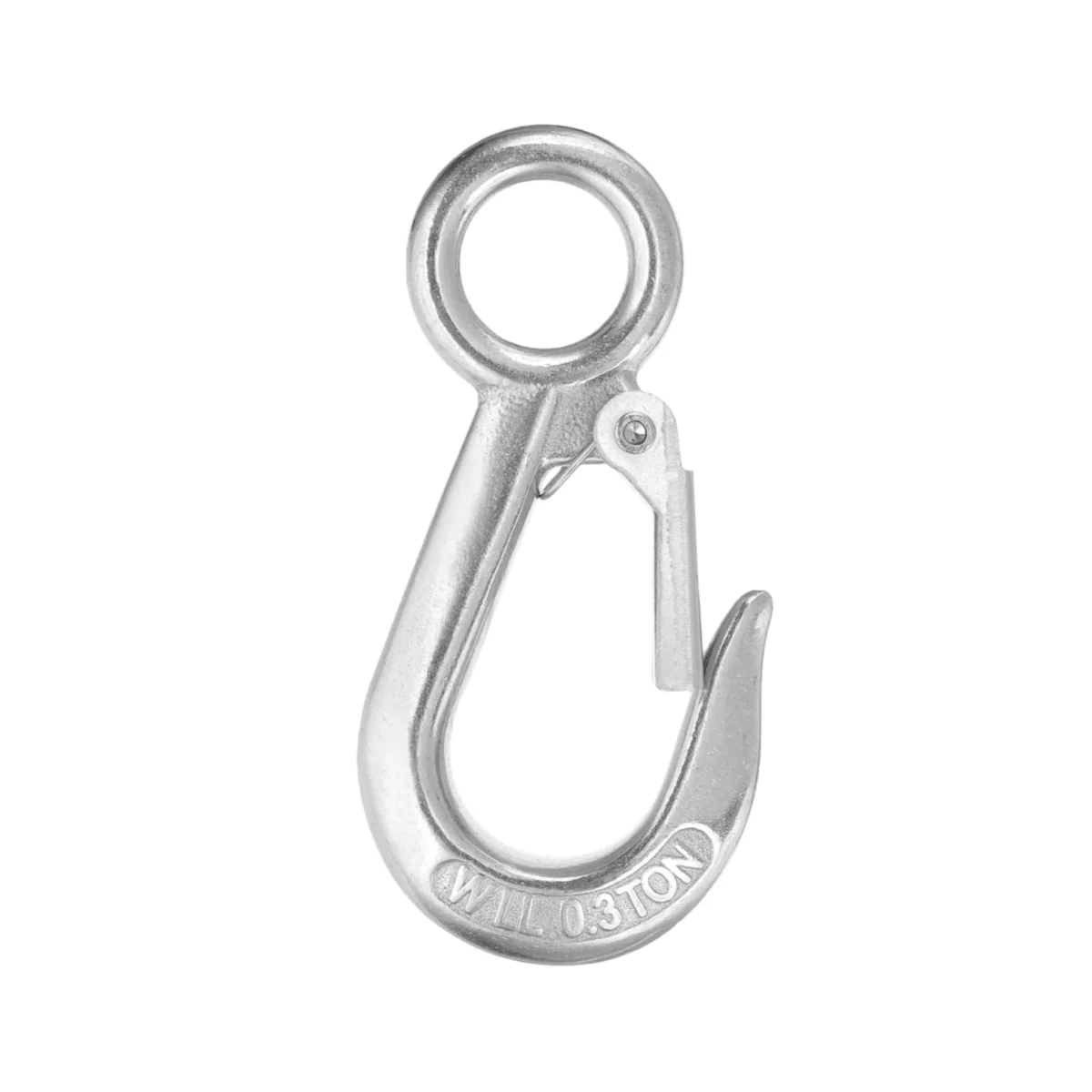
Trigger Snap Hook
Trigger snap hook uses a side lever for quick one-hand operation. It clips and releases smoothly, making it ideal for leashes, straps, and light-duty attachments.
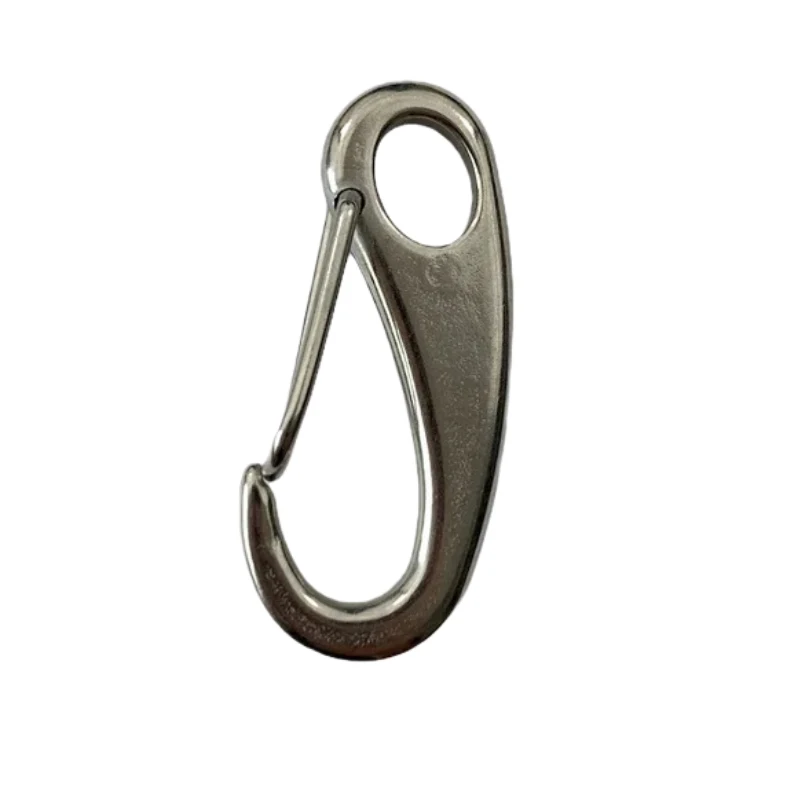
Spring Snap Hook
Spring snap hook features a spring-loaded gate that opens inward and closes automatically. It provides quick, secure attachment for ropes, straps, and general hardware connections.
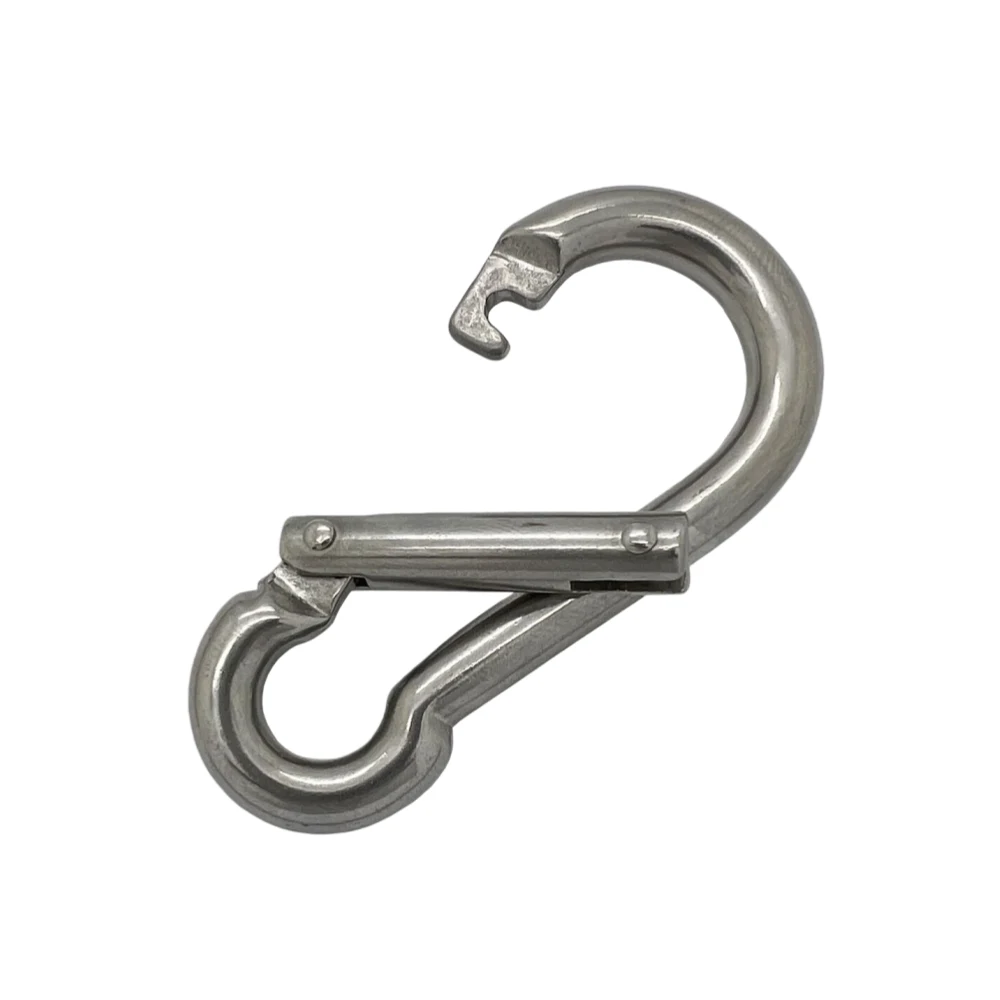
Snap Hook Carabiner
Snap hook carabiner features a wide spring gate for fast, secure clipping. It works well for securing gear, straps, and equipment where quick access and reliable hold matter.
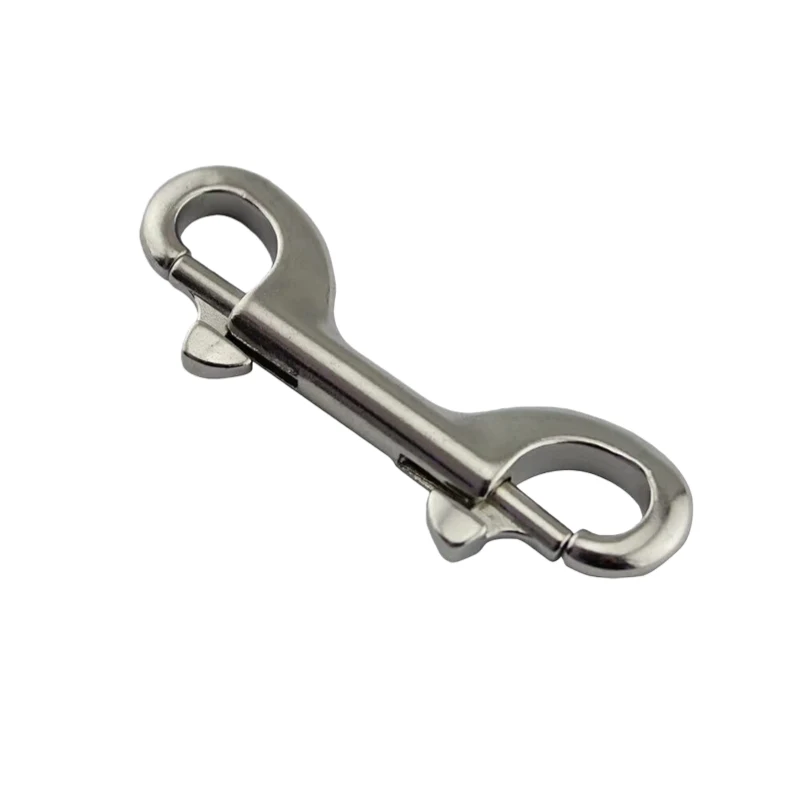
Double Ended Snap Hook
Double ended snap hook has hooks on both ends to link two items quickly. It offers fast connection and release for straps, ropes, and light-duty hardware setups.
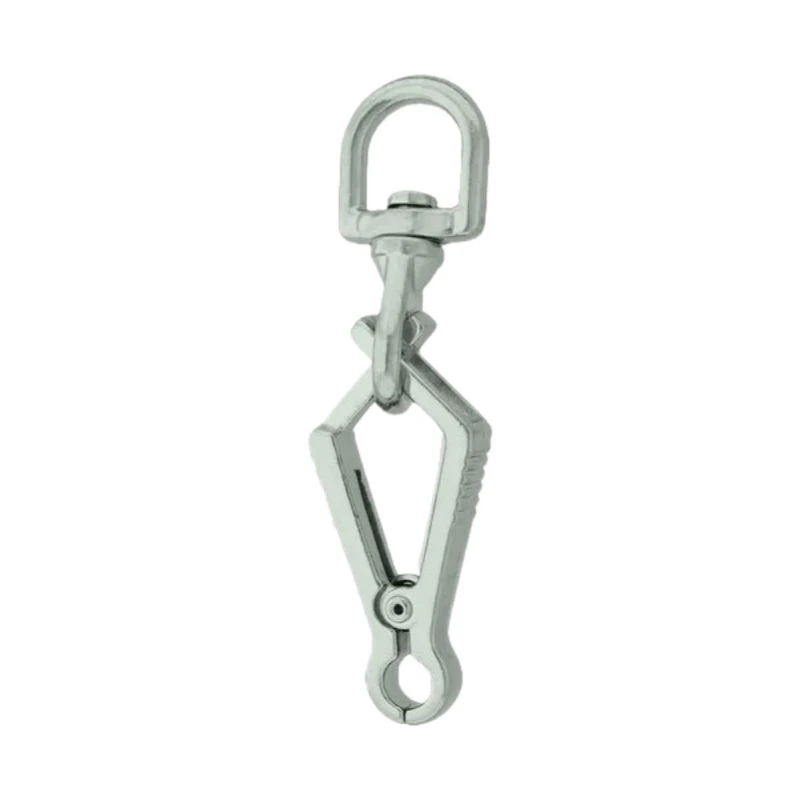
Scissor Snap Hook
Scissor snap hook uses a flat, scissor-style opening that spreads wide for easy attachment. It suits straps, lines, and gear that need a low-profile, controlled connection.
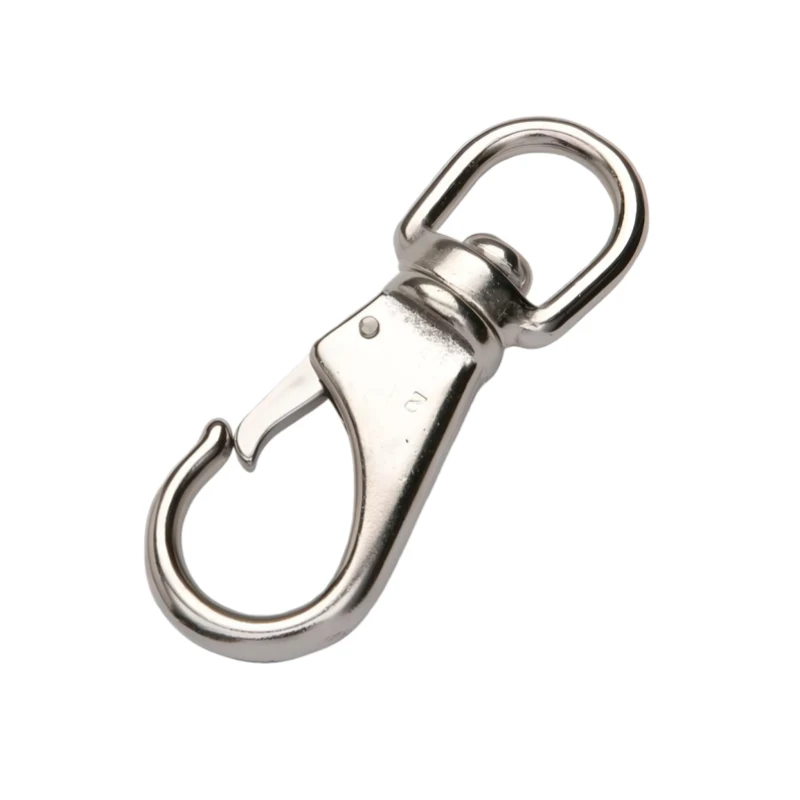
Swivel Snap Hooks
Swivel snap hook features a rotating eye that turns 360° to reduce twisting. It keeps straps, ropes, and lines aligned while maintaining a secure connection.
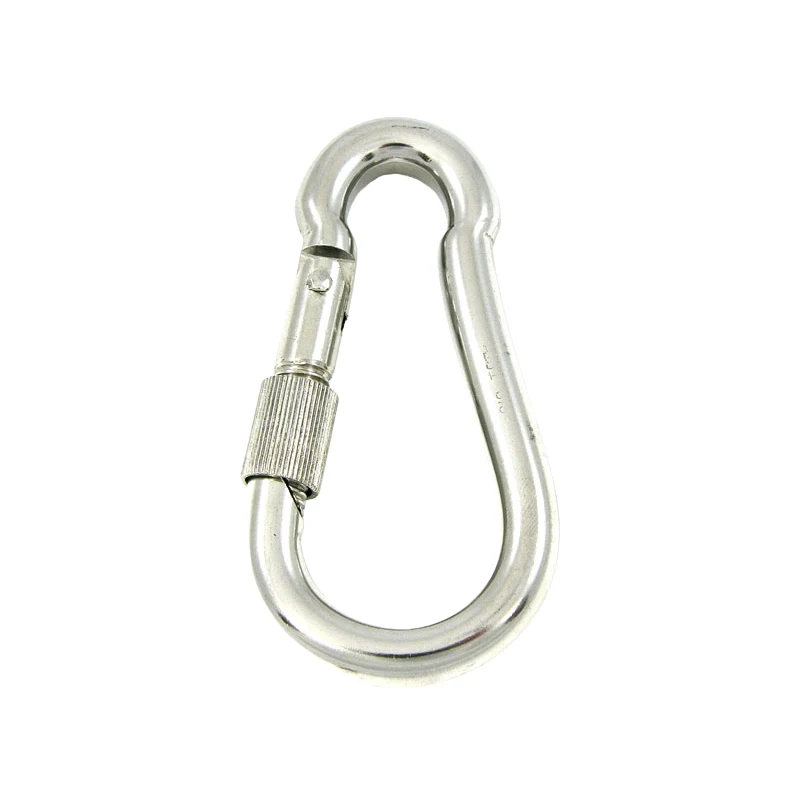
Locking Snap Hook
Locking snap hook uses a twist-lock or threaded sleeve to secure the gate and prevent accidental opening. It delivers added safety for straps, lines, and equipment connections.
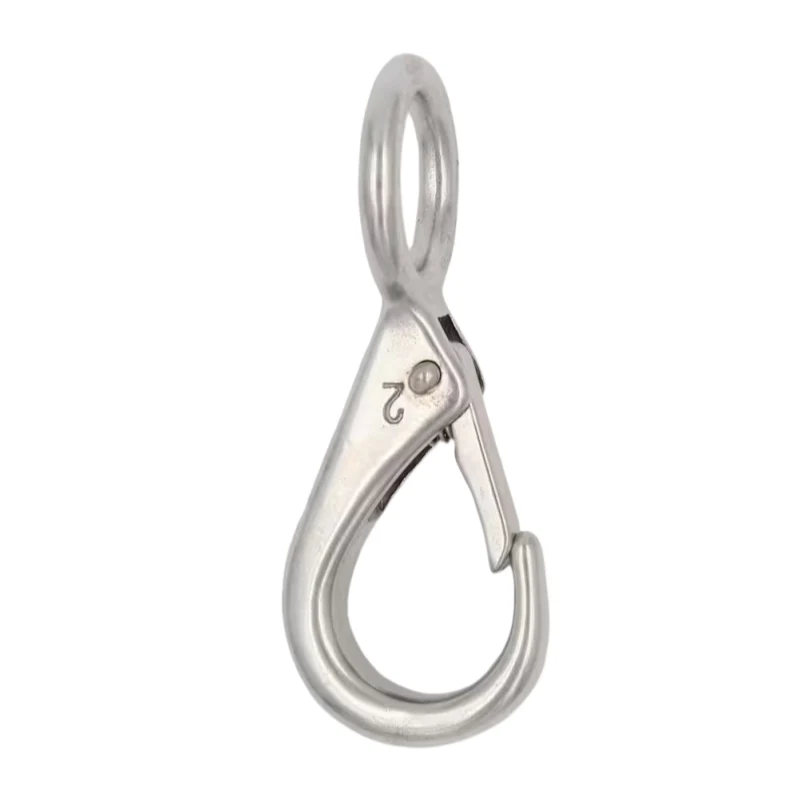
Fixed Eye Snap Hook
Fixed eye snap hook has a rigid, non-rotating base that keeps alignment steady. It suits straps, chains, and lines where a stable, permanent-style connection matters.
NEED HELP WITH YOUR SNAP HOOK ORDER?
Let us help! Reach out today and get recommendations on materials and sizing from our experts.


Guide to Snap Hooks
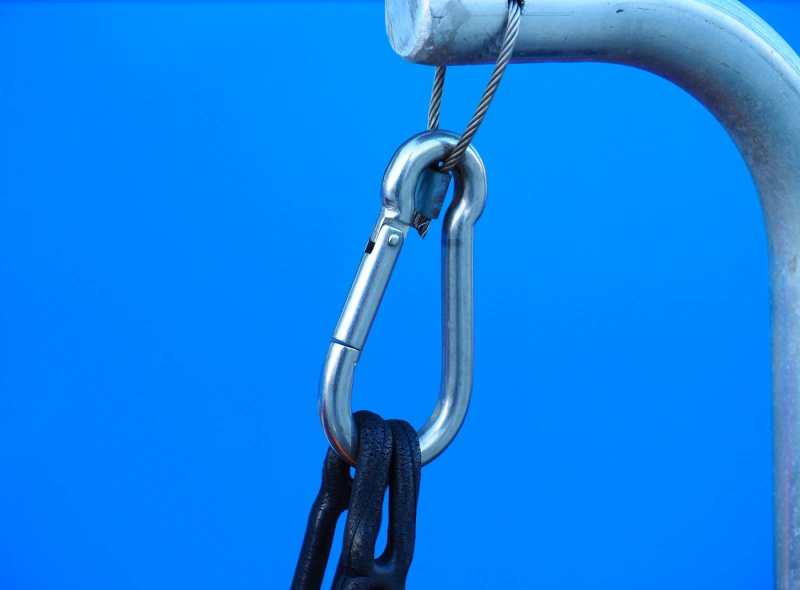
Our Guide to snap hook helps you understand snap hook types, applications, and selection tips so you can choose safe, reliable rigging connections.
What is a snap hook?
A snap hook serves as a mechanical connector that allows fast clipping and release while keeping control under load. One hand opens the spring-loaded gate and release closes it automatically. Daily work involving straps, ropes, chains, or gear lines depends on this simple action. Repeated use demands reliable spring tension, clean gate travel, and stable alignment. As a manufacturer, we design snap hooks around real load direction, not visual appearance. Steel grade, gate geometry, eye opening, and surface finish decide performance and service life.
What defines a quality snap hook:
Gate tension that balances speed and retention
Body shape that resists side pull
Eye size that fits real rope or strap dimensions
Manufacturing tolerance that controls wear
What is the purpose of a locking snap hook?
A locking snap hook adds a controlled locking step that prevents unintended gate opening. Movement, vibration, rotation, and shifting loads increase risk without a lock. Twist-lock and threaded sleeve designs require deliberate action before release. Higher-risk setups benefit from this control. From our manufacturing view, lock performance depends on thread depth, sleeve fit, and gate alignment. Reliable locking gives confidence during repeated cycles and demanding conditions.
Why locking designs matter:
Reduced accidental release under motion
Clear tactile feedback during locking
Stronger control in dynamic setups
Longer service life under stress
Types of snap hooks
Choosing the right snap hook starts with understanding how force, movement, and handling affect performance. Different snap hook designs solve different problems. Selecting the correct type improves safety, reduces wear, and extends service life in real working conditions.
Common Types of Snap Hooks
Bolt Snap Hooks
Bolt snap hooks suit straight, steady pull applications where controlled release matters. A spring-loaded bolt provides consistent closure under tension. These hooks work well on straps, ropes, and tie-down systems with predictable load direction.Trigger Snap Hooks
Trigger snap hooks feature a side lever that supports fast, one-hand operation. Frequent clipping tasks benefit from this design. Better grip and smooth action improve efficiency during repeated use.Swivel Snap Hooks
Swivel snap hooks include a rotating eye that turns freely to reduce twisting. Moving lines, rotating straps, and adjustable systems perform better with swivel action. Reduced torsion helps prevent rope fatigue and hardware wear.Fixed Eye Snap Hooks
Fixed eye snap hooks hold alignment in a rigid position. Applications that require consistent orientation benefit from this design. Stable eye geometry reduces uneven loading and connection shift.Locking Snap Hooks
Locking snap hooks add a mechanical lock such as a twist-lock or threaded sleeve. High-risk setups and vibration-prone environments rely on locking designs to prevent accidental opening. Extra control improves confidence and system reliability.
How to Select the Right Snap Hook
Straight-line loads perform best with bolt snap hooks
Repeated clipping favors trigger snap hooks
Moving or rotating lines need swivel snap hooks
Fixed alignment calls for rigid eye snap hooks
Higher-risk setups require locking snap hooks
What to Check Before Buying
Load rating or working load limit matches real use
Eye size fits rope, strap, or ring correctly
Gate action closes fully and smoothly
Material and finish match the working environment
Design supports the actual load direction
As a manufacturer, we design snap hooks around real-world use, not catalog assumptions. Proper selection protects equipment, improves efficiency, and reduces long-term replacement cost.
How to attach a snap hook to a rope?
Correct attachment ensures strength, smooth movement, and long service life. Matching the rope and snap hook correctly helps prevent wear, binding, and side loading during use.
Steps to attach a snap hook to a rope:
Match the rope diameter to the snap hook eye opening before connection
Pass the rope through the eye directly or connect it using a knot, splice, or loop
Keep the rope centered in the eye to reduce uneven wear and side stress
Apply light tension first to confirm smooth movement before full load
Best practices for reliable attachment:
Match rope size to eye clearance
Keep the load centered along the hook spine
Avoid knots that pinch or deform the eye
Inspect contact points early and during initial use
How to use a snap hook?
Proper snap hook use improves safety, strength, and service life. Correct loading and regular checks help prevent damage and unexpected failure during daily work.
Steps for proper snap hook use:
Align the load with the main body axis to maintain full strength
Confirm full gate closure after every clip
Avoid edge contact and side loading that reduce performance
Check spring action before work begins to ensure smooth operation
Habits that protect snap hook performance:
Load through the spine of the hook
Keep the gate clear of debris and obstructions
Match the snap hook rating to the actual working load
Inspect the snap hook before each use
Carabiner vs Snap Hook: What's the Difference??
Snap hooks and carabiners serve different purposes based on load, speed, and safety requirements. Choosing the right option depends on how often clipping occurs, how much force the connection carries, and whether certification applies.
Key differences between carabiners and snap hooks:
Snap hooks support fast clipping and frequent connection cycles
Carabiners offer higher strength margins with thicker frames
Snap hooks suit controlled hardware and general attachment tasks
Carabiners fit structural or certified safety applications
Clear decision points for selection:
Fast, repetitive work favors snap hooks
High load applications favor carabiners
Light hardware and accessories favor snap hooks
Safety systems require certified carabiners or certified snap hooks
Rebar Hook vs Snap Hook: What's the Difference?
Rebar hooks and snap hooks serve very different purposes in lifting, construction, and safety systems. Understanding their design intent helps select the right connector for the correct risk level and application.
Core Function Comparison
Rebar hooks support fall protection and climbing access
Snap hooks handle connection and positioning tasks
Design Characteristics
Rebar hooks feature wide throats and double-lock safety gates
Snap hooks focus on fast operation and flexible handling
Application Rules
Fall arrest systems require rebar hooks
Tool restraint and light connections use snap hooks
Vertical exposure increases safety standards
General hardware use must stay within rated WLL
Each hook matches its intended risk level by design, not by appearance.
Fall protection snap hook requirements
Fall protection snap hooks play a critical role in personal safety systems. Selection depends on certified standards, controlled manufacturing, and verified performance, not appearance or price.
Mandatory Standards
Must meet ANSI Z359 or EN 362 compliance
Certification proves suitability for fall protection systems
Gate and Locking Design
Self-closing gates remain mandatory
Self-locking mechanisms prevent accidental disengagement
Strength and Performance
Verified tensile strength confirms load capacity
Design must exceed minimum safety margins
Quality Control and Testing
Documented testing ensures traceability
Controlled materials support consistent performance
Usage Rule
General hardware snap hooks never replace certified fall protection connectors
Snap Hook Uses
Snap hooks appear across many industries because they simplify connection and adjustment. Leashes, tie-downs, farm equipment, marine lines, bags, tool lanyards, and light rigging rely on them daily. Environmental exposure demands proper finish and steel selection. We design snap hooks to perform under dirt, moisture, and repeated motion.
Where snap hooks perform best:
Repeated clip cycles
Moderate load handling
Portable equipment
Adjustable systems
D-Rings and Snap Hooks Minimum Tensile Strength
System strength depends on the weakest component. Snap hooks and D-rings must match by tensile strength or working load limit, not size. Mixing unknown ratings creates failure risk. We publish clear strength data to support safe system design.
Rules that prevent failure:
Match ratings across components
Avoid unverified hardware
Design with safety margin
Inspect the full system
Have More Questions of Snap Hooks?
Have more questions about snap hooks? Our team offers clear, practical guidance on snap hook types, load ratings, materials, and proper use. Get expert support to choose the right snap hook and ensure safe, reliable performance in real applications.