
Wire Grips
We manufacture wire grips that give you strong, secure holding power across a wide range of cable sizes. Our wire grips handle bare copper cable, covered conductor, and messenger wire with forged steel jaws that resist wear and rust. You place them with one hand and trust every lift. Quote lifting equipments from Powerful Machinery today.

We test every wire grips model to meet rated load standards and build in safety margin you can trust on critical lifts.
We use high-grade forged steel that resists wear, impact, and corrosion across power, rail, and industrial projects.
Our precision jaws deliver strong grip on conductor and messenger wire while protecting cable surface integrity.
You install our wire grips quickly on site and rely on long jaw life that reduces downtime and replacement cost.
Powerful Machinery - Your Reliable Wire Grips Manufacturer
We supply work provide dependable wire grips for industry leaders.






Wire Grip
Our wire grips support lifting and rigging operations across diverse applications. Our selection includes:
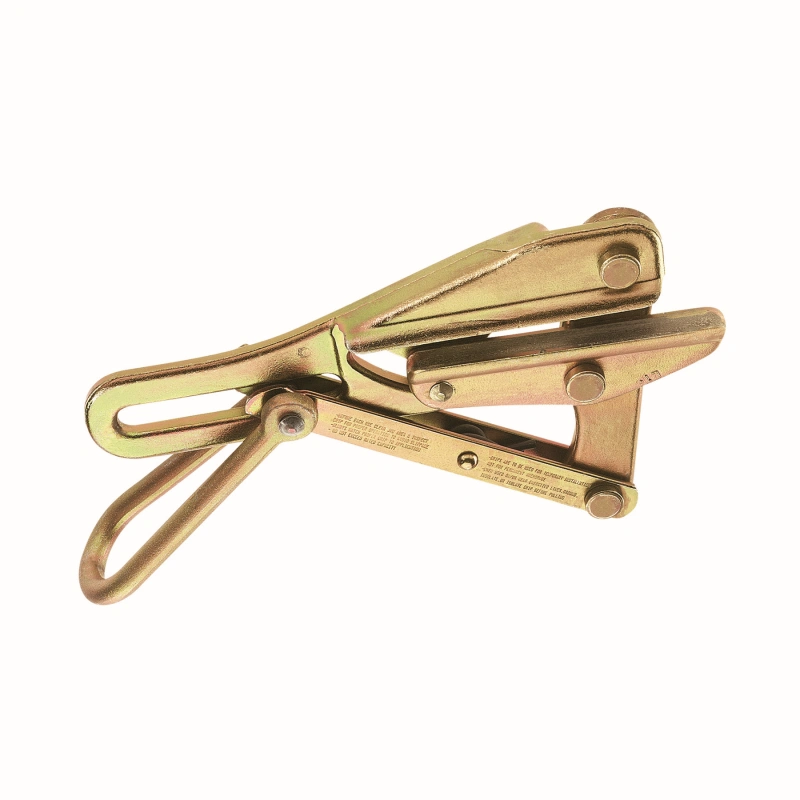
Chicago Wire Grips
Chicago wire grips secure ACSR, aluminum, and copper cables with long handles and a locking jaw that stays firmly on the conductor. Multiple jaw sizes support precise cable pulling and line work.
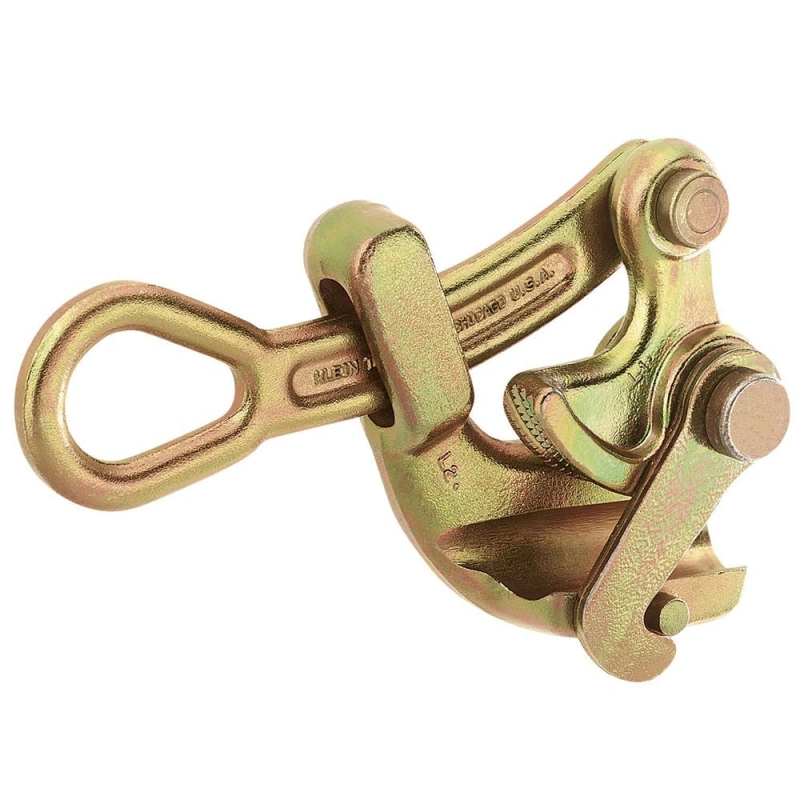
Haven Grip
Haven grip offers a compact, lightweight design for steel wire and small cables. Its jaw applies concentrated pressure to deliver a secure hold during precise cable pulling and line work.

Hot Line Grip
Hot line grip features a built-in ring for use with hot-line sticks, allowing secure conductor handling on energized lines. Designed for controlled, safe utility line maintenance work.
NEED HELP WITH YOUR WIRE GRIP ORDER?
Let us help! Reach out today and get recommendations on materials and sizing from our experts.


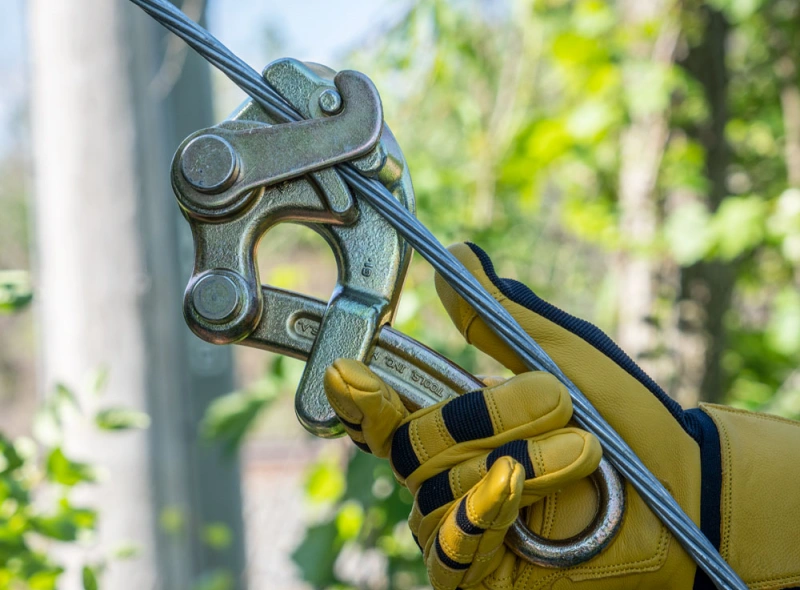
Guide to Wire Grip
Our guide to wire grip helps you understand wire grip types, applications, and selection tips so you can choose safe, reliable lifting euipments.
How to Use Wire Rope Grips?
Proper handling of wire rope grips ensures secure holding power, longer jaw life, and safe cable pulling performance. Follow these structured steps to maximize grip strength and conductor protection in demanding projects.
Measure the exact cable diameter before selection
Verify rated load exceeds working tension
Match jaw range to conductor size
Clean conductor surface before placement
Align jaws straight with load direction
Close jaws firmly for full strand contact
Apply tension gradually to avoid shock load
Monitor alignment during pulling operation
Inspect wire after release for strand integrity
Accurate sizing, controlled tension, and correct alignment allow wire rope grips to maintain reliable performance across utility, rail, and industrial applications.
Wire Rope Grip Sizes: How to Select Correctly?
Selecting the correct wire rope grip sizes ensures maximum holding strength, cable protection, and safe pulling performance. Follow these structured guidelines to avoid sizing errors and improve operational reliability.
Measure actual conductor diameter precisely
Review strand construction and compaction
Match grip jaw range to cable size
Confirm rated capacity exceeds working load
Include safety margin in load calculation
Identify conductor type: ACSR, aluminum, copper, steel
Avoid oversized grips that reduce contact force
Avoid undersized grips that crush strands
Standardize sizing charts across projects
Accurate size matching allows wire grips to deliver secure holding power while protecting conductor integrity in demanding utility and industrial work.
How to Prevent Cable Damage When Using Wire Grips?
Preventing cable damage during wire grips operation protects conductor integrity, reduces replacement cost, and improves jobsite safety. Follow these structured steps to maintain strong grip performance without harming the cable surface.
Select jaws matched to conductor material
Clean conductor surface before placement
Remove dirt, grit, and abrasive particles
Center jaws evenly across strands
Align grip straight with load direction
Increase tension gradually, avoid shock load
Monitor pressure distribution during pulling
Replace worn or rounded jaw teeth
Inspect contact marks after release
What Load Rating Should Guide Wire Grips Selection?
Proper load rating selection for wire grips ensures safe lifting, stable tension control, and long service life. Accurate load planning protects crews, equipment, and conductor integrity in demanding projects.
Calculate actual working tension accurately
Include environmental and dynamic forces
Choose rated capacity above operational demand
Add safety margin for field variability
Avoid operating near maximum rating
Review proof testing and certification data
Confirm structural strength before deployment
Standardize higher-capacity grips across projects
Reduce mismatch risk in procurement
How Long Do Wire Grips Last in Real Field Conditions?
Understanding how long wire grips last in real field conditions helps plan maintenance, control cost, and ensure safe pulling operations. Service life depends on usage patterns, environment, and inspection discipline.
Evaluate load cycles and pulling frequency
Monitor environmental exposure and corrosion risk
Inspect jaw teeth for rounding or cracks
Check hinge pins, springs, and pulling eyes
Replace grips with worn biting edges
Store in dry, controlled environments
Track usage hours on large projects
Establish replacement benchmarks
Maintain strict inspection routines
Can Wire Grips Handle Different Conductor Materials?
Performance across conductor types requires correct jaw geometry and pressure balance. Aluminum and copper strands require controlled compression to prevent deformation. Steel and ACSR conductors demand higher bite strength due to material hardness. Evaluate strand configuration and compaction level before selecting grip type. Test grip compatibility on sample sections during large-scale deployments. Avoid universal selection for mixed-material projects where precision matters. Proper material matching ensures wire grips maintain secure holding force without compromising cable surface integrity.
How to Inspect Wire Grips Before Each Use?
Proper inspection of wire grips before each use reduces failure risk, protects crews, and ensures consistent cable pulling performance. A structured pre-use check keeps equipment reliable on every jobsite.
Examine jaw teeth for wear or cracks
Check for uneven or rounded biting edges
Confirm hinge pins stay aligned and secure
Inspect for excessive play at pivot points
Test spring tension and smooth jaw movement
Verify safety latch locks firmly
Inspect pulling eye for distortion or elongation
Remove damaged grips from service immediately
Follow a standardized inspection checklist
How to Improve Jobsite Efficiency With Wire Grips?
Improving jobsite efficiency with wire grips reduces downtime, lowers labor cost, and increases pulling productivity. Structured workflow and proper grip management create smoother cable installation operations.
Standardize grip sizing procedures
Organize inventory by cable diameter range
Prepare grips before scheduled pulls
Pre-check inspection status in advance
Align pulling equipment with grip placement
Reduce adjustment time during setup
Rotate grips to balance wear
Keep spare units ready on site
Implement structured workflow management
Have More Questions of Wire Grip?
Have more questions about wire grips? Get expert answers on sizing, load rating, installation, and service life. Contact our team for technical support and product guidance tailored to your cable pulling and lifting needs.