You face serious risks when working at height, so suspended platform safety must always come first. In high-rise construction and industrial projects, falls are the leading cause of fatalities, with scaffolds accounting for about 14% of fatal fall accidents.
That means around 119 deaths in private construction each year. Regular inspection and strict safety rules help prevent these tragedies, keeping your operation smooth and compliant.
Benefit | Result |
|---|---|
Inspections | Identify hazards and maintain safety standards to reduce accidents. |
Compliance | Frequent audits keep safety practices consistent and reliable. |
Accident Reduction | Fewer citations and safer worksites through ongoing site inspections. |
Key Takeaways
Prioritize safety by conducting daily inspections of suspended platforms to identify hazards and ensure safe operation.
Follow industry standards and regulations to maintain compliance, avoid fines, and build trust with your team and clients.
Utilize digital tools for inspections to streamline processes, improve accuracy, and create a clear audit trail for compliance.
Train qualified personnel to handle inspections, ensuring they understand safety procedures and equipment requirements.
Implement a comprehensive maintenance schedule to extend the life of your equipment and reduce the risk of accidents.
Why Suspended Platform Safety Matters?
Worker Protection and Risk Reduction
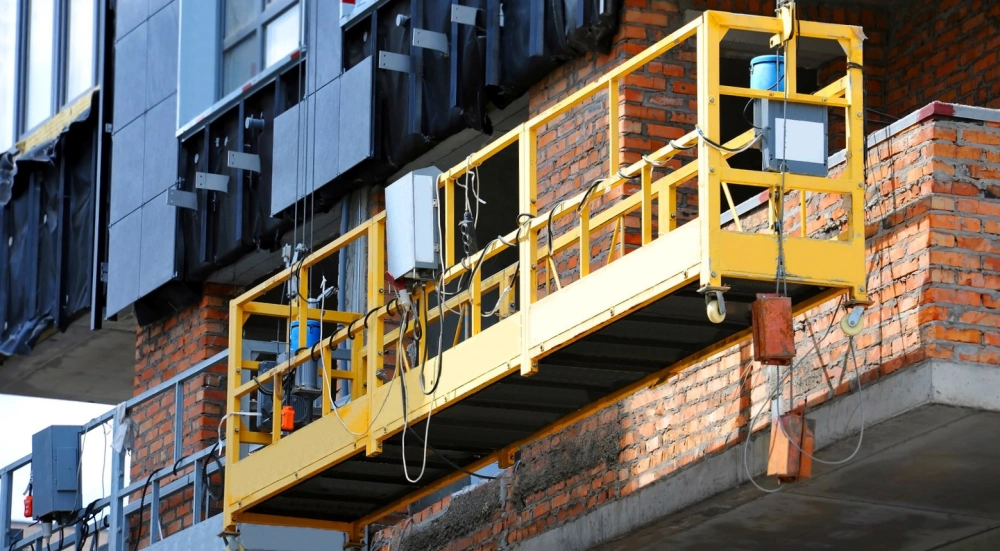
You face many risks when you work on suspended platforms. Falls from height, falling objects, and structural instability are some of the most common hazards in construction and industrial environments. The table below highlights these dangers:
Hazard Type | Description |
|---|---|
Structural Instability | Improperly erected scaffolds can collapse under weight, causing accidents. |
Falls from Height | Missing guardrails and unsteady platforms increase the risk of injury. |
Falling Objects | Tools and materials can fall, endangering workers below. |
Electrocution | Contact with power lines can lead to serious electrical injuries. |
Scaffolding Collapse | Weak components can cause collapse; regular inspection prevents failures. |
You can reduce these risks by following strict safety practices for suspended platforms. Proper training helps you recognize unsafe conditions and use personal protective equipment correctly. When you know how to inspect your gear and understand load capacities, you help create a safer worksite.
Training also builds a proactive safety mindset, which improves worker safety and team awareness. By focusing on safety standards, you protect yourself and your coworkers from preventable injuries.
Compliance and Industry Standards
You must meet strict compliance requirements to operate suspended platforms legally and safely. Industry standards, such as ANSI and OSHA, set clear rules for equipment, inspection, and operation. These standards ensure that your suspended platform meets the highest safety standards and reduces the risk of accidents.
When you follow these regulations, you avoid costly fines and project delays. Regular inspections and documentation keep your site in line with compliance rules. Meeting these standards also shows your commitment to safety and professionalism.
By prioritizing compliance, you build trust with your team and clients, and you help extend the life of your equipment.
Powerful Machinery Suspended Platform Features
Certified Safety and Durability
You need equipment that stands up to the toughest job sites. Powerful Machinery suspended working platforms deliver this strength through certified safety and proven durability. Each platform meets strict international standards, so you can trust your equipment every day.
The table below highlights the key regulations and standards that guide the design and manufacturing of these platforms:
Regulation | Description |
|---|---|
OSHA 1910.28 and 1926.451 | Scaffolds must support at least four times the maximum intended load and undergo inspections. |
OSHA 1926.20 | General safety rules for scaffolding, including assembly and fall protection. |
OSHA 1926.45 | Suspension scaffolds require wire ropes that support six times the intended load. |
OSHA 1926.104 | Fall protection systems, such as safety belts and lifelines, must be used at all times. |
ANSI A92.2 | Sets standards for design, operation, and emergency procedures for work platforms. |
You benefit from platforms built with high-tensile steel and reinforced frames. These materials resist deformation and handle heavy loads. Regular inspections and compliance with these standards help you avoid costly accidents and keep your team safe.
Tip: Always check for certification labels on your platform before starting work. Certified platforms give you peace of mind and help you meet legal requirements.
Advanced Safety Mechanisms
Powerful Machinery integrates advanced safety features that go beyond industry norms. These mechanisms protect you and your crew, even in unexpected situations. The table below outlines the main safety features you will find on every platform:
Safety Feature | Description |
|---|---|
Safety locks | Grip the suspension ropes securely. |
Independent operation of safety locks | Work even if the hoist fails. |
Redundant safety systems | Add extra layers of protection for every worker. |
You gain extra confidence with these built-in protections. Safety locks hold the platform steady, while redundant systems provide backup if one part fails. Independent safety locks ensure you stay secure, even during a hoist malfunction. These features help you focus on the job, knowing your platform supports your safety at every step.
Suspended Platform Inspection Essentials
Inspection Preparation and Frequency
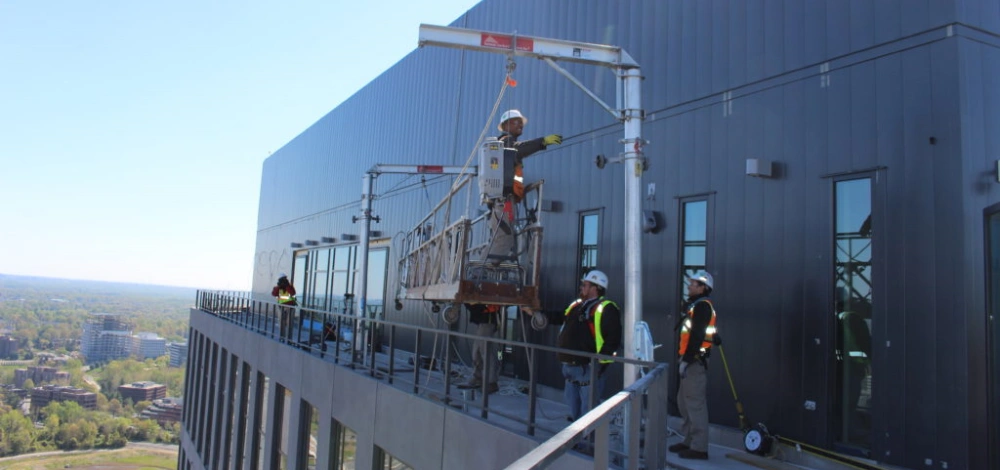
You must start every suspended platform inspection with thorough pre-inspection preparation. Review the manufacturer’s documentation and safety guidelines from Powerful Machinery. Gather all necessary tools and checklists before you begin the on-site inspection process.
Schedule inspections based on industry standards to maintain consistent safety and performance. The table below shows recommended frequencies for key inspection tasks:
Inspection Task | Frequency |
|---|---|
Electromagnetic Brake and Cables | Every two months |
Safety Lock Calibration | Every six months |
Routine inspection helps you identify hazards early and keeps your equipment in top condition. You protect your team and avoid unexpected downtime by following these intervals.
Assigning Qualified Personnel
Assigning qualified personnel is essential for a safe suspended platform inspection. Only trained and certified individuals should handle the inspection process. You must verify credentials and ensure each inspector meets strict requirements. The table below outlines the qualifications needed:
Qualification Type | Description |
|---|---|
Certified Training | Completion of a certified suspended access equipment training program. |
Valid License or Permit | Requirement for a specific license or ‘high work operation’ certificate. |
Health Requirements | Passing a physical exam certifying medical fitness for work at heights. |
PPE Knowledge | Understanding of how to wear and inspect safety harnesses, lifelines, etc. |
You build a safer work environment when you select personnel who understand safety procedures and equipment.
Customizing Inspection Templates
Digital templates streamline the suspended platform inspection process. You can create standardized checklists and approval workflows that align with Powerful Machinery’s documentation. Templates improve efficiency because you can reuse them for multiple inspections.
Features like image attachment and non-conformity marking on photos increase accuracy. The mobile app lets you complete checklists quickly and reference product specifications during inspections.
Standardized templates ensure consistency among inspectors.
Image attachments help document issues visually.
Marking non-conformities directly on images improves clarity.
Mobile apps speed up checklist completion and support real-time updates.
You enhance safety and compliance by using digital tools for every inspection.
Suspended Platform Inspection Checklist
Daily Inspection Steps
You must begin each workday with a thorough suspended platform inspection checklist. This routine protects your team and ensures the platform operates safely. Start by reviewing the structural integrity and stability of the platform. Check that all fasteners connect securely and that no parts show signs of damage or excessive wear.
The table below outlines the essential components you need to inspect daily:
Component | What to Look For | Status (Pass/Fail) |
|---|---|---|
Hoists | Smooth operation, no unusual noises | |
Wire Rope | No kinks, no more than 10% broken wires | |
Stirrups | Securely bolted to the platform | |
Guardrails | Mid-rails and toe-boards in place | |
Anchorage | Counterweights secured and labeled |
You should also verify the functionality of safety locks, brakes, and electrical components. Inspect the steel ropes for proper tension and signs of wear. Lubricate all moving parts as needed to maintain smooth operation.
These daily steps form the foundation of your suspended platform inspection checklist and help prevent accidents before they occur.
Tip: Always document your findings immediately after each inspection. Consistent records support compliance and make it easier to track recurring issues.
Periodic and Post-Use Checks
In addition to daily routines, you need to perform periodic and post-use checks to maintain long-term safety. These inspections go beyond surface-level reviews and address deeper structural and operational concerns.
Inspect all scaffold materials for defects before each use. Replace any damaged components right away.
Conduct a suspended platform inspection at the end of each shift to identify hazards or structural weaknesses that may have developed during operation.
Verify that platforms are fully planked or decked. Ensure they can support at least four times the intended load.
Review the condition of safety devices, including locks and emergency stop systems.
Examine electrical systems for signs of overheating or exposed wiring.
You should schedule these checks at regular intervals, such as weekly or monthly, depending on your project’s demands. Post-use inspections are critical after major repairs, severe weather, or any incident that could affect platform integrity.
By following a comprehensive suspended platform inspection checklist, you reduce the risk of equipment failure and extend the lifespan of your platform.
Digital Checklist Example
Digital checklists have transformed the way you manage suspended platform inspection. These tools streamline your workflow, improve accuracy, and provide real-time documentation. Unlike paper-based methods, digital checklists allow you to enter data instantly, attach photos, and assign corrective actions on the spot.
The table below compares digital and traditional inspection methods:
Feature | Digital Checklist | Paper-Based Method |
|---|---|---|
Efficiency | Immediate data entry and reporting | Manual entry and delays |
Accuracy | Structured inputs reduce human error | Prone to mistakes and misinterpretations |
Real-Time Reporting | Instant updates on findings | Delayed reporting |
Photo/Video Evidence | Supports findings visually | No visual proof available |
Conditional Logic | Expands inspection based on findings | Fixed checklist |
Task Assignment | Assigns corrective actions within the app | Manual tracking of issues |
Customization | Tailored templates for specific needs | Standardized forms only |
Integration | Links with other management systems | Standalone process |
Missed Checks | Conditional logic reduces oversight | High risk of missed items |
Delayed Corrective Action | Rapid response through task assignment | Slower response times |
You can customize digital checklists to match your suspended platform inspection checklist requirements. For example, you can add fields for specific components, set reminders for periodic checks, and upload images of any defects.
This approach ensures you never miss a critical step and helps you maintain a high standard of safety throughout every operation.
Note: Digital checklists not only improve efficiency but also support compliance by creating a clear audit trail for every inspection.
By using a detailed suspended platform inspection checklist every day, performing periodic and post-use checks, and leveraging digital tools, you create a safer work environment and ensure your equipment remains reliable.
Component Safety Inspection
Platform and Structure
You must inspect the platform and its structure before every use to ensure reliability and safety. Focus on the main components that support your work. The table below shows the key structural parts you need to check during a suspended platform inspection:
Group | Components |
|---|---|
1 | Trusses, corner or angled sections, platform modules |
2 | Stirrups, module connectors, end frames |
Check every weld for cracks or signs of fatigue. Non-Destructive Testing (NDT) helps you find hidden flaws that could affect reliability. Always confirm that all connectors and frames are free from deformation.
Suspension and Anchorage
You must pay close attention to the suspension and anchorage systems. These parts hold the entire platform in place. Follow these best practices for inspection:
Secure tiebacks to a structurally sound anchorage, never to vents or conduits.
Install tiebacks perpendicular to the building’s face or use opposing-angle tiebacks.
Make sure tiebacks match the strength of the suspension and hoisting ropes.
Inspect the anchorage system and suspension ropes before every use.
Stabilize outrigger beams and never remove counterweights during operation.
Confirm the platform can support four times the intended weight.
These steps help you maintain reliability and prevent dangerous failures.
Hoist and Mechanical Parts
You need to check all hoists and mechanical parts for wear and proper function. Focus on these critical areas:
Limit switches: Test for sensitivity and reliability.
Fall arrestor safety device: Check validity and test if needed.
Door interlock device: Ensure it works to prevent accidental entry.
Transmission system: Inspect gears and racks for wear.
Wire rope: Look for broken strands or deformation.
Connection points: Tighten loose bolts and check for deformation.
Regular inspection of these parts keeps your platform reliable and safe.
Electrical Controls and Systems
You must inspect all electrical controls and systems before operating the platform. Check for exposed wires, overheating, and proper function of control panels. Test emergency stop buttons and verify that all safety interlocks work as intended. Reliable electrical systems prevent unexpected shutdowns and keep your team safe.
Safety Devices and Emergency Equipment
You should always confirm that all safety devices and emergency equipment are present and functional. The table below highlights the essentials:
Safety Device / Equipment | Description |
|---|---|
Safety belt | Wear and secure properly at all times. |
Emergency stop buttons | Know how to use them in case of an emergency. |
Load limit | Never exceed the maximum load to maintain reliability. |
Inspection and maintenance | Inspect before each use to ensure all systems work correctly. |
A thorough suspended platform inspection of these components ensures reliability and protects everyone on site.
Operational Testing and Procedures
Movement and Load Testing
You must verify that your suspended platform operates safely before every project. Start with initial field tests after installation. These tests confirm that the platform meets safety standards and functions as intended. You should also schedule periodic inspections at least once every 12 months.
A competent person must check the condition of supporting structures and equipment during these inspections. Maintenance inspections are required every 30 days or before each new work cycle. Always follow the manufacturer’s recommendations for these checks.
Inspect all supporting structures for visible damage or wear.
Test the platform’s movement by raising and lowering it without a load.
Gradually add weight to confirm the platform can handle its rated capacity.
Observe for any unusual noises or jerky movements during operation.
Tip: Document every operational testing session in your inspection log. This record helps you track performance and identify recurring issues.
Emergency Stop and Descent
You need to ensure that all emergency controls work correctly. Controls for elevating the platform must be clearly labeled and easy to identify. Use only ‘hold-to-run’ controls, which return to neutral when released. This design prevents accidental operation.
Emergency stop devices must be within reach, marked ‘STOP,’ and colored red for quick identification. An overriding lowering control should be available for emergencies.
Test the emergency stop button before each shift.
Perform a trial lift at every work location before allowing workers on the platform.
Lower the platform under power to check the descent function.
Make sure hoisting and lowering devices operate slowly and smoothly.
Note: Never skip emergency function checks. These steps can save lives during unexpected events.
Stability and Rope Failure Simulation
You must confirm the platform’s stability under different conditions. Simulate rope failure scenarios in a controlled environment. This process helps you verify that safety locks and backup systems engage properly. Check that the platform remains stable and does not tilt or sway excessively.
Simulate a rope failure by releasing tension on one suspension rope.
Observe if the safety lock activates and holds the platform securely.
Inspect the platform for any signs of instability or excessive movement.
Reset all safety devices after testing.
A thorough approach to stability and rope failure simulation ensures your team’s safety and builds confidence in your suspended platform system.
Suspended Platform Safety Regulations
Operator Qualifications and PPE
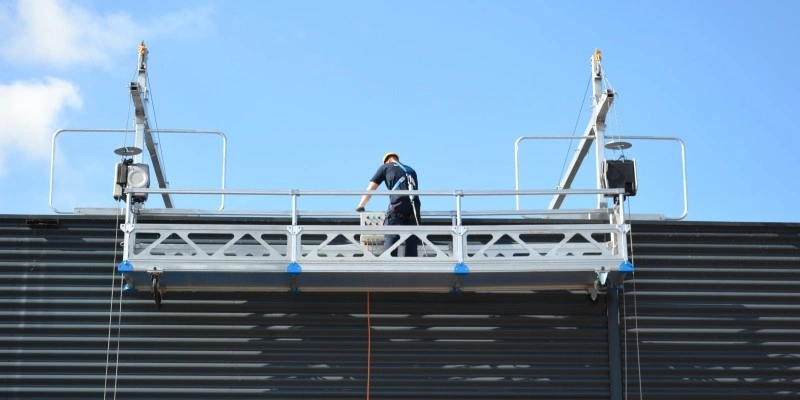
You must meet strict operator qualifications to ensure suspended platform safety. Only trained and certified workers should operate these platforms. You need to wear personal fall protection equipment at all times. This includes:
Full body harness
Shock-absorbing lanyard
Lanyard secured to a designated anchorage point
Anchorages must have a minimum breaking strength of 8 kN (1800 lb.) for each lanyard. These safety measures protect you from falls and meet all current regulations for suspended platform safety operation.
Load Management and Weather Precautions
You must follow operating regulations for load management and weather. Never carry loads over people. Always keep a safe radius of at least 10 feet from where a suspended load could fall. Understand the type of load and equipment you use, including height, size, and weight.
Plan the path of travel for each load. Consider wind and temperature, as these can affect load stability. Provide training and set up communication systems for anyone in the fall zone. Use exclusion zones in public areas to keep people safe. These regulations help you avoid accidents and maintain safety.
Emergency and Prohibited Actions
You must follow regulations that prohibit unsafe actions during operation. The table below lists actions you must avoid:
Prohibited Actions |
|---|
The suspended platform must not be lifted or moved obliquely. |
The brake device and safety lock must not be disabled during operation. |
The self-locking device must not be disabled during operation. |
Unauthorized pulling or shaking of the suspended platform is prohibited. |
Dismantling or modifying the anti-fall device and safety wire rope weight is not allowed. |
The hanging basket electric control box must not be connected to other electrical equipment. |
Following these operating regulations keeps your team safe and ensures compliance with all suspended platform safety regulations.
Maintenance and Record-Keeping
You must perform preventive maintenance and keep detailed records to comply with regulations. The table below outlines best practices:
Best Practices for Maintenance and Record-Keeping | Description |
|---|---|
Regular Inspections | Identify safety hazards and ensure compliance with safety standards. |
Maintenance Schedules | Follow the mandated maintenance schedule for safety and efficiency. |
Systematic Maintenance | Regular upkeep and cleaning prevent equipment failure. |
Documentation of Inspections and Repairs | Keep detailed records for compliance and accountability. |
Overhaul of Equipment | Replace outdated components during scheduled intervals. |
Preventive maintenance and a post-inspection review help you identify issues early and extend equipment life. These regulations support a safe work environment and reliable platform operation.
Safe Movement and Disassembly
Supervision and Site Safety
You must follow strict supervision protocols to ensure safe movement and disassembly of suspended platforms. Begin with a trial lift to determine the minimum separation between the travelling block and the stationary block. If the minimum separation is at least 20 feet, identify the load line.
When the separation is less than 20 feet, flag the load line and assign a safety watch. Equip the safety watch with a warning device that alerts the crane operator. Make sure the warning device works effectively in your site conditions. Stop hoisting immediately when the warning device activates.
Maintain a line speed not exceeding 100 feet per minute when hoisting personnel. Provide adequate supervision at every stage to guarantee compliance with these procedures.
Tip: Always assign a dedicated supervisor during platform movement and disassembly. This person ensures all safety protocols are followed and responds quickly to any hazards.
Disassembly Steps
You must approach disassembly with careful planning and attention to detail. Start by clearing the area and removing all tools and materials from the platform. Disconnect power sources and secure all electrical systems. Lower the platform to its resting position and stabilize it.
Remove counterweights only after confirming the platform is secure. Detach suspension ropes and anchorage points in sequence. Disassemble structural components, such as trusses and stirrups, one at a time.
Use proper lifting techniques and avoid rushing the process. Document each step to maintain a clear record.
Clear the work area before starting.
Disconnect electrical systems safely.
Lower and stabilize the platform.
Remove counterweights after securing the platform.
Detach suspension ropes and anchorage points.
Disassemble structural components in order.
Record each step for accountability.
Post-Disassembly Checks
After completing disassembly, you must perform thorough post-disassembly checks. Inspect all components for damage or excessive wear. Clean and store parts according to manufacturer guidelines.
Review your documentation to confirm every step was followed. Report any issues to your supervisor and schedule repairs if needed. These checks help you maintain equipment reliability and prepare for future use.
Post-Disassembly Checklist | Action Required |
|---|---|
Component Inspection | Check for damage or wear |
Cleaning and Storage | Follow manufacturer guidelines |
Documentation Review | Confirm all steps are completed |
Reporting Issues | Notify supervisor immediately |
Scheduling Repairs | Arrange maintenance if needed |
You create a safer work environment by following these safe movement and disassembly procedures. Proper supervision, careful disassembly, and detailed post-disassembly checks protect your team and extend the life of your suspended platform.
Digital Tools for Inspection and Compliance
Using eAuditor for Inspections
You can transform your suspended platform inspection routine with digital tools like eAuditor. This platform gives you customizable templates that match your specific platform type and local regulations. You start each inspection by defining the frequency, assigning responsibilities, and uploading guidelines.
During the process, you use a mobile device to check each item, record results, and attach photos or videos as proof. Conditional logic in the checklist helps you avoid missed steps. After the inspection, eAuditor generates reports automatically, making it easy to share findings and review recurring issues.
This approach streamlines your operation and supports compliance at every stage.
Feature | Benefit |
|---|---|
Customizable Templates | Tailored to platform type and local regulations. |
Photo/Video Evidence | Supports findings with visual proof. |
Real-Time Alerts | Escalates critical safety hazards instantly. |
Analytics & Trend Analysis | Identifies recurring risks across projects. |
Integration | Links with maintenance and compliance management systems. |
Real-Time Alerts and Documentation
You receive instant alerts when eAuditor detects a critical safety hazard during operation. This feature allows you to respond quickly and keep your team safe. You can document every step of the inspection process with photos, videos, and notes.
These records create a clear audit trail for compliance and make it easy to track corrective actions. Reports are available in real time, so you can share them with supervisors or Powerful Machinery’s support team for fast maintenance scheduling.
This integration ensures you never miss a critical issue and maintain operational reliability.
Corrective Actions and Analytics
You improve safety outcomes by using digital tools to track corrective actions and analyze trends. Mobile apps let you log hazards and assign repairs during operation. Data tracking helps you spot risky patterns before incidents happen.
Regular reviews of reports encourage continuous improvement and help you prioritize safety training. Benchmarking across different sites lets you compare performance and share best practices. When you learn from incidents and review root causes, you prevent future problems and strengthen your compliance program.
Powerful Machinery’s support team can access these reports to provide targeted maintenance and ensure your platform stays in top condition.
Tip: Use analytics to identify recurring issues and schedule preventive maintenance before they affect your operation.
Benefits of Comprehensive Inspection
Enhanced Safety and Fewer Accidents
You improve safety every time you complete a thorough inspection. When you check each component and follow a detailed checklist, you reduce the risk of accidents on your job site. You spot hazards before they cause harm. You ensure that all workers understand the importance of suspended platform safety.
This proactive approach builds a culture where everyone looks out for each other. You create a safer environment for every team member.
Tip: Encourage your crew to report any safety concerns immediately. Quick action prevents small issues from becoming major incidents.
Improved Compliance and Confidence
You meet industry standards when you follow a comprehensive inspection routine. You avoid fines and project delays by keeping your records up to date. You show clients and regulators that you take safety seriously.
This commitment builds trust and confidence in your operation. The table below highlights how regular inspections support compliance:
Benefit | Result |
|---|---|
Accurate Documentation | Pass audits with ease |
Routine Checks | Meet ANSI and OSHA requirements |
Trained Personnel | Demonstrate professional competence |
You gain peace of mind knowing your equipment meets all legal and industry requirements.
Longer Equipment Life
You extend the life of your suspended platform with regular inspection and maintenance. You catch wear and tear early, which helps you avoid costly repairs. You keep your platform in top condition, so it performs reliably during every operation.
You also reduce downtime and increase productivity. A well-maintained platform supports your business for years.
Schedule maintenance after each inspection.
Replace worn parts before they fail.
Store equipment properly after use.
You protect your investment and ensure your platform remains safe and effective.
Conclusion
You protect your team and your investment when you follow a suspended platform inspection checklist and periodic safety rules. Powerful Machinery’s suspended platforms give you reliable performance and advanced features.
Digital inspection tools help you document every step and respond quickly to issues. Choose these best practices to improve safety, boost efficiency, and build trust on every project.
FAQ
What is a suspended platform?
A suspended platform is a temporary elevated work system. You use it for high-rise construction, facade maintenance, and industrial access. Powerful Machinery designs platforms to meet ANSI standards and ensure safe operation.
How often should you inspect a suspended platform?
You must inspect the platform daily before use. Schedule periodic checks every month and after major repairs or severe weather. Follow manufacturer guidelines for best results.
What safety equipment do you need when operating a suspended platform?
You need a full body harness, shock-absorbing lanyard, and secure anchorage. Always wear personal protective equipment. Check all gear before starting work.
How do digital inspection tools improve safety?
Digital tools let you record findings instantly, attach photos, and assign corrective actions. You get real-time alerts for hazards. This process improves accuracy and supports compliance.
Where can you find support or spare parts for Powerful Machinery suspended platforms?
You can contact Powerful Machinery directly for technical support, spare parts, and warranty coverage. Visit Powerful Machinery’s official website for assistance.