Blog
Chain Hoist Inspection and Maintenance Guide
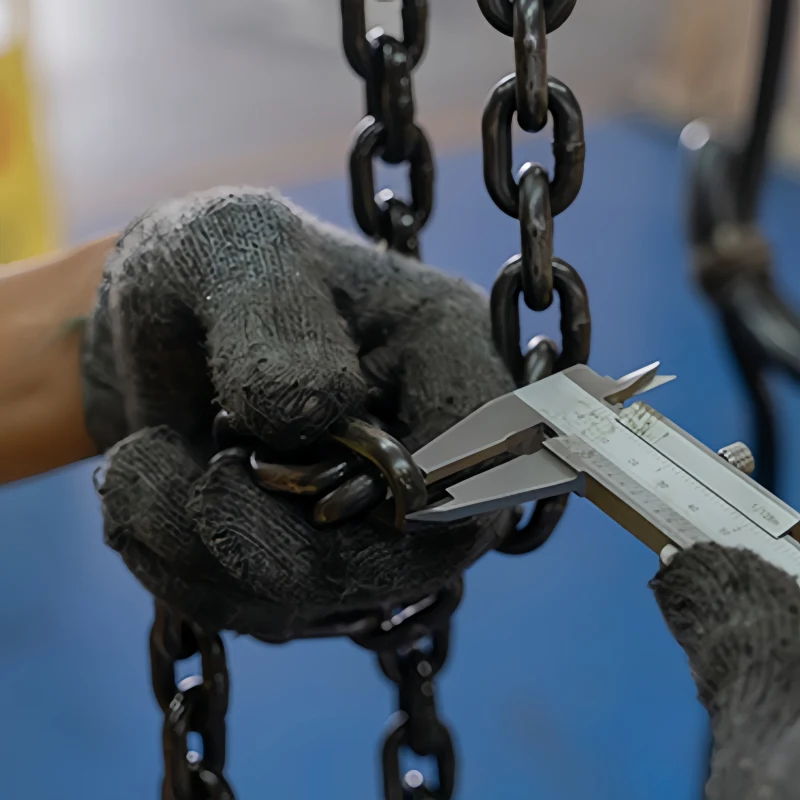
Hoist inspection and maintenance guide for chain hoists: ensure safety, compliance, and equipment reliability with proven inspection and care routines.

Hoist inspection and maintenance guide for chain hoists: ensure safety, compliance, and equipment reliability with proven inspection and care routines.
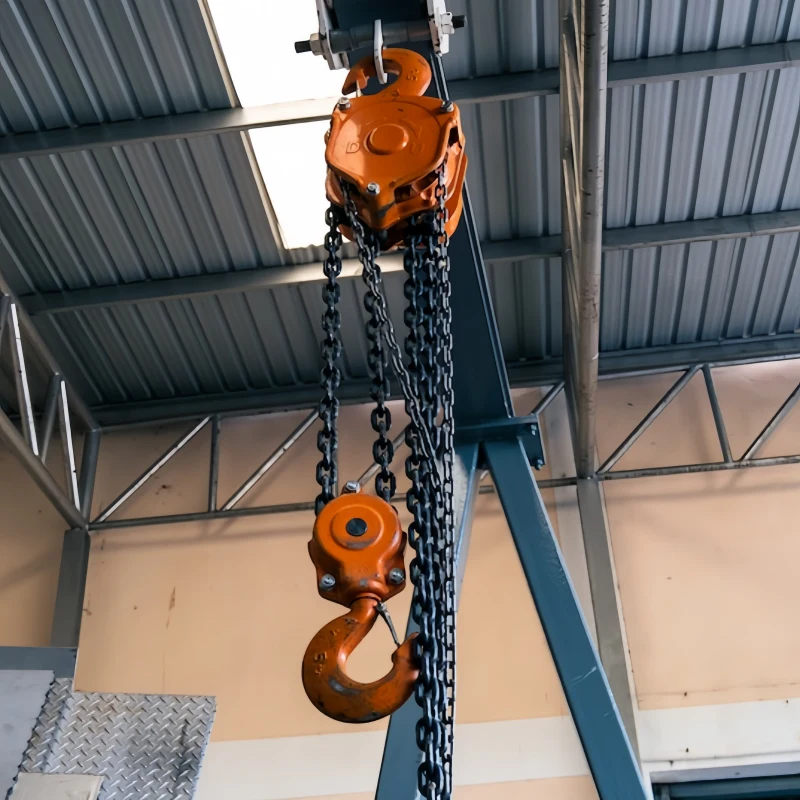
Manual and electric chain hoists offer standard and custom lift heights. Choose the right chain length by measuring your lifting distance and workspace needs.
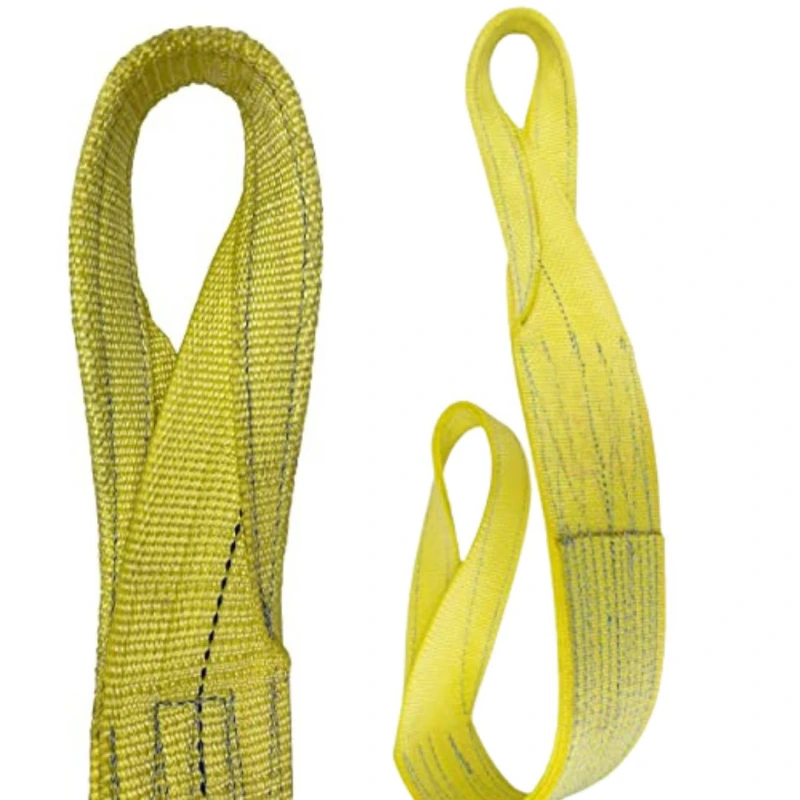
Synthetic slings must be inspected to prevent accidents, meet OSHA standards, and ensure safe lifting by identifying damage before use.
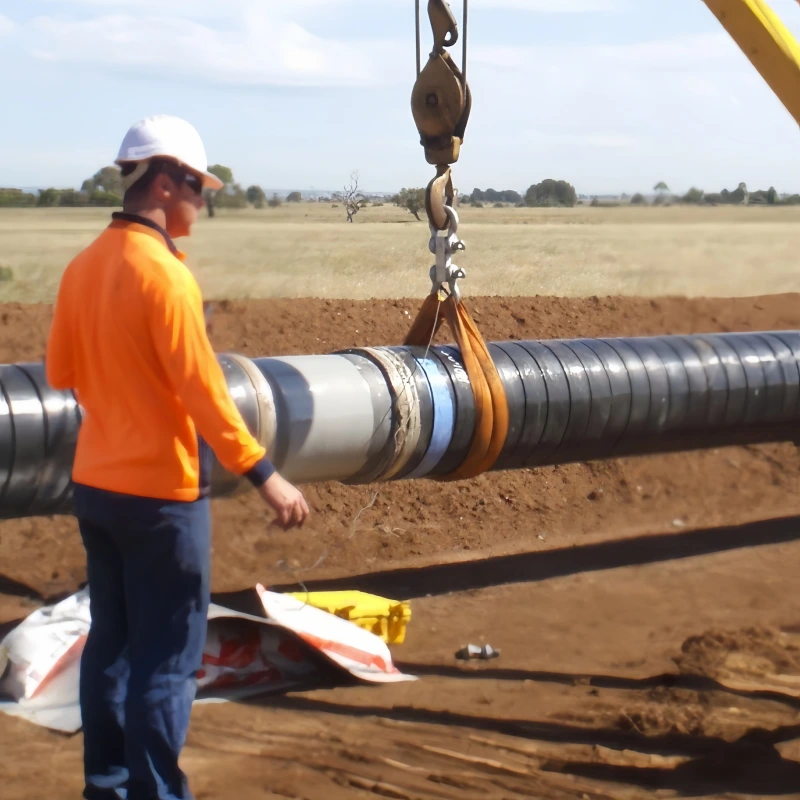
Understand lifting sling configurations—vertical, basket, and choker—their uses, angle effects on capacity, and why regular inspections ensure safe lifting.
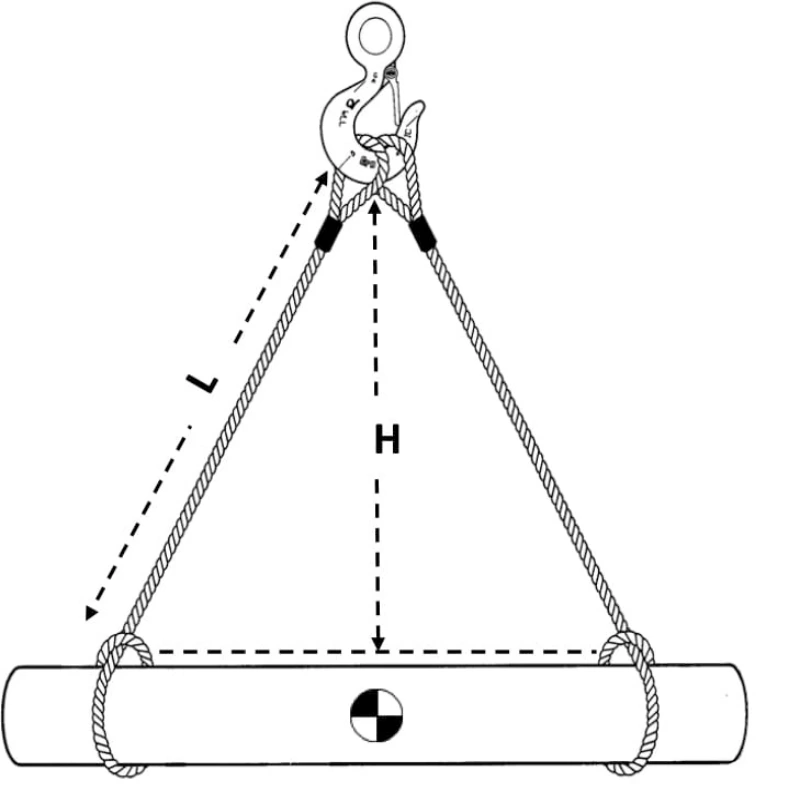
Sling angles in lifting operations impact safety, working load limits, and equipment choice. Learn calculation methods and best practices for accident prevention.
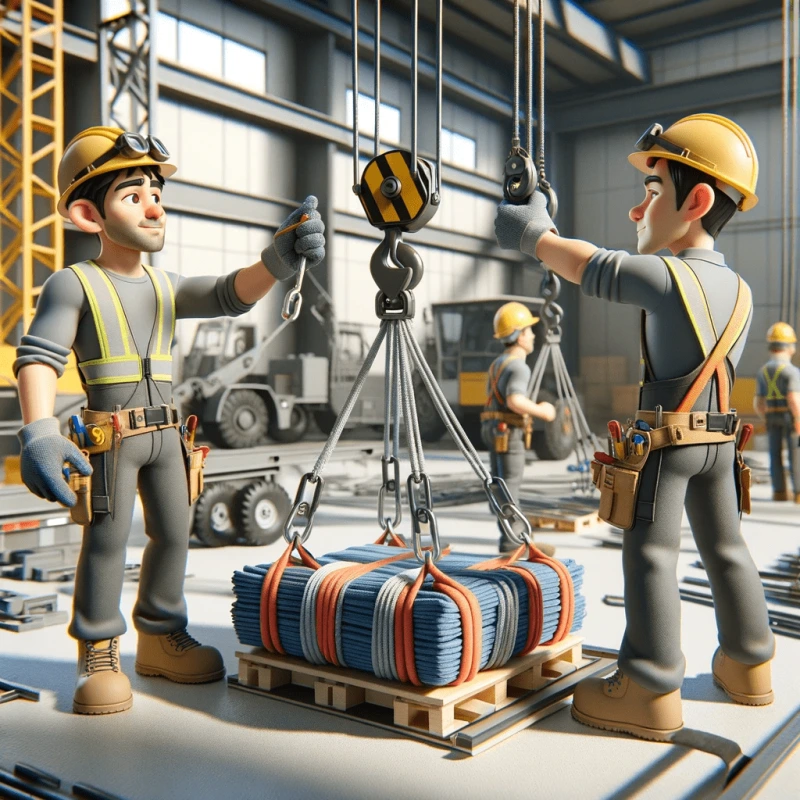
Rigging and Slinging Safety covers best practices, training, equipment inspection, legal standards, and rigger responsibilities for safe heavy lifting.
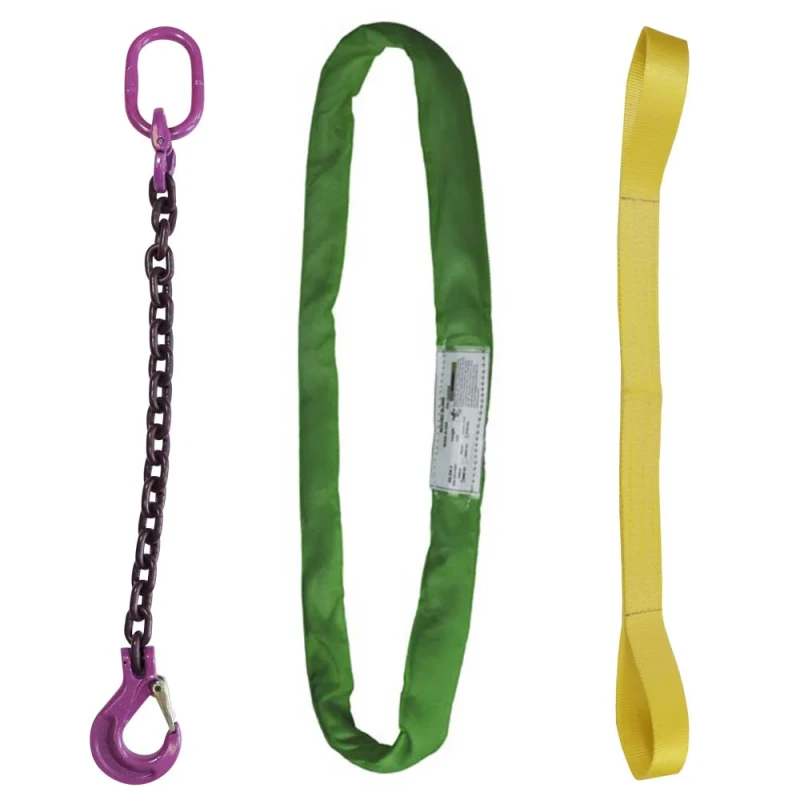
Types of slings include chain, wire rope, and synthetic options. Compare their uses to select the safest and most effective sling for your lifting tasks.
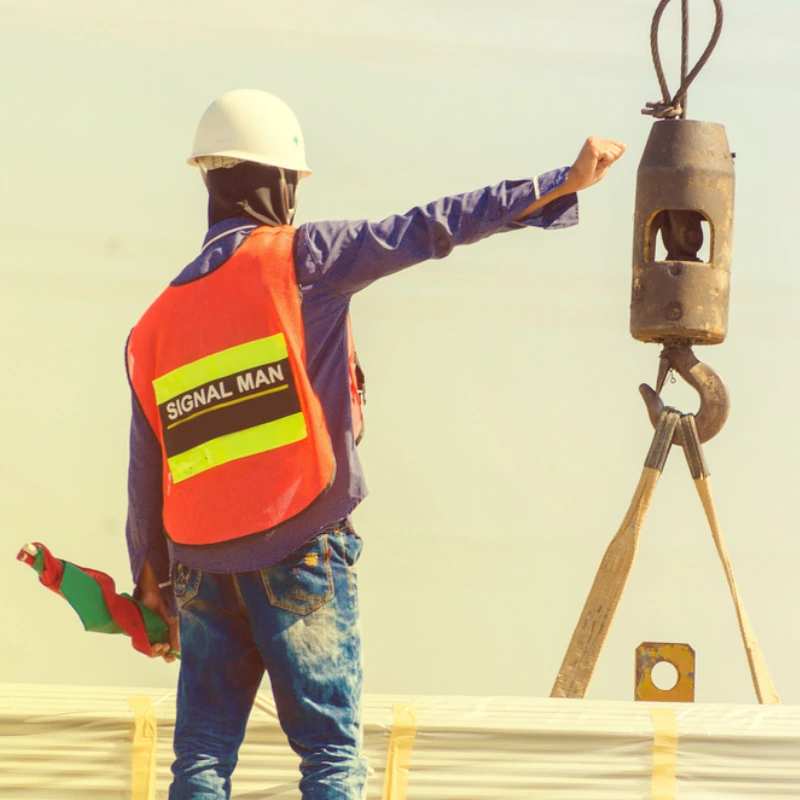
Rigging and Slinging Safety tips for pros: inspect slings, choose certified gear, follow load limits, and use proper techniques for safer lifts.
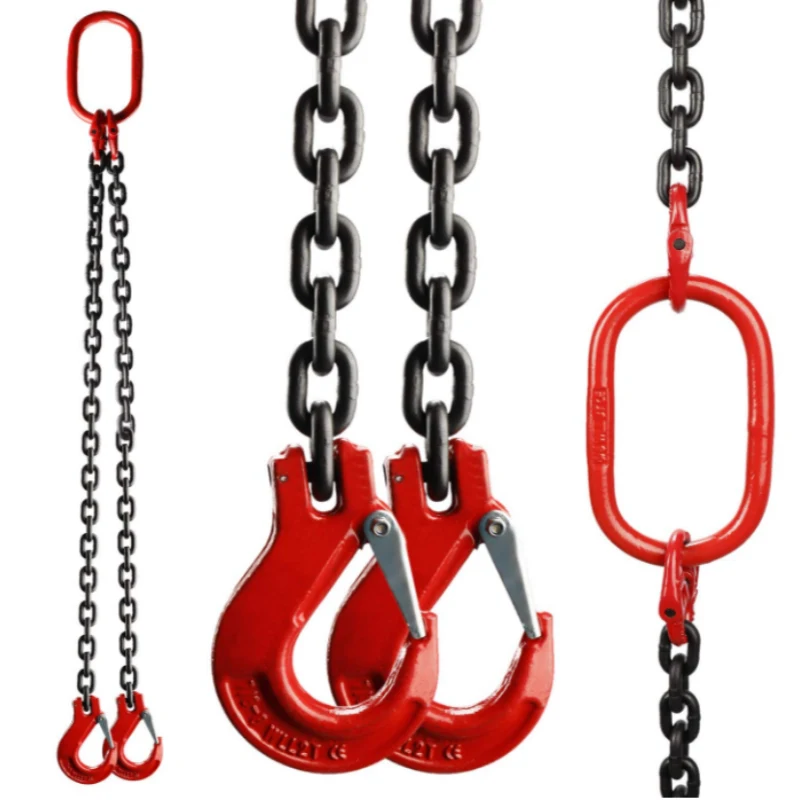
Types of lifting chains explained: grades, materials, standards, configurations, applications, selection, safety, and top manufacturers for industrial use.
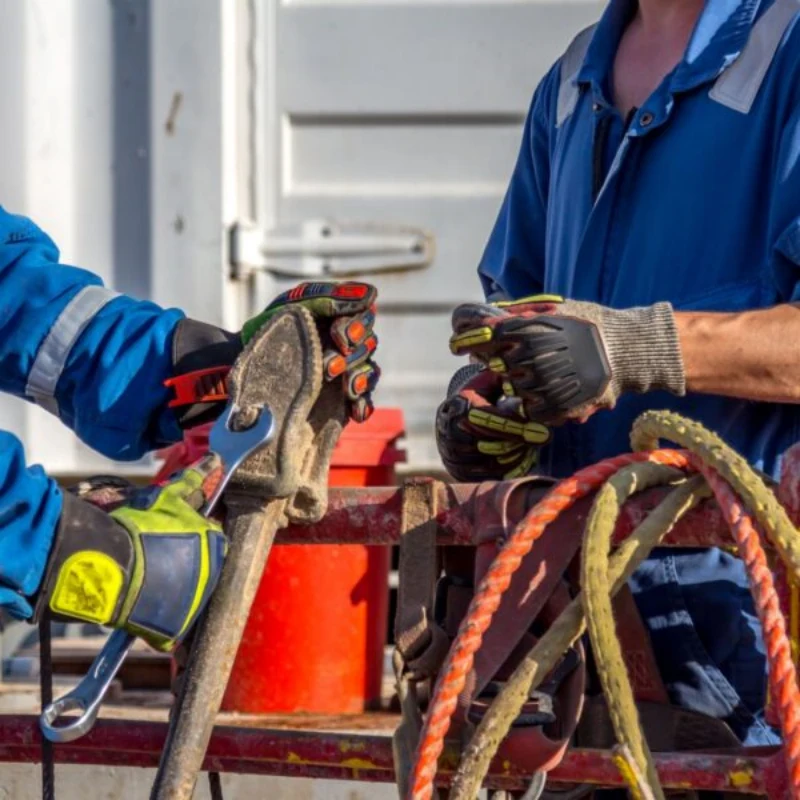
Follow this rigging equipment repair checklist to maintain lifting and rigging equipment safety, prevent accidents, and ensure OSHA/ASME compliance.
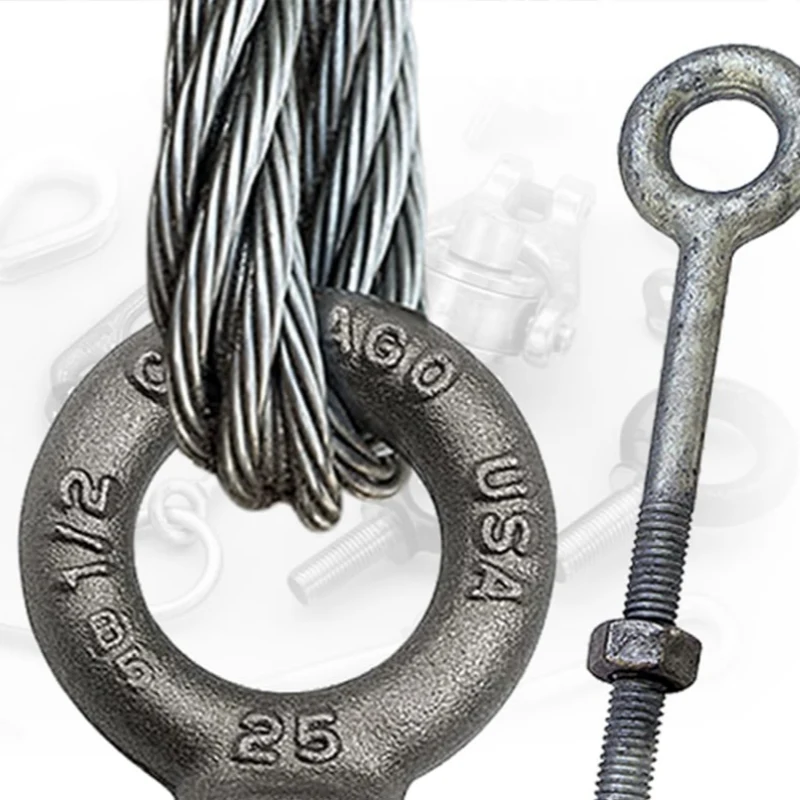
Regular nut eyebolts, non-shouldered eyebolts, and modified types are not allowed for rigging due to safety risks and failure to meet standards.
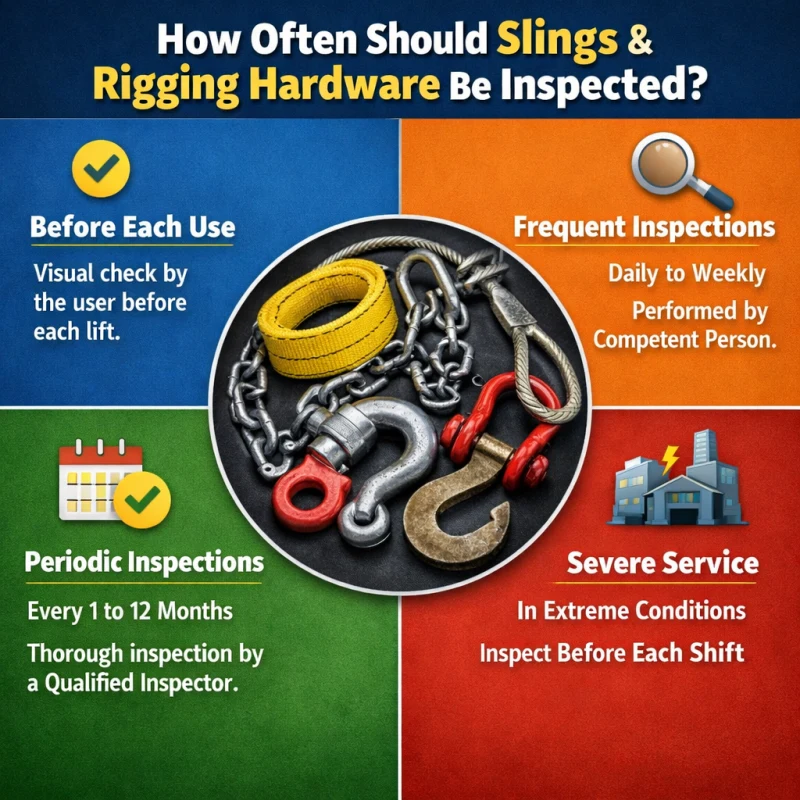
Slings and rigging equipment inspection must follow OSHA and ASME rules: inspect before use, then monthly, quarterly, or annually based on service.