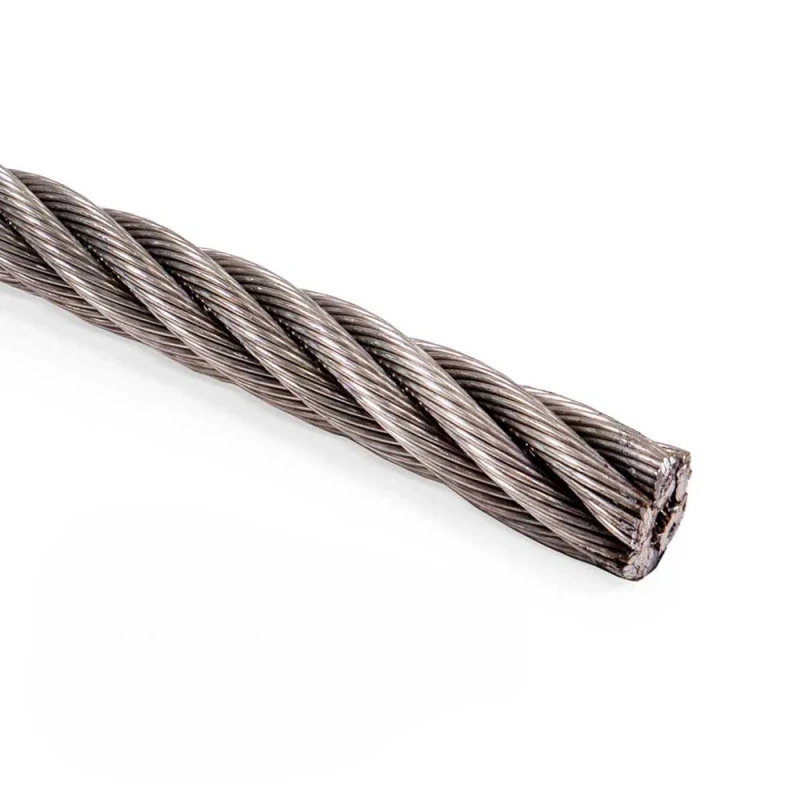
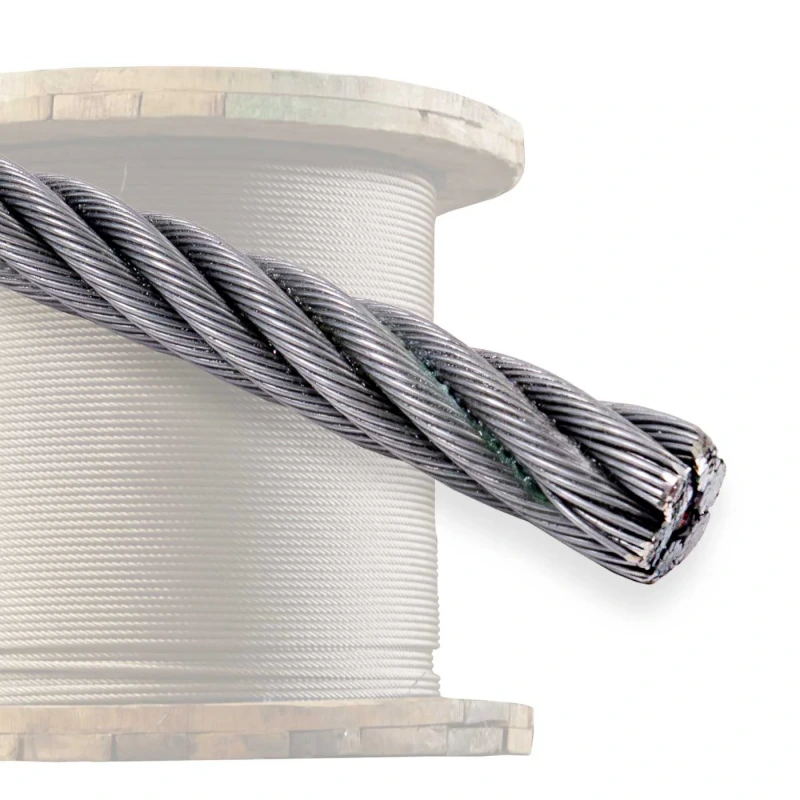
Choosing between coated and uncoated wire rope shapes the safety and performance of your lifting or rigging operation. Coated wire rope adds a protective layer for better corrosion resistance and flexibility. Uncoated wire rope offers higher raw strength for heavy-duty tasks.
Powerful Machinery’s Steel Wire Rope delivers high-performance solutions for both types. You can see how different coatings serve unique industries in the table below:
Coating Type | Application |
|---|---|
PVC Coated | Construction |
Nylon Coated | Marine & Fishing |
Uncoated | Industrial & Crane, Mining, Others |
Key Takeaways
Coated wire rope offers better corrosion resistance and flexibility, making it ideal for outdoor and marine environments.
Uncoated wire rope provides maximum raw strength, making it suitable for heavy-duty lifting and industrial applications.
Consider environmental factors when choosing wire rope; coated options excel in harsh conditions, while uncoated options work best indoors.
Safety is enhanced with coated wire rope due to its smoother surface, reducing the risk of hand injuries during handling.
Consult with experts to select the right wire rope type for your specific application, ensuring safety and efficiency.
Coated vs Uncoated Wire Rope Overview
Key Differences
When you compare coated vs uncoated wire rope, you see clear differences in structure, performance, and application. Coated wire rope features a steel core with an outer layer made from materials like PVC or nylon. This coating adds a barrier that protects the steel from moisture, chemicals, and abrasion.
You get a smoother surface that reduces wear on pulleys and hands. The coating also improves flexibility, making it easier to handle in many environments.
Uncoated wire rope, on the other hand, consists of pure steel strands without any protective layer. This design gives you maximum raw strength and direct contact with the load. You benefit from higher load capacity and less stretch under tension.
Uncoated wire rope works best in heavy-duty lifting, construction, and mining, where strength and durability matter most.
Powerful Machinery brings decades of expertise to both types. The company engineers each steel wire rope for top performance, whether you need the added protection of a coated product or the unmatched strength of an uncoated solution.
Here is a quick comparison to help you visualize the main distinctions:
Feature | Coated Wire Rope | Uncoated Wire Rope |
|---|---|---|
Surface Protection | Yes (PVC, Nylon, etc.) | No |
Corrosion Resistance | High | Moderate |
Flexibility | Enhanced | Standard |
Raw Strength | Slightly Lower | Maximum |
Typical Use | Marine, Outdoor, Safety | Heavy Lifting, Mining |
Choosing the Right Type
Selecting between coated and uncoated wire rope depends on your project’s needs and environment. You should consider these factors:
Exposure to Elements: If your wire rope faces water, chemicals, or outdoor conditions, a coated option offers better corrosion resistance and longer service life.
Load Requirements: For maximum lifting strength, uncoated wire rope provides the highest capacity. It suits cranes, hoists, and mining equipment.
Handling and Safety: Coated wire rope feels smoother and safer to handle. It reduces the risk of hand injuries and equipment wear.
Flexibility Needs: If you need a wire rope that bends easily around pulleys or through tight spaces, a coated product delivers greater flexibility.
Tip: Consult with Powerful Machinery’s technical team. They can help you match the right wire rope to your application, ensuring safety and efficiency.
You can trust Powerful Machinery’s steel wire rope for both coated and uncoated solutions. The company tests every product to meet international standards. You get reliable performance, whether you work in construction, marine, or industrial settings.
What is Coated Wire Rope?
Structure and Materials
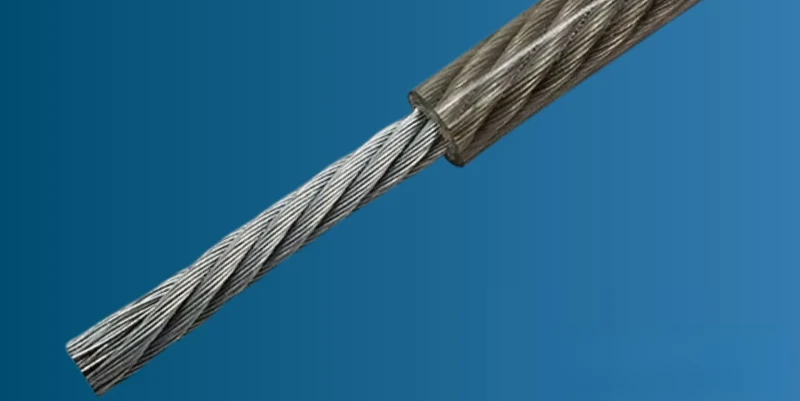
You encounter coated cable in many industries where safety and durability matter. This type of cable starts with a strong steel wire rope core. Manufacturers then add a layer of material around the steel. The most common coatings include PVC and nylon.
These materials give the cable extra strength and flexibility. PVC coating acts as a shield against abrasion and environmental damage. Nylon coating reduces friction and helps the cable move smoothly through pulleys or guides.
Galfan-coated steel cables also appear in civil engineering. These cables show unique mechanical properties, such as high yield strength and resistance to temperature changes. The coating materials protect the steel from moisture, chemicals, and UV rays.
You get a cable that lasts longer and performs well in tough conditions.
Powerful Machinery offers a range of steel wire rope products with different coatings. You can choose the right coated cable for your project, whether you need extra flexibility, corrosion resistance, or a smooth surface for handling.
Benefits of Coating
You gain several advantages when you use coated cable in your operations:
PVC or nylon coatings increase abrasion resistance and protect against UV damage. This feature prevents cracking and corrosion.
The coating acts as a barrier, extending the lifespan of the cable and reducing maintenance needs.
You experience safer handling because the coating prevents kinks and frays.
Nylon coatings lower friction, which helps the cable last longer and operate more smoothly.
You can rely on coated cable for both indoor and outdoor applications. The added protection means less downtime and fewer replacements. Powerful Machinery’s coated wire rope options give you the performance and safety you need for demanding environments.
Uncoated Wire Rope Explained
Structure and Strength
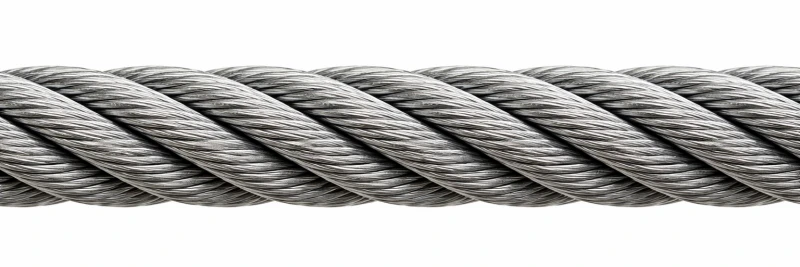
You see uncoated wire rope as the backbone of many industrial operations. This type of rope contains only steel strands, with no additional coated layer. You get direct contact between the steel and the environment. The absence of a coated surface means you maximize the raw strength of the rope.
You rely on this design when you need the highest load-bearing capacity.
Uncoated wire rope stands out for its impressive tensile strength. You can compare the values in the table below:
Type of Wire Rope | Tensile Strength |
|---|---|
Vinyl Coated Galvanized Steel Wire Rope | 480 lbs |
1/8″ Galvanized Steel Clear Vinyl Coated Wire Rope | 1,700 lbs |
You notice that uncoated wire rope often exceeds the strength of coated alternatives. You choose this option when you need a rope that will not stretch or deform under heavy loads. Powerful Machinery’s stainless steel wire rope delivers unmatched performance in these scenarios.
You benefit from a non-rotating design that prevents twisting and kinking, which adds to the overall safety and reliability.
Typical Uses
You find uncoated wire rope in the toughest environments. You see it in action on mobile cranes, overhead cranes, and lifting slings. You depend on it at oil and gas sites, automotive plants, aerospace facilities, and elevators. Industrial manufacturing environments also rely on this rope for critical lifting and support.
Here are some common applications and the features you prioritize:
Application Scenario | Wire Rope Role | Key Feature |
|---|---|---|
Drilling Rig Lines | Support heavy equipment | High strength |
Offshore Platforms | Anchoring, lifting, towing | Corrosion resistance |
Suspension Bridges | Structural support | Stability and strength |
Tower Cranes | General lifting applications | Load-bearing strength |
Logging Operations | Skidding and yarding | Durability |
You select stainless steel wire rope for these tasks because it resists abrasion and delivers consistent performance. You trust Powerful Machinery’s products for their certified quality and proven results. You know that, while coated wire rope offers extra protection, uncoated options give you the raw power needed for demanding jobs.
You can always count on stainless steel wire rope to meet the highest standards in strength and reliability.
Wire Rope Coatings Types
PVC Coating
PVC coating stands out as one of the most popular wire rope coatings. When you choose a coated cable with PVC, you add a tough, flexible shield around the steel core. This barrier blocks corrosive agents like oxygen and saltwater, which helps prevent rust and extends the cable’s life.
In salt spray tests, PVC-coated cable shows much lower corrosion rates than uncoated wire rope. You also get strong protection against chemicals, so the cable keeps its strength and reliability even in harsh environments.
The PVC jacket resists abrasion and surface damage.
You can use PVC-coated cable in the marine, construction, and transportation industries.
The smooth surface makes handling safer and more comfortable.
Tip: PVC-coated cable works well outdoors or anywhere you need extra protection from moisture and chemicals.
Nylon Coating
Nylon coating gives you a different set of advantages for coated cable. This coating combines the steel’s strength with a smooth, durable nylon sheath. You often see nylon-coated cable in high-load control systems and winch lines. The nylon layer stands up to surface wear, so the cable lasts longer in places with lots of friction.
Nylon-coated cable resists moisture, UV rays, and extreme temperatures.
The nylon sheath acts as a barrier against rust and corrosion.
You get a cable that performs well in marine environments, especially where saltwater is a concern.
Nylon-coated cable offers impressive durability and flexibility. You can rely on it for both indoor and outdoor applications where you need a long-lasting solution.
Other Coating Options
You have several other coating types to consider for wire rope finishes. Polyethylene (PE), polyurethane (PU), and thermoplastic elastomer (TPE) coatings each bring unique benefits. These wire rope coatings appear in industries like construction, marine, mining, and manufacturing.
Coating Type | Industries Commonly Used In |
|---|---|
PVC | Construction, Marine, Mining, Energy, Transportation |
Polyethylene (PE) | Construction, Marine, Mining, Energy, Transportation |
Polyurethane (PU) | Construction, Marine, Mining, Energy, Transportation |
Thermoplastic Elastomer (TPE) | Construction, Marine, Mining, Energy, Transportation |
You can match the right coated cable to your project by considering the environment and the demands of your application. Each of these coating types helps protect the steel core and extends the service life of your wire rope.
Note: Choosing the right wire rope coatings ensures your equipment stays safe and reliable, no matter the industry.
Features Comparison
Durability
You want a wire rope that stands up to repeated use and harsh conditions. Coated wire rope offers impressive durability, especially when you choose nylon coatings. These coatings reduce wear and tear during cyclic loading. The protective layer absorbs bending stresses and minimizes surface damage.
You see a longer service life compared to uncoated wire rope. This means less downtime and fewer replacements for your operation. Uncoated wire rope still delivers strong durability, but it may show more wear in demanding environments.
You benefit from high abrasion resistance with both types, but coated options excel when you need extra longevity.
Flexibility
Flexibility matters when you work with pulleys, winches, or tight spaces. Coated wire rope provides enhanced flexibility because the outer layer allows the strands to move smoothly. You find it easier to handle and install. The coating also prevents kinks and makes the wire rope safer to manipulate.
Uncoated wire rope offers standard flexibility, which works well for straight pulls and heavy lifting. If your job requires frequent bending or routing through complex systems, you gain an advantage by choosing a coated product.
Corrosion Resistance
Corrosion resistance is critical for marine, outdoor, and industrial applications. Stainless steel wire rope gives you excellent corrosion resistance due to its chromium content. This feature makes it a top choice for marine settings.
When you add a coated layer, such as vinyl or nylon, you boost corrosion resistance even further. The coating acts as a barrier, blocking moisture and chemicals from reaching the steel core. You see superior performance in saltwater exposure tests with coated wire rope.
Stainless steel grades like AISI 316 or 316L provide outstanding protection against chloride-induced corrosion, especially when combined with a coated finish. You can trust these options for the toughest environments.
Safety
Safety remains a top priority in any lifting or rigging operation. Coated wire rope improves safety by offering a smooth surface that reduces the risk of hand injuries. The coating also prevents fraying and splinters, which keeps your team protected.
You experience better abrasion resistance, which lowers the chance of sudden failure. Uncoated wire rope provides raw strength and reliability, but you must monitor it closely for signs of wear. Both types deliver high safety standards when you select certified products from Powerful Machinery.
You ensure the right balance of strength, durability, and protection for your application.
Applications of Coated vs Uncoated Wire Rope
Industrial Uses
You see Powerful Machinery’s stainless steel wire rope in action across many industrial sectors. Each industry has unique demands, and the right choice between coated and uncoated wire rope ensures safety and efficiency. The table below shows where coated wire rope stands out and why:
Industrial Sector | Reasons for Selection |
|---|---|
Construction | Durability, low maintenance costs, ability to withstand harsh conditions |
Marine | Corrosion resistance, longevity in outdoor environments |
Transport | High tensile strength, resistance to environmental wear |
Agriculture | Cost-effectiveness, durability in demanding applications |
Mining | Strength, resistance to abrasion, and fatigue |
Industrial & Crane | Essential for heavy lifting and material handling |
You rely on stainless steel wire rope for heavy lifting, material handling, and critical support. Coated options work well when you need extra protection from abrasion or chemicals. Uncoated wire rope delivers maximum strength for demanding tasks.
Marine and Outdoor Uses
You face tough conditions in marine and outdoor environments. Coated wire rope gives you a clear advantage here. The protective layer shields the steel from saltwater, moisture, and UV rays. You get corrosion resistance that uncoated wire rope cannot match.
PVC coatings, in particular, help your equipment last longer and reduce maintenance. You can trust stainless steel wire rope with a coated finish for docks, winches, and mooring lines. This combination keeps your operations running smoothly, even in harsh weather.
Coated wire ropes protect against corrosion, ideal for marine settings.
PVC coatings enhance durability and reduce wear.
You benefit from environmental resistance, which is essential for outdoor use.
Construction and Cargo Handling
You need reliable performance in construction and cargo handling. Choosing the right wire rope depends on your application requirements. Stainless steel wire rope offers high strength and stability for cranes, hoists, and lifting slings.
Coated wire rope works best when you want to minimize wear on pulleys or protect against harsh site conditions. You should consider the construction type, core type, and material. For example, a 6×19 construction provides flexibility, while an Independent Wire Rope Core (IWRC) boosts strength.
Selecting the correct diameter ensures safe lifting and balanced loads.
Tip: Always match your wire rope to the job and environment. Powerful Machinery’s range covers both coated and uncoated options, giving you confidence in every lift.
Comparison Table
Quick Reference Chart
When you need to choose between coated and uncoated wire rope, a quick comparison helps you make the right decision. You want to see the most important features side by side. This chart gives you a clear overview of how each type performs in key areas:
Feature | Coated Wire Rope (Galvanized, PVC, Nylon) | Uncoated Wire Rope (Bright) |
|---|---|---|
Corrosion Resistance | High (zinc, PVC, or nylon coating shields steel) | Low (no protective layer) |
Ideal Environment | Outdoor, marine, chemical, or wet areas | Indoor, dry, or controlled spaces |
Maintenance Needs | Occasional inspection may need recoating | Minimal, check for wear |
Flexibility | Enhanced by oan uter coating | Standard, less flexible |
Surface Protection | Yes, prevents abrasion and hand injuries | No, steel strands exposed |
Raw Strength | Slightly reduced due to coating | Maximum, direct steel contact |
Common Applications | Fencing, rigging, marine, construction, safety | Cranes, lifting slings, mining, and automotive manufacturing |
Handling Safety | Smooth, safer for hands | Rougher, may cause injuries |
Lifespan | Longer in harsh environments | Long in clean, dry settings |
Tip: You should always match your wire rope to the environment and task. Coated wire rope works best outdoors or where corrosion is a risk. Uncoated wire rope gives you maximum strength for heavy lifting indoors.
You can use this chart as a quick reference when selecting wire rope for your next project. Powerful Machinery offers both coated and uncoated steel wire rope options, so you always find the right fit for your needs.
Selecting the Best Wire Rope
Assessing Needs
You should start by identifying the main requirements for your project. Each application demands a specific type of wire rope. Consider these important factors:
Environmental exposure, such as saltwater, chemicals, or extreme weather.
Material selection, like high-carbon steel for heavy-duty lifting or stainless steel wire rope for corrosion resistance.
The construction of the wire rope, which must match the demands of your industry. For example, you need high breaking loads in construction and extra corrosion resistance in marine operations.
The impact of temperature changes, moisture, and chemicals on the wire rope’s performance and lifespan.
You can rely on Powerful Machinery’s product range to find the right coated cable or stainless steel wire rope for your needs.
Environmental Factors
You must evaluate the environment where you will use the wire rope. Temperature, humidity, and chemical exposure all influence your choice. Coated cable provides excellent protection in harsh conditions. Galvanized or PVC-coated cable resists corrosion and stands up to outdoor or marine environments.
If you work indoors or in dry settings, uncoated wire rope may be the best fit. You should always match the wire rope to the environment to ensure long service life and safety.
Performance and Safety
You need to meet strict performance and safety standards for critical applications. Review the following benchmarks when selecting wire rope:
Standard | Requirement | Purpose |
|---|---|---|
ISO 2408 | Minimum breaking force | Ensures safety by defining strength limits. |
EN 12385 | Construction and testing | Ensures reliability through rigorous testing. |
ASTM A931-18 | Tension testing procedures | Verifies breaking strength and yield strength. |
Powerful Machinery’s coated cable and stainless steel wire rope meet these international standards. You gain confidence knowing your equipment delivers both strength and protection. Always choose certified products to keep your team safe and your operations running smoothly.
Conclusion
When you compare coated vs uncoated wire rope, you see that coated cable offers superior corrosion resistance, longer service life, and enhanced protection against abrasion. Uncoated wire rope provides maximum raw strength and lower initial cost. You must always match your choice to the application and environment.
For outdoor or marine use, coated cable stands out. For heavy lifting indoors, uncoated wire rope excels. Powerful Machinery’s certified steel wire rope meets strict quality standards and offers a full range of coated cable options. Consult with experts to select the best solution for your needs.
FAQ
What is the main difference between coated and uncoated wire rope?
You see coated wire rope with a protective layer, such as PVC or nylon. This layer improves corrosion resistance and flexibility. Uncoated wire rope contains only steel strands, offering maximum strength for heavy-duty tasks.
When should you choose coated wire rope?
You select coated wire rope for environments with moisture, chemicals, or outdoor exposure. The coating protects against corrosion and abrasion. You benefit from safer handling and longer service life.
Does coated wire rope reduce load capacity?
You notice a slight reduction in load capacity due to the coating. The steel core still provides strong performance. You should check the manufacturer’s specifications for exact values.
How do you maintain wire rope for maximum lifespan?
You inspect wire rope regularly for signs of wear, corrosion, or damage. You clean the rope and store it in a dry place. You follow manufacturer guidelines for maintenance.