You depend on precise lifting equipment to keep your operations safe and efficient. Regular crane scale calibration stands as a critical step for safety, especially in demanding environments. Neglecting these checks can lead to costly errors or hazardous incidents.
Powerful Machinery’s certified Crane Scales help you meet strict standards and maintain reliable accuracy. Review the latest recommendations to keep your equipment in top condition:
Calibration Factor | Recommended Frequency |
|---|---|
High-volume operations | Every 3 to 6 months |
Harsh environmental conditions | Every 2 to 3 months |
Regulatory compliance | Every 6 to 12 months |
You reduce risks and ensure compliance by following a structured maintenance plan.
Key Takeaways
Regular calibration of crane scales is essential for safety. Schedule calibrations every 3 to 6 months for high-volume operations to prevent costly errors.
Use certified reference weights and proper tools for accurate calibration. This ensures your crane scale meets industry standards and delivers reliable measurements.
Conduct regular inspections of crane scales. Check for wear, damage, and battery issues to maintain accuracy and prevent unexpected downtime.
Document all calibration and maintenance activities. Keeping accurate records supports compliance and helps with safety audits.
Consider professional calibration services at least once a year. This prevents accuracy drift and ensures your equipment remains compliant with regulations.
Crane Scale Overview
What Is a Crane Scale?
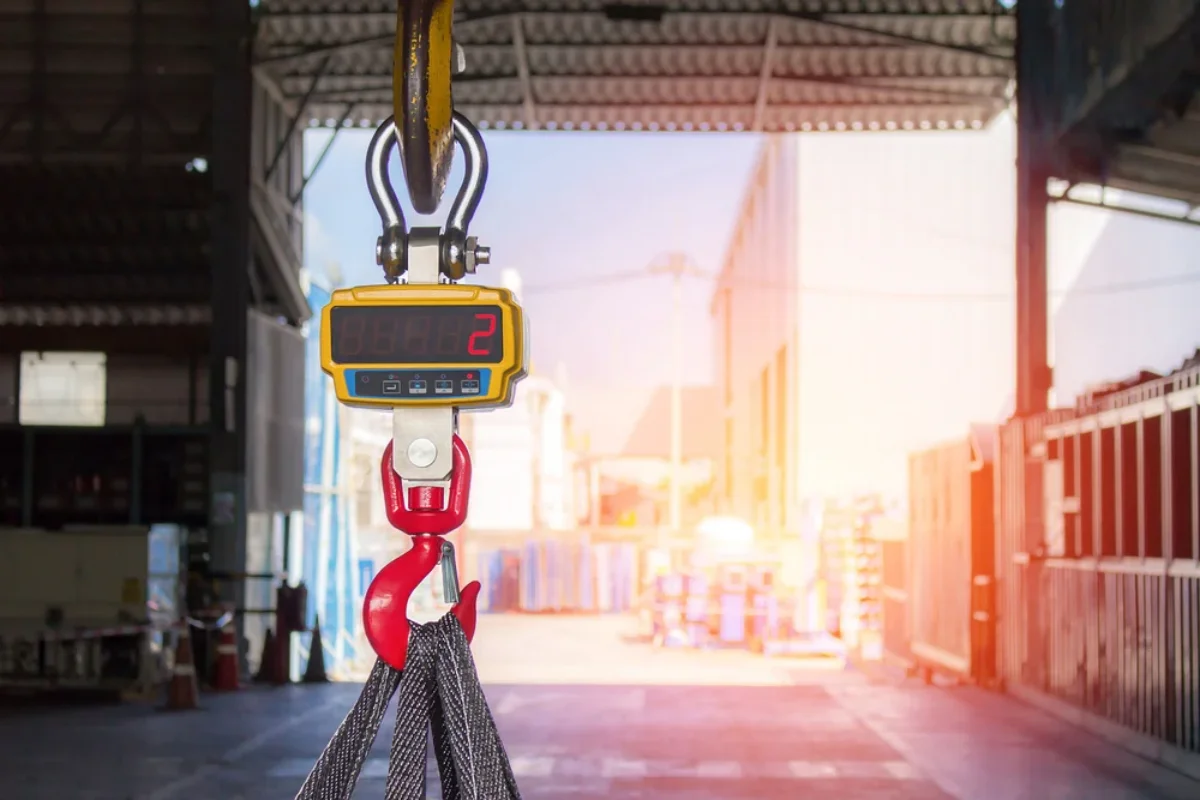
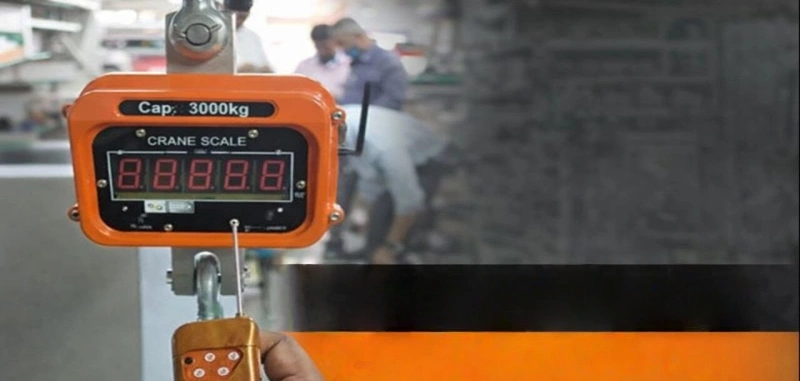
A crane scale measures the weight of heavy or awkward loads while suspended from a crane or lifting device. You use a crane scale to ensure safe lifting, prevent overloads, and improve efficiency in your operations. By providing real-time weight readings, a crane scale helps you keep your workplace safe and organized.
Powerful Machinery’s crane scales meet strict international certifications, such as ISO 9001 and OSHA, so you can trust their accuracy and reliability in demanding environments.
Tip: Using a crane scale frees up valuable floor space and reduces forklift traffic, making your workspace safer and more efficient.
Applications and Types
You will find crane scales in many industries, including manufacturing, construction, logistics, and agriculture. They help you weigh raw materials, finished products, machinery, and even livestock. The main types of crane scale include:
Mechanical crane scales: Good for basic weighing tasks in rugged settings where power is not available.
Digital crane scales: Offer high accuracy and are ideal for precision-critical environments. These models often feature wireless data transfer and remote monitoring.
Wireless crane scales: Allow you to view weight data from a distance, improving safety and convenience.
Type of Scale | Accuracy Range | Application Area |
|---|---|---|
Mechanical Scales | 1%–0.5% of full scale | Basic weighing in tough environments |
Digital Scales | 0.5%–0.1% of full scale | Manufacturing, logistics, safety-critical |
Key Components
Every crane scale includes several essential parts that ensure performance and reliability:
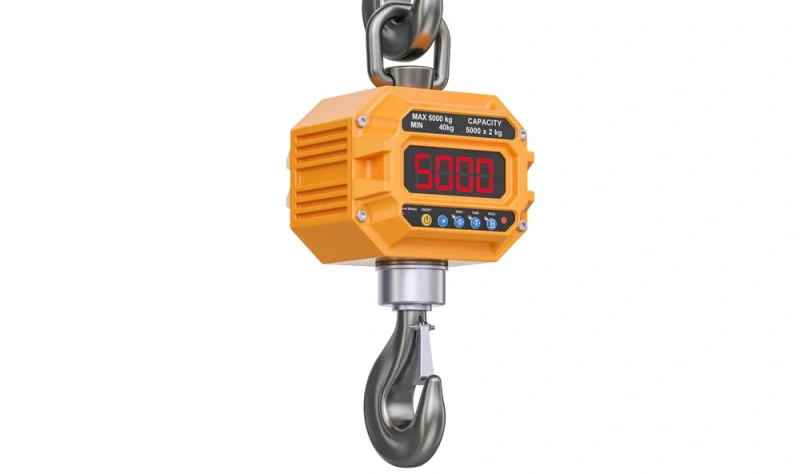
Load cell: This is the heart of the crane scale. It senses the force of the load and converts it into an electronic signal.
Display unit: Shows the weight reading clearly, often with an LED or LCD screen for easy viewing.
Rigging hardware: Includes hooks, shackles, and other fittings that connect the scale to your lifting equipment.
Powerful Machinery designs each crane scale for durability and reliability, even in extreme conditions. You benefit from robust construction, precise load cell technology, and easy-to-read displays, ensuring safe and efficient lifting every time.
Crane Scale Calibration Checklist
Tools and Preparation
You need the right tools to ensure crane scale calibration meets industry regulations and delivers reliable measurements. Gather these essentials before you begin:
Certified reference weights. These provide a benchmark for accuracy and help you verify the crane scale against calibration standards.
Digital and analog calibration tools. Digital tools offer precision and speed, while analog tools perform well in harsh environments.
Advanced calibration software. This software streamlines the calibration process with automated data collection and real-time monitoring.
Adapters and rigging hardware. Use these to secure test weights during lift tests.
Calibration certificate. This document proves compliance with industry regulations and supports traceability.
Note: Always check that your tools match the maximum load capacity of your crane scale. Using the correct equipment prevents errors and ensures accurate measurements.
Calibration Process Steps
You must follow a structured calibration process to calibrate crane scales and maintain accuracy. Here are the steps in calibrating a crane scale:
Gather necessary tools. Start with certified calibration weights that match your crane scale’s maximum load capacity.
Setting up the crane scale. Place the crane scale in a stable, secure position before you begin applying test weights.
Applying test weights. Use a 5-point testing method to apply test weights across the scale’s range. This ensures you check accuracy at multiple points.
Adjusting calibration settings. Fine-tune the internal settings so the displayed weight matches the actual test weights.
Performing calibration checks. Repeat the process to verify accuracy and confirm the crane scale meets calibration standards.
Finalize the calibration. Save your calibration settings to lock in the adjustments.
Tip: Regular calibration helps you maintain consistent accuracy and prevents overload incidents. Powerful Machinery recommends following these steps for every crane scale calibration.
Verification and Documentation
You must verify accuracy and maintain proper records to comply with industry regulations. After calibration checks, follow these steps:
Accurate documentation. Record every calibration process, including measurements and adjustments. Complete records support compliance and help with investigations if issues arise.
Review and approval. Authorized personnel should review and approve calibration data to ensure completeness and accuracy.
Labeling. Clearly label each crane scale to show its calibration status. This prevents accidental use of non-compliant equipment.
Secure storage. Store calibration records in a secure location. This preserves data integrity and ensures traceability for regulatory inspections.
Regular audits. Conduct audits of your calibration program to verify compliance and identify areas for improvement.
Alert: Maintaining calibration records is essential for safety and compliance. You protect your team and your business by following these steps.
Warranty and Support Options | Details |
|---|---|
Warranty Period | Five years |
Support Availability | Authorized service centers globally |
Powerful Machinery offers strong warranty coverage and global support for crane scale calibration. You can rely on their expertise for guidance and troubleshooting.
Crane Scale Maintenance Checklist
Inspection and Wear Checks
You must inspect your crane scale regularly to maintain safety and accuracy. Start by checking hooks, shackles, load cells, and display units for signs of wear or damage. Visual inspections before each use help you spot corrosion, cracks, or missing parts. Replace any worn or broken items immediately.
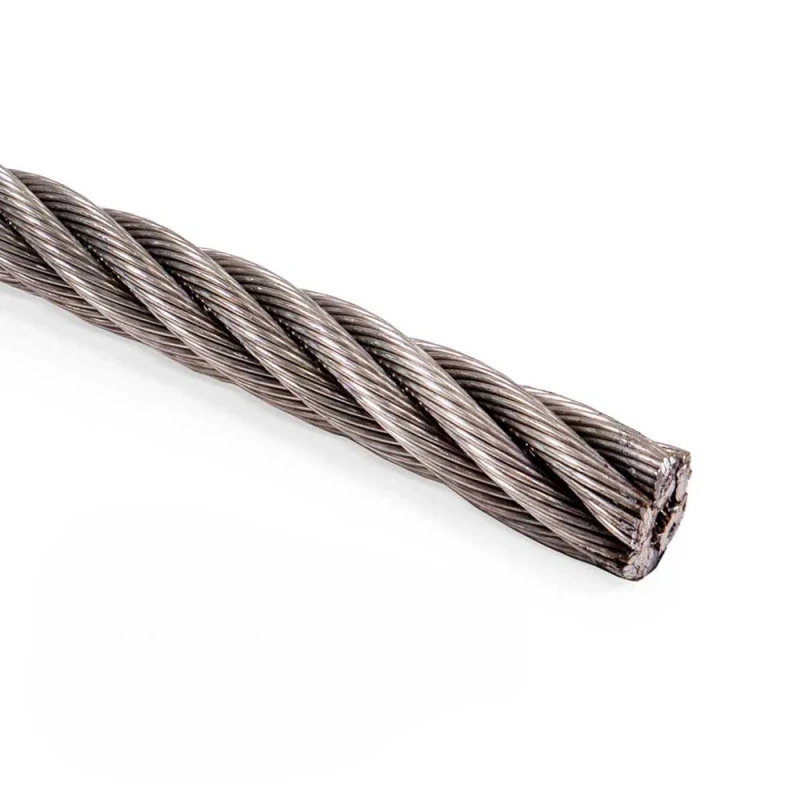
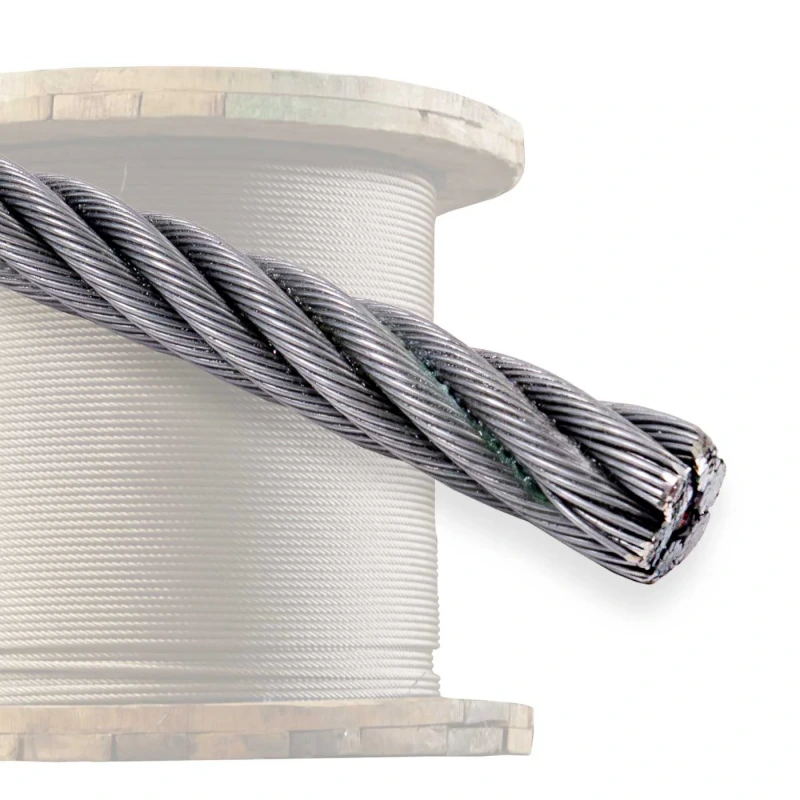
Inspect cables and rigging hardware for fraying or deformation. Battery maintenance is essential; replace batteries when needed to avoid unexpected downtime.
Environmental factors such as moisture or extreme temperatures can affect performance, so check for these during inspections. Keep accurate records of all crane scale maintenance activities.
Inspection Point | Description |
|---|---|
Regular Inspection | Conduct visual checks for damage, wear, or corrosion before each use. |
Load Cells | Look for cracks or damage that could impact accuracy. |
Cables | Inspect for wear or fraying. |
Rigging and Attachment | Check hooks, shackles, and attachment points for safety and performance. |
Battery Maintenance | Ensure batteries function properly and replace if necessary. |
Environmental Considerations | Identify factors like moisture or temperature that may affect the operation. |
Documentation | Record all inspections and repairs for compliance. |
Cleaning and Environmental Care
You need to keep your crane scale clean and free from debris. Use a soft cloth to wipe down the display and load cell. Avoid exposing the crane scale to extreme temperatures, moisture, or corrosive substances. Regularly check lifting components for cracks or wear.
Perform visual checks on hook safety brackets and shackle pins. Annual inspections by authorized service providers help you maintain reliability. Models made from durable materials like stainless steel or aluminum resist impacts and environmental elements.
Protective covers and proper lubricants extend the lifespan of your crane scale. These routines support crane scale maintenance and prevent corrosion in harsh environments.
Tip: Clean your crane scale after each use, especially in dusty or wet conditions. This routine preserves accuracy and prevents costly repairs.
Maintenance Intervals
You must schedule crane scale maintenance based on usage and service conditions. Most days of use require maintenance every three months. Severe service environments demand monthly or quarterly inspections. For special service, follow recommendations from qualified professionals.
Powerful Machinery suggests routine inspections and prompt repairs to maintain reliability. Document all maintenance and repairs for safety audits and compliance checks. Regular maintenance and crane scale calibration ensure your equipment stays accurate and safe.
Usage Level | Maintenance Interval |
|---|---|
Most days | Every three months |
Severe service | Monthly to Quarterly |
Special service | As recommended by a Qualified Person |
12,500 cycles | Service as needed based on cycles |
🛠️ Schedule maintenance according to your operation’s demands. Consistent crane scale maintenance keeps your equipment performing at its best.
Best Practices and Professional Services
Accurate Crane Scale Use
You can achieve accurate weight readings by following best practices for maintaining calibration accuracy. Start with operator training. Teach your team how to use the crane scale correctly.
Training should cover load limits, safe lifting, and proper reading of the display. Certified operators understand load physics and can spot hazards before they become problems.
You should monitor the load cell and check for bending, rust, or strange noises. Quick tests with reference weights help you maintain accuracy. Schedule regular calibration and keep an eye on environmental factors like wind or temperature. These steps ensure you always get accurate measurements.
Tip: Always verify your crane scale with known weights before critical lifts. This habit prevents costly mistakes.
Common Calibration Challenges
You may face common challenges in crane scale calibration. Over time, wear and environmental changes can cause the scale to drift from its original settings. Integration with other systems sometimes leads to data mismatches. Battery issues or overloads can also affect performance.
Powerful Machinery’s customer support helps you solve these problems. You receive guidance on regular inspections, battery checks, and recalibration. If you notice errors, check for overloads or misalignments.
For persistent issues, contact the manufacturer for troubleshooting. Powerful Machinery stands behind you with expert advice and professional maintenance support.
When to Use Professional Services?
You should use a calibration service at least once a year. Annual recalibration prevents drift in the load cell and keeps your equipment compliant with industry rules. Many industries require yearly calibration for legal reasons. Regular calibration extends the life of your crane scale and ensures reliable results.
Neglecting professional maintenance can lead to inaccurate readings, overloading, or even equipment failure. These risks can cause financial loss and disrupt your workflow. Schedule professional calibration service to protect your team and your business.
🛠️ Rely on Powerful Machinery’s certified technicians for expert calibration and maintenance. You gain peace of mind and consistent accuracy.
Conclusion
You protect your team and assets when you prioritize crane scale calibration and maintenance. Consistent procedures prevent errors, extend equipment life, and support safety in every lift. Powerful Machinery’s certified crane scales deliver unmatched accuracy and compliance with industry standards.
Structured checklists and ongoing training help you avoid costly downtime and ensure reliable performance. For added convenience, consider using a printable checklist to keep your maintenance routine on track.
FAQ
How often should you calibrate a crane scale?
You should calibrate your crane scale every 3 to 6 months for high-volume use. In harsh environments, calibrate every 2 to 3 months. Annual calibration meets most regulatory requirements.
What tools do you need for crane scale calibration?
You need certified reference weights, calibration adapters, and a calibration certificate. Digital or analog calibration tools help you achieve precise results.
How do you know if your crane scale needs maintenance?
You notice inaccurate readings, visible wear, or battery issues. Regular inspections reveal cracks, corrosion, or damaged rigging hardware. Schedule maintenance if you see any of these signs.
Can you clean a crane scale with water?
You should avoid using water directly. Use a soft, dry cloth for cleaning. Protect the scale from moisture to prevent corrosion and maintain accuracy.
Where can you find support for crane scale calibration?
Powerful Machinery offers global support and warranty services. You can contact authorized service centers or visit Powerful Machinery’s website for expert guidance.