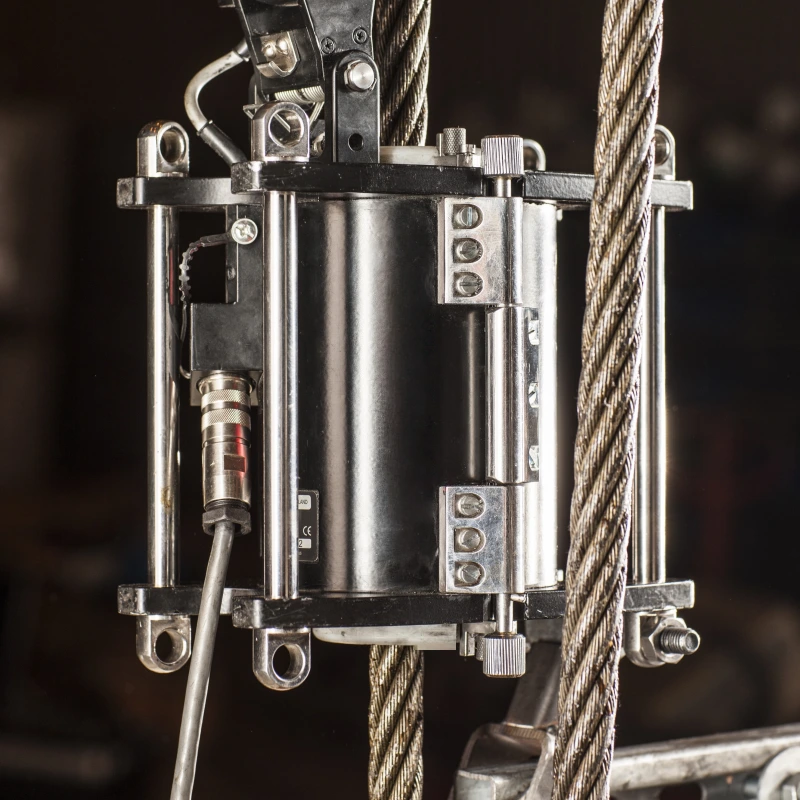
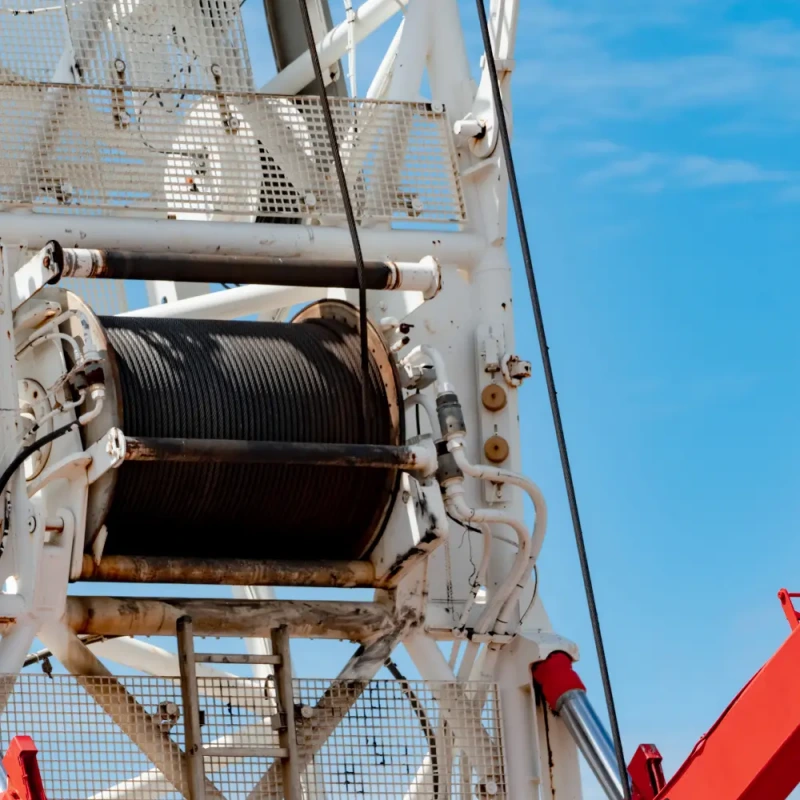
When you compare stainless steel vs galvanized steel wire rope, your choice depends on your environment, budget, and performance needs. If you need a cost-effective solution for construction, marine, or mining, galvanized steel wire rope dominates the market because of its strong corrosion resistance and durability.
Stainless steel wire rope offers premium corrosion protection for specialized applications and is gaining popularity for its strength in harsh environments. Use this wire rope guide to match your selection with your project’s demands.
Industry | Applications |
|---|---|
Marine and Offshore | Boat rigging, lifelines, anchoring systems, offshore structures |
Construction and Engineering | Crane cables, bridge suspensions, elevator mechanisms, tension systems |
Architectural | Balustrades, curtain walls, cable railings, green wall trellis, tensile structures |
Key Takeaways
Choose stainless steel wire rope for marine and chemical environments due to its superior corrosion resistance.
Select galvanized steel wire rope for construction and general outdoor use, as it offers a cost-effective solution.
Understand the working load limit of wire rope to ensure safety and prevent equipment failure during lifting tasks.
Inspect wire rope regularly for signs of wear, corrosion, or damage to maintain safety and performance.
Consider long-term value over initial cost; stainless steel wire rope may save money on replacements in harsh conditions.
Stainless Steel vs Galvanized Steel Wire Rope
Composition and Construction
When you compare stainless steel vs galvanized steel wire rope, you see clear differences in their makeup and how manufacturers build them. Stainless steel wire rope contains at least 10.5% chromium. This chromium forms a protective layer on the surface, which gives the rope its high resistance to rust and corrosion.
The steel itself is an alloy, often including nickel and sometimes molybdenum, which increases strength and durability.
Galvanized steel wire rope starts with high-carbon steel strands. Manufacturers then coat these strands with a layer of zinc. The zinc coating acts as a barrier, protecting the steel from moisture and rust. This process does not change the steel’s core properties but adds a shield that delays corrosion.
You can see the main differences in the table below:
Material Type | Chemical Composition | Corrosion Resistance | Strength Comparison |
|---|---|---|---|
Stainless Steel | Contains at least 10.5% chromium | High due to chromium content | Stronger than galvanized steel |
Galvanized Steel | Coated with zinc for protection | Good, but less than stainless steel | Weaker due to a lack of chromium |
The construction process also sets these two apart:
Stainless steel wire rope uses chromium-rich steel for the strands, which gives it natural corrosion resistance.
Galvanized steel wire rope uses regular steel strands, then adds a zinc coating for extra protection.
Stainless steel wire rope offers higher tensile strength, so it handles heavier loads and more stress.
Galvanized steel wire rope provides good flexibility and is easier to handle in many standard lifting and rigging jobs.
Key Differences
You need to understand the key differences when choosing between stainless steel and galvanized steel wire rope for your project. Stainless steel wire rope stands out for its superior corrosion resistance. It performs well in marine, chemical, and high-moisture environments.
You can use it in places where saltwater, chemicals, or extreme weather would quickly damage other materials. The rope keeps its strength and shape even after years of exposure.
Galvanized steel wire rope, on the other hand, offers reliable performance in less aggressive environments. The zinc coating protects against water and outdoor exposure, but it does not match the durability of stainless steel in salty or highly corrosive conditions.
You can rely on galvanized steel wire rope for construction, general rigging, and outdoor projects where the environment is not extremely harsh.
Both types have high tensile strength, but stainless steel wire rope maintains its integrity better under long-term stress and tough conditions. You also get excellent flexibility with both options. Stainless steel wire rope bends easily and handles high temperatures and pressures.
Galvanized steel wire rope remains strong and flexible, making it suitable for cranes, hoists, and structural supports.
Here is a quick comparison of flexibility and installation:
Property | Stainless Steel Wire Rope | Galvanized Steel Wire Rope |
|---|---|---|
Flexibility | High | Strong and flexible |
Ease of Installation | More suited for high temperatures and pressures | Good handling of bend stresses |
Tip: If you need wire rope for marine or chemical plants, choose stainless steel wire rope. For construction, lifting, or general outdoor use, galvanized steel wire rope offers a cost-effective and reliable solution.
When you look at the properties of galvanized steel, you see that the zinc coating gives it good corrosion resistance for most outdoor and industrial uses. However, stainless steel vs galvanized steel wire rope shows that stainless steel wire rope leads in strength, durability, and resistance to harsh environments.
Corrosion Resistance and Durability
Stainless Steel Wire Rope Performance
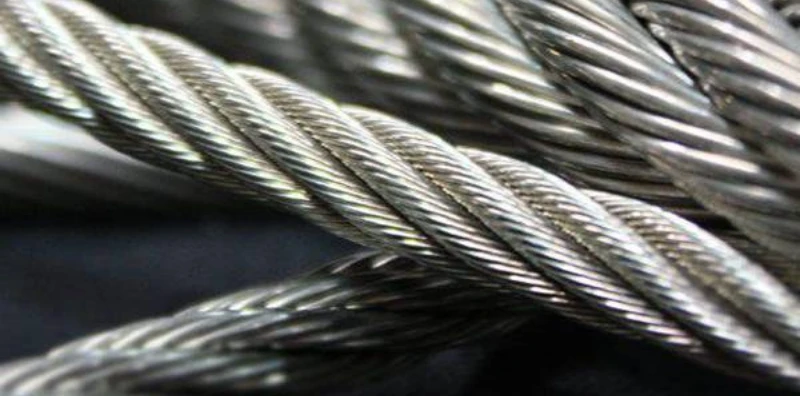
You need a wire rope that stands up to rust and corrosion-resistant challenges in harsh environments. Stainless steel wire rope delivers top-tier corrosion resistance, especially in marine and coastal settings.
The chromium content in stainless steel forms a protective layer that shields the rope from rust, even when exposed to harmful salty conditions. If you work in areas with high humidity or direct saltwater contact, AISI 316 or 316L stainless steel wire rope is your best choice.
These grades remain impervious to salty wetness and resist chloride-induced pitting, making them ideal for marine rigging and mooring lines. For less aggressive environments, AISI 304 or 304L stainless steel wire rope provides good corrosion resistance, though it may show pitting in direct saltwater exposure.
You can rely on stainless steel wire rope for long-term durability where rust-resistant performance is critical.
AISI 316 / 316L: Outstanding resistance to chloride-induced pitting and crevice corrosion, perfect for marine use.
AISI 304 / 304L: Good for mildly corrosive conditions, suitable for coastal guardrails and light-duty marine fixtures.
The average lifespan of stainless steel wire rope in outdoor industrial settings often exceeds that of galvanized steel wire rope, especially where rust is a constant threat.
Galvanized Steel Wire Rope by Powerful Machinery
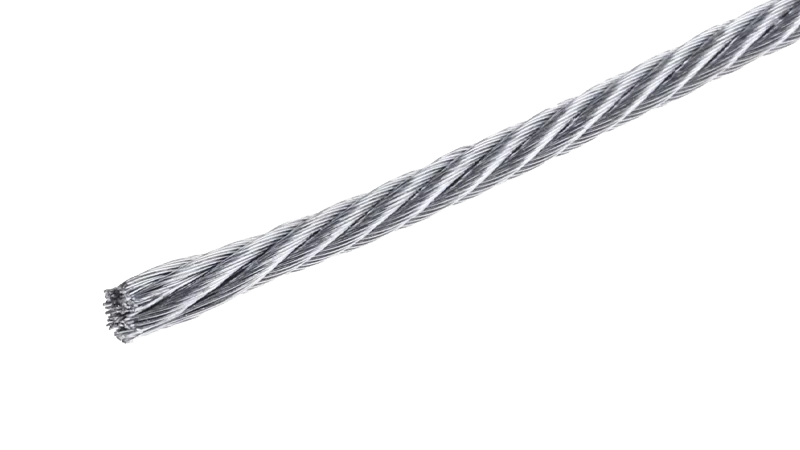
Galvanized steel wire rope from Powerful Machinery offers reliable rust and corrosion-resistant performance in industrial, construction, and marine environments. The zinc coating on each strand acts as a barrier, protecting the steel core from moisture and rust.
You can expect an average lifespan of up to 70 years in standard outdoor settings and up to 12 years in ocean environments. This makes galvanized steel wire rope a cost-effective solution for many outdoor and industrial projects.
Wire Type | Average Lifespan in Outdoor Settings |
|---|---|
Galvanized Steel Wire | 70 years (up to 12 years in the ocean) |
Stainless Steel Wire | N/A (not specified) |
Powerful Machinery manufactures galvanized steel wire rope to meet strict international standards. You benefit from full traceability, rigorous testing, and proven durability.
Standard/Procedure | Description |
|---|---|
Compliance Standards | EN 12385 and ISO 2408 international standards |
Testing Procedures | Tensile strength, torsion, zinc coating thickness, and bend fatigue tests |
Performance Assurance | Full traceability from raw material selection to final inspection |
Application Areas | Industrial, construction, and marine conditions |
You can trust galvanized steel wire rope from Powerful Machinery to deliver consistent corrosion resistance and long-term performance, even when rust and moisture are present.
Tip: Choose stainless steel wire rope for environments that are impervious to salty wetness or where rust is a severe concern. Select galvanized steel wire rope for robust, cost-effective protection in most outdoor and industrial applications.
Stainless Steel Wire Rope vs Galvanized: Strength and Flexibility
Tensile Strength Comparison
When you select wire rope for demanding projects, you need to consider both break strength and high-strength qualities. According to ASTM standards, Grade 316 stainless steel wire rope fittings must reach a minimum tensile strength of 75,000 psi.
This means stainless steel wire rope usually provides higher break strength than galvanized steel wire rope, which often does not meet this benchmark. You can rely on stainless steel wire rope for applications that require maximum load capacity and consistent performance.
The following table shows typical break strength values for both types of wire rope in construction settings. These values help you compare options based on diameter and expected performance:
Diameter | Minimum Breaking Strength (lb) | Maximum Breaking Strength (lb) |
|---|---|---|
1/2 | 18,360 | 126,200 |
9/16 | 21,760 | 126,200 |
5/8 | 28,260 | 126,200 |
3/4 | 39,960 | 126,200 |
7/8 | 53,730 | 126,200 |
1 | 69,570 | 126,200 |
1-1/8 | 82,110 | 126,200 |
1-1/4 | 100,640 | 126,200 |
You see that as the diameter increases, the break strength also rises. This makes both stainless steel wire rope and galvanized steel wire rope suitable for heavy lifting, but stainless steel wire rope stands out when you need the highest break strength and corrosion resistance.
Note: Always match the wire rope’s break strength to your project’s load requirements for safety and reliability.
Flexibility in Applications
You need a wire rope that balances flexibility and strength for complex rigging and lifting tasks. The 6×37 class of wire rope offers high flexibility because it uses many smaller wires in each strand.
This design allows the rope to handle repeated bending over sheaves, which is common in overhead cranes and reeving systems. You benefit from smooth operation and reduced wear, especially in applications that demand frequent movement.
Wire Rope Class | Characteristics | Best Use Cases |
|---|---|---|
6×37 | High flexibility, suitable for frequent bending | Applications with repeated bending over sheaves |
When you choose wire rope for dynamic environments, you should look for options that provide both flexibility and strength. Stainless steel wire rope and galvanized steel wire rope both deliver these qualities, but the right construction, such as 6×37, ensures high flexibility and protection against abrasion.
This combination extends the service life of your equipment and supports safe, efficient operations.
Tip: For applications with repeated bending or where you need maximum flexibility and strength, select wire rope with a 6×37 construction.
Galvanized vs Stainless Wire Rope: Cost and Value
Initial Cost Factors
When you evaluate wire rope options, you need to consider the initial cost. Stainless steel wire rope usually costs more because it contains expensive alloying elements like chromium and nickel. The manufacturing process for stainless steel also requires advanced technology to ensure high purity and strength.
In contrast, galvanized steel wire rope uses a zinc coating over high-carbon steel. This process is less expensive and faster to produce. You will find that galvanized steel wire rope is more economical for most standard projects.
Here is a quick comparison to help you understand the cost differences:
Material Type | Cost Implications | Manufacturing Process | Corrosion Resistance |
|---|---|---|---|
Stainless Steel | Higher cost due to alloying elements | Produced from corrosion-resistant alloy, left uncoated | Excellent, ideal for marine/chemical use |
Galvanized Steel | Lower cost, zinc coating is less expensive than alloying elements | Coated in zinc by hot-dip or electro-galvanization | Moderate, suitable for most outdoor uses |
If you need a solution for large-scale construction, lifting, or general outdoor use, galvanized steel wire rope gives you reliable performance at a lower price point.
Long-Term Value
You should not focus only on the initial price. Long-term value matters for your project’s safety and maintenance costs. Stainless steel wire rope offers outstanding corrosion resistance, which means you will spend less on replacements and repairs in harsh environments.
This makes it a smart investment for marine, chemical, or coastal applications where rust is a constant threat.
Galvanized steel wire rope provides solid durability for most outdoor and industrial settings. The zinc coating protects the steel core, so you get years of service before you need to replace the rope.
For many construction and rigging jobs, this option balances cost and performance. You can trust it to deliver value without overspending.
Tip: Choose galvanized steel wire rope when you want a more economical solution for standard environments. Select stainless steel wire rope if you need maximum corrosion resistance and long-term durability in aggressive conditions.
Advantages and Disadvantages
Stainless Steel Wire Rope Pros and Cons
You gain several advantages when you choose stainless steel wire rope for your project. This material stands out for its high resistance to corrosion and pressure. You also benefit from its hygienic properties, making it suitable for food processing and medical environments.
Stainless steel wire rope offers a clean, attractive appearance and resists fire and heat. You can rely on its flexibility and longevity, which help reduce maintenance needs over time. Many experts highlight the benefits of stainless steel wire rope in terms of value and environmental friendliness.
The table below summarizes the main advantages and disadvantages:
Advantages | Disadvantages |
|---|---|
High resistance to corrosion | More expensive than other options |
High resistance to pressure | Can be difficult to find |
Hygiene | |
Aesthetics | |
Imperviousness to fire and heat | |
Cost effectiveness | |
Flexibility | |
Longevity | |
Value | |
Environment-friendly |
Tip: You should always follow manufacturer guidelines for installation and maintenance. Avoid bending the rope beyond its minimum bend radius and use compatible fittings to maximize the benefits of stainless steel wire rope.
Galvanized Steel Wire Rope Pros (Powerful Machinery)
You experience several advantages when you select galvanized steel wire rope from Powerful Machinery. The zinc coating provides strong corrosion resistance, protecting the rope from moisture and oxygen. This feature leads to a longer service life and fewer replacements, which saves you money over time.
You also benefit from a non-rotating design that minimizes twisting and kinking, enhancing safety during lifting operations. The benefits of galvanized wire rope include cost-effectiveness and reliable performance in industrial and outdoor environments.
Corrosion resistance from zinc coating
Longer service life with reduced risk of rust and surface damage
Cost-effective over time due to fewer failures and replacements
Non-rotating design for improved safety and durability
Note: You should choose galvanized steel wire rope for projects that demand robust performance and value in outdoor or industrial settings. Powerful Machinery’s products deliver proven reliability and meet international standards.
Applications for Galvanized Steel Cable and Stainless Steel Wire Rope
Marine and Coastal Uses
You face unique challenges in marine applications. Saltwater, humidity, and constant movement demand materials that resist corrosion and maintain strength. Stainless steel cable stands out in these environments. You can rely on it for boat rigging, lifelines, and anchoring systems.
The 316-grade stainless steel cable offers exceptional resistance to saltwater corrosion. You see this material used in docks, piers, and offshore structures where chloride ions attack most metals.
Galvanized steel cable also serves well in marine applications. Its zinc coating slows oxidation and provides a cost-effective solution for mooring lines and winches. You should inspect galvanized steel cable more often in these settings, as saltwater can eventually penetrate the protective layer.
Marine-grade wire rope withstands saltwater corrosion and abrasion.
Stainless steel cable provides excellent corrosion resistance in coastal and chemical-rich environments.
Galvanized steel cable offers reliable performance but requires regular checks in marine applications.
Industrial and Construction Projects
You encounter demanding conditions in industrial applications and construction sites. Stainless steel cable handles rigging, hoisting, and logging with ease. Its corrosion resistance makes it suitable for general industrial tasks and mining operations.
You find stainless steel cable in oil and gas applications, where it supports drilling and downhole tools. Galvanized steel cable dominates construction projects. You use it for suspending scaffolding, anchoring buildings, and hoisting heavy loads.
This cable also plays a key role in mining, slope stabilization, and aviation control cables. Both types meet strict safety standards, including OSHA and ISO guidelines.
Category | Common Uses |
|---|---|
Logging | Rigging, hoisting |
Construction | Scaffolding, anchoring, and lifting |
Mining | Hoisting, slope stabilization |
Oil and Gas | Drilling, downhole tools |
Aviation | Control and safety cables |
Tip: Always follow safe handling practices and inspect cables before each use.
Architectural and Decorative Solutions
You enhance modern architecture with stainless steel cable. Designers prefer it for its sleek, shiny appearance and adaptability. You see stainless steel cable in balustrades, cable railings, and green wall trellises. It creates open, transparent spaces and complements glass, wood, and metal.
Galvanized steel cable provides a cost-effective option for less visible structural supports. In domestic applications, you use these cables for garden trellises and light-duty fixtures. Stainless steel cable offers exceptional longevity and maintains its look over time, while galvanized steel cable may discolor as the zinc coating wears.
Feature | Stainless Steel Cable | Galvanized Steel Cable |
|---|---|---|
Aesthetic Appeal | Sleek, modern, shiny | Dull gray, may discolor |
Longevity | Exceptional durability | Zinc coating can wear off |
Note: Choose stainless steel cable for architectural projects that require both strength and visual appeal. Use galvanized steel cable for hidden supports and budget-sensitive jobs.
Choosing the Right Wire Rope
Environmental and Safety Criteria
You must evaluate several factors before selecting the best wire rope for your project. The environment where you plan to use the wire rope plays a critical role in your decision. You need to consider exposure to moisture, chemicals, saltwater, or extreme temperatures.
For example, marine and coastal environments demand materials that resist corrosion, while industrial sites may require wire ropes that withstand heavy loads and abrasion.
You should also focus on safety and compliance. Industry standards protect you and your team from accidents and equipment failure. Always check that your wire rope meets regulations such as OSHA, ASME B30.9, and CSA Z150. These standards ensure that your lifting and rigging equipment performs reliably under stress.
When you review your options, keep these criteria in mind:
Assess the material and construction of the wire rope for your application.
Consider the environmental conditions, such as humidity, salt, or chemicals.
Ensure compliance with key safety standards like OSHA, ASME B30.9, and CSA Z150.
Confirm that the wire rope’s lubricants and coatings operate effectively in your temperature range.
Choose anti-corrosion properties that match your environment.
Tip: You protect your investment and your team by choosing wire rope that meets strict safety and environmental requirements.
Decision Table
You can simplify your selection process by comparing the main features of galvanized steel wire rope and stainless steel wire rope. The table below highlights the strengths and best uses for each type. Use this as a quick reference when matching wire rope to your project’s needs.
Feature/Application | Galvanized Steel Wire Rope | Stainless Steel Wire Rope |
|---|---|---|
Corrosion Resistance | Good, but less effective in salt water | Excellent, ideal for marine environments |
Cost | Generally cheaper | More expensive |
Higher compared to stainless steel | Good, but lower than galvanized | |
Durability | Good, with protective zinc coating | Excellent, maintains appearance over time |
Applications | Construction, fencing, general rigging | Marine applications, architectural uses |
You should choose galvanized steel wire rope for construction, fencing, or general rigging where cost and strength matter most. Select stainless steel wire rope for marine, architectural, or high-corrosion environments where long-term durability and appearance are priorities.
Note: Always match the wire rope’s specifications to your project’s safety requirements and environmental challenges.
Safety and Maintenance
Working Load Limits
You must understand the working load limit before you use wire rope in any lifting or rigging application. The working load limit tells you the maximum force that the wire rope can safely handle during operation. Manufacturers calculate the working load limit based on the rope’s diameter, construction, and material.
You should always check the working load limit on the product label or technical datasheet. If you exceed the working load limit, you risk equipment failure and serious injury.
You see different working load limits for galvanized steel wire rope and stainless steel wire rope. Galvanized steel wire rope from Powerful Machinery comes with clear working load limit ratings that meet international standards. You should select a wire rope with a working load limit that matches your project’s requirements.
Never guess or estimate the working load limit. Always use certified products and follow manufacturer guidelines.
Here is a simple table to help you compare working load limits for common wire rope diameters:
Diameter (mm) | Galvanized Steel Wire Rope | Stainless Steel Wire Rope |
|---|---|---|
6 | 2,000 kg | 1,800 kg |
10 | 4,500 kg | 4,000 kg |
16 | 10,000 kg | 9,000 kg |
Tip: You should never use wire rope at or above its working load limit. Always allow for a safety margin.
Inspection Tips
You need to inspect the wire rope regularly to maintain safety and performance. Start by checking for broken wires, corrosion, and kinks. Look for signs of wear near end fittings and pulleys. If you see damage, remove the wire rope from service immediately. You should record inspection dates and findings in a logbook.
Follow these steps for a thorough inspection:
Examine the entire length for broken wires.
Check the surface for rust or corrosion.
Inspect for kinks, bends, or crushing.
Review the working load limit and confirm it matches your application.
Test end fittings for secure attachment.
Note: You protect your team and equipment by inspecting the wire rope before each use. Replace the wire rope if you find any damage or if it no longer meets the working load limit.
Conclusion
You now understand the main differences between galvanized and stainless steel wire rope. Choose stainless steel wire rope for marine or highly corrosive environments. Select galvanized steel wire rope for cost-effective strength in construction and general outdoor projects.
Powerful Machinery’s certified products deliver reliability for demanding jobs. For complex requirements, consult with industry experts to ensure you get the right solution.
FAQ
What is the main difference between galvanized and stainless steel wire rope?
You see the main difference in their corrosion resistance and cost. Stainless steel wire rope resists corrosion better in harsh environments. Galvanized steel wire rope offers reliable performance at a lower price for most outdoor and industrial uses.
Can you use galvanized steel wire rope in marine environments?
You can use galvanized steel wire rope in marine settings for short-term or budget projects. However, you should inspect it often. Saltwater can eventually break down the zinc coating. For long-term durability, choose stainless steel wire rope.
How do you select the right wire rope diameter?
You should match the wire rope diameter to your load requirements and application. Check the working load limit and safety standards. If you need help, consult with a certified supplier or engineer.
Does Powerful Machinery offer custom wire rope solutions?
Yes. You can request custom diameters, constructions, and coatings from Powerful Machinery. The engineering team will help you select the best configuration for your project’s needs.