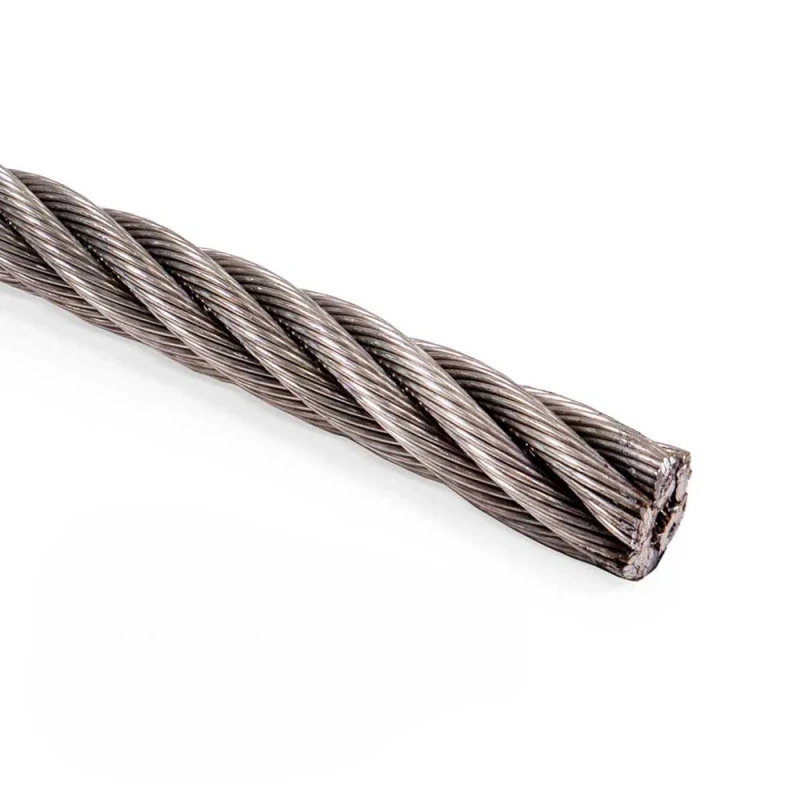
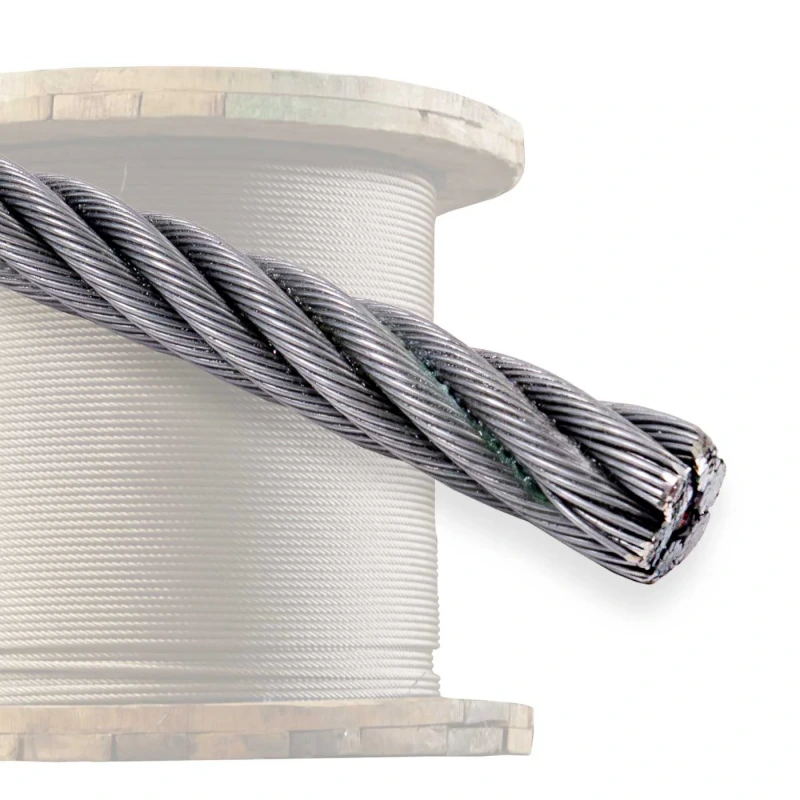
You need to select the right steel wire rope based on your environment and operational demands. Galvanized steel wire ropes excel in outdoor, marine, and moist conditions, offering superior corrosion resistance and durability.
Ungalvanized ropes perform well in dry, indoor environments where strength and cost matter most. Industry trends show a growing preference for galvanized vs ungalvanized steel wire ropes in harsh settings.
Powerful Machinery delivers certified steel wire rope solutions that meet your unique requirements and ensure long-term reliability.
Key Takeaways
Choose galvanized wire rope for outdoor and marine applications. Its zinc coating offers excellent corrosion resistance and durability.
Select ungalvanized wire rope for indoor environments where corrosion is not a concern. It provides high strength and cost efficiency.
Regular maintenance is crucial for both types of wire rope. Inspect and lubricate them frequently to extend their lifespan.
Consider environmental factors like humidity and exposure to chemicals when selecting wire rope. This ensures optimal performance and safety.
Consult with experts like Powerful Machinery for tailored solutions and certified products that meet your specific project needs.
Steel Wire Rope Types
Steel wire rope comes in many forms, each designed for specific environments and operational needs. You must understand the differences between galvanized steel wire rope and ungalvanized wire rope to make the right choice for your project.
Galvanized Steel Wire Rope
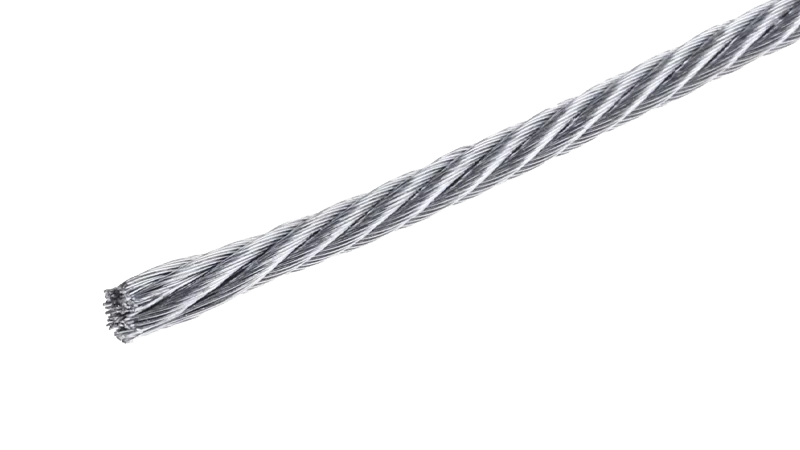
Galvanised steel wire rope stands out for its corrosion resistance and durability. Manufacturers use high-quality steel rods, drawing them through dies to create thin wires. These wires are twisted into strands, then formed into steel wire rope.
The process includes galvanized treatments, lubrication, and coatings that extend the lifespan and reduce friction. Quality assurance tests ensure every galvanized wire rope meets strict safety standards.
You will find galvanized steel wire rope in outdoor and marine applications. The zinc coating protects against moisture and harsh weather. Galvanized steel rope offers flexibility and strength, making it ideal for cranes, hoists, and construction projects.
You can select from various constructions, such as 6×19 or 1×19, to match your load requirements. Galvanized steel wire also provides reliable performance in demanding conditions.
Tip: Choose galvanized steel wire rope when you need maximum corrosion resistance and long-term durability in challenging environments.
Ungalvanized Steel Wire Rope
Ungalvanized wire rope delivers high breaking force and durability. You will see this steel wire rope used in dry, indoor settings where corrosion resistance is less critical. Ungalvanized steel wire rope offers versatility across many industries, including medical, automotive, aviation, and bridge construction.
Feature/Application | Description |
|---|---|
Strength | High breaking force and durability |
Durability | Long-lasting service life |
Versatility | Used in medical, automotive, aviation, aerospace, military, coal, petroleum, metallurgy, chemical, shipbuilding, bridge construction, electric power, rubber, tourism, water conservancy, and light industry |
Ungalvanized steel wire rope suits projects where you prioritize strength and cost efficiency. You can rely on this steel wire rope for tasks that do not require galvanized protection.
Galvanized vs Ungalvanized Steel Wire Ropes
Corrosion Resistance
When you compare galvanized vs ungalvanized steel wire ropes, corrosion resistance stands out as a key difference. Galvanized wire ropes have a zinc coating that shields the steel from moisture and chemicals.
This coating makes them more corrosion resistant than ungalvanized steel wire rope, which lacks this protective layer. You will find galvanized wire ropes perform better in outdoor, marine, or industrial conditions where exposure to water or chemicals is common.
Note: Both galvanized and stainless steel wire ropes offer improved corrosion resistance, but no wire rope can completely prevent rust in extreme conditions. Regular inspection and maintenance remain essential for safety and performance.
Saltwater can eventually damage the zinc coating on galvanized wire ropes, leading to corrosion over time. Ungalvanized steel wire rope is even more vulnerable in these environments. For marine applications, you should consider steel wire rope with enhanced resistance, such as stainless steel, for maximum protection.
Durability and Lifespan
You need to consider durability and lifespan when choosing between galvanized and ungalvanized steel wire ropes. The zinc coating on galvanized wire ropes provides a barrier against environmental factors, which extends their lifespan in harsh conditions.
Ungalvanized ropes, while strong, do not have this extra layer of protection and may degrade faster in moist or corrosive settings.
Research shows that as corrosion increases, the fatigue life of steel wire rope decreases. Galvanized wire ropes maintain their mechanical properties longer under challenging conditions, but all wire ropes require regular maintenance to maximize their lifespan.
Here is a table summarizing the main factors that affect durability and lifespan:
Factor | Description |
|---|---|
Material Composition | High-carbon steel offers strength and wear resistance. |
Surface Treatments | Galvanization provides corrosion resistance, especially in harsh environments. |
Operational Conditions | Salt air and moisture can corrode ungalvanized ropes, making treatment crucial. |
Maintenance Practices | Regular inspections and lubrication extend the lifespan of wire ropes. |
Galvanized ropes are preferred in coastal or outdoor areas due to their durability. Regular lubrication and inspection help both types of steel wire rope last longer, especially in heavy-duty lifting applications.
Strength and Flexibility
The required strength and flexibility of your steel wire rope depend on the construction and material, not just the coating. Both galvanized and ungalvanized steel wire ropes offer similar tensile strength and flexibility.
You can use either type for heavy-duty lifting, as long as you match the rope’s construction to your load and bending requirements.
Galvanized wire ropes perform well in outdoor conditions, offering durability and resistance to the elements.
Uncoated ropes are suitable for indoor or dry environments where corrosion is not a concern.
Both types can handle heavy-duty lifting, but galvanized ropes provide an advantage in challenging conditions.
The main difference lies in the rope’s ability to withstand environmental stress, not in its core strength or flexibility.
Appearance and Maintenance
You will notice a visible difference in appearance between galvanized and ungalvanized steel wire ropes over time. Galvanized ropes keep their look longer because the zinc coating protects against friction, corrosion, and wear.
This feature is important in industrial settings where ropes face constant exposure to the elements.
Galvanized ropes endure more bending cycles and maintain their appearance better than ungalvanized ropes.
The zinc coating helps preserve the rope’s integrity, even with frequent use in heavy-duty lifting.
Regular lubrication is necessary for both types to reduce friction and prevent wear.
Keeping wire ropes away from moisture and following the manufacturer’s maintenance guidelines will help extend their lifespan.
Galvanized wire ropes are a smart choice if you want a product that stays corrosion-resistant and maintains its appearance in tough conditions.
Advantages and Disadvantages
Galvanised Steel Wire Rope Pros
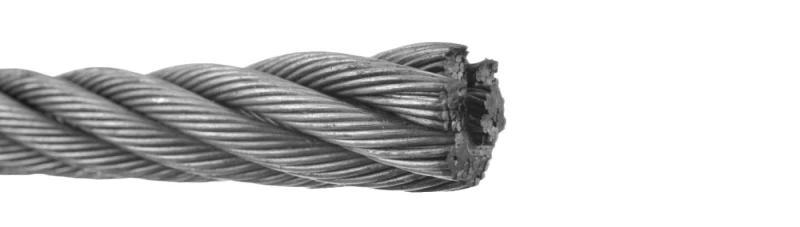
You gain several benefits when you choose galvanized steel wire rope for your projects.
The zinc coating provides excellent corrosion resistance, making it ideal for marine and outdoor environments.
You can rely on its proven performance in critical load-bearing applications.
Galvanized steel wire rope offers a low price-point, giving you cost-effective solutions for many uses.
The rope delivers unparalleled strength and long-term value, especially in winches, rigging, and fencing.
You will notice low maintenance needs, which reduces the frequency of replacements and inspections.
The combination of steel core and zinc coating ensures strong resistance to harsh weather and rust, increasing the lifespan of your equipment.
Tip: Galvanized steel wire rope stands out for its versatility and reliability in demanding conditions.
Ungalvanized Steel Wire Rope Pros
Ungalvanized steel wire rope brings unique advantages, especially for indoor or high-strength applications.
You benefit from extremely high breaking tensile strength, as the rope retains its mechanical properties without a coating.
The pure carbon steel construction provides superior wear resistance, making it suitable for heavy-duty tasks.
You can reduce your initial costs because the rope does not require the galvanizing process.
Many industries prefer this type of steel wire rope for its competitive pricing and robust performance in dry environments.
Cons of Each Type
Disadvantage | Description |
|---|---|
Higher Initial Cost | Galvanized steel wire rope costs more than plain wire due to the zinc layer. |
Limited Heat Resistance | It may not perform well above 392°F (200°C). |
Environmental Concerns | Production uses more energy and creates pollutants. |
Surface Cracking | The zinc coating can crack in cold conditions. |
Size and Thickness Limitations | The zinc coat has thickness restrictions. |
Appearance Degradation | The rope may lose its shine as zinc oxidizes over time. |
Note: Some users report unclear labeling or inconsistent galvanization status across batches. Always verify product specifications before purchase.
Constructions and Applications
Common Galvanized Wire Rope Constructions
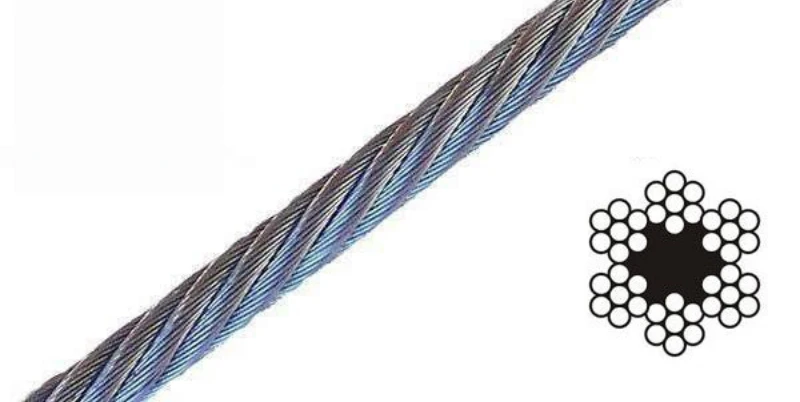
You can select from several galvanized steel wire rope constructions, each designed for specific industrial uses. These constructions offer durability and corrosion resistance, making them ideal for outdoor environments. The following table shows the most common types and their typical applications:
Construction Type | Typical Uses in Construction | Typical Uses in Marine |
|---|---|---|
6×19 | Tower cranes, scaffolding ties | Mooring lines |
6×36 | Material hoists, slings | Tow ropes |
7×7 | – | Anchor cables |
7×19 | – | Ship rigging |
Powerful Machinery manufactures galvanized wire ropes with precision stranding and uniform zinc coating. You benefit from a wide range of diameters and constructions, ensuring reliable performance in cranes, elevators, and marine hoists.
Common Ungalvanized Wire Rope Constructions
Ungalvanized steel wire rope serves many applications where corrosion resistance is less critical. You often see these ropes in dry, indoor settings or heavy-duty lifting tasks. The table below highlights standard constructions and their industry uses:
Construction Type | Industries Used In |
|---|---|
6x31WS+IWRC | General industries, crane ropes, winch ropes, hoist ropes, rigging applications |
Wire ropes | Elevator systems, cranes, hoisting operations, mining, oil rigs, wire rope slings |
You can rely on ungalvanized steel wire rope for strength and cost efficiency in demanding environments. Powerful Machinery offers a full range of ungalvanized wire ropes, tailored to your operational needs.
Applications in Industry
Steel wire rope plays a vital role in construction, mining, oil & gas, and marine sectors. You see the greatest demand in construction, where steel wire rope supports infrastructure projects and lifts heavy materials. The marine industry prefers galvanized wire rope for its corrosion resistance in outdoor conditions.
Carbon steel wire rope is favored in mining and oil rigs for its high tensile strength and cost-effectiveness.
Powerful Machinery’s product range covers galvanized and ungalvanized wire ropes, all certified to ISO 9001:2015, NSIC, and BIS standards. You gain confidence in their quality and safety for industrial applications.
The steel wire rope market continues to grow, driven by expanding infrastructure and construction activities worldwide.
Tip: Choose Powerful Machinery’s galvanized steel wire rope for reliable performance in construction, marine, and lifting applications. You ensure safety and durability in harsh environments with certified products.
Certification Type | Description |
|---|---|
ISO 9001:2015 | Globally recognized quality management system standard. |
NSIC License | Certification for small-scale industries, ensuring quality and reliability. |
BIS License | Certification for occupational health and safety management, promoting safe working conditions. |
Product Type | Description |
|---|---|
Galvanized Wire Ropes | Wire ropes are treated with a protective zinc coating for enhanced durability in various applications. |
Ungalvanized Wire Ropes | Standard wire ropes without protective coating, suitable for specific industrial needs. |
Choosing the Right Steel Wire Rope
Environmental Factors
You must evaluate the working environment before selecting steel wire rope. Environmental factors such as humidity, temperature, and exposure to chemicals play a critical role in determining the right product. Moisture can cause corrosion over time, especially in challenging outdoor environments.
Hot and humid climates increase the risk of rust, while temperature extremes may cause lubricants to evaporate or materials to become brittle. Chemicals like acids and alkalis can weaken wire rope, even with minor contact, compromising load capacity and safety.
Saltwater and corrosive chemicals accelerate metal degradation.
Moisture exposure leads to corrosion of steel strands.
Temperature extremes affect safety and performance.
Tip: Always assess the presence of moisture, chemicals, and temperature fluctuations in your working environment to ensure optimal resistance and long-term performance.
Corrosion Resistance Needs
Corrosion resistance is essential for steel wire rope used in outdoor weather conditions or industrial settings. Different environments require varying levels of protection. The table below shows recommended solutions for common industrial applications:
Environment | Corrosion Resistance Level | Recommended Solutions |
|---|---|---|
Factories and Processing Plants | High | Chemical corrosion resistance is crucial due to acid exposure and industrial pollutants. Special coatings are needed. |
Food Processing | Moderate | Alkaline cleaners can weaken cable surfaces; use appropriate materials. |
Chemical Plants | High | Stainless steel ropes and PTFE coatings are recommended to resist specific chemicals like sulfuric acid and chlorine. |
You should select galvanized steel wire rope for most outdoor and marine applications. Stainless steel wire rope suits environments with extreme chemical exposure. For food processing, choose materials that withstand alkaline cleaners.
Durability and Lifespan Considerations
Durability and lifespan influence your choice between galvanized and ungalvanized wire rope. Galvanized wire ropes offer greater durability due to their corrosion resistance, making them ideal for harsh environments. Ungalvanized wire ropes are more prone to rust and have a shorter lifespan in exposed conditions.
For long-term reliability in moist or chemical-exposed applications, galvanized ropes are preferred. Ungalvanized ropes work best in dry, controlled environments.
Galvanized wire ropes provide long-term performance in challenging outdoor environments.
Ungalvanized ropes suit indoor applications where corrosion is not a concern.
Note: Consider the expected lifespan and maintenance schedule for your project to maximize safety and efficiency.
Flexibility and Structure
You need to match the flexibility and structure of steel wire rope to your application. Wire ropes come in various diameters and lengths to suit different loads and tasks. The core type affects flexibility and load-bearing capacity:
Steel core (IWRC) delivers maximum strength and durability.
Fiber core (FC) offers greater flexibility for applications requiring movement.
Synthetic core suits environments where weight and flexibility are important.
Choose the right construction based on your lifting or rigging needs. For cranes and hoists, select rotation-resistant ropes to maintain load stability. For dynamic movement, fiber core ropes provide the flexibility required.
Maintenance and Budget
Maintenance requirements and budget constraints impact the long-term cost-effectiveness of your steel wire rope. The table below compares galvanized and ungalvanized wire ropes:
Type of Wire Rope | Initial Cost | Durability | Maintenance Needs | Long-term Cost Implications |
|---|---|---|---|---|
Galvanized Wire Rope | Higher | High | Low | More cost-effective |
Ungalvanized Wire Rope | Lower | Low | High | Less cost-effective |
Galvanized wire rope requires less maintenance and offers better durability, making it more cost-effective over time. Ungalvanized wire rope has a lower initial cost but needs frequent inspections and replacement in harsh environments.
Tip: Factor in both initial investment and ongoing maintenance when planning your budget.
Application Guidance
You must match steel wire rope to your specific applications for optimal safety and efficiency. Consider the following recommendations:
Galvanized wire ropes excel in outdoor construction sites due to their rust resistance.
Stainless steel ropes are ideal for marine applications where corrosion is a concern.
Bright wire ropes are preferred in mining for flexibility and endurance.
Rotation-resistant ropes are recommended for cranes and hoists to maintain load stability.
Plastic-coated ropes provide abrasion resistance and protect against environmental damage.
Assess the maximum weight the rope must support, environmental conditions, flexibility needs, and longevity requirements. Choose ropes with protective coatings for durability in challenging outdoor environments.
Powerful Machinery offers bespoke design services and expert advice to help you select the right steel wire rope. Their in-house team tailors solutions to your project requirements, ensuring you receive products that meet international standards and deliver long-term performance.
Service Type | Description |
|---|---|
Bespoke Design | Powerful Machinery offers custom wire rope solutions tailored to client needs, supported by expert advice from their in-house team. |
Fall Arrest Systems | The company provides a variety of products for both horizontal and vertical installations, including bespoke fittings and wire rope. |
Note: Consult Powerful Machinery for technical support and custom solutions that fit your unique applications and working environment.
Conclusion
You need to weigh several factors before selecting steel wire rope. Industry experts recommend focusing on:
Environmental conditions
Budget constraints
Project lifespan and safety
The table below highlights how galvanized and ungalvanized wire ropes perform in key areas:
Decision Factor | Galvanized Steel Wire Rope | Ungalvanized Steel Wire Rope |
|---|---|---|
Corrosion Resistance | Excellent for mooring and outdoor use | Higher load capacity, needs dry environments |
Application Suitability | Best for harsh climates | Ideal for controlled settings |
Matching your wire rope to your application ensures long-term durability, safety, and cost-effectiveness. Consult Powerful Machinery for certified products and expert guidance.
FAQ
What is the main difference between galvanized and ungalvanized wire rope?
You see galvanized wire rope with a zinc coating that protects against corrosion. Ungalvanized wire rope does not have this coating. You should choose galvanized rope for outdoor or marine environments.
How do I select the right wire rope for my project?
You need to assess your environment, load requirements, and budget. Galvanized wire rope suits harsh conditions. Ungalvanized wire rope works best indoors. Powerful Machinery offers expert guidance for custom solutions.
Can I use galvanized wire rope in marine applications?
You can use galvanized wire rope in marine settings. The zinc coating resists corrosion from moisture and salt. For extreme conditions, you may consider stainless steel wire rope for maximum protection.
How often should I inspect and maintain wire rope?
You should inspect the wire rope before each use. Lubricate regularly and check for signs of wear or corrosion. Proper maintenance extends the lifespan and ensures safety.
Does Powerful Machinery provide certified wire rope products?
You receive wire rope products from Powerful Machinery that meet international standards, including ISO9001 and TUV Rheinland. You gain confidence in quality and safety for demanding applications.