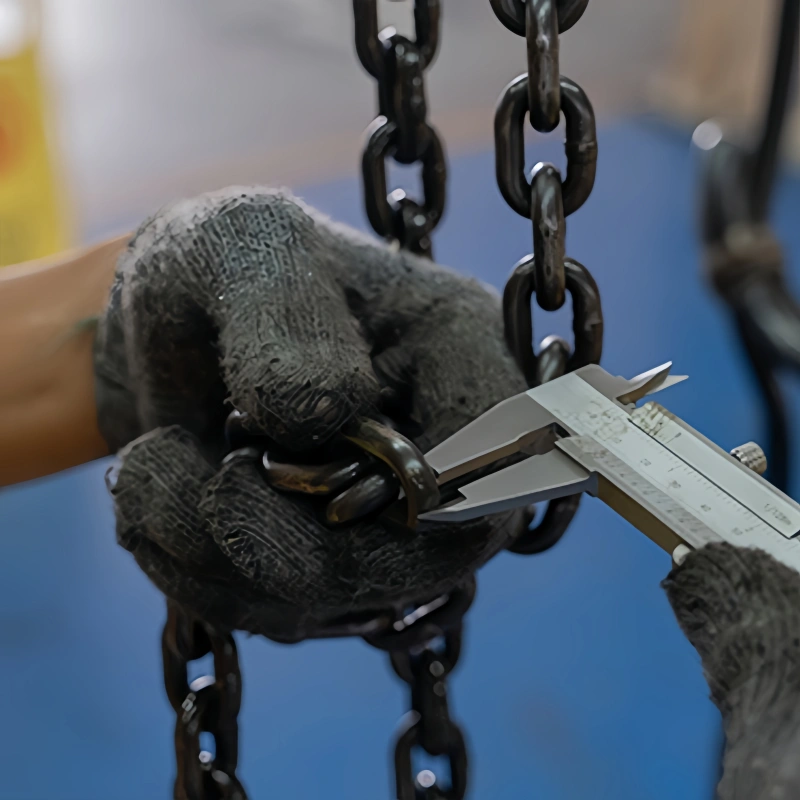
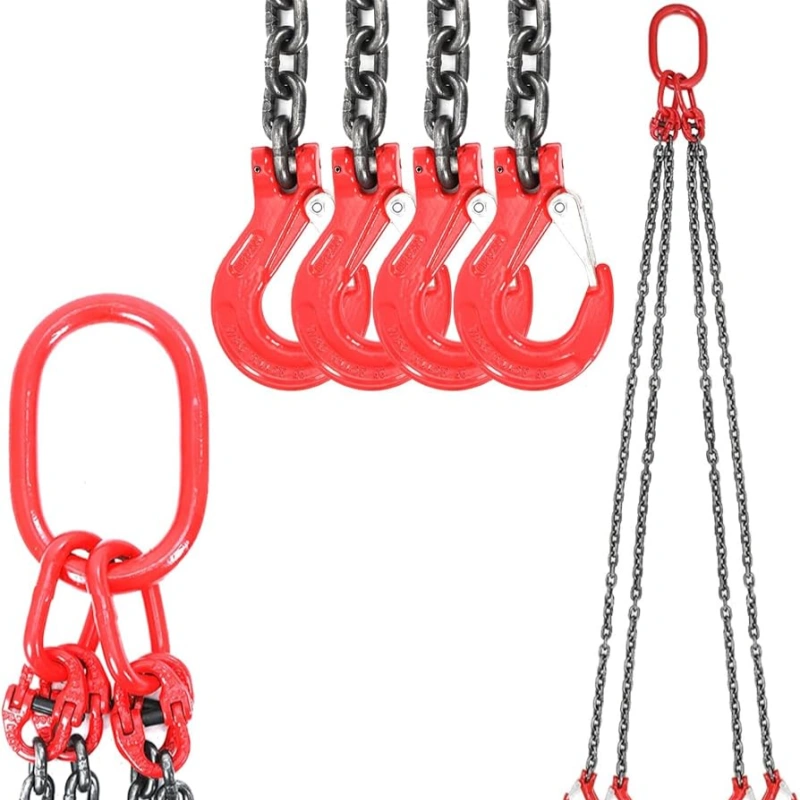
You can handle hoist chain replacement if you follow strict safety guidelines. Hoist chain safety should guide every step. Risks exist with improper handling or using uncertified chains.
Powerful Machinery Hoist Chains deliver certified strength and reliability. Assess your skills and the complexity of your hoist before you start. If you face a challenging system, consider professional help.
Tip: Always use proper tools and certified chains for safe and efficient results.
Key Takeaways
Prioritize safety by wearing proper personal protective equipment (PPE) and following lockout/tagout procedures to prevent accidents.
Inspect the old hoist chain for wear and damage before replacement. Replace any damaged chains immediately to ensure safe lifting operations.
Choose the right hoist chain that matches your hoist’s specifications and meets recognized safety certifications for reliable performance.
Follow a precise installation process for the new chain, ensuring proper tension and alignment to prevent mechanical failures.
Conduct regular maintenance and inspections to extend the service life of your hoist chain and prevent unexpected failures.
Hoist Chain Safety and Preparation
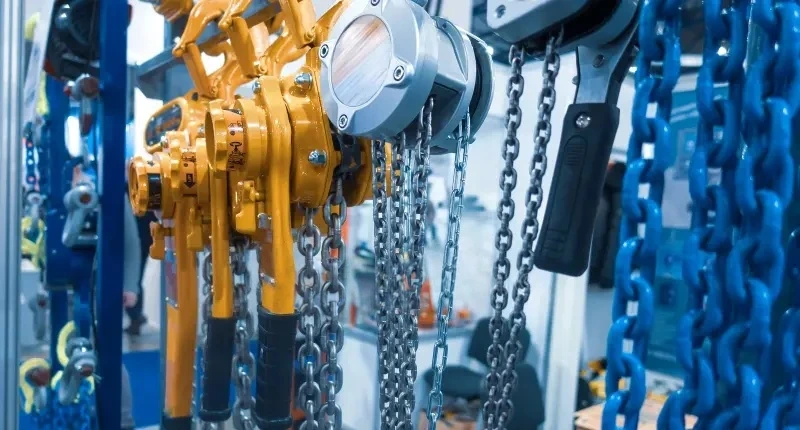
Essential Safety Precautions
You must prioritize safety before you begin any hoist chain replacement. Start by wearing the right personal protective equipment. Choose fire-resistant clothing if you expect sparks from welding or grinding.
Tear-resistant clothing protects you from sharp steel edges. If you work near electrical circuits, anti-static clothing prevents static discharge. Always select clothing that shields your skin from lubricants and matches the temperature at your work site.
Tip: Never skip PPE. Proper gear reduces the risk of injury and keeps you focused on the task.
Follow safety protocols by using lockout/tagout procedures. First, identify the need for a shutdown and locate all power sources. Notify everyone in the area about the shutdown. Shut down the hoist using standard procedures. Isolate the equipment from all power sources. Drain any remaining energy from the system.
Apply lockout/tagout devices to prevent accidental startup. Finally, verify that the equipment is fully isolated before you start working. These steps protect you from unexpected energy releases, which can cause serious injuries.
Safety does not end with clothing and lockout/tagout. Keep your workspace clean and organized. Remove any tripping hazards and ensure good lighting. Always inspect your tools and equipment before use. If you notice any damage, replace the item before proceeding.
Tools Needed for Hoist Chain Replacement
Gather all necessary tools before you begin. This preparation ensures a smooth and safe process. You will need:
Safety gloves and protective eyewear
Manufacturer-approved lubricants and cleaning agents
Inspection mirrors and flashlights for hard-to-see areas
Torque wrenches for tightening bolts and fasteners
Load test weights to verify hoist capacity after replacement
Lockout/tagout devices for electrical hoists
Powerful Machinery recommends using only certified tools and components. Their hoist chains meet strict international standards, ensuring both performance and safety. Using the right tools and certified products helps you maintain safety throughout the replacement process.
Remember: Careful preparation and attention to safety at every step protect you and your equipment.
Inspect and Remove the Old Chain
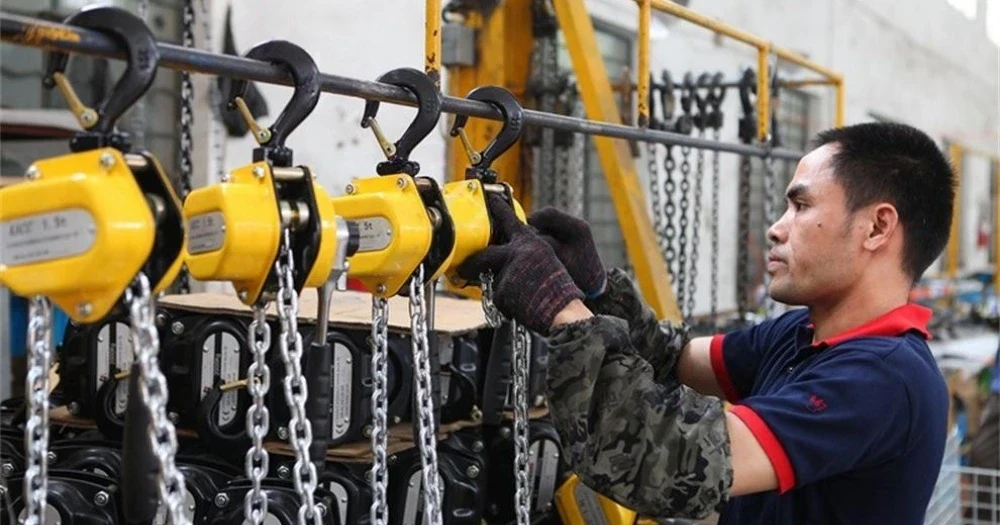
Inspect for Wear and Damage
Before you replace the chain, you must inspect the old one for signs of wear or damage. Powerful Machinery recommends a thorough visual check using industry standards. Look for these indicators:
Indicator Type | Description |
|---|---|
Weld Defects | Scratches on welds show poor construction and possible weak points. |
Asymmetrical Chain Links | Uneven links can affect how the chain engages with the hoist and compromise safety. |
Markings and Finishes | Oily or poorly finished chains may signal excessive wear or a damaged hoist chain. |
You should also follow a regular inspection schedule. This helps you catch issues before they become serious. Use this guide:
Type of Inspection | Frequency of Inspection |
|---|---|
Daily/Frequent Inspection | Before each shift or daily, depending on usage |
Periodic Inspection | At least once a year, more often in harsh environments |
Equipment used daily or in tough conditions needs more frequent checks.
Always adjust your inspection routine based on how often and where you use your hoist.
If you find a damaged hoist chain, do not use it. You must replace the chain immediately to keep your lifting operations safe.
Steps to Replace the Chain Safely
Follow these steps to safely remove and replace the chain:
Place the load on a stable support before you begin.
Never remove slings or shackles while the hoist chain is under tension.
Lower the load until the chain becomes slack.
Make sure the support, not the hoist, holds the full weight.
Once the chain is slack, remove the bottom hook and rigging from the load.
Confirm all rigging is clear and the load is secure before you replace the chain.
Tip: Always handle a damaged hoist chain with care. Proper removal prevents injury and protects your equipment.
You protect your team and equipment when you replace the chain following these steps. Careful inspection and safe removal set the stage for a successful installation.
Select and Install the New Hoist Chain
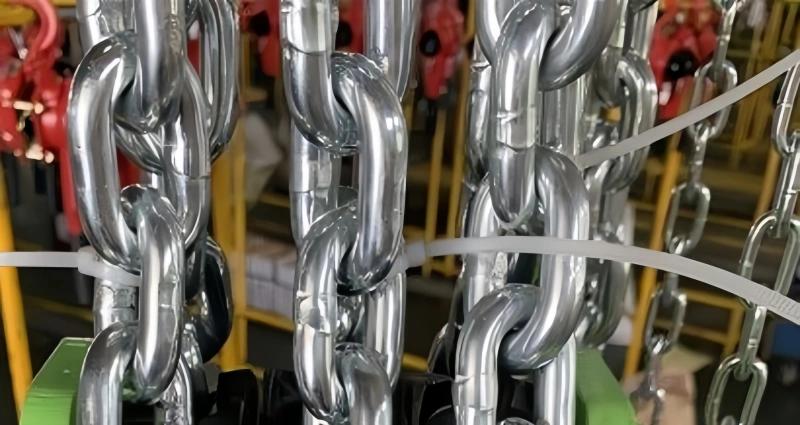
Choosing Powerful Machinery Hoist Chains
You must select the right chain for your hoist chain replacement project. Powerful Machinery offers hoist chains that match a wide range of hoist models and lifting requirements. When you choose a chain, you need to confirm compatibility with your hoist’s rated capacity and wire rope diameter.
This ensures a proper fit and safe operation.
Consider these factors before you replace a hoist chain:
Check the chain’s load rating and mechanical fit for your specific hoist model.
Select chains and accessories that meet recognized certifications such as CE, TUV, ISO, OSHA, ASTM, and comply with EN or JIS standards.
Look for durability features like corrosion protection, galvanization, or special coatings if you operate in harsh environments.
Evaluate installation features such as modular clamps or quick-connect components to make the process easier and safer.
Assess supply chain support, including lead times and after-sales service, to avoid delays.
Use a technical checklist to verify load rating, environmental resistance, and maintenance needs.
Powerful Machinery hoist chains stand out because they offer custom production options. You can request chains sized from 3mm to 32mm, made from heat-treated alloy steel. These chains deliver high wear resistance and precise control. You also benefit from a wide range of certifications, which guarantee quality and safety.
Certification | Description |
|---|---|
OSHA | Occupational Safety and Health Administration |
ASME | American Society of Mechanical Engineers |
ISO9001 | International standard for quality management |
ISO14001 | International standard for environmental management |
TUV Rheinland | Certification for safety and quality assurance |
ASTM | American Society for Testing and Materials |
You should also consider environmental factors. Identify chemical exposure types and concentrations. If you work in humid or salty conditions, select chains with enhanced corrosion resistance. Make sure the chain material suits your operational and storage temperature ranges.
Plan for frequent cleaning to maintain chain integrity. Always ensure compliance with regulatory requirements.
Tip: Powerful Machinery’s certified hoist chains provide reliable performance and safety for every hoist chain replacement.
Install and Replace a Hoist Chain
You must follow a precise process to replace a hoist chain and ensure compatibility and proper fit. Begin by reviewing your hoist’s manual and technical specifications. Gather all necessary tools and confirm you have the correct chain for your model.
Follow these steps to install the new chain:
Inspect the new chain for any visible defects or damage.
Align the chain with the hoist’s sprocket or guide mechanism.
Attach the chain to the hoist using manufacturer-approved fasteners and clamps.
Tighten all bolts and connections with a torque wrench to the specified values.
Lubricate the chain with the recommended product to reduce friction and wear.
Operate the hoist without a load to check chain movement and listen for abnormal sounds.
Inspect for proper tension and alignment. Measure the chain for stretching and confirm safety features are intact.
Test the emergency stop button to verify safety functionality.
Schedule frequent inspections to document wear and ensure reliability.
Step | Action | Purpose |
|---|---|---|
1 | Operate the hoist without a load | Check chain movement and noise |
2 | Listen for abnormal sounds | Identify lubrication issues or worn parts |
3 | Inspect for visible damage | Ensure safety features are intact |
4 | Test the emergency stop button | Verify safety functionality |
5 | Measure the load chain for stretching | Prevent mechanical failures |
6 | Schedule frequent inspections | Document wear and ensure reliability |
You must always verify that the chain is properly tensioned and aligned. This prevents mechanical failures and ensures safe operation. If you notice any issues during testing, stop and address them before lifting any load.
Note: Careful installation and testing are essential for every hoist chain replacement. Powerful Machinery’s precision-sized chains make the process easier and safer.
You achieve a successful hoist chain replacement when you select the right chain, follow the installation steps, and verify performance. Powerful Machinery’s certified products and customization options help you replace a hoist chain with confidence.
Test and Maintain After Hoist Chain Replacement
Test the Hoist for Safety
Once you complete the chain installation, testing the hoist becomes critical. Start by operating the hoist through its full range of functions. Lift and lower loads to verify smooth operation and responsiveness. Pay close attention to any unusual noises or vibrations, which could indicate misalignment or insufficient lubrication.
Test the brakes thoroughly; they should engage firmly and hold the load securely without slipping. Verify that travel-limiting devices function correctly to prevent over-travel, and check all safety features such as emergency stops and load limiters.
Conduct these tests following industry standards like ASME B30.16 and ASME B30.17, which specify that all hoist functions must be assessed before returning to service.
For load testing, a designated competent person should perform the procedure. Use a test load between 100% and 125% of the hoist’s rated capacity. Record the results in a written report, documenting the hoist’s performance under load. This step confirms the integrity of the new chain and the overall system safety.
Regular testing ensures that your hoist remains reliable and safe for daily operations.
Ongoing Maintenance Tips
Maintaining your hoist chain extends its service life and prevents unexpected failures. Regular inspections are essential. Check for signs of wear, elongation, or damage such as nicks, gouges, or cracks. These indicators suggest immediate replacement to avoid catastrophic failure.
Keep the chain well-lubricated according to the manufacturer’s recommendations; proper lubrication reduces friction and minimizes wear. Daily visual inspections before each use help identify issues early, while monthly thorough checks ensure the entire hoist system remains in optimal condition.
Protect your equipment from corrosion by applying protective coatings and storing it in a dry environment. Use dehumidifiers and ensure good ventilation, especially if operating in humid or salty conditions. Clean all components regularly to prevent rust buildup.
Additionally, monitor warning signs like twisted links or excessive wear exceeding 10%, which signal the need for urgent maintenance or replacement.
Proper maintenance practices, combined with timely inspections, significantly reduce the risk of hoist failure caused by inadequate upkeep, which industry data shows accounts for a large percentage of hoist-related accidents.
By adhering to these testing and maintenance routines, you ensure your hoist operates safely and efficiently, safeguarding both personnel and valuable equipment.
Conclusion
You ensure safe and efficient hoist chain replacement by following each step with care and using certified products like Powerful Machinery Hoist Chains. Regular maintenance brings long-term benefits:
Early detection of wear improves safety.
Fewer breakdowns reduce downtime and costs.
Smooth operation boosts productivity.
Detailed records support compliance with safety standards.
If you face stretched, twisted, or severely worn chains or repairs beyond basic maintenance, seek professional help. Investing in expert service protects your equipment’s value and reliability.
FAQ
How often should you inspect your hoist chain?
You should inspect your hoist chain before each use and perform a thorough inspection monthly. If you operate in harsh environments or use the hoist frequently, increase the inspection frequency to ensure safety and reliability.
Can you use any chain for hoist replacement?
No. Always use a certified hoist chain that matches your hoist’s specifications. Powerful Machinery hoist chains meet international standards and offer custom sizing for precise compatibility.
What signs indicate you need to replace your hoist chain?
Look for these warning signs:
Elongated or twisted links
Visible cracks or gouges
Excessive rust or corrosion
Replace the chain immediately if you notice any of these issues.
Do Powerful Machinery hoist chains fit both manual and electric hoists?
Yes. Powerful Machinery hoist chains are precision-sized for both manual and electric hoists. You can select from a wide range of sizes and request custom options for unique applications.