A spring balancer lets you suspend a tool in mid-air, keeping it balanced and easy to use. When you pull the tool down, the spring balancer applies just enough tension to hold the tool at the height you need. This means you use less effort and keep your workspace organized. You see spring balancers in many places, such as:
Manufacturing
Construction
Automotive
Aviation
If you have ever wondered how a spring balancer works, you will notice it makes tool handling smoother and safer.
Key Takeaways
A spring balancer helps suspend tools in mid-air, reducing physical strain and keeping your workspace organized.
Key components include an internal spring mechanism, pulley system, and safety features that enhance tool handling and user protection.
Adjusting the tension on a spring balancer is simple and crucial for matching the weight of your tools, ensuring smooth operation.
Regular inspection and maintenance of your spring balancer extends its lifespan and maintains safety features.
Spring balancers improve efficiency and ergonomics in various industries, making tasks easier and reducing the risk of injuries.
Spring Balancer Components
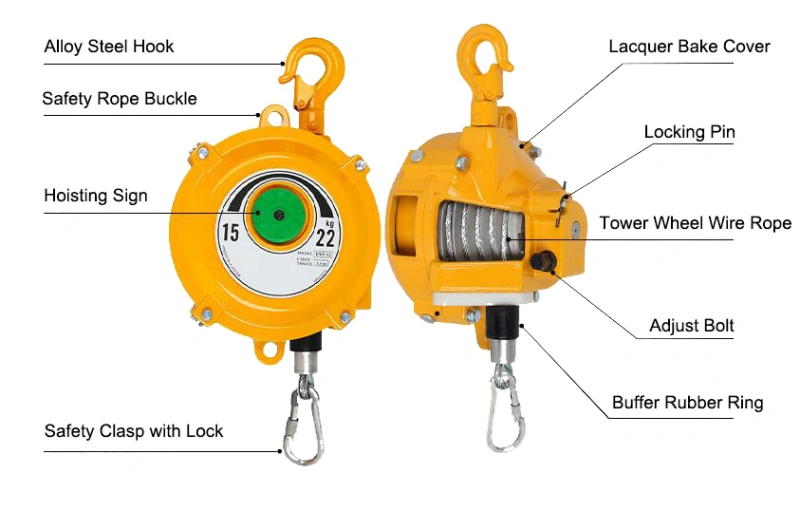
A tool balancer relies on several key parts to deliver smooth, safe, and efficient operation. When you understand each component, you can use your spring balancer more effectively and keep your workspace safe.
Component | Function |
|---|---|
Internal spring mechanism | Generates the counterbalancing force, allowing tools to float by exerting upward tension. |
Pulley system | Transmits spring tension to the tool, enabling controlled extension and retraction. |
Cable and hook | Connects the tool to the mechanism, providing a secure attachment point. |
Housing | Protects internal parts from contaminants and provides structural support. |
Safety features | Prevents accidents and enhances user protection. |
Spring Mechanism
The heart of every spring balancer is the internal spring mechanism. This part creates the counterforce that lets your tool balancer keep tools suspended at the right height. When you pull down on a tool, the spring mechanism applies just enough tension to balance the weight.
Adjusting tension is simple with the tension adjustment gauge, which shows you the current setting. You can fine-tune the tension adjustment to match different tool weights, making your tool balancer flexible for many tasks.
Powerful Machinery’s spring balancers use high-quality springs that last longer and provide consistent performance.
Cable and Hook
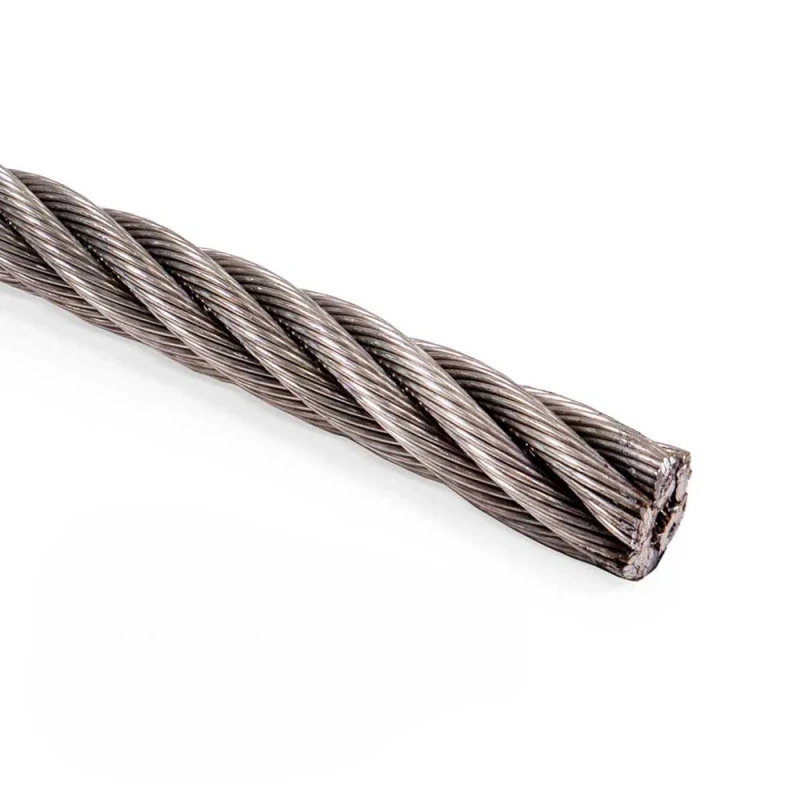
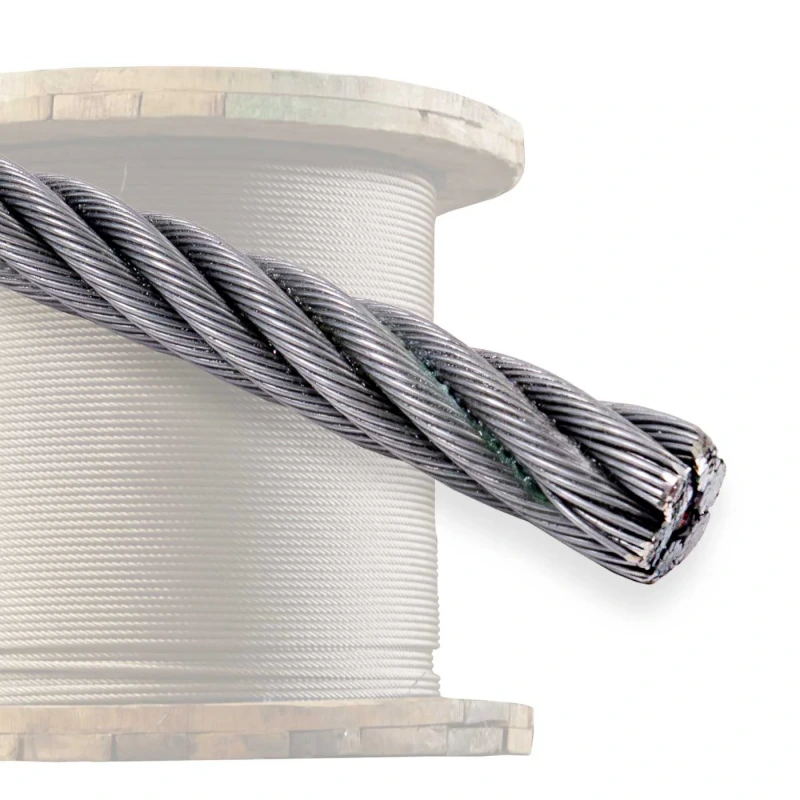
The cable and hook connect your tool to the tool balancer. Powerful Machinery uses stainless steel cables and hardened stainless steel hooks for maximum durability. These parts resist fraying and kinking, so your spring balancer stays reliable even in tough environments.
Safety features like safety latches and swivel joints prevent accidental drops and make tool changes easy. The cable and hook design in these spring balancers ensures your tools remain secure and always within reach. You can trust your tool balancer to handle heavy loads without sacrificing safety.
Housing and Safety Features
The housing of a spring balancer shields the internal spring mechanism and other moving parts from dust and debris. Powerful Machinery’s tool balancer housing is built to withstand harsh industrial conditions, keeping your equipment safe and extending its lifespan.
Safety features set these spring balancers apart. Each model includes a fall arrest device to stop tools from dropping if the spring fails. The drum lock system lets you safely replace tools or cables, while the tension adjustment gauge helps you set the right tension for every job.
These safety features, combined with certifications like OSHA and ISO9001, mean you can rely on your tool balancer for both safety and performance.
Tip: Regular inspection and cleaning of your spring balancer helps maintain its safety features and extend its service life.
How Does a Spring Balancer Work?
Step-by-Step Operation
When you use a spring balancer, you experience a smooth and effortless way to handle tools. The process starts with mounting the spring balancer securely above your workspace. You then attach your tool to the tool balancer’s hook.
Next, you adjust the tension using the built-in gauge until the tool feels nearly weightless in your hand. This adjustment ensures the tool balancer matches the weight of your tool, allowing you to move it up or down with minimal effort.
The spring balancer’s tightly wound spring responds to the weight of your tool. As you pull the tool down, the spring stretches and creates an upward force. This force balances the tool’s weight, so you do not have to support it yourself.
The tool balancer keeps the tool suspended at the height you set, making repetitive tasks much easier. You can fine-tune the tension at any time, ensuring the tool balancer adapts to different tools or tasks.
Powerful Machinery’s spring balancer includes advanced features for safety and reliability. The fall arrest device prevents tools from dropping if the spring fails. The drum lock system allows you to change cables or tools securely. The tension adjustment gauge helps you maintain the correct tension for every job.
These features make the tool balancer a dependable choice for demanding environments.
Tip: Always check the tension before starting work. Proper tension adjustment ensures the tool balancer operates safely and efficiently.
Balancing Principle Explained
To understand how a spring balancer works, imagine holding a tool on a rubber band. When you pull the tool down, the rubber band stretches and pulls back with equal force. The spring balancer uses a similar principle, but with a precision-engineered spring.
The spring inside the tool balancer follows Hooke’s Law, which means the tension increases in direct proportion to the weight you add. As you use heavier tools, the spring stretches more, creating a stronger upward force to keep the tool balanced.
Spring balancers maintain constant tension by matching the upward force of the spring to the downward pull of gravity. This balance allows your tool to “float” in place, ready for use at any moment. You do not need to lift or lower the tool manually.
The tool balancer does the work for you, reducing fatigue and improving accuracy.
In real-world settings, Powerful Machinery’s spring balancer demonstrates this balancing principle every day. In manufacturing, you can suspend screwdrivers or pneumatic wrenches, making assembly lines more efficient.
In automotive repair, the tool balancer supports spray guns and diagnostic tools, streamlining workflow and reducing downtime. Warehouses use spring balancers to handle heavy packages, distributing weight evenly and lowering the risk of injury.
Electronics manufacturing benefits from precise tool control, while construction sites rely on tool balancers to keep power tools accessible and safe.
The design of Powerful Machinery’s spring balancer addresses common challenges. Overloading is prevented by the fall arrest device. The drum lock feature ensures secure tool changes.
The tension gauge helps you maintain the correct tension, and clear maintenance guidelines keep your tool balancer in top condition.
If you want to know how a spring balancer works in your daily operations, think of it as your silent assistant. The tool balancer holds your tools, maintains perfect tension, and keeps your workspace organized. You gain efficiency, safety, and comfort with every use.
Common Failure Modes | How Powerful Machinery Addresses Them |
|---|---|
Overloading | A fall arrest device catches tools if the spring breaks |
Incorrect installation | Drum lock feature ensures secure cable or tool changes |
Skipping regular checks | Clear guidelines for use and maintenance are provided |
Improper tension setting | The tension gauge helps maintain correct tension levels |
Note: Regular inspection and correct tension adjustment extend the life of your spring balancer and keep your tool balancer working at peak performance.
Spring Balancer Uses and Benefits
Industrial Applications
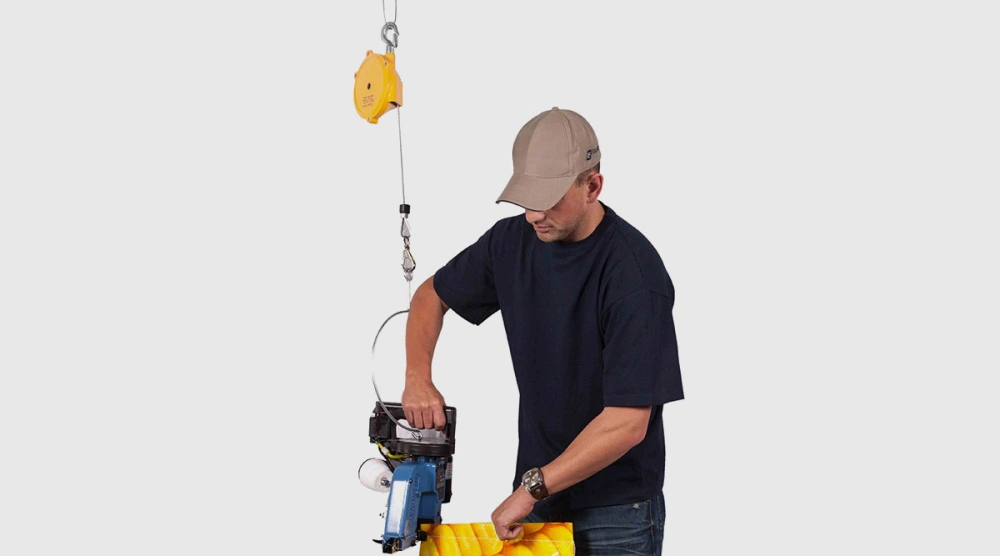
You will find spring balancers in almost every major industry that relies on repetitive tool use. In automotive plants, you can use a spring balancer to support pneumatic wrenches, grinders, and welding equipment. This setup reduces operator fatigue and keeps tools ready for action.
Aerospace assembly lines depend on spring balancers for delicate operations, such as fastening aircraft components, where precision and safety matter most. General manufacturing facilities use a tool balancer to hold heavy drills and welding torches, making each task smoother and safer.
Spring balancers also play a key role in assembly lines and machinery. You can use a tool balancer to suspend tools, balance moving parts, and even offset the weight of heavy doors or platforms. This versatility means you can choose the right spring balancer for almost any application, from electronics to heavy industry.
Here are some common uses for spring balancers:
Automotive: Supports tools for assembly and repair, improving safety and productivity.
Aerospace: Maintains precise tool positioning for sensitive tasks.
General Manufacturing: Handles heavy tools, reducing strain and increasing efficiency.
Repair Workshops: Keep precision screwdrivers and small tools organized and accessible.
Specialized Applications: Assists in medical device manufacturing and ESD-safe environments.
Spring balancers help you prevent tool drops, reduce clutter, and streamline tool changes, making your workspace safer and more organized.
Efficiency and Ergonomics
When you use a spring balancer, you improve both efficiency and ergonomics in your workspace. The tool balancer keeps tools suspended at the perfect height, so you do not need to lift or lower them manually. This reduces the physical strain on your body and lowers the risk of musculoskeletal injuries.
You can adjust the tension using the built-in gauge, ensuring the tool balancer matches the weight of each tool. This adjustment makes every movement smoother and more controlled.
A spring balancer increases productivity by making tools easily accessible and reducing the time spent searching for equipment. The tool balancer also supports lean manufacturing by keeping your workspace tidy and eliminating unnecessary motion.
You can rely on the tension adjustment to keep tools balanced, which means less fatigue and more focus on quality work.
Benefit Type | Description |
|---|---|
Worker Safety and Ergonomics | Spring balancers reduce injury risk and improve comfort, leading to higher productivity. |
Increased Productivity | Tool balancers speed up tasks by keeping tools ready and reducing fatigue. |
Cost Savings | Lower fatigue and fewer injuries mean less downtime and reduced healthcare costs. |
Powerful Machinery’s spring balancer stands out for its cost-effectiveness and versatility. You do not need electrical or pneumatic power, which lowers installation and maintenance costs.
The durable design and easy tension adjustment ensure long-term reliability. You can use the tool balancer in a wide range of industries, making it a smart investment for any operation.
Tip: Regular tension adjustment and inspection keep your spring balancer working at peak performance and extend its service life.
Conclusion
You gain clear advantages when you use a spring balancer in your workspace. Spring balancers keep your tools suspended, reduce fatigue, and help prevent injuries. You improve efficiency and safety in industries like automotive, electronics, and metal fabrication.
Powerful Machinery’s Spring Balancer stands out for its durability, advanced safety features, and easy tension adjustment.
Minimize tool drops and workplace injuries
Reduce physical strain and fatigue
Enhance productivity with effortless tool handling
Question | Answer |
|---|---|
Can the Spring Balancer be used outdoors? | Indoor use is best. For outdoor use, protect against weather and corrosion, and perform regular maintenance. |
What to do if there is a problem? | Secure the load, check for cable or spring issues, and contact technical support for help. |
Choose Powerful Machinery for reliable, certified lifting solutions that support your team’s success.
FAQ
How do you install a spring balancer?
You secure the spring balancer to a stable overhead anchor point. Attach your tool to the hook. Adjust the tension gauge until the tool feels weightless. Always check the safety latch before use.
What tools can you use with a spring balancer?
You can use spring balancers with drills, screwdrivers, welding guns, grinders, and other hand tools. Check the weight range on your model to ensure compatibility.
How do you adjust the tension on Powerful Machinery’s Spring Balancer?
Locate the tension adjustment gauge. Turn the knob or screw to increase or decrease tension. Match the setting to your tool’s weight for optimal balance.
Tip: Always test the tool’s movement after adjusting tension to ensure smooth operation.
What safety features does Powerful Machinery’s Spring Balancer offer?
Feature | Benefit |
|---|---|
Fall arrest device | Prevents tool drops |
Drum lock system | Secures cable/tool changes |
Tension gauge | Ensures correct adjustment |
You gain peace of mind with these built-in protections.