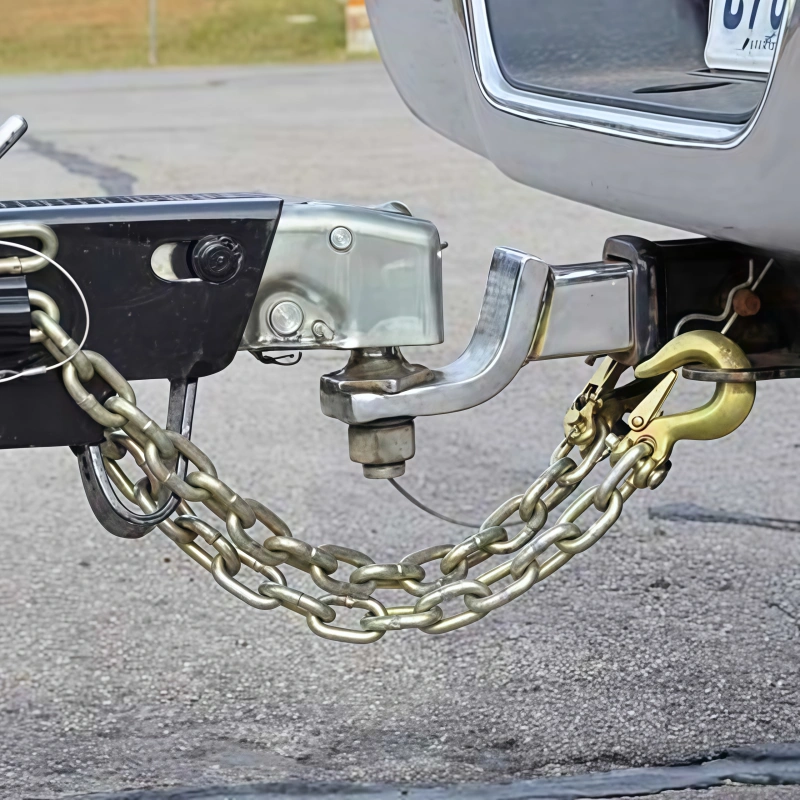
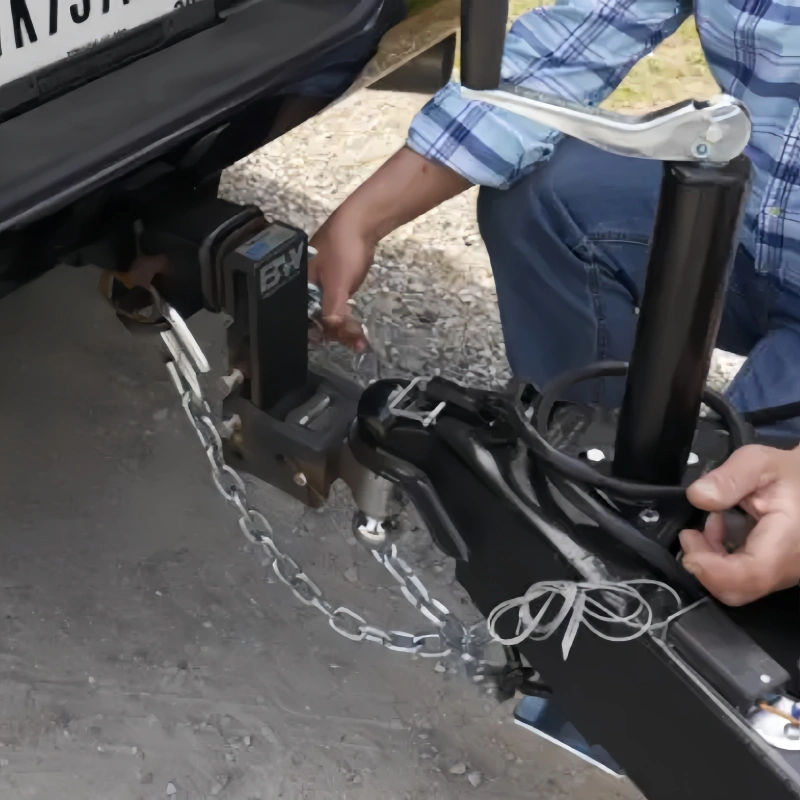
You want to know how to clean rusty tow chains quickly and safely. Start by removing loose dirt and debris, then use practical methods like soaking and scrubbing to restore your chains. Powerful Machinery tow chains offer exceptional durability, but they still need regular care.
When you ask how to clean rusty tow chains, you ensure your equipment stays strong and reliable. Regular cleaning not only prevents rust but also removes harmful particles. If you want more tips on how to clean rusty tow chains, follow these steps.
Use these tips to extend the life of your chains and keep them ready for any job. Knowing how to clean rusty tow chains helps you maintain peak performance every time.
Key Takeaways
Regularly clean your tow chains after use to prevent rust and extend their life.
Use household items like vinegar, baking soda, or lemon juice for effective rust removal.
Always rinse and dry your chains thoroughly to avoid moisture buildup that causes rust.
Apply a protective lubricant after cleaning to shield against future rust.
Store chains in a dry, climate-controlled area to minimize rust risk.
Tools and Materials for Cleaning Tow Chains
Essential Supplies for Cleaning a Rusty Chain
You need the right tools and materials for cleaning a rusty chain. Using the correct supplies helps you remove rust efficiently and keeps your tow chains in top condition. You can choose from household items or commercial products, depending on what you have available.
Here is a table of common household products and how you can use them for cleaning a rusty chain:
Product | Method |
|---|---|
Lemon Juice and Salt | Sprinkle salt on the rusted area and squeeze lemon juice over it. Let it sit for a few hours before scrubbing with a brush. |
Potato and Baking Soda | Cut a potato in half, dip it in baking soda, and use it to scrub the rusted area. The oxalic acid in potatoes helps dissolve rust. |
Coca-Cola | Soak the rusty item in Coca-Cola overnight. The phosphoric acid in the soda helps break down rust. |
Chemical Rust Removers | Use CRC Evapo-Rust® on small household items. It removes deep rust on steel and iron and is safe to use on all surfaces. |
Hydrogen Peroxide and Baking Soda | Apply a mixture of hydrogen peroxide and baking soda to the rusted area and scrub after it stops bubbling. |
You can also use vinegar for cleaning a rusty chain. Vinegar works well for removing rust from metal surfaces. Just soak the chain in vinegar, then scrub with a wire brush.
Other useful tools and materials include:
Wire brush or steel wool for scrubbing
WD-40 for loosening rust and protecting metal
Oxalic acid for heavy rust removal (use with care and gloves)
Clean rags for drying
Recommended Products from Powerful Machinery
Powerful Machinery tow chains stand out for their durability and strength. You get chains made from high-strength steel with heat-treated links. These chains often feature hot-dip galvanizing, zinc-nickel coating, or powder coating. Each finish protects your chain from rust and extends its service life.
When cleaning a rusty chain from Powerful Machinery, you should always use non-abrasive brushes and avoid harsh chemicals that could damage the protective coating.
Proper cleaning materials help you maintain the chain’s quality and keep rust from spreading. You can trust that your chain will last longer if you follow these steps.
Tip: Always wear gloves and eye protection when cleaning a rusty chain. Some cleaning solutions can irritate your skin or eyes.
Cleaning a rusty chain with the right tools ensures your Powerful Machinery tow chains stay reliable for every job.
How to Clean Rusty Tow Chains: Step-by-Step Guide
Soaking Methods: Vinegar, Baking Soda, Cola, and More
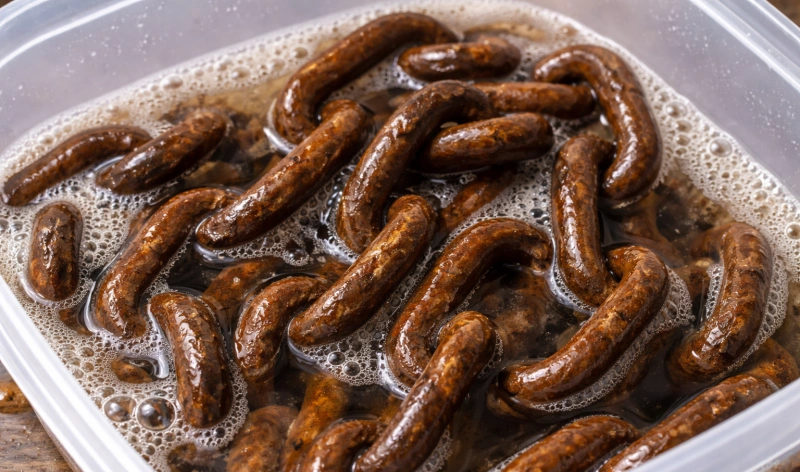
To clean a rusty chain, you start by soaking it in a solution that breaks down rust. Place the chain in a container and cover it with white vinegar. The acid in vinegar dissolves rust, making it easier to remove.
For extra cleaning power, add baking soda to the vinegar. This combination creates a reaction that helps lift rust from the metal. If you do not have vinegar, cola works as an alternative. The phosphoric acid in cola also attacks rust, though it may take longer.
Let the chain soak for several hours or overnight. The longer you soak the chain, the more rust you remove. Heavier rust may require a second soak. Always check the chain during the process to see if the rust loosens.
Soaking a rusty chain in these solutions is crucial for effective rust removal. The acids in vinegar, baking soda, and cola dissolve rust, making it easier to scrub the chain later.
Tip: Always wear gloves and safety glasses when handling cleaning solutions. Work in a well-ventilated area to avoid breathing in fumes.
Scrubbing and Removing Rust from a Tow Chain
After soaking, you need to scrub the chain to remove loosened rust. Use a wire brush for heavy rust, but do not scrub too hard. Aggressive scrubbing can scratch or damage the metal.
For lighter rust, a toothbrush works well and is gentle on the chain. You can also use powder cleansers like Bar Keepers Friend. Mix the cleanser with water to form a paste and apply it to stubborn rust spots. Scrub the chain with the paste using a brush or scouring pad.
Another method involves lemon juice and salt. Sprinkle salt on the rusted areas, then squeeze lemon juice over them. Let the mixture sit for a few hours. Afterward, scrub the chain with a scouring pad to lift the rust. Repeat the process if needed for tough spots.
Use a wire brush for heavy rust, but avoid aggressive scrubbing.
Use a toothbrush for lighter rust to protect the metal.
Apply powder cleansers as a paste for stubborn rust.
Try lemon juice and salt for a natural cleaning option.
Scrub the chain thoroughly, focusing on all links and joints.
You must scrub every part of the chain. Pay attention to the areas between links, as rust often hides there. Cleaning a rusty chain requires patience and attention to detail. Scrub the chain until you see clean metal and no more rust flakes.
Rinsing and Drying the Chain Properly
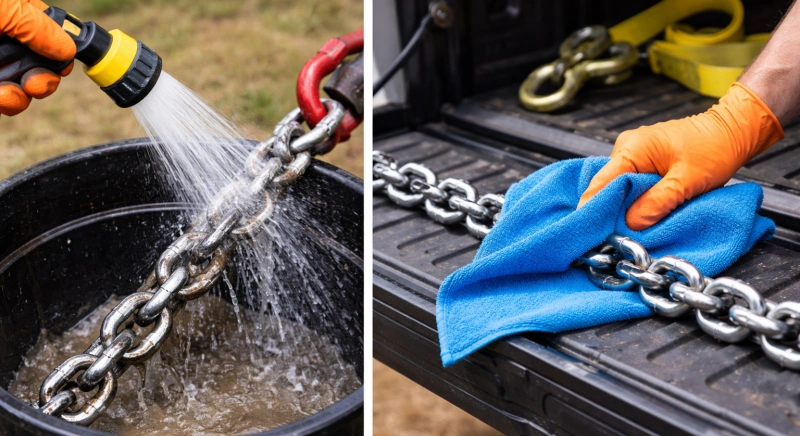
Once you finish scrubbing, rinse the chain with clean water. Rinse the chain thoroughly to remove all cleaning solution and rust residue. You can use a hose or a bucket of water for this step. Make sure you rinse the chain several times to ensure no chemicals remain.
After rinsing, dry the chain immediately. Use a clean towel to remove as much water as possible. You can also dry the chain outdoors in direct sunlight or use a hair dryer or heat gun for faster results. Do not leave the chain wet, as moisture causes rust to return quickly.
Consider spraying the chain with WD-40 or a similar product during the drying stage. This displaces water and adds a protective layer to prevent new rust.
Rinse the chain with clean water after scrubbing.
Dry the chain right away using a towel, sunlight, or a heat source.
Spray WD-40 or a lubricant to protect the chain from moisture.
Store the chain in a dry place to keep it rust-free.
If you do not dry the chain properly, rust can return even after cleaning. Always make sure you dry every link and joint. Add a light coat of lubricant to keep the chain protected. Cleaning rust from a tow chain and drying it well ensures long-lasting performance.
Note: Regularly rinse the chain after exposure to salt or moisture. Dry the chain completely and add lubricant to prevent rust from coming back.
Ways to Clean a Rusty Chain: Alternative Solutions
Using Commercial Rust Removers and WD-40
You can choose commercial products when cleaning a rusty chain, especially if you face heavy rust or old stains. Commercial rust removers often contain acids, sodium hydrosulfite, or chelating agents. These ingredients dissolve rust quickly and work well on tough spots.
WD-40, a petroleum-based solvent, penetrates deep into cracks and crevices. It coats rust particles, reduces friction, and makes it easier to scrub off rust. Many users find WD-40 ideal for loosening rust and preparing the chain for further cleaning.
When you use commercial rust removers, always wear gloves and eye protection. Some products contain strong acids like hydrochloric or phosphoric acid. These can damage paint and metal surfaces if not used carefully.
Acid-free, water-based removers offer a safer alternative. You should follow all safety instructions on the product label.
Method Type | Environmental Impact |
|---|---|
Commercial (Harsh Solvents) | May contain harsh solvents and acids, posing environmental and health hazards. |
Eco-friendly Commercial | Made from biodegradable ingredients, minimizes environmental harm. |
Powerful Machinery recommends using non-abrasive brushes and avoiding harsh chemicals that could damage protective coatings. Always rinse and dry your tow chain thoroughly after using any commercial product.
Natural and DIY Cleaning Methods
You have several natural and DIY ways to clean a rusty chain. These methods use common household items and are generally safer for you and the environment. Vinegar and salt, baking soda solution, and citric acid solution are popular choices.
For example, you can mix one gallon of white vinegar with one cup of salt, soak the chain, and rinse it with a pressure washer. Baking soda neutralizes vinegar and helps remove any remaining rust. Citric acid, mixed at 1/3 cup per gallon of water, creates bubbles as it reacts with rust, showing visible results in 10-15 minutes.
Vinegar and Salt: Mix and soak, then rinse with a pressure washer.
Baking Soda Solution: Soak for 15 minutes to neutralize vinegar.
Citric Acid Solution: Soak until bubbles form, then scrub.
Dragging on Gravel: Drag the chain on gravel to remove surface rust.
Natural methods work best on lighter, fresher stains. They are less likely to harm the metal or the environment. You still need to wear gloves and work in a well-ventilated area.
Method | Description |
|---|---|
Phosphoric Acid | Used by professionals; reacts with rust without damaging zinc and iron significantly. |
Naval Jelly | A milder form of phosphoric acid; effective for rust removal but may remove some galvanization. |
Battery Charger Method | Uses a battery charger with salt water to convert rust into a removable material. |
When you look for the best way to clean a rusty chain, consider the type and amount of rust. Commercial products remove heavy rust quickly but require more safety precautions. Natural methods are safer and eco-friendly, but may take longer. You can combine both approaches for the most effective results.
Powerful Machinery suggests regular cleaning and proper storage as the best ways to clean a rusty chain and keep your equipment in top condition.
Tip: Always dry your chain completely and apply a protective lubricant after cleaning a rusty chain. This prevents new rust from forming and extends the life of your Powerful Machinery tow chains.
Preventing Rust on Powerful Machinery Tow Chains
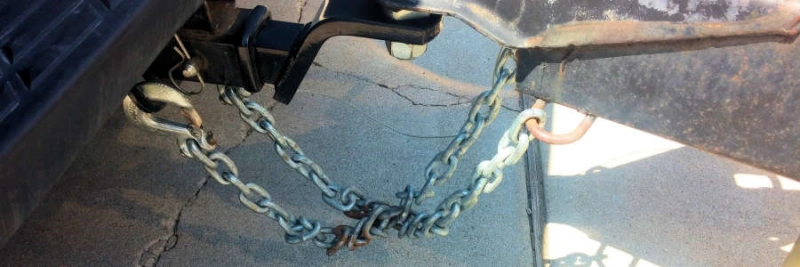
Lubrication and Protective Coatings
You can protect it from future rust by applying the right lubricants and coatings. Start by choosing a high-quality lubricant like Extreme Cable N’ Chain Lube. This product forms a flexible barrier that resists water, salt, and chemicals. You should lubricate the chain after every cleaning or exposure to moisture.
Use a good grade of nondetergent petroleum base oil if you need an alternative. This oil reduces wear and helps prevent further rusting.
For extra protection, apply coatings designed to shield metal surfaces. Galvanizing covers the chain with zinc, which acts as a sacrificial layer against rust. Products like Galv360 or Eck Complete Corrosion Protection offer long-lasting defense. High-quality automotive paint or undercoating also creates a barrier.
Touch up any scratches or worn spots to prevent further rusting. Regular care and maintenance, including frequent washing, will help protect it from future rust.
Tip: Always inspect your chain for damage or worn coatings. Address any issues right away to prevent further rusting.
Storage and Maintenance Tips
Proper storage is one of the best ways to protect it from future rust. Store your tow chains in a climate-controlled area to keep humidity low. Keep chains off the floor by hanging them or placing them on shelves.
Use sealed toolboxes or cabinets to create an airtight environment. Wipe down and dry your chains thoroughly before storage. This step removes moisture that can cause rust.
Here is a table of effective storage practices:
Storage Practice | Benefit |
|---|---|
Climate-controlled storage | Reduces humidity and rust risk |
Store off the floor | Avoids contact with moisture |
Sealed toolboxes/cabinets | Blocks humidity and air exposure |
Wipe down after use | Removes water and contaminants |
Dry before storage | Prevents moisture buildup |
You should inspect your chains regularly. Increase inspection frequency during winter or after exposure to salt. Clean and lubricate the chain after each use to prevent it from rusting. Routine checks and proper storage extend the life of your Powerful Machinery tow chains and keep them safe for every job.
Tip: Committing to regular maintenance will maximize safety and work efficiency.
Conclusion
You can keep your tow chains in top condition by following a few simple steps. Always inspect your chains before each use and clean them after exposure to rust, salt, or chemicals. Lubricate hooks and connectors to prevent rust and ensure smooth operation.
Store your chains in a dry, protected area to avoid rust buildup. Replace any chain that shows significant rust or damage. Using the right cleaners and lubricants helps you extend the life of the chain and maintain reliable performance.
Regular maintenance prevents rust from causing equipment failure and helps you extend the life of the chain for every job.
Inspect chains for rust, cracks, or wear before use.
Clean and lubricate chains and hooks to prevent rust.
Store chains off the floor in a dry place to reduce rust risk.
Replace any chain with significant rust or damage.
Regular maintenance ensures safety and reliability during towing operations. For more details on rust prevention and product options, visit the Powerful Machinery website.
Maintenance Task | Description |
|---|---|
Inspection | Regularly check for cracks, nicks, or wear on chains and hooks. |
Cleaning | Clean and lubricate chains and hooks to prevent rust. |
Storage | Store rigging gear in a dry, protected area. |
Replacement | Replace any component that fails inspection. |
FAQ
How often should you clean your tow chains?
You should clean your tow chains after each use, especially if exposed to moisture, salt, or chemicals. Regular cleaning prevents rust and extends the chain’s service life.
Can you use WD-40 on Powerful Machinery tow chains?
Yes, you can use WD-40 to loosen rust and protect your tow chains. Spray a light coat after cleaning and drying to help prevent future corrosion.
What is the best way to store tow chains?
Store your tow chains in a dry, climate-controlled area. Hang them or place them in a sealed toolbox to keep moisture away. Always dry the chains before storage.
Do you need to lubricate tow chains after cleaning?
Yes, always lubricate your tow chains after cleaning. Use a high-quality chain lubricant or light oil to protect against rust and ensure smooth operation.
Can you remove heavy rust from a tow chain at home?
You can remove heavy rust at home using soaking methods like vinegar or commercial rust removers. For severe rust, repeat the process or use a wire brush for better results.