You face real risks when handling a come-along winch release under tension. Safety should guide every step. Improper operation can cause major injuries. Review the table below to understand the most common accidents:
Type of Injury/Accident | Description |
|---|---|
Entangled clothing | Clothing can get caught in machinery |
Trapped limbs or extremities | Limbs can be crushed inside the winch |
Head injuries | Machinery can cause fractured skulls |
Broken hands | Hands can be injured during an operation |
Loss of limbs | Amputations sometimes occur |
Many workers get caught or tangled in equipment. Loose clothing often catches in the come-along. You must inspect your gear and surroundings before you attempt release.
Key Takeaways
Always prioritize safety by wearing protective gear like gloves and eye protection before using a come-along winch.
Conduct a thorough inspection of the winch and its components to identify any wear or damage before each use.
Clear the workspace of unnecessary tools and bystanders to minimize the risk of accidents during operation.
Follow a controlled release process to maintain tension and prevent sudden movements that could lead to injury.
Regularly maintain your come-along winch by lubricating moving parts and keeping a log of inspections and repairs.
Safety Checklist Before Releasing a Come-Along Winch
Personal Protective Equipment and Area Safety
You must prioritize safety before you release a come-along. Start by wearing protective gloves to shield your hands from sharp wire strands and friction burns. Eye protection is necessary to guard against debris or cable recoil.
Use a hook strap to keep your hands away from pinch points. These steps form the foundation of your safety checklist before releasing the winch.
Tip: Always check your clothing for loose ends. Remove jewelry and tie back long hair to prevent entanglement.
Clearing the area is essential. Make sure the workspace is free from unnecessary tools and bystanders. Stand to the side of the winch line, never directly in line with the cable. This reduces the risk of injury if the cable snaps. Ensuring no one is nearby and clearing the area are critical safety precautions.
Visual Inspection of Powerful Machinery: Come Along Tool
Before you release the load, inspect the winch components thoroughly. Powerful Machinery’s Come Along Tool offers reliability, but you must still check every part. Use this checklist for inspection:
Inspection Criteria | Description |
|---|---|
Load drift after releasing | Watch for load movement when controls are released. |
Brake engagement | Confirm brakes hold the load securely. |
Unusual sounds | Listen for rattling, clicking, or clunking noises. |
Chain and wire rope wear | Look for damage, corrosion, or fraying. |
Hook and safety latch | Check for deformation and proper latch function. |
Hoist body and frame | Inspect for cracks, dents, and secure components. |
Inspect the winch components, including the wire rope and hooks, for any signs of wear or damage. This inspection prevents unexpected failures and ensures all components function as intended.
Key Safety Precautions and Load Assessment
You must follow safety precautions every time you release a come-along. Maintain a safe distance from the winch line. Use a damper on the cable to absorb energy if the line breaks. Always adhere to the load limits specified for your tool. Wearing protective gloves during the release phase is a must.
Load assessment is a vital part of your safety checklist before releasing. Evaluate the following factors before you release the tension:
Factor | Description |
|---|---|
Gross Vehicle Weight (GVW) | The base weight of the object or vehicle being moved. |
Gradient Resistance | The effect of slopes or inclines on the force required. |
Surface Resistance | The impact of mud, sand, or rough terrain on pulling force. |
Clearing the area and ensuring no one is nearby reduces the risk of the hazard. You must check all components and follow the checklist to guarantee a safe release. Powerful Machinery’s Come Along Tool provides the strength and reliability you need, but your attention to safety makes the difference.
How to Release a Come Along?
Preparing for Controlled Release
You must prepare to release your come-along with a focus on safety and control. Start by inspecting the cable winch puller for any visible damage, such as frayed cables or loose parts. Secure the tool on a stable surface to prevent shifting. Select anchor points that can handle the load.
Attach the hooks properly, making sure each connection is tight and secure. This preparation ensures you can release a come-along winch safely and avoid unexpected movement.
Before you begin the release procedure, clear the area around the come-along. Confirm that no one stands near the winch or the load. Wear protective gloves to improve grip and shield your hands. These steps form the foundation of best practices to release a come-along winch safely.
How to Release a Come-Along Winch Safely Under Tension?
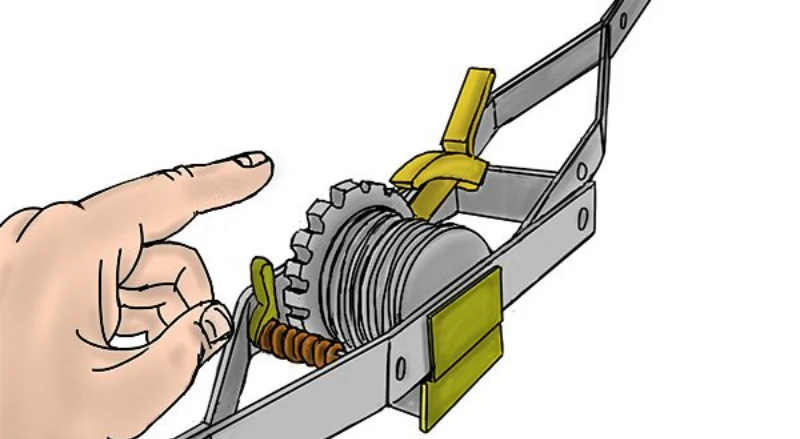
When you need to release a come-along winch safely under tension, follow a precise sequence. Understanding the mechanism of your cable winch puller is essential. Locate the ratchet release lever or pawl. Slide the spring’s hook from the bottom to the top of the slot to disengage the drive-pawls.
Swing the handle over until you feel resistance, then push a bit harder until you hear a ‘clunk.’ This sound signals that the stop pawl has released.
Repeat this handle movement to slowly release tension. Maintain control at every step. If you need to quickly let the winch cable recoil safely, swing the handle back and hold the stop-pawl trigger with your thumb.
This action allows the ratchet wheel to spin freely, but you must keep your grip firm to prevent sudden movement. Practicing these steps helps you master the best practices to release a come-along winch safely.
Tip: Familiarize yourself with your come-along before you need it in a critical situation. Practice the release process to build confidence and skill.
Gradual Handle Operation and Cable Monitoring
Maintaining control during a come-along winch release is vital. Turn the handle slowly and smoothly. Avoid quick or jerky movements. This approach helps you release a come-along winch safely and prevents sudden tension loss. If you feel resistance increase, stop and inspect the setup before continuing.
Pause every few turns to check the cable’s position on the drum. Watching the cable ensures it winds evenly and does not bunch up. Use a tension gauge if available to monitor the force on the cable winch puller.
Consistent cranking speed and regular checks help you slowly release tension and maintain control throughout the process.
Note: Watching the cable and monitoring tension are key steps in the release procedure. These actions protect you and your equipment.
Managing Cable Recoil and Fast Release
Cable recoil can cause accidents if not managed properly. To let the winch cable recoil safely, always stand clear of the load path. Use a winch damper or low-recoil ropes to reduce snap-back risk. Conduct regular inspections to spot wear or damage that could lead to sudden release.
Method | Description |
|---|---|
Low-recoil ropes | Reduce the risk of snap-back incidents by minimizing recoil energy. |
Regular inspections | Identify wear and damage that could cause accidents during release. |
Safety devices | Use devices like a Defender Fuse to manage energy release in mooring setups. |
Always wear protective gear and follow best practices for setup and operation. If you need to let the winch cable recoil safely for a fast release, maintain a firm grip on the handle and control the ratchet wheel’s speed. Never rush the process. Take your time to think through each step.
This approach ensures you release a come-along winch safely and avoid injury.
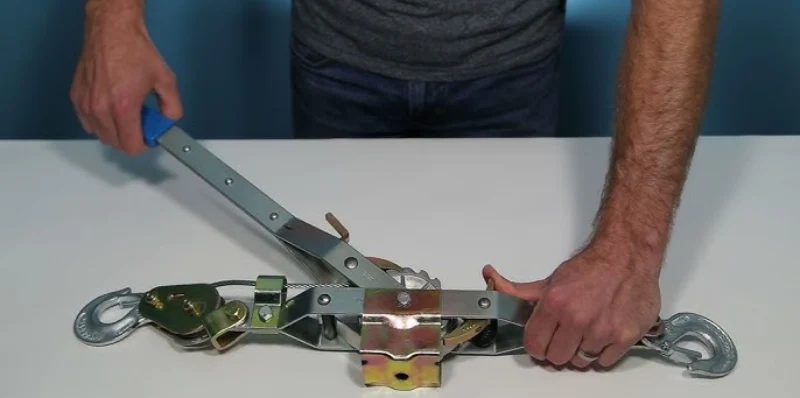
Understanding the mechanism and maintaining control are your best defenses against accidents. Powerful Machinery’s Come Along Tool features an ergonomic handle and robust ratchet system, giving you the leverage and control needed for a safe, efficient come-along winch release.
By following these steps, you can release the cable tension, protect yourself, and extend the life of your cable winch puller.
Troubleshooting Come-Along Winch Release Issues
When you encounter problems during a come-along winch release, you need a systematic troubleshooting approach. Addressing issues quickly helps maintain safety and extends the life of your equipment.
Powerful Machinery’s Come Along Tool is designed for reliability, but even the best tools require regular inspection and care.
Jammed Pawls or Ratchet
Jammed pawls or a stuck ratchet can halt your come-along winch release. You often see this problem when maintenance lapses or components wear out. Common causes include:
Lack of regular inspection and lubrication
Severe wear on pawls or ratchet teeth
Improper installation of components
Some users report pawls falling out of gear pockets, even with annual servicing. To prevent this, inspect your come-along before every use. Clean and lubricate the ratchet mechanism. If you notice excessive wear, replace the affected components immediately. Consistent inspection and maintenance keep your come-along operating smoothly.
Over-Tensioned or Stuck Cable
An over-tensioned or stuck cable can make release difficult and dangerous. If you face this issue:
Assess the situation and stop the operation.
Slacken the rig if possible.
Correct any visible issues with the cable or anchor points.
Handle the winch line carefully to avoid further damage.
If the cable vibrates or pings, stop and slacken the rig. Always anchor your come-along securely and use attachment points rated for the load. Regular inspection of all components helps prevent these problems.
Cable Backlash and Heat Expansion
Cable backlash or heat expansion can occur during a come-along winch release, especially after heavy use. Monitor the cable for signs of uneven spooling or sudden slack. Allow the cable to cool if it feels hot.
Use slow, controlled handle movements to maintain control and prevent backlash. Inspect the cable and drum for any signs of damage or deformation after each release.
When to Seek Repairs or Replacement?
You should seek repairs or replacement when inspection reveals:
Signs of Wear or Damage | Action Needed |
|---|---|
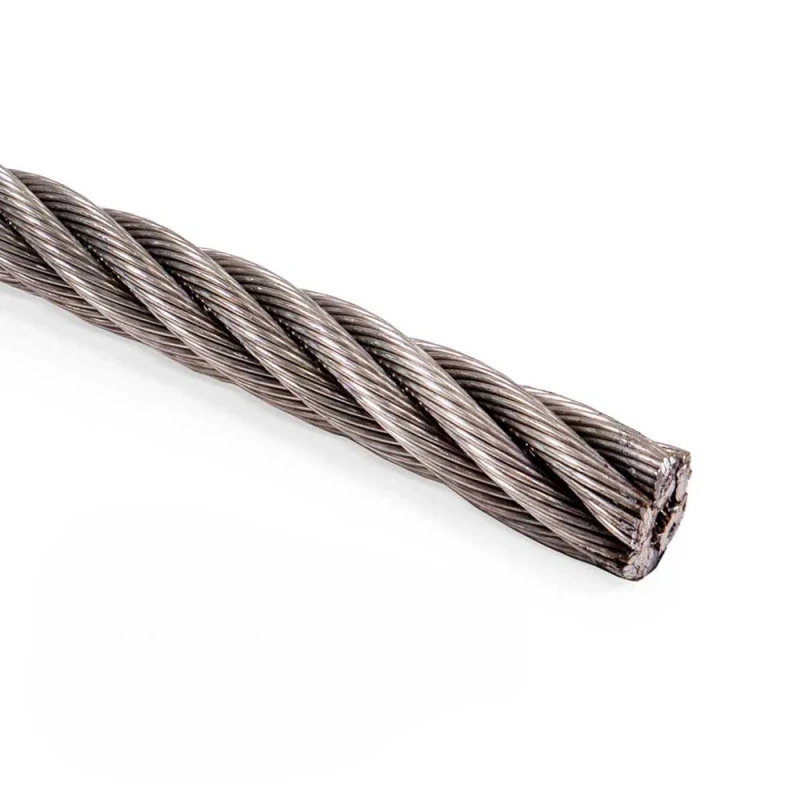
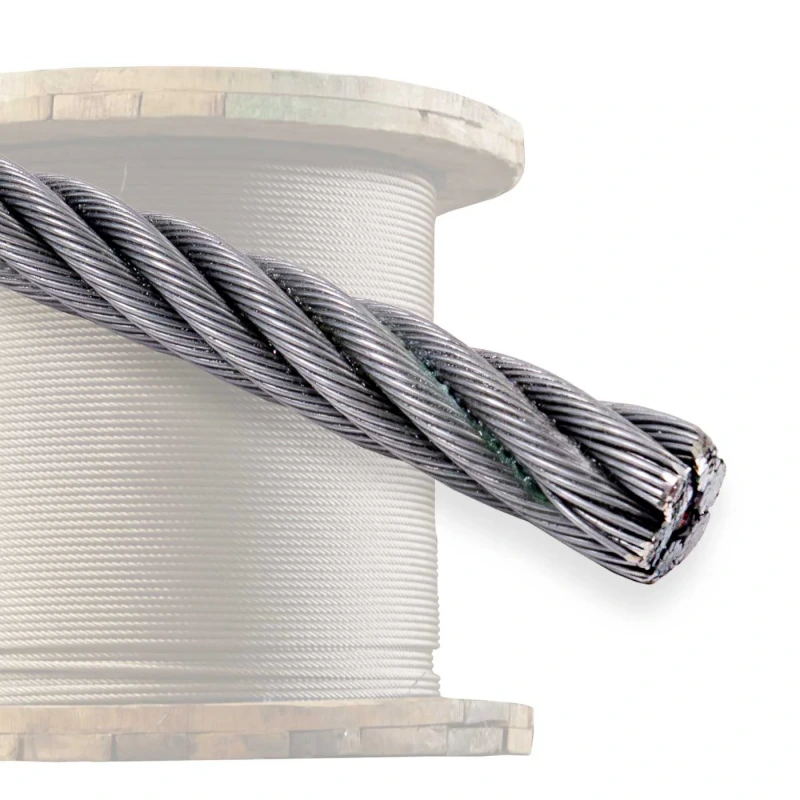
Kinks, birdcaging, or broken strands in steel cable | Replace cable |
Melted fibers or deep cuts in synthetic rope | Replace rope |
Excessive stretch or flattening of the line | Replace line |
Anchor failure or frayed drum-end connections | Repair or replace |
Frequent jamming under moderate loads | Inspect and repair |
Trying to extend the life of worn components puts your safety at risk. Treat your come-along like any critical tool—replace worn parts promptly. Powerful Machinery offers support and certified replacement parts to keep your come-along winch release safe and reliable.
Regular inspection and timely repairs ensure you maintain control and avoid unexpected failures. If you have questions, contact Powerful Machinery’s support team for expert troubleshooting advice.
Maintenance Tips for Powerful Machinery: Come-Along Tool
Post-Use Inspection and Cleaning
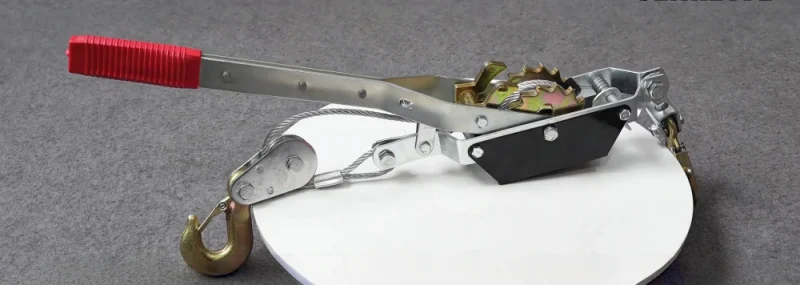
You should always follow a post-use inspection checklist after every release. This habit keeps your come-along in top condition and ensures safety for every operation. Begin with a visual inspection of all components. Look for rust, cracks, or corrosion on the body, hooks, and wire rope.
Test the handle for smooth movement and check that the safety latch works as intended. Wipe down the tool to remove dirt and debris. A clean tool allows you to spot issues early and maintain control during the next release.
Tip: Use a post-use inspection checklist to make sure you do not miss any critical steps. Regular inspection and cleaning extend the life of your come-along and its components.
Lubrication and Storage
Proper lubrication is essential for smooth release and reliable control. Apply lubricant to all moving components, including the ratchet, pawls, and hinges. This step prevents rust and keeps the come-along operating efficiently. Store your tool in a dry, secure place, such as a toolbox or on a pegboard.
Good storage practices protect components from dust and moisture, reducing the risk of damage. You should also keep lubricants clean and track their use to avoid contamination.
Lubricate all moving parts after each release.
Store the come-along in a designated area to protect components.
Hang the tool when possible to prevent unnecessary wear.
Replacing Damaged Parts and Record Keeping
Regular inspection helps you identify worn or damaged components before they affect safety or control. The most frequently replaced parts include pawl springs and wire rope. Use the table below to guide your maintenance schedule:
Part/Action | Frequency of Inspection/Replacement |
|---|---|
Pawl springs | Check during regular inspection |
General inspection | Yearly |
Complete service | Every 2 years (if necessary) |
Keep a logbook for your come-along. Record every inspection, release, lubrication, and repair. This practice helps you track recurring issues and plan future maintenance. Detailed records support safety and ensure your come-along remains reliable for every release.
Note: Consistent maintenance and record keeping protect your investment and guarantee the durability of Powerful Machinery’s Come Along Tool.
Conclusion
You ensure safe and effective come-along winch operation by following industry guidelines and maintaining your equipment. Powerful Machinery’s Come Along Tool delivers reliability and performance for demanding tasks. You protect yourself and others when you:
Conduct thorough safety checks before every use.
Wear gloves, safety glasses, and sturdy boots.
Keep the working area clear and maintain a safe distance from the winch line.
Monitor the winch line to prevent tangling and ensure even winding.
You extend the life of your tool with regular maintenance and inspections. Always consult the manufacturer’s guidelines for best results.
FAQ
How often should you inspect your come-along winch?
You should inspect your come-along winch before every use. Check for visible damage, wear, or corrosion. Regular inspection helps you spot issues early and ensures safe operation.
Can you release a come-along winch under load?
Yes, you can release a come-along winch under load. Always follow the correct release steps. Wear protective gear and keep a firm grip on the handle to control tension safely.
What should you do if the cable jams during release?
Stop using the tool immediately. Inspect the cable and drum for tangles or damage. Clear any obstructions before continuing. If the jam persists, contact Powerful Machinery’s support for guidance.
How do you maintain the ratchet mechanism?
Apply lubricant to the ratchet, pawls, and moving parts after each use. Clean off dirt and debris. Proper maintenance keeps the mechanism smooth and extends the tool’s lifespan.
Where can you find certified replacement parts for your come-along tool?
You can find certified replacement parts directly from Powerful Machinery. Visit the official website or contact their support team for assistance.