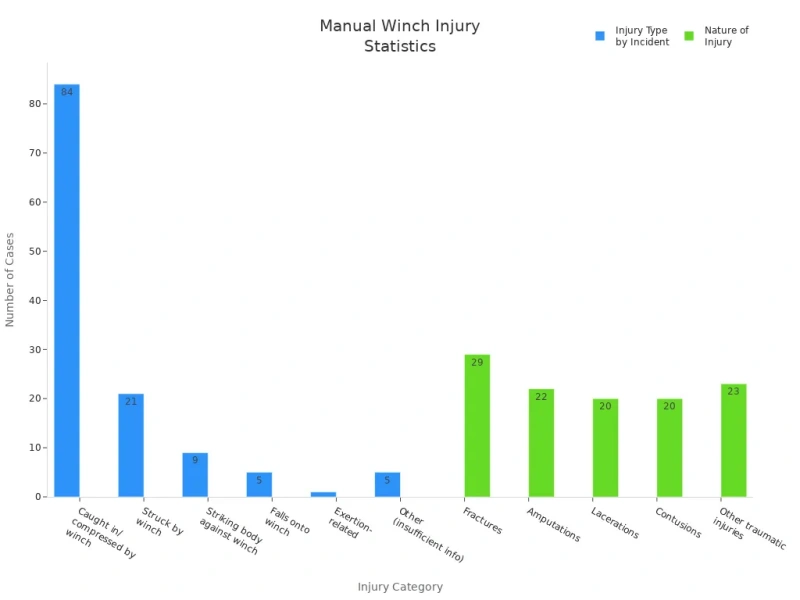
You want to operate a manual winch safely and with confidence. In industrial settings, improper winch use leads to serious injuries, such as fractures and amputations. The chart below shows how common these accidents are and highlights why you must take safety seriously every time you use this equipment.
By understanding how to use a manual winch the right way, you protect yourself and your team from harm. Reliable equipment and correct technique make all the difference.
Key Takeaways
Always inspect the winch and the surrounding area before use. Check for damage to the winch rope, hooks, and brakes to ensure safe operation.
Use proper personal protective equipment, such as gloves and safety goggles, to protect yourself from injuries while operating the winch.
Never exceed the winch’s rated capacity. Overloading can lead to equipment failure and serious injuries.
Securely attach and align the load with the winch rope to prevent accidents. Proper attachment is crucial for safe winching.
Follow a regular maintenance schedule. Clean and inspect the winch frequently to ensure it operates safely and efficiently.
What Is a Hand Winch?
Manual Winch Overview
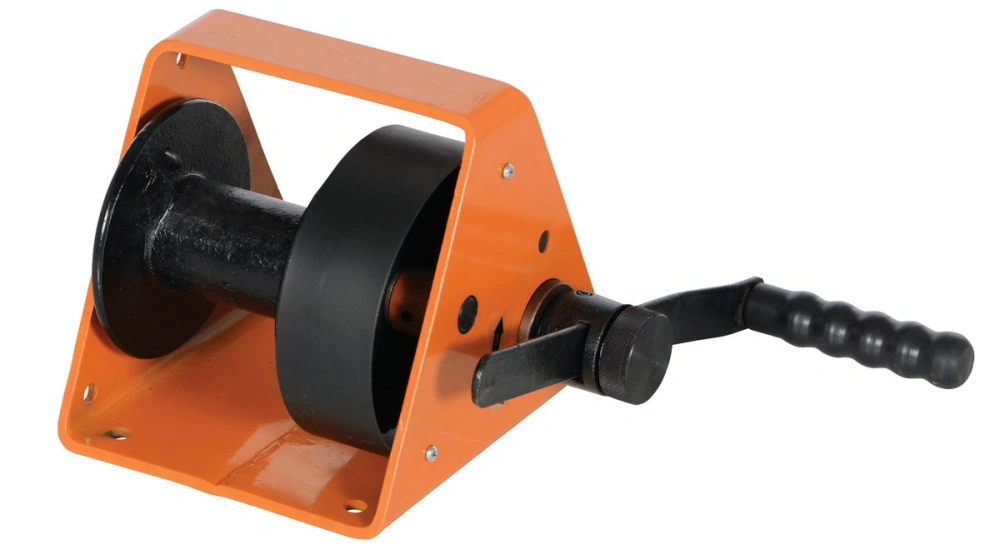
A hand winch is a mechanical device that helps you lift or pull heavy objects with ease. You operate it by turning a handle, which rotates a drum. The drum winds or unwinds the winch rope, creating tension that moves your load.
This simple tool gives you a mechanical advantage, so you can move large items without much effort.
You will find several key parts in a hand winch:
A sturdy drum that holds the winch rope or cable.
A hand-crank mechanism for manual force application.
High-strength gears that multiply your effort.
A brake system that keeps the load secure and prevents rollback.
Many hand winches include ratcheting mechanisms. These features stop the load from slipping back, making your work safer. The brake system also helps you control the descent of a load, which is important for safety.
Powerful Machinery stands out as a trusted manufacturer in this field. The HWV Series Manual Winch, for example, offers a 360-degree handle, automatic brake, and high-strength gears. You get smooth operation and reliable performance, even in tough environments.
The ergonomic design and non-slip grip make it comfortable for you to use, while the self-locking system keeps your load secure.
Main Uses in Industry
You will see hand winches in many industries. They play a vital role in construction, marine, and cargo handling. In construction, you use a hand winch to lift and move heavy materials. In marine settings, you rely on a winch to anchor boats or secure cargo. The winch rope handles tough conditions, making it ideal for these tasks.
Here are some common applications:
Construction: Lifting beams, moving equipment, and positioning materials.
Marine: Anchoring, mooring, and cargo handling on work boats.
Automotive: Towing and vehicle recovery.
Mining: Transporting equipment and materials.
Oil & Gas: Drilling, rigging, and pipeline installation.
The table below shows the percentage of hand winch usage in different sectors:
Sector | Percentage of Usage |
|---|---|
Commercial Recovery | 40.0% |
Mobile Crane | 30.0% |
You can count on a hand winch for reliable lifting and pulling in demanding environments. The winch rope and brake system ensure safety and control, making your job easier and more efficient.
How to Use a Manual Winch: Step-by-Step Guide
Inspecting the Winch and Area
Before you start winching, you must inspect the equipment and the surrounding area. This step is essential for safe operating techniques and prevents accidents. You should check the winch rope for signs of fraying, corrosion, or damage. Examine the hooks, brakes, and gears to ensure they function correctly.
Look for loose bolts or worn components.
Inspect the hand winch regularly to guarantee proper operation.
Check the winch rope, hooks, and brake system for wear or damage.
Make sure the mounting surface is level and free of debris.
Confirm that the winch is securely attached to its base.
Tip: Always follow the manufacturer’s instructions and wear personal protective equipment, such as gloves and safety goggles, before you begin.
Setting Up and Anchoring
You must anchor the winch to a stable point to ensure safety and efficiency. Choose a strong anchor, such as a vehicle frame, heavy-duty post, or a large tree rated for the load. Inspect the anchor point for stability before applying force.
Use a tree strap to protect the anchor and distribute the load.
Test the anchor’s strength before starting the winching process.
Position the winch so the winch rope aligns with the load path.
The HWV Series Manual Winch from Powerful Machinery features a compact design, making installation easier even in tight spaces. The multiple fixation points on the frame provide extra stability during operation.
Attaching and Securing the Load
Proper attachment and securing of the load are crucial for safe winching techniques. You must ensure the anchor is stable and can handle the pulling force. Use a mounting plate to distribute the load evenly.
Perform a pre-attachment inspection of the winch rope, strap, and hardware.
Position the strap according to the cargo type, making sure it is not twisted.
Attach the strap securely to anchor points designed to withstand transport forces.
Check that the winch rope is attached to sturdy anchor points on the vehicle or cargo bed. The HWV Series hand winch includes an integrated ratchet and automatic brake system, which engages automatically to prevent the drum from unwinding under load.
This feature secures the load in place when you stop cranking, enhancing operator safety.
Note: Proper alignment of the winch with the load path prevents issues during operation and reduces the risk of cable jamming.
Operating the Handle Safely
When operating a hand winch, you must use safe operating techniques to minimize risk. Wear gloves, safety goggles, and sturdy footwear to protect yourself. Stand clear of the winch rope to avoid injury from recoil if it snaps.
Place a dampener over the winch rope to reduce recoil effects in case of a break.
Operate the winch smoothly, using slow and steady movements to avoid sudden stress on the cable.
Keep hands, fingers, and loose clothing away from the winch drum.
Monitor the winch rope to ensure it winds evenly and avoid tangling.
Keep the cable straight and evenly wound to prevent jamming and breakage.
The HWV Series hand winch features an ergonomic, pivoting operating handle that provides a better working angle for enhanced comfort and safety. The integrated ratchet/load brake system ensures the drum does not unwind under load, giving you control and security.
Safety Alert: Never exceed the rated capacity of the winch. Always use proper PPE and follow the manufacturer’s guidelines for how to use a manual winch.
Releasing and Storing the Winch
After you finish winching, you must release and store the equipment properly. Disengage the brake and use the free-spool mechanism to release tension slowly.
Clean the winch thoroughly to remove dirt, grease, and moisture.
Store the winch in a dry, cool, and well-ventilated area to prevent rust and deterioration.
Use protective covers to shield the winch from dust, moisture, and UV rays.
Position the winch horizontally to avoid stress on the drum and winch rope.
Ensure the winch rope is neatly wound and apply a corrosion inhibitor to prevent oxidation.
Control temperature and humidity in the storage area to reduce rusting risks.
Conduct periodic inspections to check for damage or corrosion during storage.
The HWV Series hand winch includes an independent gearbox, allowing you to use lubricating oil to minimize wear and extend the life of the winch. Proper storage and maintenance ensure reliable performance and safety for future use.
Reminder: Review the checklist before every use to maintain safe operating techniques and maximize the lifespan of your winch.
Table: HWV Series Ergonomic Features
Feature | Benefit |
|---|---|
Compact Design | Easier installation and fits in tight spaces |
Pivoting Operating Handle | Enhanced user comfort and safety |
Integrated Ratchet/Load Brake | Prevents the drum from unwinding under load, ensuring safety and control |
By following these steps, you learn how to use a manual winch safely and efficiently. You protect yourself and your team while maximizing the performance of your equipment.
Manual Winch Safety Tips
Personal Protective Equipment
You must always use the right personal protective equipment when operating a winch. This step protects you from injuries caused by sharp edges, cable recoil, or flying debris.
Wear heavy-duty gloves or leather gloves when handling the winch rope. This shields your hands from wire strands, friction burns, and snags.
Use eye protection to guard against debris or sudden cable movement.
In some work environments, a hard hat is necessary for extra safety.
Tip: Never handle the winch rope with bare hands. Gloves reduce the risk of cuts and burns.
Load Limits and Inspection
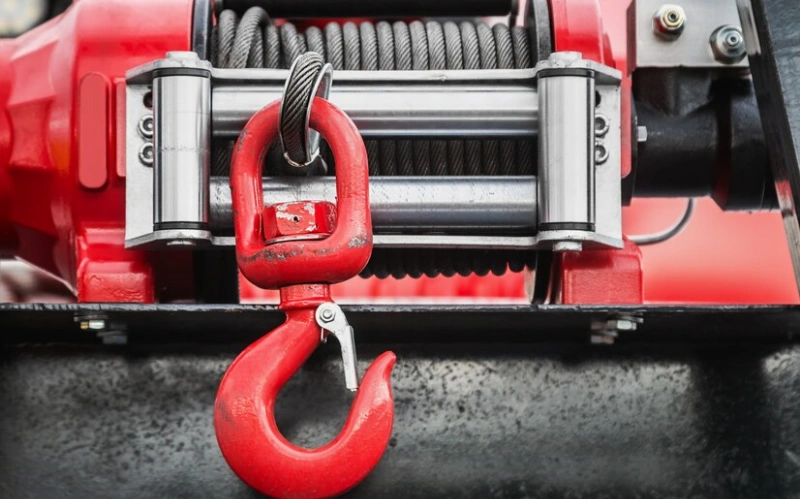
You should know the rated capacity of your hand winch and never exceed it. Overloading the winch or winch rope can cause dangerous failures.
Inspect your winch and winch rope before every use. Look for fraying, kinks, corrosion, or broken strands.
Extend the winch rope fully and check for damage along its entire length.
Replace the winch rope if you see any signs of wear or damage.
Most industrial users test their winch every 6–12 months. In heavy-use settings, inspect more often.
Powerful Machinery’s manual winch meets strict international safety standards, including ISO9001 and TUV Rheinland. These certifications ensure you get reliable and safe equipment for every job.
Safe Handling Practices
You must follow safe handling practices to avoid accidents and injuries.
Inspect the winch and winch rope before each use.
Set your vehicle’s park brake and use wheel chocks if needed.
Never touch, push, pull, or straddle the winch rope while under tension.
Always use the hook strap to handle the hook.
Place a damper on the winch rope to absorb energy if the cable fails.
Avoid sharp angles when winching to prevent destabilization.
Stay alert to your surroundings and keep your hands and feet away from moving parts.
General safety precautions: Never operate a winch or vehicle that needs repair. Always stand clear of the winch rope when it is under tension.
Emergency Procedures
You need to prepare for emergencies before starting any winching operation.
Make sure everyone stands clear of the winch rope during use.
Guard pinch points between the winch and the coiled winch rope.
Use emergency stop buttons if your winch setup includes them.
Train your team on how to safely pay out the winch rope, engage and release the brake, and use handle extensions for better leverage.
Emergency Topic | Description |
|---|---|
Safe cable payout | Learn to pay out the winch rope without sudden release. |
Keeping hands and feet clear | Prevent injuries by staying away from moving parts. |
Brake use and safe release | Know how to control the winch rope under pressure. |
Emergency stop procedures | Use stop buttons or manual stops if needed. |
By following these safety tips, you protect yourself and your team from the most common winch-related injuries. Regular inspection, proper equipment, and safe habits ensure your hand winch and winch rope perform reliably every time.
Common Hand Winch Mistakes to Avoid
When you use a hand winch, you must avoid common mistakes that can lead to accidents, equipment failure, or costly downtime. Understanding these errors helps you work safely and get the most from your winch.
Overloading the Winch
Many users overload their winch, thinking it can handle more than its rated capacity. This mistake puts you and your team at risk. Overloading can cause pulleys to break, winch rope to snap, or the entire winch to fail. You may see increased wear and tear, which shortens the lifespan of your equipment.
Always check the load rating before you start. Use a winch that matches the weight of your load. Certified products like Powerful Machinery’s manual winch give you clear load ratings and reliable performance.
Here is a quick reference table:
Cause of Failure | Description | Preventive Measure |
|---|---|---|
Excessive Load | Pulleys can break or come loose when overloaded, leading to catastrophic failure. | Adhere to Load Ratings: Use pulleys rated for the load being applied. |
Improper Attachment
Improper attachment of the winch rope or load is another frequent mistake. If you attach the winch rope to a weak or unstable point, you risk personal injury, property damage, or equipment failure. Snapping the winch rope or shifting loads can cause serious accidents.
Risk Type | Description |
|---|---|
Personal Injury | Snapping wire ropes or shifting loads can lead to injuries if proper protective equipment is not used. |
Property Damage | Overloading and improper attachment can cause damage to surrounding property and equipment. |
Equipment Failure | Inadequate inspection and incorrect installation can lead to premature wear and failure of the winch. |
Inconsistent Operation | Abrupt tugs and inconsistent pressure can amplify impact forces, leading to component fatigue. |
Lack of Training | Failing to train operators can result in misuse, increasing the risk of accidents and inefficiencies. |
You should always inspect the anchor points and make sure the winch rope is attached securely. Follow the manufacturer’s instructions for every setup.
Neglecting Maintenance
Neglecting maintenance is a leading cause of winch failure. If you skip regular checks, you may miss early signs of wear, leaks, or damage. Dirt, rust, and lack of lubrication can cause the winch rope or gears to fail when you need them most.
Perform daily visual inspections to catch problems early.
Keep your winch clean and lubricated with the right fluids.
Stick to a maintenance schedule and replace worn parts as needed.
Using a certified hand winch like the HWV Series from Powerful Machinery helps you avoid many of these issues. These winches are built for durability and come with clear maintenance guidelines.
Remember, safe operation starts with the right habits and reliable equipment. Avoid these mistakes to keep your winch in top condition and protect everyone on your team.
Conclusion
You improve safety and efficiency when you follow each step and safety tip for manual winch operation. Always review these key guidelines before use:
Read the manual thoroughly.
Wear gloves and eye protection.
Keep the area clear of distractions.
Never exceed the working load limit.
A checklist helps you verify critical points:
Verification Point | Importance |
|---|---|
Working Load Limit | Handles intended loads safely |
Safety Factors | Adds a margin of safety |
Duty Cycle | Matches winch to your task |
Choose Powerful Machinery’s manual winch for reliability, simple operation, and performance where power is unavailable.
FAQ
How often should you inspect your manual winch?
You should inspect your manual winch before every use. Look for signs of wear, fraying, or corrosion on the cable and check all moving parts. Regular inspections help you prevent accidents and extend the life of your equipment.
Can you use a manual winch for vertical lifting?
Yes, you can use a manual winch for vertical lifting if the winch is rated for that purpose. Always check the manufacturer’s guidelines. The HWV Series from Powerful Machinery supports both lifting and pulling applications.
What should you do if the winch cable shows damage?
Replace the cable immediately if you see fraying, kinks, or broken strands. Damaged cables can snap under load and cause serious injury. Always use certified replacement parts for your HWV Series manual winch.
Why choose Powerful Machinery’s HWV Series manual winch?
You get a robust, ergonomic design with automatic brakes and high-strength gears. The HWV Series meets international safety standards. You can rely on it for heavy-duty lifting in construction, marine, and cargo handling.