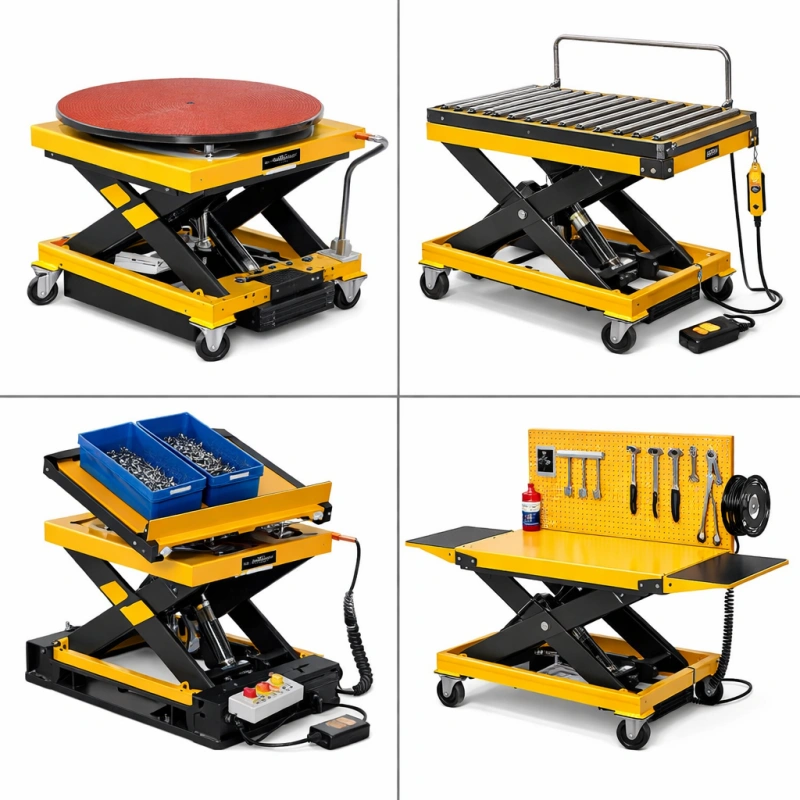
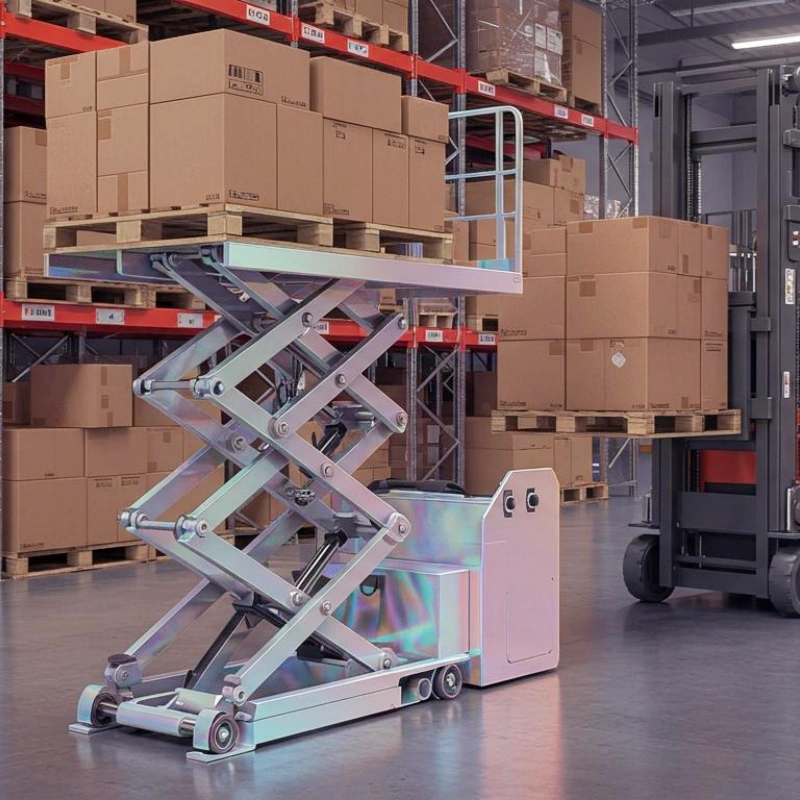
To perform hydraulic lift table cylinder replacement effectively, you must follow a structured process. Start by preparing the workspace and safety measures. Next, disconnect the hydraulic lines and remove the old cylinder carefully. Then, install the new cylinder, reconnect hydraulic lines, and test the system thoroughly.
Prioritize safety at every step and use compatible, certified parts. Rely on trusted sources like Powerful Machinery for high-quality hydraulic lift tables and components, ensuring reliable performance during the replacement process.
Key Takeaways
Always prioritize safety by disconnecting power and using personal protective equipment before starting the replacement process.
Select the correct replacement cylinder by matching the model and specifications of your lift table to ensure compatibility and safety.
Keep your workspace organized and clean to prevent accidents and ensure a smooth replacement process.
Test the lift table thoroughly after installation to confirm proper operation and check for leaks or unusual noises.
Follow a regular maintenance schedule to inspect and lubricate components, extending the life of your hydraulic lift table.
Tools and Parts for Hydraulic Lift Table Cylinder Replacement
Tools Needed
You need the right tools to complete a hydraulic lift table cylinder replacement safely and efficiently. Gather the following items before you begin:
Adjustable wrenches and socket set
Hydraulic line wrenches
Screwdrivers (flathead and Phillips)
Pry bar or lever
Clean rags and drip trays
Safety gloves and protective eyewear
Torque wrench
Hydraulic fluid (compatible with your system)
Sealant tape or thread sealant
Tip: Always keep your workspace organized. Place removed parts in labeled containers to avoid confusion during reassembly.
Replacement Cylinder Selection
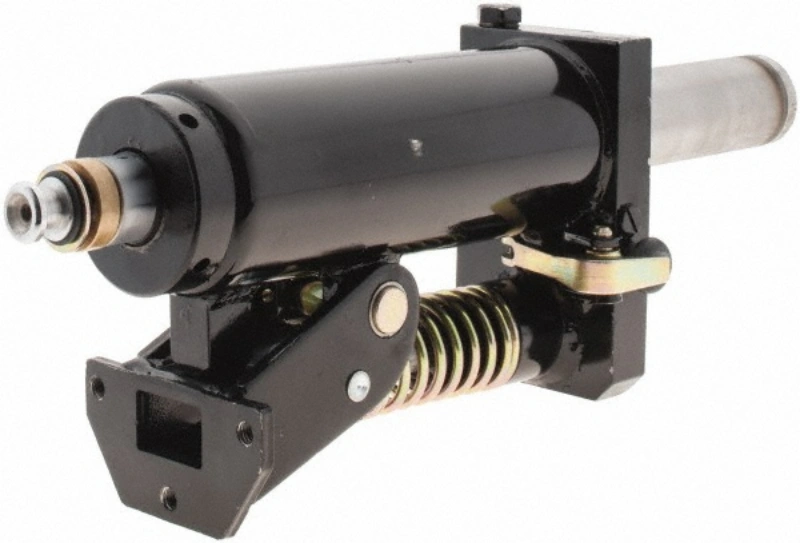
Choosing the correct replacement cylinder is critical for a successful hydraulic lift table cylinder replacement. Start by checking the model and serial number of your lift table. Match these details with the specifications of the new cylinder. Use only certified components that meet or exceed the original equipment standards.
Look for cylinders with the same bore size, stroke length, and mounting style.
Confirm the maximum pressure rating matches your system.
Inspect the cylinder for quality seals and robust construction.
Certified parts ensure safety and long-term reliability. Avoid using non-certified or mismatched cylinders, as they can lead to system failure.
Powerful Machinery Product Compatibility
Powerful Machinery hydraulic lift tables support a wide range of certified replacement cylinders. You can find compatible parts by referencing your table’s documentation or consulting with Powerful Machinery’s support team. When you use genuine components, you maintain the integrity and safety of your equipment.
Warranty Type | Conditions |
|---|---|
Limited Warranty | Many products are warranted by individual manufacturers. |
Disassembly | Disassembling parts voids warranties. |
Misuse | Returns due to misuse or misapplication are not covered. |
Engineering Advice | No warranty or engineering advice is provided regarding the fitness and purpose of any product. |
Customer Responsibility | Customers must rely on their own engineers for compliance with regulations and applicability. |
For hydraulic fluid, select the type that matches your operating environment:
Use multigrade hydraulic oil for varying temperatures.
Use monograde hydraulic oil for stable temperature conditions.
Hydraulic oil acts as a lubricant and coolant, reducing wear and corrosion. Additives can improve performance under tough conditions.
Safety Precautions
Pre-Replacement Safety Steps
You must take safety seriously before starting hydraulic lift table cylinder replacement. Begin by disconnecting all power sources. Lock-out and tag-out (LOTO) procedures prevent accidental activation and protect you from energized power hazards.
Always check that the lift table is fully lowered and stable. Remove any loose items from the platform and the surrounding area.
Tip: Review your lift table’s manual for specific safety instructions. Follow manufacturer guidelines to avoid unexpected risks.
Proper training is essential. Only qualified personnel should perform maintenance. Supervisors must ensure you understand the procedures and potential hazards. Pinch points can trap fingers or hands, so keep minimum safe openings and never place body parts near moving components.
Risk Type | Description |
|---|---|
Energized Power | Industrial lift table power sources can be dangerous if not treated with due respect. Accidental discharge can lead to severe or fatal injuries. Lock-out and tag-out (LOTO) procedures are mandatory during maintenance. |
Pinch Points | Pinch points are locations where body parts can get trapped. Minimum safe openings are specified to avoid severe injuries. |
Training | Adequate training is essential for workers operating lift tables. Training should be conducted by a competent supervisor to ensure safety. |
Safe Handling During Replacement
You need to wear the right personal protective equipment. OSHA recommends gloves, goggles, and aprons for hydraulic lift table cylinder replacement. Gloves protect your hands from cuts and abrasions. Goggles shield your eyes from flying debris. Aprons defend your body against sharp objects and chemicals.
Personal Protective Equipment | Description |
|---|---|
Gloves | Protect hands from cuts and abrasions |
Goggles | Protect eyes from flying debris |
Aprons | Protect the body from sharp objects and chemicals |
Use tools with insulated handles. Place removed parts in safe containers. Clean up spills immediately to prevent slips. Communicate with your team throughout the process. If you notice any unsafe conditions, stop work and address the issue before continuing.
Note: Safety is not optional. You protect yourself and your coworkers by following these steps.
Preparation Steps
Preparing the Lift Table
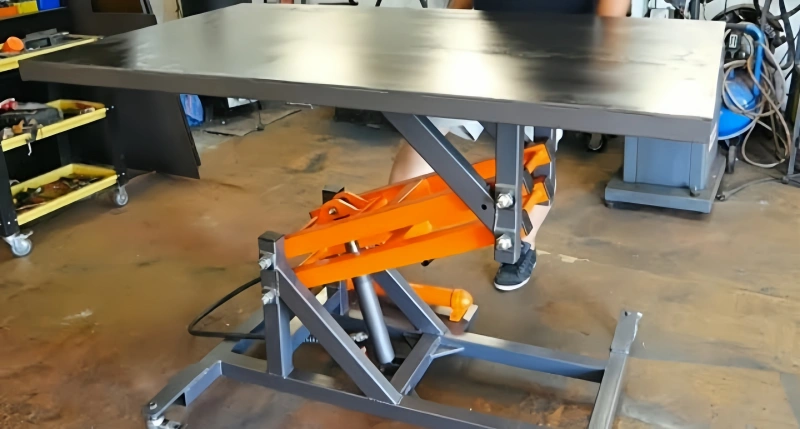
You start by inspecting your hydraulic lift table for any signs of wear or damage. Check for hydraulic fluid leaks and examine hoses for cracks or weak spots. Make sure all safety features, such as emergency stops and limit switches, work correctly. Lower the table completely to stabilize it.
Remove any materials or tools from the platform. Clean the surface with a dry rag to prevent contamination during the hydraulic lift table cylinder replacement.
Routine checks and oiling help maintain functionality. Replace worn parts according to the maintenance schedule. Regular inspections prevent performance decline and reduce the risk of accidents. You protect yourself and your team by identifying hazardous issues before they lead to incidents.
Tip: Always select a lift table with a capacity slightly above your heaviest loads. This ensures safe operation and prevents overloading.
Setting Up the Workspace
You create a safe and efficient workspace by following industry best practices. Choose a table size that fits your area and accommodates materials comfortably. Ensure the lift height provides ergonomic access, which reduces bending and reaching.
Evaluate special features like mobility and tilt options to enhance your operations.
Best Practice | Description |
|---|---|
Weight Capacity | Select a table with a capacity above the heaviest loads for safety. |
Table Size | Choose a size that fits your workspace and materials. |
Lift Height | Ensure ergonomic access to minimize strain. |
Special Features | Consider mobility and tilt options for improved efficiency. |
You keep the workspace organized by placing tools and removed parts in labeled containers. Clean up spills immediately to prevent slips. Regular servicing ensures employee safety and helps you identify and repair hazardous issues before incidents occur.
Skipping inspections can lead to costly repairs and unsafe conditions.
Note: Regular maintenance is essential for safe operation. You minimize risks and maintain productivity by following these steps.
Removing the Old Cylinder
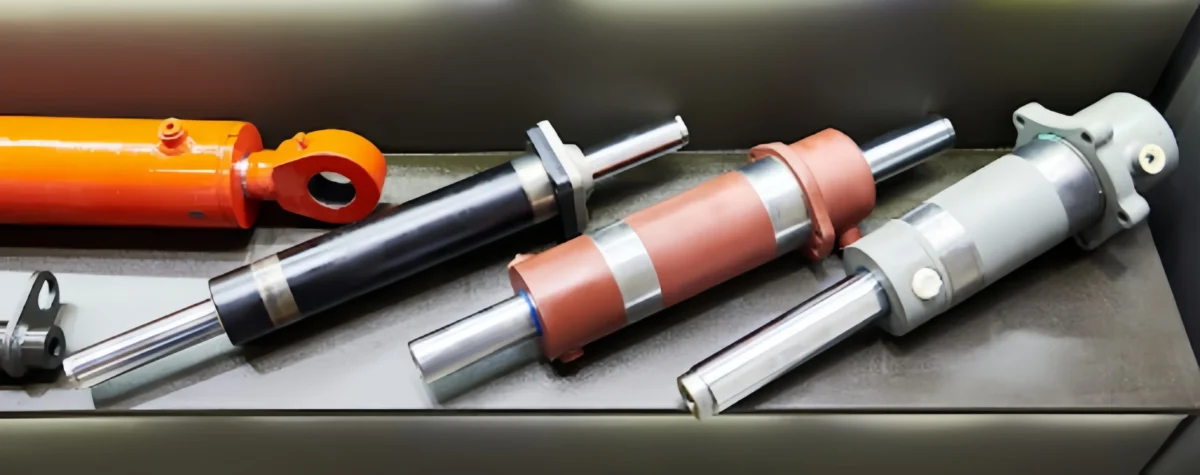
Disconnecting Hydraulic Lines
You must disconnect the hydraulic lines before you remove the old cylinder. This step prevents fluid leaks and protects you from injury. Follow these steps for a safe and efficient process:
Turn off the hydraulic power source. This action stops fluid flow and reduces risk.
Depressurize the system. Operate the control valves to release any trapped pressure.
Identify the correct hose by consulting your machinery’s schematic or manual.
Clean the area around the hose fittings. Use a clean rag to remove dirt and debris. This prevents contamination inside the system.
Loosen the fittings with the right tools. Apply a steady, counterclockwise force.
If you find stuck fittings, apply a penetrating lubricant. Allow time for the lubricant to work.
For stubborn fittings, use gentle heat to warm the metal. Take care not to damage the hose.
Tip: Always keep drip trays and rags nearby. Hydraulic fluid can spill during disconnection. Quick cleanup prevents slips and protects the environment.
You may notice fluid leaks during hydraulic lift table cylinder replacement. Common causes include worn seals, damaged hoses, or cracks in the cylinder body. Seal wear accounts for over half of all repairs.
Rod scoring, corrosion, and misalignment can also lead to leaks. Inspect all components as you disconnect the lines. Replace any parts that show signs of damage.
Detaching the Cylinder
After you disconnect the hydraulic lines, you can detach the old cylinder. Start by supporting the cylinder with a stable lifting device or a partner. This step prevents the cylinder from falling and causing injury.
Remove the mounting pins or bolts that secure the cylinder to the lift table frame.
Use a pry bar if the cylinder feels stuck. Apply gentle pressure to avoid bending or damaging the mounting points.
Slide the cylinder out of its brackets. Move slowly and keep your hands clear of pinch points.
Alert: Hydraulic cylinders can be heavy. Always use proper lifting techniques or mechanical aids. Never attempt to lift a large cylinder alone.
Once you remove the cylinder, check for any remaining hydraulic fluid inside. Drain the fluid into an approved container. Local regulations may classify hydraulic fluid as hazardous waste. Identify the fluid type and dispose of it according to local rules.
You may need to recycle the fluid or contact a licensed hauler for hazardous waste disposal.
Prepare the old cylinder for disposal by removing any attached hoses or fittings. Cut hoses into smaller pieces if required. Contact your local recycling center to see if they accept hydraulic cylinders. If recycling is not possible, follow landfill disposal rules and ensure compliance with environmental regulations.
Note: Responsible disposal protects the environment and keeps your workspace safe. Always follow local guidelines for hydraulic component disposal.
You have now completed the removal phase. The lift table is ready for the next step in the hydraulic lift table cylinder replacement process.
Installing the New Cylinder
Fitting the New Cylinder
You need to position the new cylinder carefully to ensure a smooth hydraulic lift table cylinder replacement. Begin by inspecting the mounting points and brackets for any signs of wear or damage.
Clean these areas with a dry rag to remove dust and debris. Align the new cylinder with the mounting holes. You may need a partner or a lifting device for heavier cylinders.
Insert the mounting pins or bolts through the cylinder and frame. Tighten them securely, but do not overtighten. Use a torque wrench to match the manufacturer’s specifications. Proper alignment prevents binding and uneven wear during operation.
Tip: Double-check that the cylinder sits straight and level. Misalignment can cause the lift table to operate poorly or damage the new cylinder.
After securing the cylinder, check for common signs of improper installation. Watch for these issues during your initial checks:
The lift table does not rise when you apply pressure.
The table drops halfway and stays in place after manual lifting.
Pumping the system does not raise the table further.
The pump fails to build pressure when disconnected from the table.
Air remains trapped in the system, causing erratic movement.
If you notice any of these problems, stop and review your installation steps. Recheck the alignment and mounting hardware. Make sure you have purged air from the system before moving on.
Reconnecting Hydraulic Lines
You must reconnect the hydraulic lines with care to ensure a leak-free and reliable system. Follow these steps for a safe and effective process:
Wear your personal protective equipment. Gloves and goggles protect you from fluid exposure and debris.
Inspect the hydraulic lines and fittings for damage or contamination. Replace any worn or cracked hoses.
Clean all connection points thoroughly. Dirt or debris can cause leaks and reduce system performance.
Apply thread sealant or sealant tape to the fittings if recommended by the manufacturer.
Attach the hydraulic lines to the cylinder ports. Hand-tighten the fittings first to avoid cross-threading.
Use the correct wrench to tighten each fitting to the specified torque. Do not overtighten, as this can damage the threads or crush the seals.
Double-check all connections for proper alignment and tightness.
Note: Proper sealing and secure connections prevent leaks and maintain system pressure. Take your time with this step.
After reconnecting the lines, restore power to the hydraulic system. Slowly operate the lift table to allow hydraulic fluid to fill the new cylinder. Watch for leaks at every connection point. If you see any fluid escaping, shut down the system and retighten the fittings.
Test the lift table through several full cycles. Listen for unusual noises and observe the table’s movement. Smooth, steady operation indicates a successful installation. If you detect any issues, such as slow movement or uneven lifting, inspect the connections and cylinder alignment again.
You have now completed the installation phase. Your attention to detail ensures the hydraulic lift table cylinder replacement delivers safe and reliable performance.
Testing and Troubleshooting
Testing Lift Table Operation
After you complete hydraulic lift table cylinder replacement, you need to test the lift table to confirm safe and proper operation. Follow these steps:
Restore power to the hydraulic system and check that all controls respond as expected.
Cycle the lift table through its full range of motion several times. Raise and lower the platform slowly to observe for smooth movement.
Listen for any unusual noises, such as banging or hissing. These sounds may indicate trapped air or low oil levels.
Check for leaks at all connection points. Inspect the new cylinder, hoses, and fittings for any signs of hydraulic fluid.
Test the lift table under a light load first. If the table operates smoothly, gradually increase the load to the rated capacity.
Watch for jerky or uneven movements. These symptoms can signal air in the hydraulic system. You may notice a spongy feel in the controls or actuators moving in fits and starts.
Tip: If you detect air in the system, bleed the hydraulic lines according to your lift table’s manual. This step helps restore consistent performance.
Troubleshooting Common Issues
If you encounter problems after cylinder replacement, use this table to identify and address common faults:
Common Faults | Description |
|---|---|
The hydraulic cylinder is leaking oil | Replace damaged O-rings and seals. |
Control system failure | Check the electrical system for faults. |
Strange noises during operation | Check oil levels and grease components to reduce wear. |
Damaged pivot axis | Inspect for wear; regrind or replace as needed. |
For persistent issues, Powerful Machinery recommends these troubleshooting steps:
Inspect the cylinder rod for scoring, pitting, or corrosion.
Clean the rod with a mild solvent and a cloth.
Apply lubricating oil to reduce friction and protect against corrosion.
Lubricate moving parts, including the piston, cylinder bore, and rod.
Perform pressure testing to check for weaknesses.
Regularly inspect and replace worn components like seals and gaskets.
Check and adjust cylinder alignment to prevent uneven wear.
Implement preventive measures against contaminants and harsh conditions.
Analyze hydraulic fluid for contaminants and degradation.
You may also notice symptoms of airlocks, such as irregular actuator speed or failure to build pressure. If you cannot resolve the issue, contact Powerful Machinery’s support team for expert guidance.
Note: Regular testing and prompt troubleshooting keep your hydraulic lift table running safely and efficiently.
Conclusion
You have learned the essential steps for hydraulic lift table cylinder replacement. Always focus on safety, choose certified parts, and follow a regular maintenance schedule:
Inspect and lubricate moving parts.
Check for wear on pistons and seals.
Clean the lift and maintain fluid levels.
Keep detailed records of each maintenance task. Listen for unusual sounds and check for leaks or damage. For reliable performance and expert support, trust Powerful Machinery for your hydraulic lift table needs.
FAQ
How do you identify the correct replacement cylinder for your hydraulic lift table?
You check the model and serial number on your lift table. Match these details with the cylinder specifications. Use only certified parts from Powerful Machinery to ensure compatibility and safety.
What should you do if hydraulic fluid leaks after cylinder replacement?
You inspect all connections for tightness. Replace damaged seals or hoses. Clean the area and retest the system. Contact Powerful Machinery support if leaks persist.
Can you perform cylinder replacement without professional help?
You can replace the cylinder if you have proper training and follow safety guidelines. Always review the lift table manual. For complex repairs, consult Powerful Machinery’s expert team.
How often should you inspect hydraulic lift table cylinders?
You inspect cylinders monthly for wear, leaks, and damage. Regular checks help prevent accidents and extend equipment life. Follow the maintenance schedule recommended by Powerful Machinery.
What hydraulic fluid should you use after cylinder replacement?
You select hydraulic fluid that matches your lift table’s requirements. Use multigrade oil for varying temperatures. Refer to Powerful Machinery’s documentation for approved fluid types.