You play a crucial role in keeping your workplace safe and productive through effective employee training in hydraulic lift maintenance. When you invest in proper training for Powerful Machinery’s hydraulic lift tables, you reduce injury risks and boost equipment life. Consider these results:
Metric | Result/Statistic |
|---|---|
Overexertion injuries | Nearly 25% of all workplace injuries |
Injury reduction with lift assist tools | Up to 50% decrease |
Productivity improvement | 20% increase |
Back injuries (case study) | 70% reduction |
These numbers show how the right approach delivers real gains in safety and efficiency.
Key Takeaways
Investing in hydraulic lift maintenance training enhances workplace safety and reduces injury risks, leading to lower insurance costs.
Regular maintenance training extends equipment life and prevents costly repairs, ensuring reliable performance of hydraulic lift tables.
Hands-on training and routine inspections empower employees to identify and address common faults, fostering a culture of safety and responsibility.
Seek professional support for complex repairs to ensure compliance with safety standards and maintain operational efficiency.
Continuous learning and certification for staff keep your team updated on best practices, enhancing safety and performance in your facility.
Why Hydraulic Lift Maintenance Training Matters?
Safety and Cost Benefits
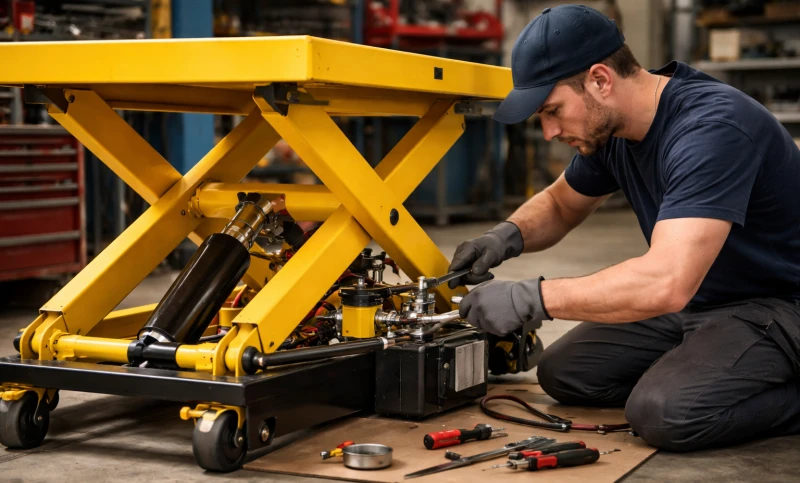
You create a safer workplace when you invest in hydraulic lift maintenance training for your employees. Powerful Machinery’s hydraulic lift tables feature advanced safety mechanisms, but you must ensure your team understands how to operate and maintain them correctly.
Well-trained employees experience fewer accidents, which lowers workers’ compensation costs. Insurance carriers often reward companies with documented training programs by offering premium discounts. You also see positive returns from comprehensive accident prevention programs.
Fewer accidents mean lower insurance costs and improved productivity.
Hydraulic lift maintenance training helps your team identify common issues before they become hazards. Employees learn to spot leaks, worn parts, and faulty controls early. This proactive approach reduces reliance on external specialists and keeps your operations running smoothly.
You build a culture of safety and responsibility, which aligns with Powerful Machinery’s commitment to quality and reliability.
Tip: Schedule regular hydraulic lift maintenance sessions to reinforce safety practices and keep your employees up to date on the latest procedures.
Equipment Longevity and Productivity
Hydraulic lift maintenance training extends the life of your equipment. You teach your employees to perform timely and accurate maintenance, which prevents unexpected breakdowns and costly repairs. Proactive maintenance stops common issues from escalating.
Your team keeps hydraulic lift tables in peak condition, ensuring reliable performance every day.
You boost productivity when you invest in hydraulic lift maintenance. Effective warehouse operations depend on the productivity of internal processes. Regular maintenance prevents rapid depreciation and unexpected failures. You maintain consistent productivity levels across your facility.
Employees who understand hydraulic lift maintenance contribute to a more efficient and profitable operation.
Hydraulic lift maintenance training gives you control over your equipment’s performance and your workplace’s safety. You empower your employees to handle common issues and maintain high standards, supporting Powerful Machinery’s reputation for strength and reliability.
Key Faults in Hydraulic Lift Tables
You need to understand the most frequent lift table faults to keep your equipment running safely and efficiently. Early detection and routine checks help you prevent downtime and protect your team.
Common Mechanical Issues
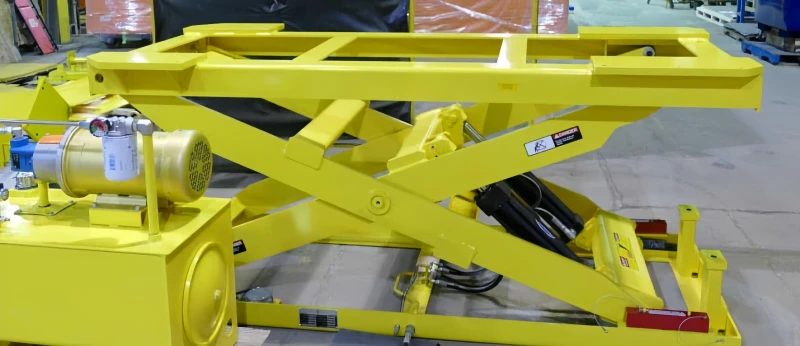
Mechanical problems make up a large portion of common hydraulic lift table errors. You may notice strange noises, leaking oil, or worn parts. The table below outlines the most reported faults and their descriptions:
Common Faults | Description |
|---|---|
The hydraulic cylinder is leaking oil | A primary failure reason requires replacing damaged O-rings and seals. |
Control system failure | Affects the management of lift functions; check the electrical system. |
Strange noises during operation | Caused by low oil pressure or wear; check oil levels and grease components. |
Damaged pivot axis | Results from wear and tear; may need regrinding or replacement. |
You should address these common hydraulic lift table errors quickly to avoid further damage.
Hydraulic System Faults
Hydraulic system faults often appear as leaks, slow lifting, or jerky movements. You may see oil pooling under the table or notice the platform does not hold its position. These common hydraulic lift table errors usually result from worn seals, contaminated oil, or faulty pumps.
Regular maintenance helps you catch these faults before they lead to major repairs.
Electrical and Control Problems
Electrical issues can cause unexpected stops, unresponsive controls, or erratic movement. You might find that the lift table does not respond to commands or the control panel lights flicker.
Common hydraulic lift table errors in this category include loose wiring, faulty switches, or damaged relays. You should inspect the electrical system during every routine check to ensure safe operation.
Safety Function Failures
Safety mechanisms protect your team and equipment. If emergency stops, limit switches, or overload protection do not work, you face serious risks. Routine safety inspections lower the risk of accidents and confirm that all safety features function as designed.
Testing these systems helps you avoid the most dangerous lift table faults.
Regular inspections and maintenance of hydraulic lift tables help you identify potential issues before they escalate. This proactive approach enhances safety and minimizes downtime in your facility.
Early detection methods include:
Performing regular maintenance
Conducting timely inspections
Testing all safety mechanisms
Scheduling professional maintenance
You reduce common hydraulic lift table errors and extend equipment life when you make these checks part of your routine.
Hydraulic Lift Repair and Troubleshooting Strategies
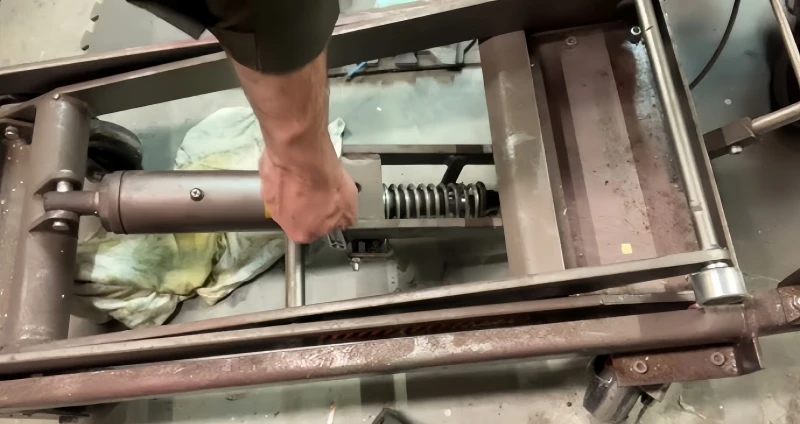
Systematic Fault Identification
You need a structured approach to hydraulic lift repair. Start by understanding how the hydraulic system works under real-world conditions. This knowledge helps you spot problems early and avoid unnecessary downtime. Contamination management is critical because it causes most hydraulic system failures.
You should use visual inspection techniques to detect fluid contamination before it leads to bigger issues. Regular hydraulic fluid analysis gives you valuable information about system health and helps you plan maintenance.
Follow these steps for effective fault identification:
Verify the operating environment to confirm normal conditions.
Inspect the hydraulic fluid for contamination or discoloration.
Listen for abnormal sounds during operation, such as grinding or knocking.
Check system pressure with a gauge to ensure it meets specifications.
Inspect external components for damage, leaks, or signs of hydraulic cylinder oil leakage.
Perform a flow test to assess pump output and detect control system failure.
Use an infrared thermometer to check for overheating in the hydraulic system.
You should document each step during hydraulic lift repair. This process helps you track recurring issues and improve your repair and maintenance program. Early detection of hydraulic cylinder oil leakage and control system failure protects your equipment and extends its lifespan.
Tip: Always check safety functions during troubleshooting. Confirm that emergency stops and overload protection work as designed.
Hands-On Training Methods
You build real skills through hands-on training. Combine theory with practical demonstration to create a strong foundation for hydraulic lift repair. Scenario-based learning works well because it simulates real-world challenges. You can set up controlled scenarios using Powerful Machinery hydraulic lift tables.
This approach lets trainees practice actual repair tasks under supervision.
Key elements of effective training include:
Structured workshops that blend classroom instruction with live demonstrations.
Controlled scenarios that mimic common hydraulic system faults, such as leaks or control system failure.
Supervised practice sessions where trainees perform repairs and receive immediate feedback.
Use of checklists to guide each step of the repair and maintenance process.
You reinforce learning by encouraging trainees to repeat tasks until they master them. This method ensures your team can handle hydraulic lift repair confidently and safely. You also improve their ability to maintain safety functions and respond quickly to unexpected issues.
Note: Immediate feedback during hands-on training helps correct mistakes and builds confidence.
Routine Inspections and Oil Analysis
Routine inspections and oil analysis are essential for reliable hydraulic lift operation. You ensure workplace safety and increase equipment lifespan by making these practices part of your regular maintenance schedule.
Inspections help you identify potential hydraulic system issues before they cause breakdowns. Oil analysis reveals contamination, wear particles, and other warning signs.
The benefits of routine inspections and oil analysis include:
Improved workplace safety through early detection of faults.
Enhanced operational efficiency by preventing unexpected downtime.
Increased equipment lifespan with proactive repair and maintenance.
Documentation for maintenance records and regulatory compliance.
Early identification of hydraulic cylinder oil leakage and control system failure.
You should follow industry standards for oil type and inspection intervals. The table below shows recommended practices for hydraulic lift tables:
Fluid Type | Check Interval | Change Interval |
|---|---|---|
Hydraulic Oil | Daily | Every 1,000 hours |
You must use the correct hydraulic oil and perform timely inspections to maintain the hydraulic system. Regular maintenance and oil analysis help you avoid costly repairs and keep safety functions in top condition.
Callout: Consistent service and inspection routines protect your investment and support long-term reliability.
You create a culture of safety and efficiency by making hydraulic lift repair, routine inspections, and oil analysis a priority. This approach ensures your equipment delivers reliable service and maintains its value over time.
Professional Guidance and Ongoing Safety Training
When to Seek Expert Support?
You should recognize when a hydraulic lift table repair goes beyond routine maintenance. Some repairs require advanced skills and specialized tools. You protect your team and equipment by knowing when to call a reputable service provider. Consider these situations:
Schedule regular professional servicing to perform thorough inspections and address potential issues.
After 1,500 hours of operation, arrange for minor repairs by a qualified technician.
At 5,000 hours, request mechanical and electrical system repairs.
After 10,000 hours, plan for a complete overhaul of both systems.
If you notice persistent leaks, electrical faults, or safety feature failures, seek professional troubleshooting immediately.
You should always follow workplace safety guidelines and never attempt complex repairs without proper training. Professional technicians ensure your hydraulic lift tables meet all safety standards and operate reliably.
Certifications and Continuous Learning
You build a strong maintenance team by encouraging ongoing education and certification. Certified technicians understand the latest safety practices and repair methods. Regular training helps your staff identify problems early and respond quickly.
Ongoing staff training equips your team to spot potential issues before they escalate, preventing accidents and protecting workers.
You can see the impact of continuous learning in your daily operations:
Maintenance Tip | Impact on Safety and Performance |
|---|---|
Regular inspections of lift tables | Enhances overall safety by identifying issues early |
Checking for wear and tear on safety features | Prevents serious accidents and ensures secure operations |
Ongoing staff training | Equips teams to identify potential issues before they escalate |
Consulting with Powerful Machinery experts gives you access to advanced support and training. Their services include risk identification, auditing, and coaching. These resources help you maintain high safety standards and improve operational efficiency.
You extend equipment life and reduce downtime by following a continuous learning approach. You also ensure your team stays updated on the latest workplace safety guidelines and industry best practices.
Conclusion
You strengthen your maintenance program by focusing on hands-on training, regular assessments, and a safety-first culture. These strategies help you prevent accidents and extend equipment life.
A safety-oriented workplace builds accountability and reduces incidents by up to 45%.
Daily inspections and accurate records keep your operations compliant and efficient.
Continuous improvement and feedback systems enhance safety practices.
Powerful Machinery supports your team with specialized training resources:
Course Title | Description |
|---|---|
Basic Hydraulic Theory | Covers fundamental hydraulic concepts |
Hydraulic Elevator Maintenance | Focuses on maintenance practices |
Service, Maintenance, and Repair | Teaches repair techniques |
Leverage these resources to maintain high standards and ensure reliable performance.
FAQ
What are the main parts of a hydraulic lift table?
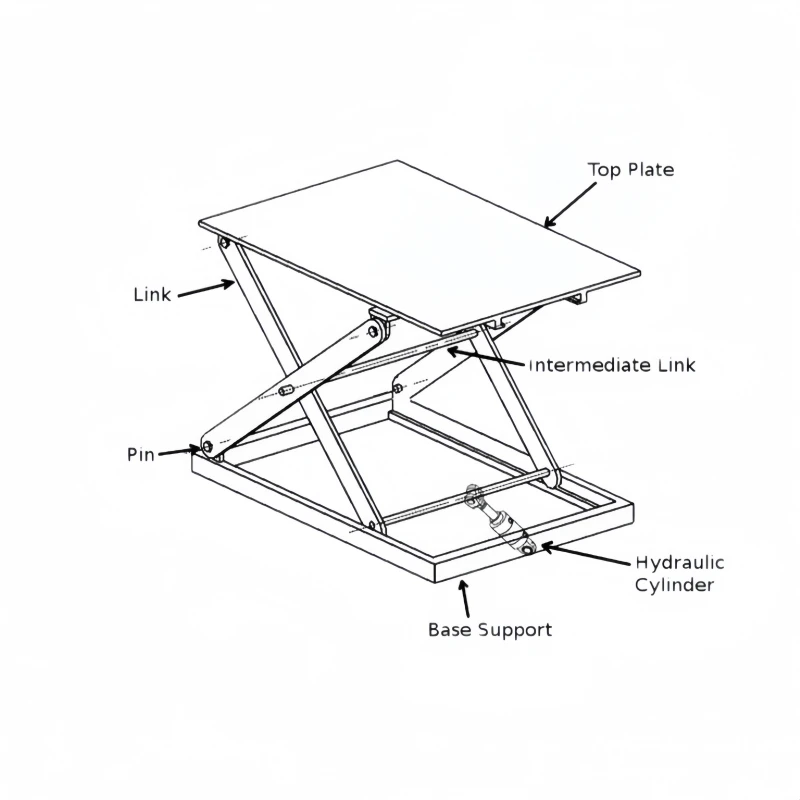
You will find several key parts in every hydraulic lift table. These include the platform, base frame, hydraulic cylinder, pump, control valve, and scissor mechanism. Each part works together to provide safe and reliable lift performance in your facility.
How often should you inspect a hydraulic lift table?
You should inspect your hydraulic lift table daily before use. Look for leaks, worn parts, and any unusual noises. Routine checks help you identify problems in advance and keep your hydraulic lift table operating safely and efficiently.
What hydraulic oil should you use for your lift table?
You need to use the hydraulic oil recommended by the manufacturer. The right oil ensures smooth lift operation and protects the hydraulic system. Always check the oil level and quality during regular maintenance of your hydraulic lift table.
How do you troubleshoot a hydraulic lift table that will not lift?
First, check the hydraulic oil level and look for leaks. Inspect the control valve and pump for faults. Listen for abnormal sounds. If the hydraulic lift table still does not lift, contact a professional technician for further diagnosis and repair.
Why is regular training important for hydraulic lift table maintenance?
Regular training helps you understand how to operate and maintain your hydraulic lift table. You learn to spot hydraulic issues early, perform safe lift operations, and follow best practices. Training ensures you can identify problems in advance and extend equipment life.