You play a crucial role in keeping your worksite safe. Master link inspection helps you prevent costly equipment failure and serious workplace accidents. When you trust certified solutions like Powerful Machinery’s G80 European Type Master Link, you gain confidence that your lifting operations meet the highest safety standards.
Consistent inspection ensures your gear performs as expected, protecting both you and your team from unnecessary risks.
Key Takeaways
Regularly inspect master links to catch issues early and prevent equipment failure. This practice saves time and money by avoiding costly downtime.
Make inspections a routine habit to enhance workplace safety. Consistent checks protect your team from accidents and ensure safe lifting operations.
Follow international standards for master link inspection to maintain compliance. Using certified products like Powerful Machinery’s G80 European Type Master Link ensures reliability.
Prepare adequately for inspections by gathering the right tools and personal protective equipment. Proper preparation enhances safety and accuracy during the inspection process.
Document any damaged master links and report them immediately. Good record-keeping supports safety audits and helps track equipment history.
Importance of Master Link Inspection
Preventing Equipment Failure
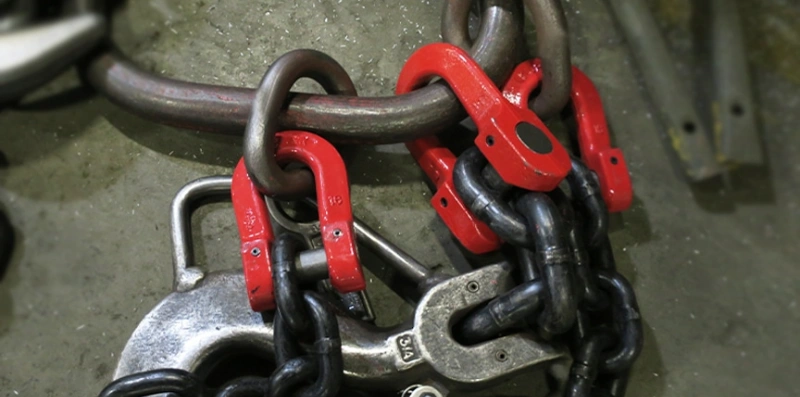
You rely on lifting equipment every day. Regular master link inspection helps you spot problems before they cause breakdowns. Common causes of failure include:
Wear and tear from constant use
Corrosion from exposure to moisture or chemicals
Overloading beyond the working load limit
Fatigue from repeated lifting cycles
Improper installation
Impact damage from accidental hits
Material defects
When you perform a safety inspection, you catch these issues early. This keeps your lifting equipment in top condition and prevents costly downtime. You also extend the life of your gear by replacing worn parts before they fail.
Powerful Machinery’s G80 European Type Master Link stands out for its durability and certified quality, giving you peace of mind in demanding environments.
Enhancing Workplace Safety
You protect your team when you make inspection a habit. Routine checks help you avoid sudden failures that can lead to injuries or worse. Neglecting inspection can result in catastrophic accidents. You should always follow a schedule:
Inspect new hardware before first use.
Check master links daily, especially in heavy-duty jobs.
Perform a detailed inspection at least once a year, or more often in harsh conditions.
Regular inspection and maintenance keep your workplace safe. You save lives by preventing dangerous failures. Powerful Machinery’s commitment to safety means you can trust their products to support your team.
Meeting International Standards
You must follow strict standards to ensure the stability and reliability of your lifting operations. The table below shows a key international standard for master link inspection:
Standard | Application |
|---|---|
ASME B30.26 | Governs the inspection and use of detachable rigging hardware, including master links in lifting applications. |
Powerful Machinery’s G80 European Type Master Link meets or exceeds these requirements. You can count on certified products to help you pass audits and maintain compliance.
Preparing for Chain Sling Inspection
Tools and PPE Needed
You must gather the right tools and personal protective equipment before starting any chain sling inspection. Proper preparation keeps you safe and ensures accurate results. Industry guidelines recommend the following items:
Fall arrest systems
Safety harnesses and lanyards
Retractable fall protection devices
Synthetic and alloy chain slings
Wire rope slings and metal mesh chain slings
Hooks, shackles, and hoist rings
Eyebolts and turn blocks
Spreader beams
Lever tools
Always wear gloves, safety glasses, and steel-toed boots. These items protect you from sharp edges, pinch points, and dropped objects during inspection.
Reviewing Manufacturer Guidelines
You should always review the manufacturer’s instructions before inspecting your equipment. Powerful Machinery provides detailed product documentation for every G80 European Type Master Link. This information helps you identify the correct inspection criteria and ensures compliance with safety standards.
The table below highlights key differences between the G80 European Type Master Link and general master link inspection recommendations:
Aspect | Grade 80 European Type Master Link | General Master Link Inspection Recommendations |
|---|---|---|
Regular Inspections | Yes, for specific wear and damage | General recommendations may not specify types |
Compatibility | Must match Grade 80 components | Compatibility not always emphasized |
Specific Wear Criteria | Inspect for >10% wear, cracks, etc. | General wear criteria may be less specific |
Powerful Machinery’s technical support team can answer your questions and guide proper chain sling inspection. Each sling includes a steel-engraved tag with a unique serial number, working load limit, and manufacturer details for traceability.
Setting Up the Inspection Area
You need a clean, well-lit area for chain sling inspection. Remove clutter and hazards from your workspace. Lay out all tools and PPE before you begin. Check that you have access to product documentation and identification tags.
Before each lifting operation, perform a visual check for damage, verify identification tags, and confirm proper storage conditions. This routine helps prevent deterioration and ensures your equipment remains safe and reliable.
Master Link Inspection Steps
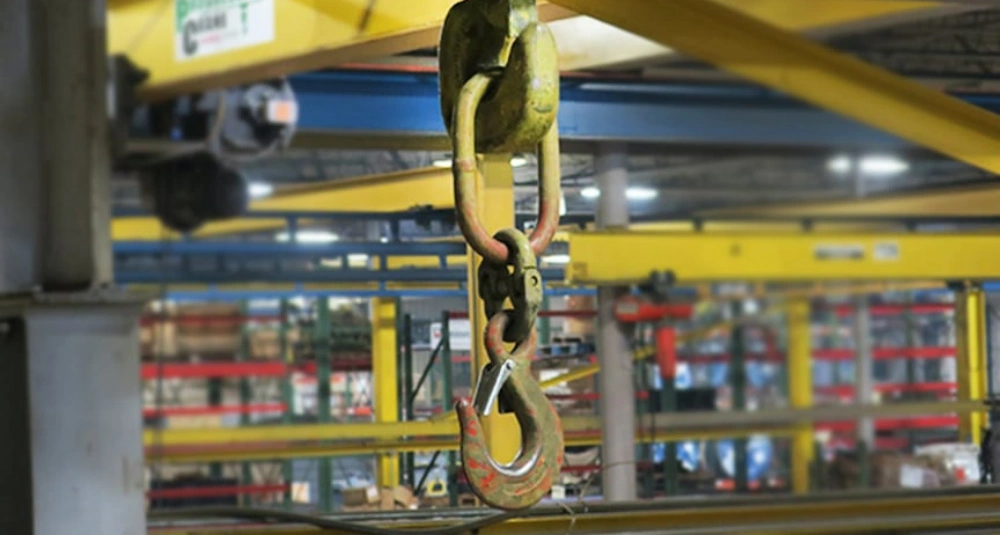
You must follow a systematic approach for master link inspection to ensure safety and reliability. The following steps guide you through the process, using the G80 European Type Master Link as a reference for inspection criteria.
Visual Check for Damage
Start your inspection with a thorough visual check. You need to look for any signs of cracks, nicks, or other damage that could compromise the strength of the master link. Use these procedures:
Examine the master link for collapse, elongation, twisting, or distortion.
Inspect all coupling components for secure, corrosion-free pins and retainers.
Assess the condition of the chain to ensure each link flexes freely and shows no excessive wear.
Review the chain shortener or clutch for misuse or distortion.
A careful visual check helps you catch early signs of failure before they become serious hazards.
Inspecting for Elongation and Distortion
You should measure the master link to confirm it has not stretched or deformed. Use a caliper or measuring tape to compare the current dimensions with the original specifications provided by Powerful Machinery. If you notice elongation or distortion, the master link may have lost its original strength.
Remove any link that does not meet the manufacturer’s standards. Accurate measurement is a key part of chain sling inspection and ensures your lifting system remains safe.
Checking for Corrosion and Wear
Corrosion can reduce the cross-section of the master link, which lowers its load-bearing capacity. You must check for rust, pitting, or flaking, especially in areas exposed to moisture or chemicals. Look for nicks and gouges at the bearing points and on the master links.
Excessive wear signals that the link may not support its rated strength. Regular inspection helps you identify these issues and maintain safe lifting operations.
Tip: Always clean the master link before inspection to reveal hidden corrosion or wear.
Examining Attachments and Fittings
You need to inspect all attachments and fittings connected to the master link. Use the following checklist:
Check for cracks, bends, distortion, and heavy corrosion.
Inspect for worn contact points and elongated holes.
Ensure there are no homemade attachments or unverified modifications.
Verify that ID plates or tags are present on all below-the-hook devices.
Confirm that the hardware matches the configuration with no forced angles or binding.
Ensure swivels rotate freely without grinding or sticking.
This step ensures every component in your lifting assembly meets safety requirements and maintains full strength.
Verifying Identification Marks and Load Ratings
You must confirm that all identification marks, batch codes, and load ratings are visible and legible. Each G80 European Type Master Link from Powerful Machinery includes stamped batch codes for traceability. Follow these procedures for best results:
Develop a traceability framework by recording key data at each stage of the product’s lifecycle.
Assign and verify unique batch numbers for each master link.
Use digital systems to automate record-keeping and minimize errors.
Apply quality control checks at every stage and record the results.
Train your team on traceability and compliance requirements.
Conduct regular audits to verify the effectiveness of your traceability system.
Prepare a recall plan in case you need to retrieve compromised batches.
Collaborate with suppliers to ensure full visibility across the supply chain.
Proper verification of identification marks and load ratings ensures you use the correct master link for each application and maintain compliance with international standards.
Note: Accurate records and traceability protect your operation during audits and help you respond quickly to any safety concerns.
By following these master link inspection steps, you protect your team, your equipment, and your reputation. Consistent inspection and adherence to procedures guarantee the strength and reliability of your lifting system.
Actions for Damaged Master Links
Removal Criteria
You must remove a master link from service if you find any signs of damage or doubt about its safety. During inspection, look for these conditions:
Missing or hard-to-read identification marks
Signs of heat damage, such as weld spatter or arc strikes
Heavy pitting or corrosion
Bent, twisted, stretched, elongated, cracked, or broken parts
Deep nicks or gouges
A reduction of 10% or more in the original dimension at any point
Unauthorized welding or changes
Any other issue that makes you question the link’s safety
If you use a double-leg chain sling, check each master link and component carefully. Remove any damaged parts right away to prevent accidents.
Tip: Never try to repair a damaged master link yourself. Always follow manufacturer guidelines and use certified replacements.
Reporting and Documentation
You should document every damaged master link you find. Record the batch code, size, and type of damage. Take clear photos for your records. Report the issue to your supervisor or safety manager. Good documentation helps you track equipment history and supports safety audits.
Powerful Machinery provides batch codes and traceability for every G80 European Type Master Link, making your record-keeping easier.
Replacement Recommendations
When you need a replacement, choose a master link that meets international safety standards. The table below shows key standards for selecting and installing new master links:
Standard | Description | Key Requirements |
|---|---|---|
ASME B30.26 | Rigging Hardware | 5:1 design factor, proof loading, temperature requirements |
EN 1677 | Components for Slings | 4:1 design factor, material, and mechanical property details |
ISO 8539 | Forged Steel Lifting Components | Covers chain sling components, harmonized with EN standards |
You should always match the replacement to your sling type. For example, if you use a double-leg chain sling, select a master link designed for that configuration.
Powerful Machinery offers certified master links that meet or exceed these standards. Their technical support team can help you choose the right product for your needs.
Best Practices for Ongoing Safety
Scheduling Regular Inspections
You must schedule regular inspections to maintain the highest level of safety and stability in your lifting operations. International safety standards recommend a clear inspection routine. The table below outlines the types and frequency of inspections you should follow:
Inspection Type | Frequency/Details |
|---|---|
Initial Inspection | Upon receiving hardware from the supplier or manufacturer. |
Daily Inspection | Every day for frequently used equipment. |
Periodic Inspection | Every twelve months, or more often in harsh conditions. |
Visual Inspection | Before each use to check for wear and tear. |
Competent Person Inspection | By a trained individual, frequency varies with usage. |
Following this schedule helps you detect issues early and ensures load stability during every lift. You protect your team and equipment by making inspections a routine part of your workflow.
Staff Training and Certification
You need well-trained staff to guarantee the stability of your lifting system. Certification programs such as the CMCO Rigging Gear Inspection Certification and the Sling & Rigging Hardware Inspection I program teach your team how to perform proper inspections and understand OSHA and ASME standards.
The OSHA Competent Person for Basic Rigging and Inspection Training course also prepares your staff for compliance. Hands-on training, like the Rigging Equipment Inspector program, gives your inspectors the skills to spot problems and maintain load stability.
Investing in training ensures your team can handle any situation with confidence.
Record Keeping and Traceability
Accurate records and traceability support your compliance with international safety standards. You should capture key data at every control point and keep records complete and accurate. The table below shows important procedures for effective record keeping:
Compliance Procedure | Description |
|---|---|
Capturing KDEs at each CTE | Record all key data elements at critical control points. |
Ensuring records are complete | Maintain documentation integrity for compliance. |
Electronic record availability | Provide quick access during audits or inspections. |
Maintaining records for the required time | Meet legal requirements for record retention. |
Staff training on documentation | Ensure everyone understands compliance obligations. |
Batch codes and certifications on Powerful Machinery’s G80 European Type Master Link make traceability simple. These features help you manage recalls, assure quality, and build trust with your team. You improve stability and safety by keeping your documentation organized and accessible.
Tip: Use cloud-based systems for backup and disaster recovery. Lost records can disrupt your business and cause compliance issues.
Conclusion
You protect your team and equipment when you follow a consistent master link inspection routine. Industry case studies highlight these best practices for lifting operations:
Inspect slings for damage before every lift.
Use wear pads to shield slings from sharp edges.
Maintain proper sling angles for stability.
Assign trained inspectors and provide user training.
Always match the sling to the load weight and type.
Choosing certified products matters. The table below shows how Powerful Machinery’s G80 European Type Master Link outperforms standard chains in lifting operations:
Feature | G80 Chain | Standard Chains |
|---|---|---|
Material | Alloy Steel | Various materials |
Tensile Strength | Superior | Standard |
Durability | High, resistant to wear and bending | Lower, prone to wear |
Compliance with Standards | Meets rigorous industrial standards | Often does not meet stringent standards |
Risk of Failure | Reduced due to engineering | Higher due to material limitations |
You ensure safe lifting operations by scheduling regular inspections, keeping accurate records, and using certified equipment. Make safety your top priority in every lifting operation.
FAQ
What is the main purpose of a master link in lifting operations?
You use a master link as the central connection point for slings, hooks, or chains. It ensures safe load distribution and stability during lifting. You rely on it for both single and multi-leg configurations.
How often should you inspect a master link?
You should inspect a master link before each use and schedule a detailed inspection at least once a year. Increase inspection frequency if you operate in harsh environments or use a multi-leg chain sling.
Can you use the G80 European Type Master Link for overhead lifting?
Yes. You can use the G80 European Type Master Link for overhead lifting. It meets international safety standards and supports heavy-duty applications in construction, marine, and mining.
What should you do if you find damage during inspection?
You must remove the master link from service immediately. Do not attempt repairs. Replace it with a certified product and document the issue for safety compliance.
How do you verify the correct master link for your application?
You check the identification marks, batch codes, and load ratings. You match the master link to your sling type and lifting requirements, including multi-leg configurations.