You may find marine chain grades and standards confusing when selecting equipment for your vessel. Many boaters, especially those with recreational boats, struggle to understand why these standards matter.
Knowing the difference between marine anchor chain grades and standards helps you make informed choices that protect your investment and your crew. Chains with certification offer proven advantages:
Safety Benefit | Description |
|---|---|
Certified by International Bodies | Products meet strict safety standards set by global classification societies. |
Commitment to Quality | Manufacturers focus on exceptional quality and sustainability. |
HSEQ Certifications | Certifications reflect dedication to health, safety, environment, and quality. |
You need to recognize that marine anchor chain grades and standards directly impact safety and reliability. Certified chains undergo rigorous testing and controlled heat treatment, which reduces the risk of failure in harsh marine environments. Powerful Machinery’s mooring chain solutions meet international requirements and provide peace of mind.
Key Takeaways
Understand anchor chain grades to ensure safety and reliability for your vessel. Each grade indicates strength and durability.
Always choose certified chains. Certifications guarantee that products meet strict safety standards and enhance performance.
Check the working load limit (WLL) before selecting a chain. WLL indicates the maximum weight the chain can safely handle.
Ensure compatibility between the anchor chain and windlass gypsy. Mismatched specifications can lead to serious operational issues.
Regularly inspect your anchor chain for wear and corrosion. Early detection prevents unexpected failures and maintains safety.
Marine Anchor Chain Grades Overview
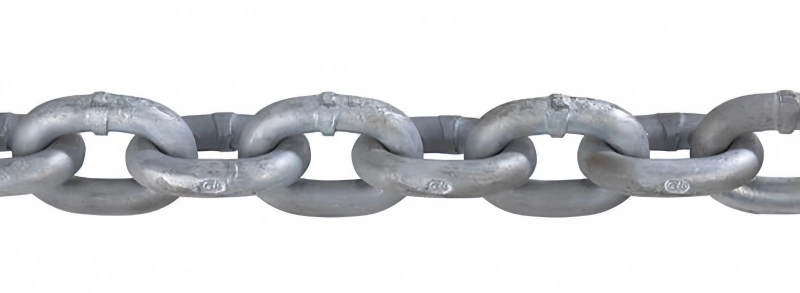
Understanding anchor chain grades and standards is essential for anyone responsible for vessel safety. You need to know how these grades affect the performance and reliability of your anchoring system. Each grade represents a specific level of strength, durability, and resistance to harsh conditions.
International standards ensure that every anchor chain meets strict requirements for safety and quality. These standards evolve to address new challenges, such as environmental demands and operational risks.
You can trust that certified chains provide consistent performance and clear identification through anchor markings and rigorous testing procedures.
Powerful Machinery demonstrates a strong commitment to international standards. The company works closely with classification societies like Bureau Veritas to ensure compliance. Regular inspections and certifications guarantee that every mooring chain meets or exceeds global safety regulations.
This dedication helps you operate with confidence, knowing your equipment supports the highest levels of safety and environmental responsibility.
Key Marine Anchor Grades Explained
You will encounter several common anchor chain grades when selecting equipment for your vessel. Each grade offers unique benefits for different applications. The following table compares the most widely used chain grades in terms of minimum tensile strength and corrosion resistance:
Chain Grade | Minimum Tensile Strength | Corrosion Resistance |
|---|---|---|
G30 | Basic strength, suitable for lighter tasks | Galvanized chains resist corrosion, but can be damaged |
G70 | Highest minimum breaking strength and working load limit | Stainless steel chains (316) maintain integrity in saltwater |
Grade G30 chains provide basic strength and work well for smaller boats or light-duty anchoring. Grade G70 chains deliver the highest minimum breaking strength and working load limit, making them ideal for demanding marine environments.
You should always match the grade to your vessel’s size, weight, and anchoring needs. Anchor chain grades and materials directly impact your safety on the water.
International standards specify the quality and strength of each anchor chain grade. These standards ensure reliability under various conditions and enhance your confidence in the equipment. Testing procedures guarantee consistency and safety across manufacturers, so you can compare products with ease.
Material Types and Coatings
Selecting the right material for your anchor chain is just as important as choosing the correct grade. Different materials offer distinct advantages for durability, corrosion resistance, and safety. The table below outlines the most common materials used in anchor chains and their benefits:
Material | Advantages |
|---|---|
Carbon Steel | Excellent strength, ductility, cost-effectiveness, high tensile strength, and effective anchoring due to weight. Requires protective coatings to prevent corrosion. |
High-Strength Steel | Higher yield and tensile strength, reduced diameter and weight, improved handling efficiency, less prone to deformation and fatigue. Ideal for harsh conditions. |
Stainless Steel | Outstanding corrosion resistance, low maintenance, and suitable for sheltered environments. Lower tensile strength and more expensive than steel alternatives. |
Hot-Dip Galvanized Steel | Robust protection against rust and corrosion, effective in saltwater environments, significantly extends the lifespan of the chain. |
You will also find several types of coatings that enhance the performance of anchor chains in saltwater environments. The following table summarizes the most common coatings and their effects:
Coating Type | Description | Performance in Saltwater Environment |
|---|---|---|
Hot-dip Galvanization | A thick layer of zinc provides robust protection against rust and corrosion. | Sacrificial zinc extends lifespan by protecting the underlying steel. |
Epoxy | Forms a thick, inert layer sealing the chain from moisture and chemicals. | Enhances corrosion resistance and reduces wear. |
Chrome Plating | Improves surface hardness and abrasion resistance. | Minimizes pitting and galling, increasing operational lifespan. |
You should choose a material and coating that match your vessel’s operating environment. For example, hot-dip galvanized steel chains offer excellent protection in saltwater, while stainless steel chains require less maintenance in sheltered areas.
High-strength steel chains provide superior performance in harsh conditions and reduce overall weight.
Powerful Machinery offers a full range of high-tensile mooring chains with customizable materials and coatings. Every product meets international standards and undergoes rigorous testing. You benefit from reliable performance, long service life, and peace of mind, no matter where you operate.
Tip: Always verify the chain grade, material, and coating before purchase. This ensures compatibility with your windlass and maximizes safety during anchoring.
Mooring Chain Testing and Ratings
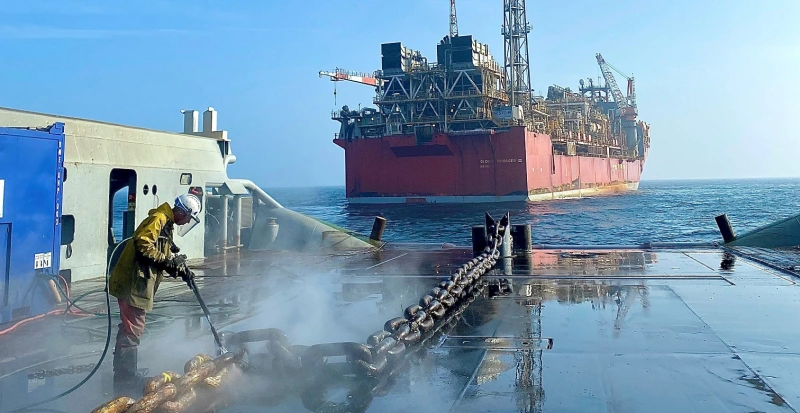
Working Load Limit and Tensile Strength
You need to understand how marine chain standards define the strength and reliability of your anchor chain. The working load limit tells you the maximum weight your chain can safely handle during normal use. Manufacturers calculate the working load limit by dividing the minimum breaking strength by a safety factor.
For example, in the United States, the safety factor is 4:1 for G70 and G30 chains. In Europe and Australia, the safety factor is usually 4:1 for all grades. This calculation ensures your chain can withstand unexpected forces without failing.
Tensile strength measures the maximum force your chain can endure before it breaks. You can see the differences in strength between chain grades in the table below:
Grade | Minimum Tensile Strength (pounds) | Ultimate Tensile Stress (psi) |
|---|---|---|
G30 | 7,600 to 9,800 | Varies by manufacturer |
G70 | 13,999 to 15,938 | Varies by manufacturer |
Manufacturers test tensile strength using strict protocols. These tests follow international standards such as ISO 1704, DNV-GL, and ASTM A391. Chains must meet or exceed the minimum grade threshold to pass.
Note: Always check the working load limit and tensile strength before choosing a chain for your vessel. This step protects your crew and equipment.
Proof Testing Methods
You want assurance that your anchor chain will perform under real-world conditions. Proof testing methods confirm the chain’s strength and durability. These methods include:
Non-destructive testing, such as magnetic particle inspection and ultrasonic testing, detects internal flaws without damaging the chain.
Proof load testing checks if the chain can handle loads beyond normal limits without permanent deformation.
Breaking load tests verify that the chain’s minimum breaking strength exceeds certification requirements.
Corrosion resistance tests evaluate how well the chain withstands harsh marine environments.
Chains must also comply with ISO 1704, which sets strict tolerances and material strength for marine use.
Powerful Machinery’s mooring chains undergo all these tests. The company holds certifications from leading classification societies, including ABS, BV, DNV, LR, and RINA. These certifications guarantee that every chain meets the highest standards for safety and reliability.
Tip: Choose chains with valid certifications and documented proof of testing. This practice ensures you receive products that deliver consistent strength and long-term performance.
Safety Factors in Marine Chain Standards
US and International Practices
You must understand how different regions approach safety when selecting anchor chains. In the United States, the safety factor for marine chains usually stands at 4:1. This means the chain’s minimum breaking strength is four times greater than its working load limit.
Europe and Australia follow similar practices, also using a 4:1 safety factor for most applications. These standards help you compare products and ensure consistent safety across brands and regions.
The table below summarizes these practices:
Region | Typical Safety Factor | Application Scope |
|---|---|---|
United States | 4:1 | General marine use |
Europe | 4:1 | General marine use |
Australia | 4:1 | General marine use |
You should always check the safety factor listed by the manufacturer. This step protects your crew and your vessel from unexpected loads during anchoring.
Choosing the Right Safety Factor
Selecting the correct safety factor is critical for your safety at sea. Marine engineering guidelines recommend a conservative safety factor of at least 1:5 for windlass and anchoring applications.
This higher ratio accounts for shock loads, changing weather, and the dynamic forces your anchor chain faces. You should never compromise on safety when choosing equipment for your vessel.
Follow these tips to ensure maximum safety:
Choose chains with a safety factor that meets or exceeds international standards.
Consider the worst-case scenario, such as storms or strong currents, when sizing your chain.
Inspect your chain regularly for wear or corrosion to maintain safety.
Tip: A higher safety factor gives you extra peace of mind and reduces the risk of failure during critical moments.
Powerful Machinery’s mooring chains meet strict safety standards and offer customizable options to match your specific needs. You can trust these products to deliver reliable performance in any marine environment.
Compatibility and Anchor Chain Selection
Windlass Gypsy Fit
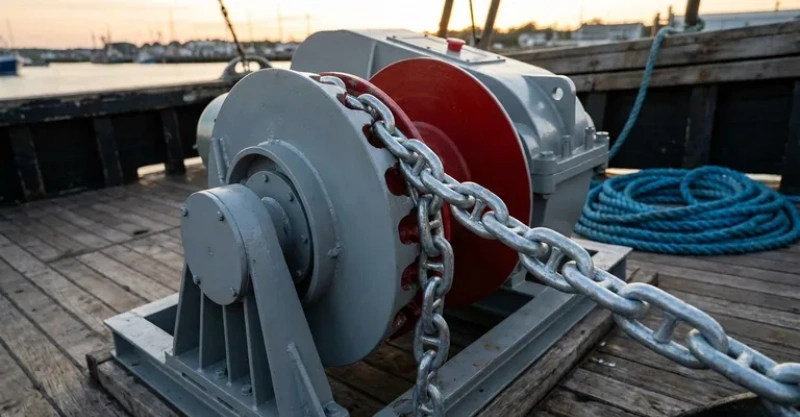
You need to pay close attention to compatibility when selecting an anchor chain for your vessel. The fit between the chain and the windlass gypsy is critical for safe and efficient anchoring. If the chain pitch or type does not match the gypsy, you may experience serious problems.
Using an anchor windlass gypsy that is not compatible with the chain’s specifications can result in significant issues such as slippage, increased wear, and potential chain jamming. These problems can severely impact both safety and the efficiency of marine operations.
Mismatching chain pitch and type can lead to chain slippage, premature wear, and jamming.
Even a 2mm pitch difference between DIN and ISO chains can cause serious operational issues.
Smaller chains are more forgiving, but larger chains require strict adherence to specifications for safety.
You should always check the manufacturer’s recommendations for both the windlass and the chain. This step ensures that the chain will run smoothly through the gypsy, reducing the risk of accidents and equipment damage.
Practical Selection Tips
When choosing a chain for your marine application, focus on compatibility first. Measure the chain’s pitch, diameter, and link shape. Compare these measurements to your windlass gypsy’s specifications. Never assume that similar-looking chains will fit the same gypsy. Always verify before purchase.
Powerful Machinery offers customizable Mooring Chain solutions to meet a wide range of marine needs. You can select from stud link, studless, long link, galvanized, and stainless steel chains.
Each option is available in different sizes and finishes to ensure perfect compatibility with your vessel’s windlass system. The company’s technical team can help you choose the right chain for your anchor and windlass, providing peace of mind and reliable performance.
Tip: Always test the chain and windlass together before heading out to sea. This practice helps you avoid unexpected issues and ensures smooth anchoring every time.
Best Practices for Anchor Chains
Comparing Chain Strengths
When you select an anchor chain, focus on the Working Load Limit (WLL). This number tells you the maximum force your chain can handle during regular use. Always choose a chain with a WLL that exceeds the loads your vessel will face.
You should also consider the strength-to-weight ratio and the type of chain that fits your needs. The table below helps you compare common chain grades:
Chain Grade | Strength-to-Weight Ratio | Typical WLL (% of Breaking Strength) | Best For |
|---|---|---|---|
Proof Coil (G30) | Standard | ~25% | General-purpose use on smaller boats |
BBB (G30) | Standard | ~25% | Most recreational boats with a windlass |
High Test (HT/G43) | High | ~33% | Performance boats, cruisers, and weight savings |
G70 (Transport) | Very High | ~33% | Industrial transport is rarely needed for anchoring |
You should assess your vessel’s size and weight, determine the holding power required, and evaluate the environmental conditions. Compare material options for corrosion resistance and strength.
Review your budget and select the grade that meets your operational needs. High-tensile steel chains offer excellent strength and resist corrosion, making them ideal for marine environments.
Avoiding Common Pitfalls
Many boaters misunderstand working load limits. WLL is not the same as breaking strength. WLL is a safe working limit, not the maximum load before failure. You must remember that WLL can change based on load type, angle, and environmental conditions.
Never assume new equipment does not need inspection. Always check for defects before use. WLL applies to the entire lifting system, not just individual components. Never rely on design factors to lift beyond the WLL.
Tip: Inspect your anchor chain at least once a month or after heavy use. Replace any section that has stretched more than 8%. Consult a marine expert before replacing only damaged links.
You should always purchase from reputable manufacturers. Powerful Machinery’s certified mooring chains ensure safety through rigorous testing, meet international standards, and provide full traceability.
These chains undergo third-party inspections and comply with insurance requirements, giving you peace of mind on the water.
Conclusion
Understanding marine anchor chain grades and standards helps you make safer choices for your vessel. The table below shows how selecting the right grade and material improves safety and performance:
Chain Grade | Material Type | Application | Strength Characteristics |
|---|---|---|---|
Grade 30 | Carbon Steel | Smaller recreational vessels | Balances strength and weight |
Grade 70 | High-test Alloy Steel | Commercial or offshore use | Excellent strength-to-weight ratio |
Choosing certified, high-tensile chains ensures reliable anchor performance. You benefit from higher working load limits and better durability. For best results, consult marine experts who can guide you on compatibility, corrosion resistance, and the right chain for your needs.
FAQ
What is the difference between proof coil and high-test anchor chain?
You will find that proof coil chains have standard strength and work well for smaller boats. High-test chains offer higher strength and better performance for demanding marine conditions. Always match the chain type to your vessel’s needs.
How often should you inspect your marine anchor chain?
You should inspect your anchor chain at least once a month or after heavy use. Look for signs of corrosion, wear, or stretching. Early detection helps you avoid unexpected failures and keeps your anchoring system reliable.
Can you use any chain with your windlass?
You cannot use just any chain with your windlass. Always check the chain’s pitch, diameter, and link shape for compatibility. Using the wrong chain can cause slippage or damage to your equipment.
Why do certifications matter for marine anchor chains?
Certifications show that your chain meets strict safety and quality standards. You gain confidence that the chain will perform reliably in harsh marine environments. Certified chains also help you meet insurance and regulatory requirements.