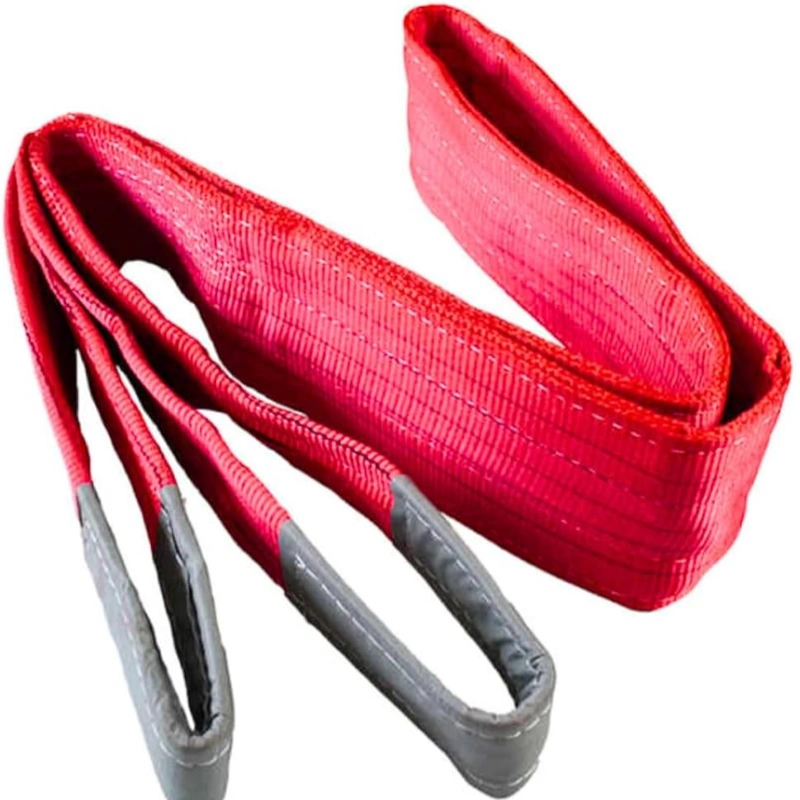
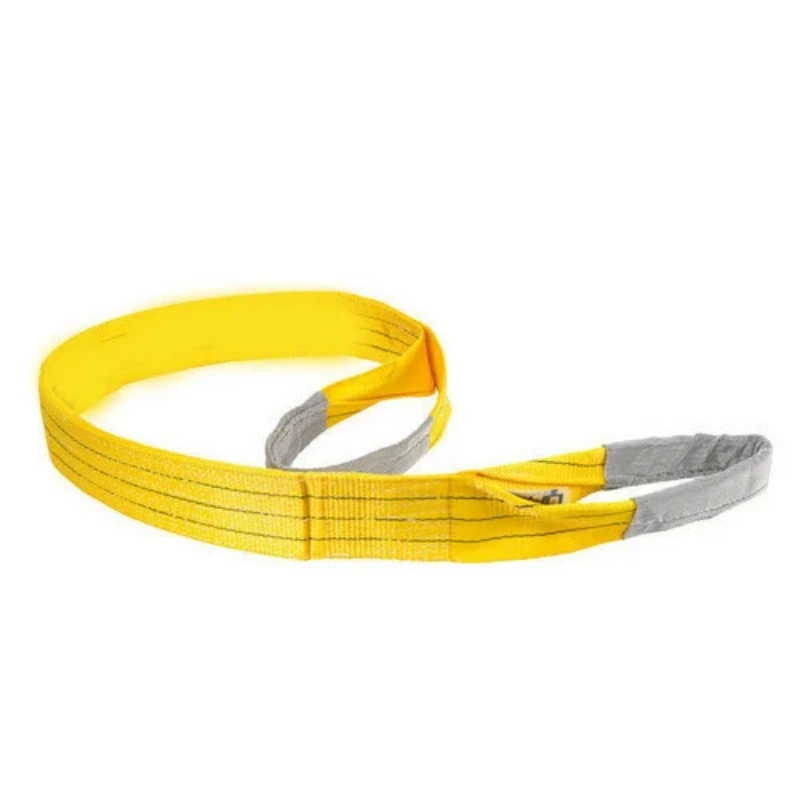
The tensile strength of steel ranges from 500 to 2,000 MPa, making it essential for your projects that demand safety and reliability. You rely on strong steel to keep structures secure and equipment functioning under pressure.
In industries like construction, marine, and transportation, high tensile strength ensures you meet strict safety standards and handle heavy loads every day:
Ship hulls and mooring ropes must withstand harsh waves and repeated stress.
Materials need to resist permanent deformation under intense force.
International safety standards require minimum strength for critical components.
Powerful Machinery’s Steel Wire Rope leverages this tensile strength of steel to deliver dependable performance for lifting and rigging tasks in the toughest environments.
Key Takeaways
The tensile strength of steel ranges from 500 to 2,000 MPa, crucial for safety in construction and machinery.
Understanding tensile strength helps you select the right steel for projects, preventing costly failures.
High-carbon and alloy steels provide superior strength, making them ideal for lifting and rigging applications.
Regular testing ensures steel products meet safety standards, giving you confidence in their performance.
Choosing the right steel wire rope enhances safety and reliability in demanding environments.
What Is the Tensile Strength of Steel?
Definition and Importance
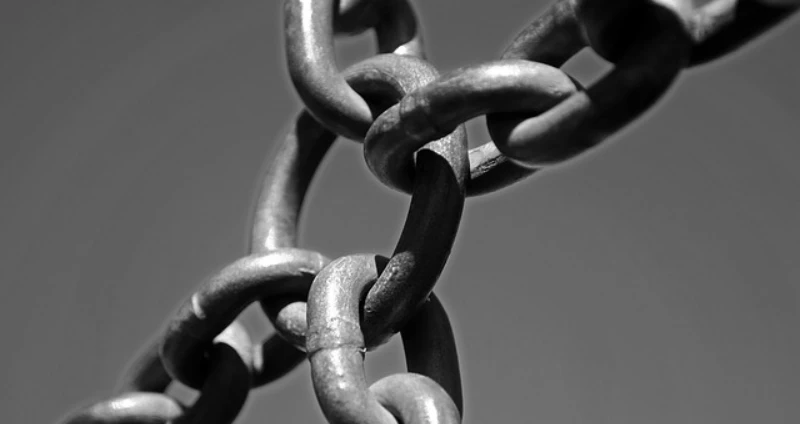
You encounter the term “tensile strength of steel” often in engineering and construction. This property describes the maximum stress steel can handle when you stretch or pull it before it breaks or permanently deforms. You rely on this measurement to judge how steel will perform under tension.
The tensile strength of steel can range from about 400 MPa (58,000 psi) to over 2,000 MPa (290,000 psi), depending on its composition and heat treatment.
Note: Tensile strength helps you select the right steel for your project. It ensures that beams, cables, and wire ropes will not fail when exposed to heavy loads.
You need to consider tensile strength for several reasons:
It determines if steel can support the weight and stress in buildings, bridges, and machinery.
It helps you avoid material failure, which could lead to costly repairs or safety hazards.
Engineers use tensile strength data to design reliable structures and components.
In industries such as construction and transportation, you depend on steel’s strength and ductility to create frameworks that stand up to demanding forces. High-strength steels are essential for safety and stability.
Powerful Machinery’s steel products, including Steel Wire Rope, are engineered to deliver high tensile strength. The company uses advanced grades like 4140, 4340, and EN26, which respond well to heat treatment and offer superior toughness.
This approach ensures you get wire ropes and lifting chains that meet strict performance standards.
Grade | Description | Properties | Heat Treatment Response |
|---|---|---|---|
4140 | Cr Mo steel for high tensile strength | Readily available, tough | Yes |
4340 | Ni Cr Mo steel with high tensile strength | High toughness, heat treatable | Yes |
EN26 | High tensile steel, higher carbon content | Hardened and tempered | N/A |
Types of Tensile Strength
You measure tensile strength in several ways to understand how steel behaves under tension. The main types include:
Tensile Strength: This is the maximum stress steel can withstand before it fails. You see this value expressed in megapascals (MPa) or pounds per square inch (psi).
Yield Strength: This is the point where steel starts to deform permanently. You use this measurement to ensure your steel components do not bend or stretch under normal loads.
Ultimate Tensile Strength: This refers to the highest stress steel can handle before breaking. It is closely related to tensile strength and helps you determine the limits of your material.
Tip: When you select steel wire rope or lifting chains from Powerful Machinery, you benefit from products tested for high yield and tensile strength. This guarantees safety and reliability in your lifting and rigging operations.
You need to understand these types to choose the right steel for your application. Each measurement gives you insight into how steel will perform when you put it to the test.
Tensile Strength Values for Different Steels
When you select steel for lifting, rigging, or structural applications, you need to understand how different types compare in terms of strength. Each steel type offers unique properties that affect safety, durability, and performance.
Powerful Machinery evaluates these properties to ensure every Steel Wire Rope meets the highest standards for demanding environments.
Carbon Steel
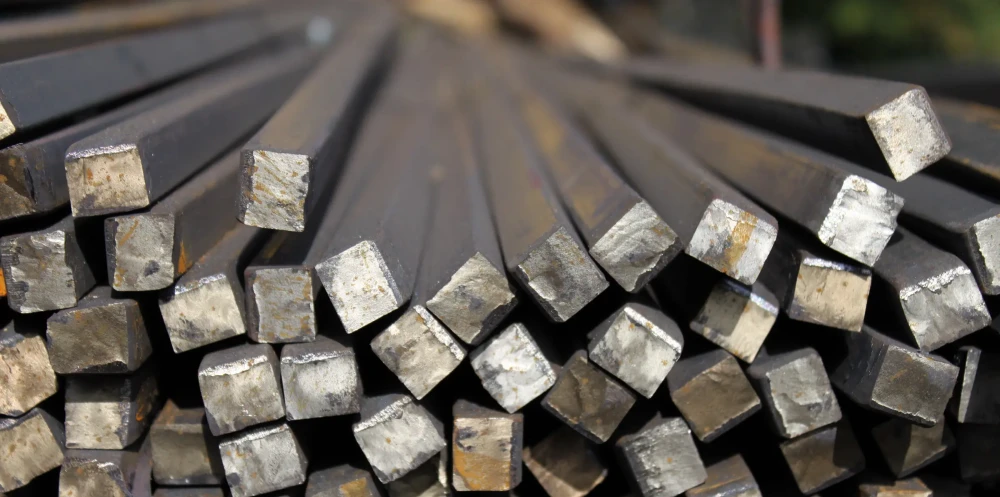
Carbon steel remains one of the most widely used materials in industrial settings. You see it in construction, machinery, and wire rope manufacturing. The tensile strength of carbon steel depends on its carbon content. As the carbon percentage increases, the steel becomes stronger but less ductile.
Carbon Steel Grade | Carbon Content (%) | Tensile Strength (MPa) |
|---|---|---|
Low-carbon steel | <0.25% | 300-500 |
Medium-carbon steel | 0.25-0.60% | 500-700 |
High-carbon steel | 0.60-1.50% | 700-1500 |
You can compare common grades by their yield strength and workability:
Steel Type | Yield Strength (psi) | Notes |
|---|---|---|
1018 | 77,000 | Low-carbon steel is easy to work with |
1045 | 77,000 | Medium-carbon steel, stronger than 1018 |
A36 | 36,000 | General-purpose carbon steel |
4140 | 60,000-105,000 | Alloy steel has significantly higher strength |
1144 | 95,000 | Medium carbon, resulfurized steel, high strength |
Powerful Machinery selects high-carbon and alloy steels for wire rope production. This choice ensures you get products with superior load-bearing capacity and long-term reliability.
Mild Steel
Mild steel contains a lower percentage of carbon, which makes it more flexible and easier to shape. You often use mild steel for general construction and fabrication. The tensile strength of mild steel typically ranges from 260 MPa to 650 MPa, depending on grade and processing.
Grade | Tensile Strength (MPa) |
|---|---|
Mild Steel | 260 – 650 |
1030 | Up to 650 |
1045 | Up to 650 |
You should know that higher carbon content increases both tensile and yield strength. Surface area also affects mechanical properties. When you choose mild steel, you balance strength with ease of fabrication.
Powerful Machinery uses mild steel for components where flexibility and weldability are essential, but always ensures the steel meets strict safety standards.
Stainless Steel
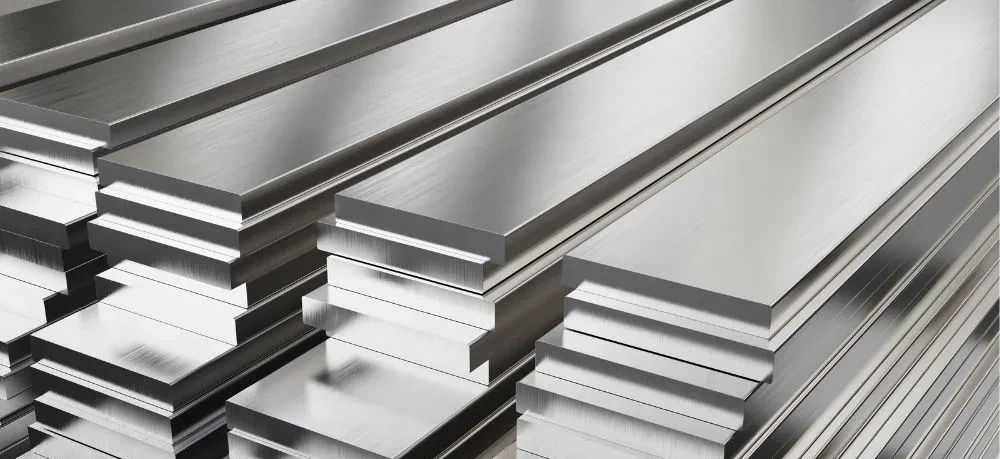
Stainless steel offers a combination of strength and corrosion resistance. You rely on it for marine, chemical, and outdoor applications. The tensile strength varies by grade and treatment.
Stainless Steel Grade | Tensile Strength (MPa) | Notes |
|---|---|---|
420 | 586 | Normal |
304 | 621 | Normal |
420 (hardened) | 1586 | Stress relieved, suitable for heavy-duty use |

You benefit from stainless steel’s enhanced mechanical properties when chromium, molybdenum, and nitrogen levels increase. These elements boost both corrosion resistance and tensile strength. If you need even greater performance, advanced fillers like graphene can raise tensile strength by over 70%.
Powerful Machinery uses premium stainless steel grades for wire ropes that must resist harsh environments and maintain strength under stress.
Tip: Stress corrosion cracking can occur when tensile stress combines with a corrosive environment. You should always select certified stainless steel wire ropes for marine and chemical applications.
Ultimate Tensile Strength
Ultimate tensile strength (UTS) defines the maximum stress a steel can withstand before breaking. You measure UTS by pulling a steel sample until it fractures, then dividing the maximum load by the original cross-sectional area.
Ultimate tensile strength is the highest load a material can bear under tension.
You measure it using tensile testing equipment.
UTS helps you determine the safety limits for steel wire ropes and lifting chains.
When you choose Steel Wire Rope from Powerful Machinery, you receive products tested for high UTS. This ensures your equipment performs safely under the most demanding loads.
The company’s rigorous selection of steel grades and advanced manufacturing processes guarantees wire ropes that meet or exceed international standards for tensile strength of steel.
Measuring Tensile Strength of Steel
Testing Methods
You rely on standardized testing methods to measure the tensile strength of steel. These procedures ensure that every steel product meets strict industry requirements for safety and performance. Leading standards include ASTM and ISO protocols, which guide how you test and interpret results.
Standard | Description |
|---|---|
ASTM A370 | Mechanical testing definitions and procedures for steel |
ASTM E8 | Tensile testing of metals at ambient temperature |
ISO 6892-1 | Tensile testing of metallic materials at room temperature |
ASTM E21 | Tension tests on metals at elevated temperatures |
ISO 6892-2 | Tensile testing at elevated temperatures |
During testing, you examine key properties such as yield strength, tensile strength, and elongation. These tests use specimens prepared according to precise guidelines, often at room temperature between 10°C and 38°C. You place the steel sample in a tensile testing machine, then apply force until the material deforms or breaks.
Metric | Description | Failure Mode |
|---|---|---|
Yield Strength | Transition from elastic to plastic behavior | Permanent deformation without breaking |
Ultimate Tensile Strength | Maximum stress before fracturing | Material fractures or necks |
Breaking Strength | Point of complete fracture | Total material failure |
Tip: Consistent testing methods help you compare steel grades and ensure reliability in your projects.
What Results Mean?
You use tensile strength test results to guide material selection and product design. These results reveal how steel will perform under tension, helping you choose the right grade for your application. Engineers rely on this data to determine the thickness or reinforcement needed for components.
Tensile strength test results show the steel’s strength and ductility.
You confirm that materials meet required specifications and industry benchmarks.
Quality control teams use these results to verify that every batch of steel meets safety standards.
At Powerful Machinery, you benefit from rigorous testing and certification. The company uses advanced equipment, such as the UP-2008 Rebar Metal Tensile Strength Tester, to measure tensile, compression, and bending properties.
This process ensures that every Steel Wire Rope meets international standards for safety and reliability.
Industry | Role of Tensile Strength Testing |
|---|---|
Construction | Ensures quality and reliability for safety standards |
Automotive | Confirms material quality and compliance with regulations |
Aerospace | Guarantees the safety and performance of critical materials |
Tensile strength of steel testing plays a vital role in quality assurance. You gain confidence knowing that Powerful Machinery’s products have passed strict evaluations, ensuring durability and safety in every application.
Factors Affecting Tensile Strength
Steel Composition
You influence the tensile strength of steel by choosing the right alloying elements. Each element uniquely changes the steel’s properties. For example, carbon increases strength and hardness, while nickel boosts strength without making the steel brittle.
Chromium and manganese also play key roles in improving toughness and durability. The table below shows how common alloying elements affect steel:
Alloying Element | Effect on Tensile Strength |
|---|---|
Carbon (C) | Raises tensile strength, hardness, and resistance to wear. |
Chromium (Cr) | Increases tensile strength and toughness. |
Cobalt (Co) | Increases strength and hardness. |
Manganese (Mn) | Increases tensile strength and hardness. |
Molybdenum (Mo) | Increases strength and toughness. |
Nickel (Ni) | Increases strength without sacrificing ductility. |
Phosphorus (P) | Increases strength but adds brittleness. |
Silicon (Si) | Increases tensile strength and hardness. |
Sulfur (S) | Improves machinability but can decrease ductility. |
You often see chromium, molybdenum, vanadium, manganese, and nickel added to steel wire ropes for demanding applications. Powerful Machinery selects steel grades with optimal alloying elements to ensure every wire rope meets strict strength and safety standards.
Heat Treatment
You can modify the tensile strength of steel through heat treatment. This process changes the internal structure of steel, balancing strength and ductility. Common heat treatment methods include hardening, tempering, and annealing. The table below outlines how each process affects steel:
Process | Effect on Tensile Strength |
|---|---|
Stress Relief | Lowers the yield strength to relieve shrinkage stress without changing the internal structure. |
Hardening | Increases internal stress, potentially reducing ductility and increasing brittleness. |
Tempering | Balances tensile strength and ductility while relieving internal stress. |
Re-crystallization | Restores ductility and lowers hardness, allowing for further working. |
You use hardening to boost strength and resist wear. Quenching and tempering help you achieve the right balance for lifting and rigging products. Powerful Machinery applies precise heat treatment to steel wire ropes, ensuring consistent performance in tough environments.
Manufacturing Process
You impact the tensile strength of steel by selecting the right manufacturing process. Forging produces steel with a grain structure oriented to the shape of the part, which enhances strength and resistance to fatigue. Forged steel wire ropes handle demanding loads better than cast or machined alternatives.
You benefit from smaller, more uniform grains that improve stress handling.
Forged steel offers higher impact toughness and tensile strength.
Machined bars and plates may show more fatigue and stress corrosion.
Forgings are stronger due to hot and cold working, which cannot be replicated in casting.
Powerful Machinery uses advanced forging and stranding techniques. You receive steel wire ropes that pass strict quality control, including raw material inspection, process monitoring, and both destructive and non-destructive testing.
These measures guarantee that every product delivers reliable tensile strength of steel for your critical lifting and rigging needs.
Applications and Material Selection
Why Tensile Strength Matters?
You depend on steel for lifting, rigging, and other safety-critical tasks. The tensile strength of steel determines whether your equipment can handle heavy loads without risk. If you use steel with insufficient strength, you face serious consequences:
Fatigue failure in bridges, aircraft, and pipelines from repeated stress cycles.
Brittle fractures in stainless steels, especially in high-carbon or cold environments.
Loss of structural integrity, which can lead to catastrophic failures in critical applications.
You must select steel with the right tensile strength to protect lives, property, and investments. In construction, marine, and transportation industries, you rely on steel wire ropes to lift, secure, and move heavy objects.
High tensile strength ensures your equipment performs safely and reliably, even under extreme conditions.
Tip: Always verify the tensile strength rating before using steel wire rope for demanding tasks. This step helps you avoid unexpected failures and maintain compliance with safety standards.
Choosing Steel Wire Rope from Powerful Machinery
You need to consider several practical criteria when selecting steel wire rope for your project. Powerful Machinery designs its Steel Wire Rope to meet the toughest requirements. Review the following table to guide your selection:
Criteria | Description |
|---|---|
Working Load Limit (WLL) | Maximum load recommended under normal conditions, based on breaking strength and safety factor. |
Breaking Strength | Minimum force required to cause failure, with safety factors adjusted for risk. |
Corrosion Resistance | Essential for marine and chemical environments; stainless steel or galvanized options available. |
Temperature Ranges | Rope must be rated for your operating temperature to prevent material degradation. |
Flexibility Requirement | Choose more flexible ropes for tight bends; construction affects flexibility. |
Fatigue Resistance | Important for dynamic use, ropes with finer wires and proper diameter ratios resist bending fatigue. |
Powerful Machinery’s Steel Wire Rope offers high tensile strength, a non-rotating design, and excellent resistance to abrasion and corrosion. You benefit from certified products that meet international standards, ensuring safety and durability in every application.
Select the right configuration for your needs, and trust Powerful Machinery to deliver reliable performance for lifting, rigging, and hoisting tasks.
Conclusion
You see the impact of the tensile strength of steel in every safe, durable, and high-performing project.
High-tensile steel offers a superior strength-to-weight ratio, increased durability, and improved safety for demanding environments.
Certified products from Powerful Machinery deliver reliable corrosion resistance and long-term savings.
Structural integrity depends on choosing the right steel.
You ensure safety and performance by selecting certified, high-tensile materials for your applications.
FAQ
What does tensile strength mean for steel wire rope?
Tensile strength tells you how much force a steel wire rope can handle before breaking. You use this value to choose the right rope for lifting, rigging, or securing heavy loads in demanding environments.
How do you check the tensile strength of steel?
You test tensile strength using specialized machines that pull steel until it breaks. You read the maximum force applied. Powerful Machinery tests every batch to meet international standards for safety and reliability.
Why should you choose non-rotating steel wire rope?
Non-rotating steel wire rope prevents twisting and kinking during lifting. You gain better stability and safety, especially when handling heavy loads or working in critical applications.
Which steel grade offers the highest tensile strength?
High-carbon alloy steels, such as 4140 and 4340, deliver the highest tensile strength. You select these grades for tasks that require maximum load capacity and durability.
Can you use steel wire rope outdoors?
Yes, you can use steel wire rope outdoors. Powerful Machinery’s ropes resist corrosion and abrasion, making them suitable for marine, construction, and industrial environments.