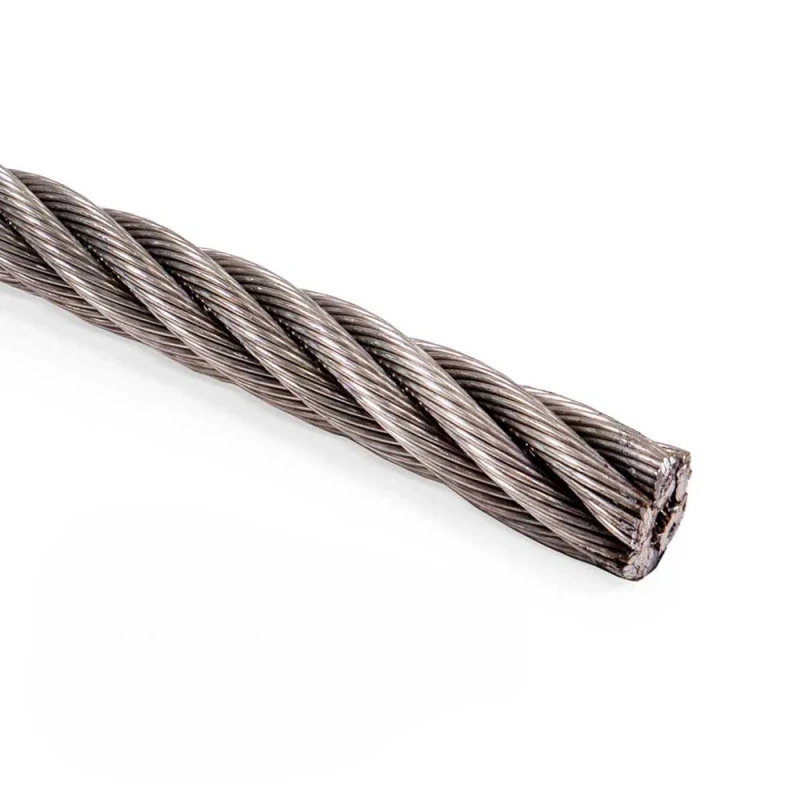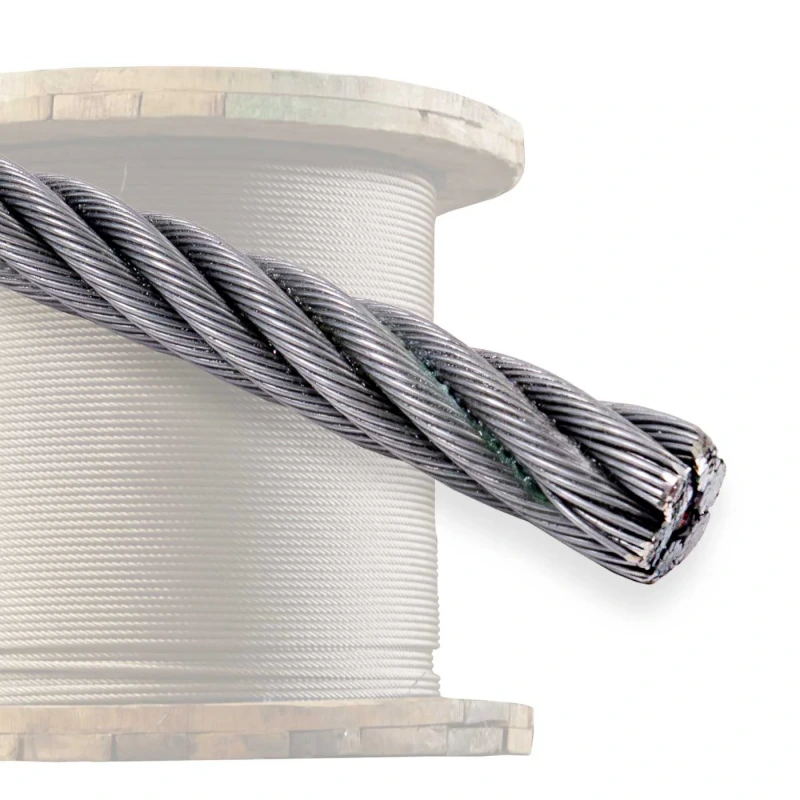
You use a hand-operated winching device to lift or pull heavy loads where precision and safety matter. The global market for these devices continues to grow, reaching $2.83 billion by 2035 with a 4.8% CAGR.
Year | Market Size (USD) | Growth Rate (CAGR) |
|---|---|---|
2025 | 1.77 billion | |
2026 | 1.85 billion | |
2035 | 2.83 billion | 4.8% |
The main types include manual hand winches and automated hand winches. When you ask what a type of hand-operated winching device is, you must consider specific needs such as load capacity, safety features, and environmental conditions.
You need a winch that fits your specific needs, including cable material and ease of use. Powerful Machinery offers a robust range of certified hand winch solutions for your specific needs in construction, marine, and cargo handling.
Key Takeaways
Hand-operated winching devices are essential for lifting or pulling heavy loads safely and precisely, especially in areas without electricity.
Different types of hand winches, such as manual drum, geared, ratchet, and lever winches, cater to various applications and environments.
When selecting a winch, consider factors like load capacity, ease of use, and safety features to ensure it meets your specific needs.
Regular maintenance, including inspections and lubrication, is crucial for the safe and reliable operation of hand winches.
Powerful Machinery offers a range of certified hand winches tailored for diverse industries, ensuring quality and performance.
What is a Type of Hand Operated Winching Device?
Definition and Purpose
When you ask what a type of hand-operated winching device is, you look for a tool that lets you lift or pull heavy loads without relying on electricity. You operate these devices by turning a handle, which winds a cable or rope around a drum.
This mechanical action gives you control and precision, making it ideal for tasks where safety and accuracy matter. You often find yourself needing a winch in situations where you must move objects that are too heavy for manual lifting.
The purpose centers on providing a reliable force for lifting, pulling, or positioning materials in environments where powered equipment is unavailable or impractical.
Tip: You can use a hand-operated winching device in remote locations, making it a versatile solution for many industries.
If you want to understand what a type of hand-operated winching device is, consider its main functions:
Towing and recovery in automotive settings
Raising and lowering sails or anchors in marine environments
Hoisting materials on construction sites
Hauling logs in forestry operations
You gain the ability to move, lift, or secure loads safely and efficiently, even in challenging conditions.
Common Applications
You encounter hand-operated winching devices across a wide range of industries. When you wonder what a type of hand-operated winching device is, you see its value in these common applications:
Lifting heavy loads in areas without electricity
Freeing stalled vehicles during off-road adventures
Erecting scaffolding and placing machinery in construction and maintenance
Hauling fishing nets and anchoring vessels in marine and boating
You also use these devices for:
Recovering vehicles stuck in mud or snow
Launching and mooring boats
Transporting materials safely on construction sites
Application Area | Typical Use |
|---|---|
Automotive | Vehicle recovery, towing |
Marine | Anchoring, launching, and mooring |
Construction | Hoisting, rigging, and material moving |
Forestry | Hauling logs, obstacle removal |
When you ask what a type of hand-operated winching device is, you discover that these tools serve essential roles in both commercial and industrial settings. You rely on them for safety, efficiency, and adaptability in demanding environments.
Types of Hand Winches
You encounter a wide variety of hand winches designed for different tasks and environments. Understanding the distinctions between each type helps you select the most reliable winching solution for your needs.
Powerful Machinery’s GR Hand Winch and HWV Series Manual Winch stand out as robust, certified options that deliver strong pulling power and high-quality winching solutions for demanding industries.
Manual Drum Winch
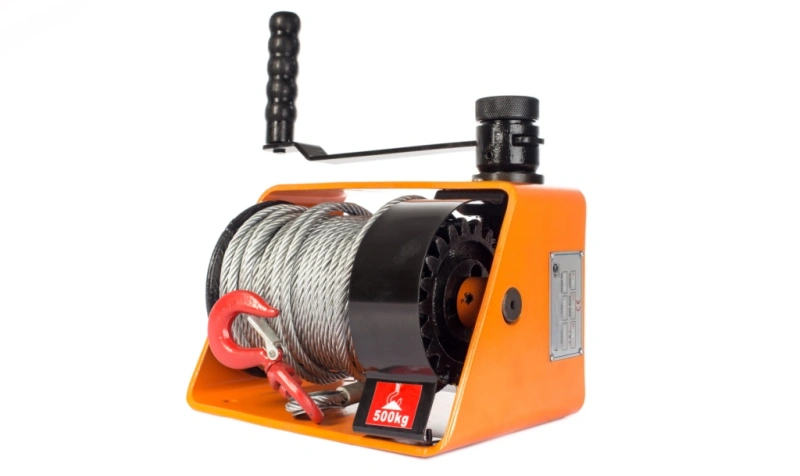
You use a manual drum winch when you need a simple, mechanical device for lifting or pulling loads. This type of hand winch operates by winding a cable or rope around a drum as you turn the handle. You benefit from its straightforward design, which does not require electricity and works well in remote locations.
Manual drum winches come in single-speed and multi-speed designs.
Load capacity ranges from a few hundred to several thousand pounds, depending on the size and quality.
Hardened steel construction increases durability and load capacity.
Operator strength and technique affect performance.
Common applications include forestry, construction, marine, and recreational activities.
Note: Manual drum winches are affordable and compact, making them easy to store and transport. You can rely on them for smaller or occasional projects, but operation is slower compared to electric models.
Geared Hand Winch
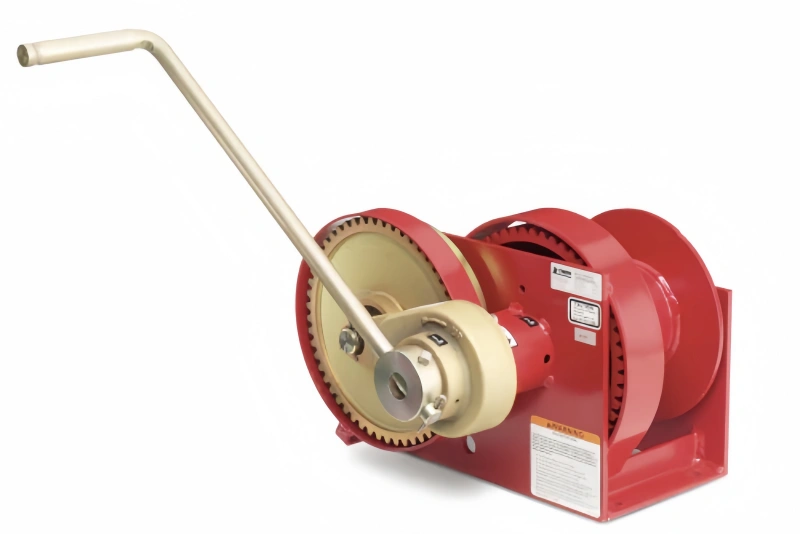
You choose a geared hand winch when you need enhanced efficiency and precise control. The gear mechanism multiplies your input force, allowing you to handle heavier loads with less effort.
Powerful Machinery’s HWV Series Manual Winch features high-strength gears and an automatic brake system, ensuring safety and smooth operation.
Feature | Benefit |
|---|---|
Machine Cut Gears | Increase efficiency and service life |
Adjustable Handles | Increase the mechanical advantage |
Automatic Brake Models | Provide positive load control for lifting and lowering operations |
Bronze/Radial Ball Bearings | Ensure smooth and efficient operation |
Enclosed Oil Bath (Worm Gear) | Minimizes wear and reduces maintenance costs |
Solid Steel Machine-Cut Gears | Resist corrosion and provide precise operation for outdoor use |
Automatic Weston-Style Brake | Offers additional reliability and positive load control |
Safety features in geared hand winches include:
Safety Feature | Description |
|---|---|
Freewheel Feature | Allows the cable to be pulled freely from the drum to attach to the load |
Self-locking Mechanism | Reduces the skill required for safe operation |
Environmental Considerations | Designed for harsh conditions, such as salt water |
Rated Capacity | Ensures proper load handling with easy cranking |
Not for Lifting People | Maintains safety by restricting use to material handling |
Tip: You gain precise control and enhanced safety with geared hand winches, making them ideal for industrial and marine environments where load capacity and reliability are critical.
Ratchet Winch
You rely on a ratchet winch for secure load control and efficient operation. The ratchet mechanism allows continuous motion in one direction while preventing reverse movement, which is essential for maintaining tension and safety.
Feature | Description |
|---|---|
Continuous Motion | Prevents reverse movement through a pawl mechanism |
Design Variations | Fine-tooth for confined spaces, coarse-tooth for heavy-duty applications |
Quick-Release Mechanism | Enables rapid, tool-free changes of sockets or attachments |
Sealed Design | Protects internal components from dust and moisture |
Dual Pawl Configuration | Distributes torque evenly, enhancing smoothness and reducing stress on components |
You see ratchet winches used frequently in transportation and construction:
Ratchet winches secure loads and prevent cargo movement during transit.
They help you comply with transportation safety standards.
In construction, you use ratchet winches for load securement and regulatory compliance.
Tie-down systems on flatbed trailers and trucks depend on ratchet winches for durability and safety.
Alert: Ratchet winches are recognized as strong and durable safety components in load securement, making them essential for maintaining the integrity of transportation containers.
Lever Winch
You select a lever winch when portability and manual control are priorities. Lever winches, often called come-alongs, are compact and self-contained, allowing you to transport them easily and make precise adjustments during operation.
Advantage | Description |
|---|---|
Portability | Lever winches are compact and easy to transport |
Control | Manual operation allows for precise adjustments |
Typical load ratings for lever winches used in field operations:
Scenario Number | Breaking Strength (Lbs.) | Work Load Limit (Lbs.) | Design Factor | Number of Lifts Before Failure |
|---|---|---|---|---|
1 | 30,000 | 5,000 | 6:1 | 1,000 |
2 | 30,000 | 6,000 | 5:1 | 750 |
3 | 30,000 | 7,500 | 4:1 | 500 |
4 | 30,000 | 10,000 | 3:1 | 300 |
5 | 30,000 | 15,000 | 2:1 | 100 |
6 | 30,000 | 20,000 | 1.5:1 | 25 |
7 | 30,000 | 28,000 | 1.07:1 | 5 |
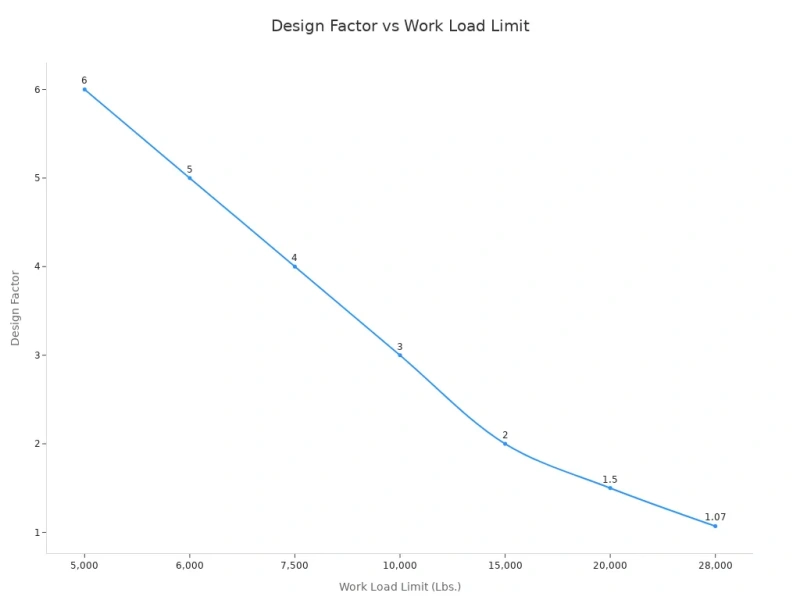
Note: Lever winches give you strong pulling power and precise control, making them ideal for field operations and emergencies.
Specialty Hand Winches
You turn to specialty hand winches when you need advanced features for extreme environments or unique applications. These winches offer enhanced durability, environmental resistance, and efficiency compared to standard models.
Feature | Specialty Hand Winches | Standard Hand Winches |
|---|---|---|
Environmental Resistance | Sealed bearing systems and protective housing designs | May lack adequate protection against contaminants |
Temperature Performance | Specialized lubricants and materials for extreme climates | Standard lubricants may fail in extreme conditions |
Durability and Efficiency | Enhanced features for demanding conditions | Basic design may lead to premature wear |
Tip: Specialty hand winches are engineered for high-performance in harsh environments, such as marine, water treatment, and entertainment industries.
Powerful Machinery’s GR Hand Winch offers flexible rope directions, secure fixing positions, and a heavy-duty braking system, making it a reliable winching solution for industrial and specialty applications.
You now understand the main types of hand winches. Each type offers unique advantages in load capacity, safety, and operational efficiency. Powerful Machinery’s certified products provide you with high-quality winching solutions for every scenario, from construction sites to marine operations.
Key Features: Lifting Capacity and Ease of Use
Understanding Lifting Capacity
You must evaluate the lifting capacity of a hand winch before selecting equipment for your project. Manufacturers offer a wide range of weight capacity options, allowing you to match the winch to your specific needs. The table below shows typical lifting capabilities from major brands:
Manufacturer | Lifting Capacity |
|---|---|
Manufacturer A | 3,200 lbs |
Manufacturer B | 1,500 lbs |
Manufacturer C | 1,800 lbs |
Manufacturer D | Up to 10,000 lbs |
Manufacturer E | 7,500 kg |
You should consider several factors when assessing lifting capacity:
Load capacity determines the maximum weight you can safely lift or pull.
Cable length and material affect operational distance and durability.
Gear ratio influences efficiency during lifting.
Overall durability ensures the winch withstands demanding use.
Tip: Always follow safe operation guidelines and check the rated weight capacity before use.
Evaluating Ease of Use
Ease of use impacts your efficiency and safety during winch operation. Ergonomic features help reduce operator fatigue and improve productivity. The table below highlights how ease of use affects performance:
Impact on Operation | Description |
|---|---|
Operator Fatigue | Ergonomic practices reduce strain and make the operation less tiring. |
Risk of Injuries | Proper body positioning and handle rhythm lower injury risk. |
Productivity | Handling heavier loads becomes easier, boosting work output. |
Modern winches include ergonomic features such as minimized repetitive strain, intuitive interfaces, and adaptive performance. Pistol-grip handles reduce muscle activation, while three-layer protection systems prevent human error.
Controls positioned within natural arm reach angles prevent shoulder and wrist fatigue.
Intuitive interfaces with tactile feedback eliminate guesswork.
Smart winches adjust speed and torque based on load detection, reducing manual calibration errors.
Note: You benefit from ergonomic designs that make operation safer and more comfortable.
Safety and Durability
Safety features and durability play a crucial role in reliable winch operation. Manufacturers use materials like stainless steel and high-tensile steel to enhance performance and longevity.
Stainless steel resists rust and saltwater damage, making it ideal for marine or humid environments. Steel provides strong tensile strength, maintaining shape and power under heavy loads.
Material | Benefits |
|---|---|
Stainless Steel | Corrosive coating protects against rust and saltwater damage. |
Steel | Strong tensile strength ensures safety and reduces wear over time. |
You find built-in safety features such as brakes and safety features, an automatic brake system, and three-layer protection systems. These components ensure safe lifting and pulling operations, even in tough conditions.
Alert: Always inspect your winch for durability and follow safe operation guidelines to maintain safety.
Comparing Hand Winch Types
Mechanism and Operation
You encounter several mechanisms when you operate a winch. Each type uses a unique system to deliver pulling power and manage heavy loads. Manual drum winches use a rotating drum to create traction. Geared winches incorporate gears that enhance mechanical advantage, making it easier for you to move heavy loads.
Worm winches use a worm gear for increased effort, though their manufacturing process is more complex. Lever winches operate with a lever mechanism, giving you straightforward manual control.
Type of Winch | Mechanism Description |
|---|---|
Manual Drum | Utilizes a rotating drum to create traction. |
Geared Winch | Incorporates gears to enhance mechanical advantage, allowing for easier load movement. |
Worm Winch | Similar to geared but uses a worm gear for increased effort, though it’s more complex to manufacture. |
Lever Winch | Operates using a lever mechanism for manual control, providing a straightforward way to manage loads. |
Tip: You gain more pulling power with geared and worm winches, especially in heavy-duty applications.
Typical Uses
You find hand winches in many commercial and industrial environments. Marine craft and fishing operations rely on winches for various tasks. Vehicle recovery teams use winches to pull vehicles from difficult terrains. Off-road vehicles depend on winches for extraction from snow or mud.
Waste management trucks utilize winches for handling refuse. Utility industries use winches for load control. Construction equipment benefits from winches in specialized applications. Aircraft operations use winches for launching gliders and helicopter recovery.
Drilling equipment relies on winches for water well and drilling tasks. Theater productions employ winches to move set pieces. Wakeskate and waterskiing activities use winches for towing.
Winch Type | Typical Use Cases |
|---|---|
Marine Craft & Fishing | Used in marine and fishing environments for various operations. |
Vehicle Recovery | Essential for tow trucks in vehicle recovery operations. |
Off-Road Vehicles | Used to pull vehicles from difficult terrains like snow and mud. |
Waste & Refuse | Utilized in garbage trucks for waste management. |
Utility & Electric | Commonly used in utility industries for load control. |
Construction Equipment | Reliable in specialized construction applications. |
Aircraft | Used for launching gliders and aiding helicopter recovery. |
Drilling Equipment | Best performance in the water well and drilling industries. |
Theater | Employed in theater productions for moving set pieces. |
Wakeskate | Used in waterskiing and snowboarding for towing. |
Note: You select a winch based on your environment and the type of heavy loads you need to move.
Advantages Overview
You benefit from different advantages depending on the winch type. Manual winches are inexpensive and easy to maintain. You do not need external power, making them ideal for remote locations. Electric winches offer fast operation and high pulling power, but you must have a power source.
Air winches are lightweight and provide high lifting speed, though they depend on an air supply. Worm gear winches deliver high torque and excel with heavy loads, but they operate more slowly than other types.
Winch Type | Advantages | Disadvantages |
|---|---|---|
Manual Winch | Inexpensive, no external power needed, Easy to maintain | Slow, Limited power |
Electric Winch | Fast operation, High power capacity | Requires a power source |
Air Winch | Lightweight, High lifting speed | Dependent on the air supply |
Worm Gear Winch | High torque, Good for heavy loads | Slower than other types |
Callout: You maximize pulling power and efficiency by choosing the right winch for your specific needs.
Choosing a Hand Winch for Your Needs
Assessing Your Application
When choosing a hand winch, you should start by defining your intended usage. Consider whether you need the winch for intermittent off-road recoveries, daily construction lifts, or specialized industrial tasks. Each scenario demands a different approach to hand winch selection.
You must also evaluate the environment. Will the winch face dust, moisture, or extreme temperatures? Reliable winches withstand these challenges and integrate with site-wide safety protocols, such as automatic shutoffs during overloads.
Criteria | Description |
|---|---|
Safety | Ensure compliance with safety standards and protocols. |
Load Capacity | Assess the maximum load the winch can handle for the specific application. |
Environmental Conditions | Evaluate the winch’s ability to withstand dust, moisture, and temperature. |
User Experience | Consider ease of use and installation for the intended users. |
Application Type | Define the specific use case to determine the appropriate winch type. |
Special Features | Identify any additional features needed, such as explosion protection. |
Installation Methods | Review proper installation techniques and necessary accessories. |
Tip: Powerful Machinery offers both standard and custom-engineered solutions, ensuring your winch matches your unique lifting needs.
Matching Lifting Capacity
Winch capacity selection is crucial for lifting heavy equipment safely and efficiently. You need to match the winch’s rated capacity to your lifting needs, considering factors like load weight, frequency of use, and operational environment.
For example, a winch used in high-rise construction must handle significant loads at great heights, while a winch for general lifting tasks may require more versatility.
Crane configuration and size affect lifting capacity.
Boom length and angle influence how much weight you can lift.
Counterweight and radius determine reach and stability.
Lift cycle frequency impacts overall performance.
When choosing a hand winch, always prioritize safety margins in your calculations. Powerful Machinery’s GR Hand Winch and HWV Series Manual Winch offer a range of capacities and can be tailored to your requirements.
You can also select materials—synthetic for portability or steel for abrasion resistance—based on your application.
Considering Ease of Use and Safety
Ease of use and safety should guide your hand winch selection. Look for ergonomic handles, intuitive controls, and automatic braking systems. These features reduce operator fatigue and help prevent accidents. Always assess cable length and material for durability and suitability.
Follow safe operation guidelines, such as inspecting the winch before use and ensuring the load is properly secured.
Define your primary use case.
Prioritize safety margins.
Choose materials wisely.
Verify compliance with industry standards.
Powerful Machinery provides certified hand winches and offers customization for different industries. If you have unique requirements, consult Powerful Machinery’s experts for advice and certified solutions tailored to your needs.
Conclusion
You gain confidence when you understand the different types of hand winches and their features. Always consider lifting capacity, ease of use, and safety before making your choice. Powerful Machinery stands out as a trusted provider because of its strong reputation, warranty, and international certifications.
Trust in the manufacturer ensures reliable performance.
A strong warranty shows confidence in the product.
International certifications validate quality and build consumer trust.
Choose a winch that meets your needs and rely on certified solutions for demanding environments.
FAQ
What is a hand-operated winching device?
You use a hand-operated winching device to lift or pull heavy loads manually. Turning the handle winds a cable or rope around a drum, giving you control and precision in environments where powered equipment is not practical.
How do you choose the right winch for your application?
You assess your needs by considering load weight, frequency of use, and environmental conditions. Select a model with the proper lifting capacity and safety features. Consult industry experts for guidance if you have unique requirements.
Can you use a hand winch for lifting people?
You should never use a hand winch for lifting people. These devices are designed for material handling only. Always follow manufacturer guidelines and safety standards to prevent accidents.
What maintenance does a hand winch require?
You inspect the device regularly for wear, corrosion, and proper cable alignment. Lubricate moving parts as recommended. Replace damaged cables immediately. Routine maintenance ensures safe and reliable operation.
Where can you buy certified hand winches?
You can purchase certified hand winches from reputable manufacturers like Powerful Machinery. Visit their official website or contact their sales team for expert advice and product selection.