When you ask what is the strongest wire rope, you want a solution that handles the toughest jobs. What is the strongest wire rope for lifting heavy loads or securing cargo? What is the strongest wire rope for construction, mining, or offshore work? You need a product that offers maximum strength and reliability.
Powerful Machinery delivers high-strength wire rope solutions trusted worldwide. What is the strongest wire rope for harsh conditions? What is the strongest wire rope for modern industries? You see global trends pushing for better materials and performance in every sector.
Here’s a look at how wire rope use is changing worldwide:
Trend/Factor | Description |
|---|---|
Advancements in Material Technology | Innovations in wire rope materials enhance performance and safety in high-strength applications. |
Increased Demand | Sectors like construction, mining, and oil & gas are driving the need for high-performance wire ropes. |
Government Initiatives | Major infrastructure projects in countries like India and the USA are boosting market growth. |
Specific Applications | Stainless-steel ropes are gaining traction in food-grade and aquaculture sectors due to hygiene needs. |
Heavy-Duty Applications | Warrington ropes are preferred for their balance of strength and flexibility in demanding environments. |
Offshore and Mining Operations | High-performance ropes are essential for extreme loads in oil & gas and modern mining operations. |
Key Takeaways
High-tensile steel wire rope is the strongest option for heavy-duty tasks, ideal for lifting and securing loads.
Compacted wire rope increases load capacity and reduces wear, making it perfect for demanding applications.
Regular inspections of wire rope are crucial to ensure safety; look for broken wires, corrosion, and signs of wear.
Choose the right wire rope diameter and grade to match your load requirements for optimal performance.
Non-rotating wire rope prevents twisting and kinking, enhancing stability and safety during lifting operations.
What is the Strongest Wire Rope Type?
When you look for the strongest wire rope, you want a product that delivers maximum performance and safety. Powerful Machinery offers steel wire rope solutions that meet the highest demands in industries like construction, marine, and cargo handling.
You need to understand the types that provide the best strength and reliability.
High-Tensile Steel Wire Rope

High-tensile steel wire rope stands out as the strongest option for heavy-duty tasks. You see this type used in lifting, hoisting, and securing loads where maximum strength is critical.
The steel wire rope from Powerful Machinery uses advanced alloy steels to achieve impressive tensile strength. You can compare the grades of steel wire rope by their breaking strength values:
Rope Grade | Wire Tensile Strength Guide (MPa) |
|---|---|
IPS (Improved Plow Steel) | 1570 to 1960 |
EIPS (Extra Improved Plow Steel) | 1770 to 2160 |
EEIPS (Extra Extra Improved Plow Steel) | 1960 to 2160 |
You notice that EEIPS grade steel wire rope reaches the highest tensile strength, making it ideal for demanding environments. Powerful Machinery’s steel wire rope uses these high-grade materials to ensure you get the best performance.
Modern advancements in steel wire rope technology help you achieve even greater strength and durability. You benefit from:
Continuous improvement of materials, including high-strength alloy steels.
Exploration of composite materials like carbon fiber-reinforced polymers for lighter weight and better fatigue resistance.
Modern manufacturing techniques deliver precise and consistent steel wire rope.
New coating technologies that protect against corrosion and wear.
You can trust Powerful Machinery’s steel wire rope because it meets strict international standards. Certifications like ISO9001, TUV Rheinland, and ASTM guarantee that you receive a product tested for strength and safety.
Compacted and Non-Rotating Wire Rope
Compacted wire rope and non-rotating wire rope offer unique advantages for specific applications. You choose compacted wire rope when you need higher load capacity and reduced wear.
The compacted design increases the steel wire rope’s strength by packing the wires tightly together. This makes it perfect for heavy-duty lifting and hoisting.
Non-rotating wire rope helps you maintain stability during operations. You use this type when you want to prevent twisting and kinking, which can cause accidents or damage. Powerful Machinery’s steel wire rope features a non-rotating design, giving you safer and more reliable performance.
Here is a comparison of these wire rope types:
Wire Rope Type | Maximum Load Capacity | Key Features |
|---|---|---|
Compacted Wire Rope | Higher | Greater strength, reduced wear, engineered for heavy-duty tasks |
Non-Rotating Wire Rope | Moderate | Reduces twisting, improves stability |
You see that compacted steel wire rope gives you the highest strength for lifting and rigging. Non-rotating steel wire rope provides stability and safety, especially in vertical lifting.
You also benefit from new technologies in wire rope production. Sensors now monitor tension, vibration, and temperature in real time. You get early warnings about potential issues, which helps you maintain the strength and reliability of your steel wire rope.
Tip: Always check for certifications when you select steel wire rope. Powerful Machinery’s products carry international approvals, so you know you are choosing wire rope that meets the highest standards for strength and safety.
You can rely on Powerful Machinery’s steel wire rope for the toughest jobs. The combination of high-tensile materials, compacted construction, and non-rotating design gives you the strongest wire rope available today.
Wire Rope Strength Factors
Material and Construction

You need to consider both material and construction when you select wire rope for your project. The material determines how well the wire rope performs in different environments. Steel wire rope offers high strength and durability for most industrial tasks.
Stainless steel wire rope works best in marine or corrosive settings because it resists rust. Galvanized wire rope lasts longer outdoors and handles construction or rigging jobs well. Bright wire rope fits dry, indoor applications.
Wire Rope Type | Corrosion Resistance | Application Suitability |
|---|---|---|
Stainless Steel | High | Harsh conditions, marine, oil & gas |
Galvanized | Moderate | Outdoor applications, construction, rigging |
Bright | Low | Dry, indoor applications |
Construction also affects wire rope strength and flexibility. You see different strand configurations for different needs:
6×19 Class: Larger wires give you more strength and resist surface wear, but the rope is less flexible.
6×26 Class: This option balances flexibility and abrasion resistance.
6×37 Class: Many smaller wires make the rope very flexible, perfect for frequent bending.
Powerful Machinery offers wire rope in multiple configurations, such as 35W×7 and 18×19, so you can match the product to your application. You get the right balance of strength, flexibility, and durability.
Tip: Galvanized wire rope can last up to 40% longer in corrosive environments. Stainless steel wire rope is ideal for high-humidity areas. Rust and corrosion can reduce wire rope strength by up to 50%.
Diameter and Breaking Strength
Diameter plays a key role in wire rope breaking strength. As the diameter increases, the wire rope can handle heavier loads. You should always check the diameter and grade before you choose a wire rope for lifting or securing cargo.
Wire Grade | Minimum Tensile Strength (ksi) | Diameter Dependency |
|---|---|---|
IPS | 223 to 258 | Varies with diameter |
EIP | 245 to 284 | Varies with diameter |
EEIP | Minimum 10% higher than EIP | Varies with diameter |
You see that higher grades and larger diameters give you greater breaking strength. Powerful Machinery’s steel wire rope meets strict standards, so you can trust the product for demanding jobs. You should select the right diameter and grade to ensure safety and performance.
Note: Always match the wire rope diameter and construction to your working conditions. Flexible cores work best for repetitive bending. Proper attachment methods help maintain wire rope strength.
Powerful Machinery Steel Wire Rope Features

Non-Rotating Design
You want a wire rope that keeps your operations safe and stable. Powerful Machinery’s steel wire rope uses a non-rotating design. This feature prevents the rope from twisting or kinking when you lift heavy loads. You can trust this design to keep your equipment steady.
When you use a non-rotating wire rope, you reduce the risk of accidents. You also protect your machinery from damage. This design works well for cranes, hoists, and other lifting equipment. You get smooth and reliable performance every time.
The non-rotating wire rope from Powerful Machinery comes in several configurations. You can choose options like 35W×7, 18×19, or 8×55SWS. Each type fits different lifting needs.
You select the right wire rope for your job, and you know it will perform well. Many professionals in construction and shipping rely on this wire rope for its stability and safety.
Abrasion and Corrosion Resistance
You need a wire rope that lasts in tough environments. Powerful Machinery’s steel wire rope resists abrasion and corrosion. The high-quality steel construction gives you long-lasting durability. You can use this wire rope outdoors, in marine settings, or in places with high humidity. The rope keeps its strength even after repeated use.
You benefit from a product that stands up to harsh conditions. The wire rope does not wear out quickly. You save time and money because you do not need to replace it often. The rope’s resistance to rust and wear makes it a smart choice for demanding jobs.
Powerful Machinery’s steel wire rope meets strict international standards. You get products with ISO 9001 certification. The company has over 20 years of experience in certified lifting solutions. Every wire rope is tested to exceed global safety and quality requirements.
Customers around the world trust Powerful Machinery. They praise the wire rope for its reliability and performance in extreme conditions. You can feel confident when you choose this wire rope for your next project.
Wire Rope Applications
Lifting and Hoisting
You need reliable wire rope when you lift or hoist heavy loads. Powerful Machinery offers steel wire rope with high tensile strength for cranes, winches, and elevators. The non-rotating design keeps your load stable and prevents twisting.
You should select a wire rope with the right diameter and construction for your lifting equipment. For example, 35W×7 and 18×19 configurations work well for overhead cranes and tower cranes. Always check the manufacturer’s guidelines before you choose a wire rope for lifting.
This ensures you match the rope’s strength to your load requirements.
Tip: Select wire rope with high bending fatigue resistance if your equipment uses sheaves or drums. This helps prevent early failure and keeps your operation safe.
Marine and Cargo Handling
You face harsh conditions in marine and cargo handling. Saltwater, heavy loads, and constant movement can damage wire rope. Powerful Machinery’s steel wire rope resists corrosion and abrasion, making it ideal for shipyards, ports, and offshore platforms.
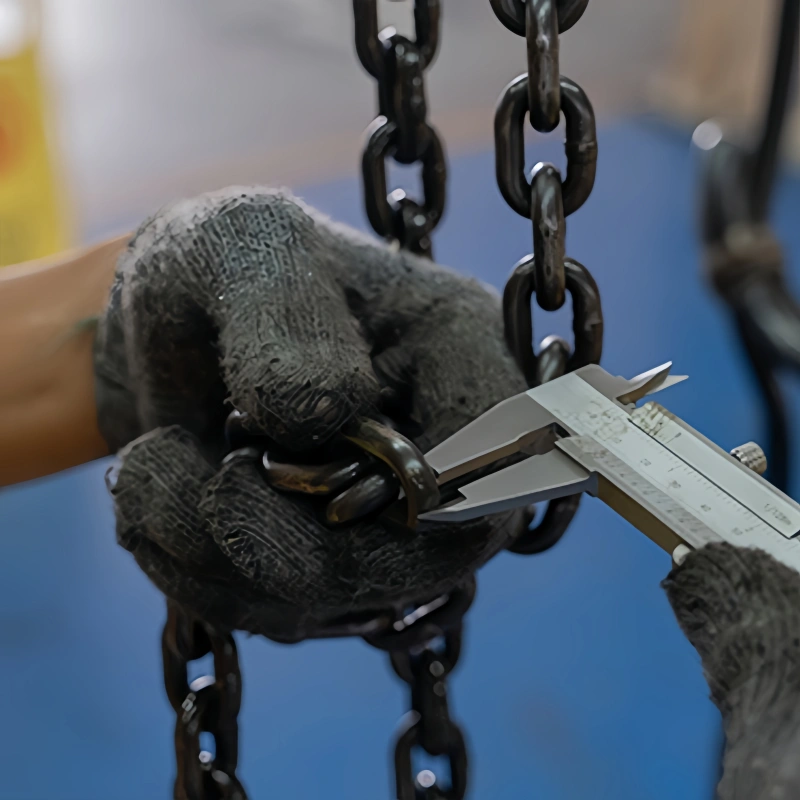
You must inspect your wire rope regularly to avoid accidents. Look for broken wires, diameter reduction, corrosion, and kinking.
Inspection Criteria | Acceptable Condition | Marginal Condition | Replacement Required |
|---|---|---|---|
Broken wires (per lay) | 0-2 wires | 3-5 wires | 6+ wires |
Diameter reduction | 0-3% | 3-5% | 5%+ (multi-layer) |
Corrosion extent | Surface oxidation | Light pitting | Deep pitting |
Kinking/birdcaging | None visible | Minor distortion | Any permanent deformation |
You should replace the wire rope if you see deep pitting, permanent deformation, or too many broken wires. Regular inspection of terminations also prevents failures.
Construction and Security
You need strong and flexible wire rope for construction and security. Powerful Machinery provides several types for these jobs. Use 1×19 wire rope for straight runs, such as barriers or fences. Choose 7×7 or 7×19 for rigging, towing, or when you need more flexibility.
Galvanized and stainless steel options resist rust and last longer outdoors.
Wire Rope Type | Material | Best Use | Flexibility |
|---|---|---|---|
1×19 | Galvanized/Stainless Steel | Straight applications | Low |
7×7 | Galvanized/Stainless Steel | Rigging, towing | Moderate |
7×19 | Galvanized/Stainless Steel | Heavy applications, sheaves | High |
Always follow safety standards. Select the correct wire rope type, calculate the maximum force, and use proper lubrication. This keeps your project safe and extends the life of your wire rope.
Safety and Maintenance
Inspection Tips
You must inspect your wire rope regularly to keep your equipment safe and reliable. Visual inspections before and after each operation help you spot problems early. You should look for broken wires, corrosion, and signs of wear.
If you use wire rope in heavy-duty applications, follow your maintenance plan and consider the environment and standards that apply. You can prevent accidents by checking for kinks, bird-caging, and diameter reduction. If you see deep pitting or too many broken wires, replace the rope right away.
Tip: Always inspect wire rope terminations and connections. Small issues at the ends can lead to bigger failures during lifting or hoisting.
A good inspection routine keeps your wire rope strong and safe. You protect your team and your equipment by catching problems early.
Handling Guidelines
You need to handle wire rope with care to avoid damage and extend its lifespan. Powerful Machinery recommends several best practices:
Ensure you use quality wire rope slings, hardware, and assemblies for every job.
Store wire rope in a clean, dry, and well-ventilated area to prevent corrosion.
Wear protective gloves when handling wire rope to avoid injury from sharp ends.
Respect the manufacturer’s load limits to prevent overstressing the rope.
Inspect the wire rope regularly to identify wear and tear.
Follow correct installation and rigging techniques as described by the manufacturer.
Clean and lubricate the wire rope often to maintain safety and performance.
Common causes of wire rope failure include abrasion, corrosion, fatigue, and tension overload. You can reduce these risks by:
Preventing abrasion with proper alignment and avoiding contact with rough surfaces.
Cleaning and lubricating the wire rope to stop corrosion and pitting.
Avoid repetitive bending over small sheaves to reduce fatigue.
Never exceed the recommended load to prevent tension failure.
Maintenance Practice | Description |
|---|---|
Application-specific ropes | Choose ropes designed for specific tasks to prevent premature wear. |
Correct installation practices | Ensure proper installation to avoid internal stress and uneven wear. |
Regular lubrication and cleaning | Clean ropes before lubrication to prevent surface damage and use penetrating lubricants. |
Avoid mechanical damage | Prevent mishandling that can lead to kinks, bird-caging, or shock loading. |
Scheduled inspections and monitoring | Conduct routine checks for broken wires, corrosion, and wear to forecast replacement needs. |
Proper storage and handling | Store ropes in dry, ventilated areas and protect them from chemicals and sunlight. |
Replacement criteria | Recognize signs of wear, such as excessive broken wires or core failure, to ensure safety. |
🛠️ Note: Training your team on proper handling and maintenance keeps your wire rope strong and safe for every operation.
Conclusion
You see carbon steel wire rope as the strongest choice for heavy-duty jobs. The table below highlights its key features:
Attribute | Description |
|---|---|
Material | Carbon Steel |
Tensile Strength | High |
Wear Resistance | Excellent |
Durability | High, with extended service life |
Corrosion Resistance | Enhanced with coatings |
Powerful Machinery’s steel wire rope stands out for durability and safety in demanding environments. You should monitor for abrasion, store ropes in dry areas, and inspect them regularly. These steps help you maintain strength and reliability for every project.
FAQ
What makes steel wire rope stronger than other types?
You get higher strength from steel wire rope because it uses high-tensile steel wires. The rope’s construction and compacted strands boost its load capacity. This design helps you handle heavy-duty lifting and tough industrial jobs.
How do you choose the right wire rope diameter?
You should match the wire rope diameter to your load requirements. Larger diameters support heavier weights. Always check the manufacturer’s specifications before you select a rope for your project.
Why is a non-rotating wire rope important for lifting?
A non-rotating wire rope keeps your load stable. It prevents twisting and kinking during lifting. You reduce the risk of accidents and protect your equipment when you use this type of rope.
How often should you inspect your wire rope?
You should inspect your wire rope before each use and after heavy operations. Regular checks help you spot wear, broken wires, or corrosion early. This keeps your work safe and extends the rope’s life.
Tip: Keep a simple inspection log. Record the date, findings, and any actions taken. This helps you track rope condition over time.