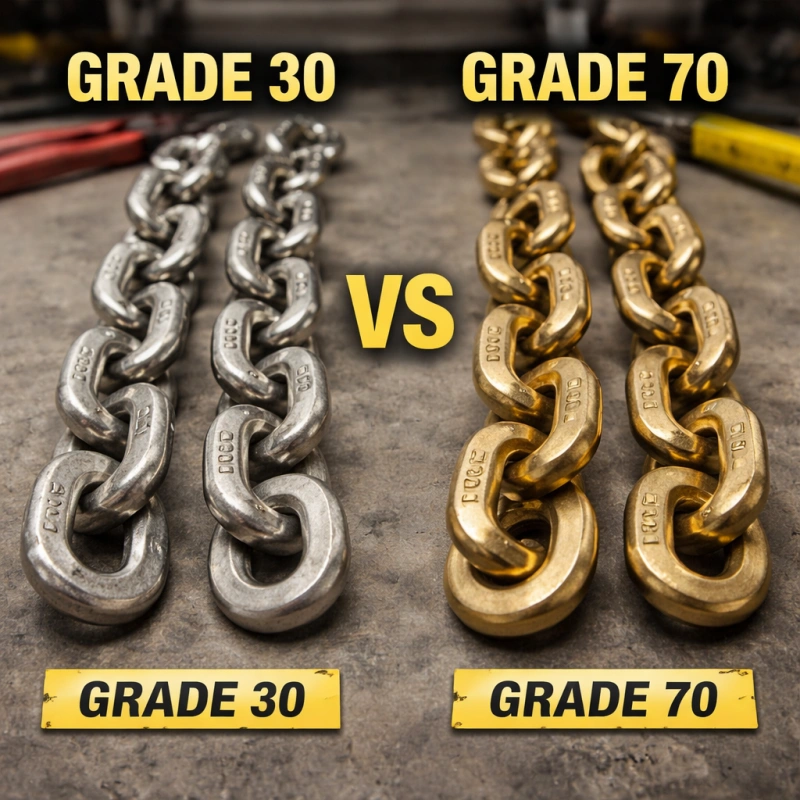
You need to understand the difference between Working Load Limit vs Breaking Strength when choosing recovery gear. The working load limit shows the safe weight you can lift with recovery gear over time. Breaking strength reveals the maximum force before the gear fails.
The safety factor connects these values, keeping you and your team safe during every lift. Refer to the table below for industry definitions:
Term | Definition |
|---|---|
Breaking Strength (MBS) | The force at which a product fails or the minimum force a product must withstand without failing. |
Working Load Limit (WLL) | The force a product is rated to withstand routinely for extended periods without fatiguing. |
Safety Factor (SF) | The ratio of breaking strength to working load limit indicates how much stronger the product is than its WLL. |
You protect lives and equipment by respecting these limits. Always choose certified recovery gear from trusted brands like Powerful Machinery.
Key Takeaways
Understand the difference between Working Load Limit (WLL) and Breaking Strength (MBS). WLL indicates safe lifting capacity, while MBS shows the maximum force before failure.
Always operate within the WLL to ensure safety. Exceeding this limit can lead to equipment failure and serious injuries.
Use the formula WLL = Breaking Strength / Safety Factor to calculate the safe lifting capacity. This helps you choose the right gear for your needs.
Regularly inspect and maintain your lifting equipment. This practice helps catch wear and damage early, ensuring safe operation.
Choose certified products from trusted brands like Powerful Machinery. These products meet safety standards and provide clear WLL and MBS markings.
Working Load vs Breaking Strength
Understanding Working Load Limit (WLL)

You must understand the working load limit when selecting lifting equipment or rigging gear. The working load limit refers to the maximum load that a lifting or rigging component can safely handle during regular use.
Major safety organizations such as OSHA and ASME define working load limit as the highest weight you can routinely lift without risking fatigue or failure. Manufacturers express the working load limit in pounds or kilograms.
You will see this rating clearly marked on certified products from Powerful Machinery, including Grade 80 and G100 lifting chains, wire rope, and master links.
When you compare working load limit vs breaking strength, you notice that the working load limit always sits well below the breaking strength. This difference exists to protect you and your team during lifting operations.
For example, a Powerful Machinery G100 chain may have a breaking strength of 40,000 lbs, but the working load limit will be set at 10,000 lbs. This ensures you never approach the point of material failure during routine use.
Tip: Always check the working load limit before using any lifting equipment or rigging gear. Never exceed the WLL, even for a short lift.
Breaking Strength Explained
Breaking strength describes the maximum force a material or component can withstand before it completely fractures and fails. In engineering and safety standards, breaking strength marks the point of total failure. You must never use gear at or near its breaking strength.
Manufacturers determine breaking strength through tensile tests, where they pull the material until it snaps. For example, Powerful Machinery tests wire rope and lifting chains using industry-standard strip methods to measure the highest force each product can handle.
You will find breaking strength listed on technical datasheets for lifting equipment and rigging gear. This value helps you understand the absolute limits of your gear. However, you should always focus on the working load limit vs breaking strength when making decisions about load securement and lifting safety.
The breaking load is a critical figure, but it does not represent a safe operating value.
Product Example | Breaking Strength (lbs) | Working Load Limit (WLL) (lbs) |
|---|---|---|
G100 Lifting Chain | 40,000 | 10,000 |
Wire Rope Sling | 20,000 | 5,000 |
Alloy Steel Shackle | 12,000 | 3,000 |
You must always use the working load limit for load securement and lifting calculations, not the breaking strength.
Safety Factor Overview

The safety factor plays a vital role in determining the working load limit from the breaking strength. The safety factor, also called the factor of safety or design factor, represents the ratio between the breaking strength and the working load limit.
This ratio creates a safety margin that protects you from unexpected stresses, overloads, or material defects.
For example, if a lifting chain has a breaking strength of 40,000 lbs and a working load limit of 10,000 lbs, the safety factor is 4:1. You will find safety factors ranging from 3:1 to 7:1 in different types of lifting equipment and rigging gear.
Powerful Machinery sets safety factors according to international standards, ensuring every product provides a buffer against unforeseen conditions.
Safety factors and load factors are critical in load-bearing equipment across industries.
The safety factor ensures a margin for unexpected loads and helps you select the right gear for your application.
Load factors rely on ultimate tensile strength and maintain a gap between load and capacity.
Large safety factors may affect material selection, while low safety factors can reduce reliability.
You must always respect the safety factor when choosing lifting equipment or rigging gear. Never use gear at or near its breaking strength. Always operate within the working load limit to maintain safety and reliability.
Note: Powerful Machinery products display both the working load limit and breaking strength, making it easy for you to select the right gear for lifting, rigging, and load securement tasks.
You will find that understanding working load limit vs breaking strength, along with the safety factor, helps you make informed decisions. You protect lives, equipment, and property by following these guidelines every time you use lifting equipment or rigging gear.
WLL Calculation & Comparison
How WLL Is Calculated?
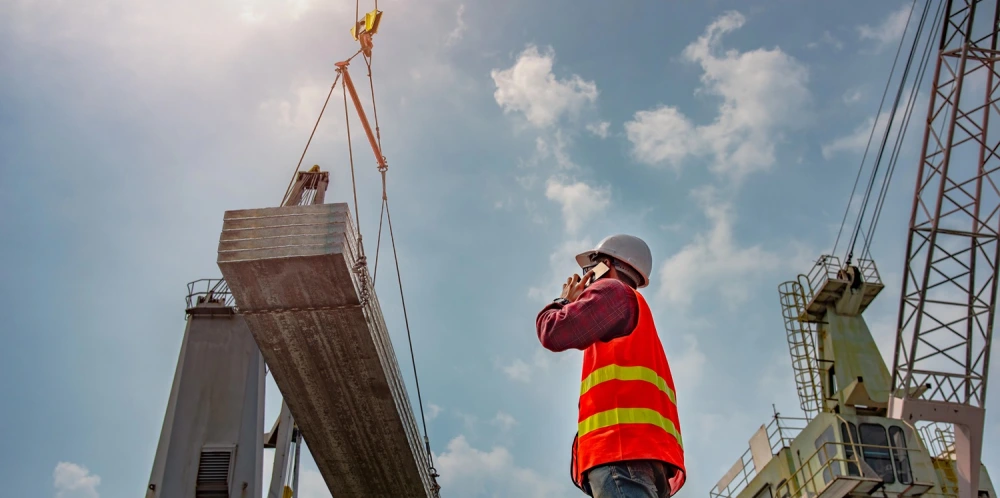
You need to understand how to calculate the wll for any lifting application. The working load limit comes from dividing the breaking strength by a safety factor. This safety factor protects you from unexpected loads and human error.
Most industrial standards use a safety factor of 4:1 or 5:1 for lifting chains, wire ropes, and slings. For example, if a chain has a breaking strength of 10,000 pounds and the safety factor is 5, the working load limit is 2,000 pounds.
Formula | Description |
|---|---|
WLL = Minimum Breaking Load / Safety Factor | Divide the breaking strength by the safety factor to get the working load limit. |
You will see different safety factor ratios depending on the region and type of load-bearing equipment.
Region | Common Safety Factor Ratio |
|---|---|
North America | 5:1 |
Europe | 10:1 or higher (for lifting people) |
Chain Slings | 4:1 |
Always use the working load limit for routine lifting, not the breaking strength.
Comparing WLL and Breaking Strength Values
You must compare the working load limit and breaking strength values before choosing lifting gear. The working load limit is the safe operational value, while the breaking strength marks the point of failure.
For chain slings, the design factor is usually 4:1, meaning the breaking strength is four times the working load limit. Synthetic slings often use a 5:1 ratio, giving you a higher safety margin. Wire rope slings also follow a 5:1 ratio.
Sling Type | Working Load Limit (WLL) | Breaking Strength | Design Factor |
|---|---|---|---|
Wire Rope | 10,000 lb | ~50,000 lb | 5:1 |
Chain | 10,000 lb | ~40,000 lb | 4:1 |
Synthetic Slings | Varies | Varies | 5:1 |
Wire rope offers strength for its weight but has a lower strength-to-weight ratio than alloy chain.
Chain slings provide higher capacities and do not stretch under load.
Synthetic slings are lightweight and protect delicate loads.
Real-World Product Ratings
You should always check certified ratings before using any lifting gear. Powerful Machinery provides clear working load limit and breaking strength values for every product.
For example, Grade 80 chains have a minimum breaking strength of 8,000 lbs and a working load limit of 2,000 lbs. Grade 100 chains offer a breaking strength of 10,000 lbs and a working load limit of 2,500 lbs.
Chain Grade | Minimum Breaking Strength | Working Load Limit (WLL) |
|---|---|---|
Grade 80 | 8,000 lbs | 2,000 lbs |
Grade 100 | 10,000 lbs | 2,500 lbs |
You must never exceed the working load limit, even if the breaking strength seems high. The working load limit includes a safety buffer for unpredictable forces and human error.
Exceeding the working load limit can cause equipment failure and serious injury. Always select lifting gear with certified ratings from trusted industrial brands like Powerful Machinery.
Safety & Standards for Load-Bearing Equipment
Safety Implications of WLL and Breaking Strength
You must respect the wll and breaking strength guidelines every time you use load-bearing equipment. Ignoring these limits can cause catastrophic failures and serious injuries. Overloading lifting and rigging gear erodes the safety margin built into every product.
The effective capacity of load-bearing equipment changes with hitch type, angle, and environmental conditions. Real-world rigging often deviates from ideal scenarios. Side loading or angular loading can reduce strength by up to 50 percent. Kinks or knots in wire rope can decrease breaking strength by over 40 percent.
Improper terminations may lead to sudden failures. Heat and chemical exposure also compromise equipment integrity. The safety factor accounts for these unpredictable variables. You must always operate within the safe working load limit rating to ensure safe operation and protect lives.
Safety incidents with load-bearing equipment often result from a misunderstanding of WLL and breaking strength. Misuse leads to overloading, which increases the risk of equipment failure and accidents.
The WLL is calculated by dividing the breaking strength by a design factor, which helps you avoid unpredictable forces and human error.
Ignoring WLL and breaking strength can:
Cause catastrophic equipment failure
Result in serious injuries
Damage cargo control products and property
Regulatory Compliance and Marking
You must follow strict standards and legal compliance when using load-bearing equipment. Regulatory bodies like OSHA, ASME, and DOT require clear marking of the safe working load on all lifting and rigging gear. The safe working load must be marked at the heels of all booms, including the date of the test.
All blocks used in hoisting or lowering must display the safe working load limit rating. Maximum safe working loads for different boom angles must be posted near the controls.
These standards ensure you can quickly verify the WLL and breaking strength before every lift. Compliance with these regulations protects you and your team and helps you avoid costly fines or legal issues.
Regulatory Body | Requirement |
|---|---|
OSHA | Safe working load marked on booms and blocks |
ASME | Safe working load posted near controls |
DOT | Marking for cargo control products |
Powerful Machinery Certifications
You gain peace of mind when you choose Powerful Machinery for your lifting and rigging needs. Powerful Machinery meets or exceeds international standards for safety and compliance.
The company holds certifications from ISO9001, ISO14001, TUV Rheinland, EURO CERT, EAC, Geprüfte Sicherheit, OSHA, ASTM, China Classification Society, and Korean Register. Every product, from wire rope to cargo control products, displays the safe working load limit rating and breaking strength.
Powerful Machinery’s commitment to safety ensures you receive load-bearing equipment that performs reliably in the toughest environments. You can trust Powerful Machinery to deliver certified lifting and rigging solutions that meet global standards for safe operation and legal compliance.
Always select load-bearing equipment with clear WLL and breaking strength markings. Certified products from Powerful Machinery help you maintain safety and compliance in every application.
Equipment Selection & Maintenance
Choosing Load-Bearing Equipment
You must select the right equipment for each lifting or rigging job. Start by identifying the load type and weight. Each component must have a WLL that matches or exceeds the maximum load capacity. Consider the environment where you will use the equipment.
Corrosive conditions or extreme temperatures require specialized materials. Evaluate the lifting angle, as it affects the stress on chains, wire ropes, and slings. Always match the rigging equipment’s capacity to the job requirements.
Powerful Machinery offers a wide range of certified products, including Grade 80 and Grade 100 chains, wire rope slings, and alloy steel shackles. These products help you meet WLL standards and ensure safe operation.
Load type and weight
Environment (temperature, corrosion)
Lifting angle
Match equipment capacity to job requirements
Inspection and Maintenance Best Practices
You must inspect equipment regularly to maintain safety and compliance. Daily checks help you spot visible damage or wear. Schedule thorough weekly or monthly inspections for heavy machinery and production equipment.
Annual preventive maintenance inspections ensure long-term reliability. Use the following table to guide your inspection intervals:
Equipment Type | Recommended Inspection Frequency |
|---|---|
Heavy machinery and production | Daily operator checks, weekly/monthly inspections, annual preventive maintenance |
Vehicles and mobile equipment | Daily pre-trip inspections, monthly maintenance, and annual certified inspections |
Electrical systems and equipment | Annual formal inspections, monthly testing for emergency generators |
Facility and safety systems | Monthly walkthroughs, quarterly elevator inspections, and annual inspections for pressure vessels |
Address common maintenance issues to prevent failures. Lubricate moving parts, prevent contamination, and check for misalignment. Avoid overloading by respecting WLL and load capacity.
Store equipment properly to prevent corrosion. Train operators in inspection and maintenance procedures. Use diagnostic tools to monitor equipment health.
Documentation and Record-Keeping
You must keep detailed records of all inspections, maintenance activities, and certifications. Proper documentation supports safety audits and regulatory compliance. The Occupational Health and Safety Act requires you to maintain compliance records for all load-bearing equipment.
These records provide critical information during legal or regulatory actions. Document every inspection, maintenance task, and certification for each piece of equipment. Organized records help you track WLL ratings, maintenance schedules, and ensure safe operation.
Conclusion
You need to recognize the clear differences between the working load limit and breaking strength when selecting load-bearing equipment. The table below highlights these distinctions:
Aspect | Breaking Strength | Working Load Limit (WLL) |
|---|---|---|
Definition | Maximum force before failure | Maximum weight safely handled |
Calculation | Determined by tensile testing | Calculated as breaking strength divided by safety factor |
Safety Margin | No margin for error | Includes safety margin for unexpected stress |
Purpose | Confirms product can hold cargo | Ensures safety during use |
Requirement | Not always labeled | Must be visible and legible |
You improve safety by respecting the safety factor and following regulatory compliance. You protect your team and equipment by choosing certified products from Powerful Machinery. You should follow these safety tips for every project:
Conduct regular inspections to catch wear or damage early.
Maintain meticulous records of all safety checks and repairs.
Test safety devices and verify their function under real conditions.
Use preventive maintenance schedules to reduce hazards.
Follow manufacturer guidelines for safety and reliability.
You create a safer work environment by prioritizing safety in every step, from selection to maintenance.
FAQ
What is the difference between the working load limit and the breaking strength?
You use the working load limit for safe, routine lifting. Breaking strength shows the maximum force before failure. Always operate within the working load limit to protect yourself and your equipment.
How do you calculate the working load limit?
You divide the breaking strength by the safety factor. For example, if a chain has a breaking strength of 10,000 lbs and a safety factor of 5, the working load limit is 2,000 lbs.
Tip: Always check product labels for certified ratings before use.
Why should you never exceed the working load limit?
You risk sudden equipment failure and serious injury if you exceed the working load limit. The safety factor provides a buffer for unexpected stresses. Always stay within the rated limit for every lift.
How do Powerful Machinery products meet safety standards?
You benefit from Powerful Machinery’s international certifications, including ISO9001, TUV Rheinland, and OSHA. Every product displays clear working load limit and breaking strength markings for easy verification.
Certification | Standard Met |
|---|---|
ISO9001 | Quality Management |
TUV Rheinland | Safety Compliance |
OSHA | Workplace Safety |
Can you use breaking strength for load calculations?
You should never use breaking strength for routine load calculations. Always use the working load limit. Breaking strength only indicates the point of failure, not a safe operating value.