
Round Slings
Powerful Machinery round slings use high strength polyester yarn with a tough outer cover, giving you flexible lifting and strong load protection. We produce round slings in our own factory under EN 1492-2 with strict quality control. Get a fast quote on slings and tie downs from Powerful Machinery today.

We manufacture round slings to EN and ASME standards with strict testing, so you get consistent quality and safe lifting performance every time.
We keep round slings production stable with ready stock, so you get fast delivery and dependable supply for bulk and urgent orders.
You get round slings direct from our factory at competitive prices, helping you reduce costs while maintaining high performance.
We offer OEM round slings with custom sizes, colors, labels, and packaging, making it easy to match your brand and project needs.
Powerful Machinery - Your Relaible Round Sling Manufacturer
We supply work provide dependable round slings for industry leaders.




SYNTHETIC ROUND SLING
Our synthetic round slings support lifting and rigging operations across diverse applications. Our selection includes:
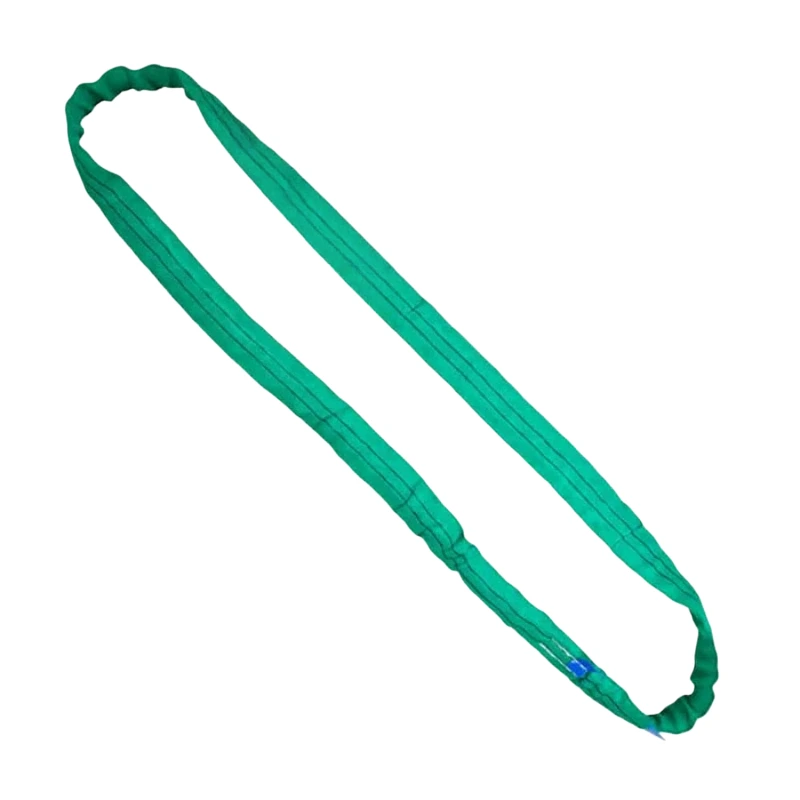
Polyester round slings are the most common lifting slings, offering low stretch for precise control and strong resistance to moisture, UV, and chemicals. They perform well in indoor and outdoor lifting tasks.
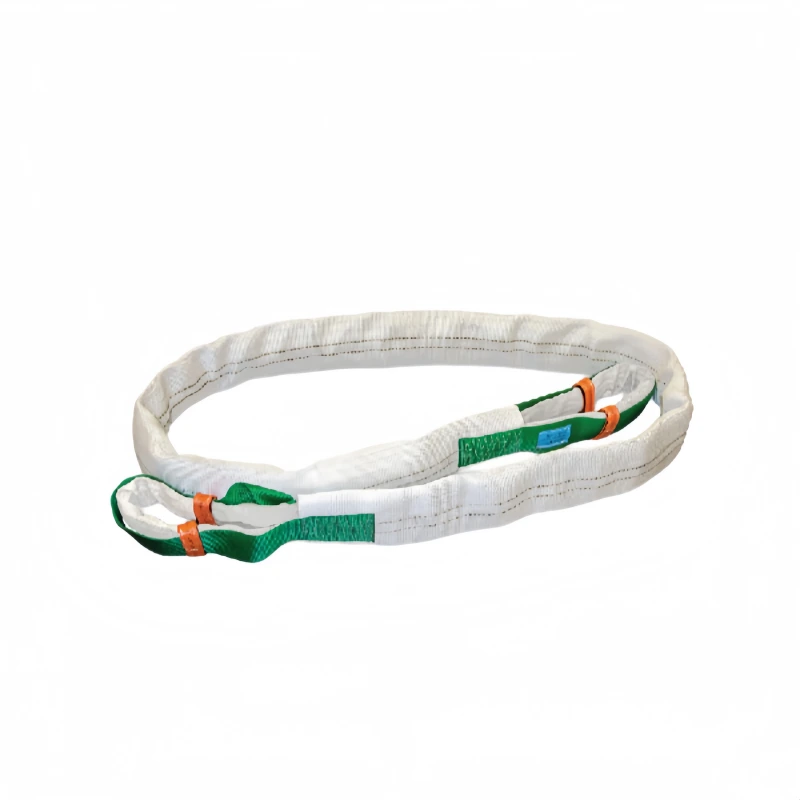
Hmpe Round Slings
HMPE round slings deliver ultra-high strength with very low weight, making lifting easier and more efficient. They offer low stretch, strong cut resistance, and reliable performance in heavy-duty and harsh environments.
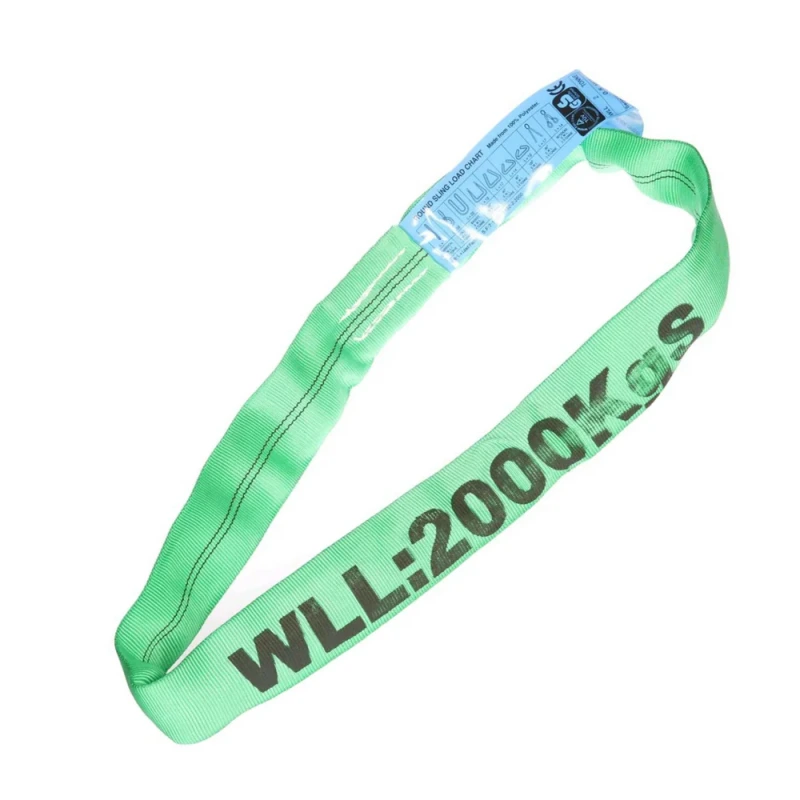
Nylon Round Slings
Nylon round slings provide high strength with excellent elasticity and shock absorption, helping you protect loads during lifting. They adapt well to load shapes and perform reliably in high-impact and controlled lifting tasks.
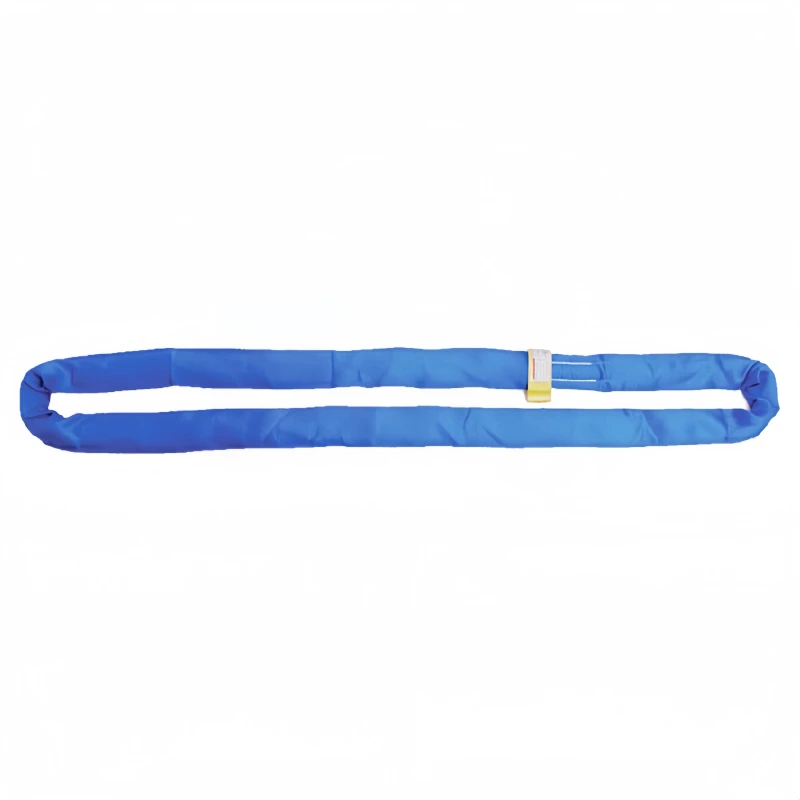
Endless Round Sling
Endless round slings use a continuous loop design that gives you flexible lifting across multiple hitch types. They fit load shapes closely, reduce damage risk, and let you rotate contact points to extend service life.
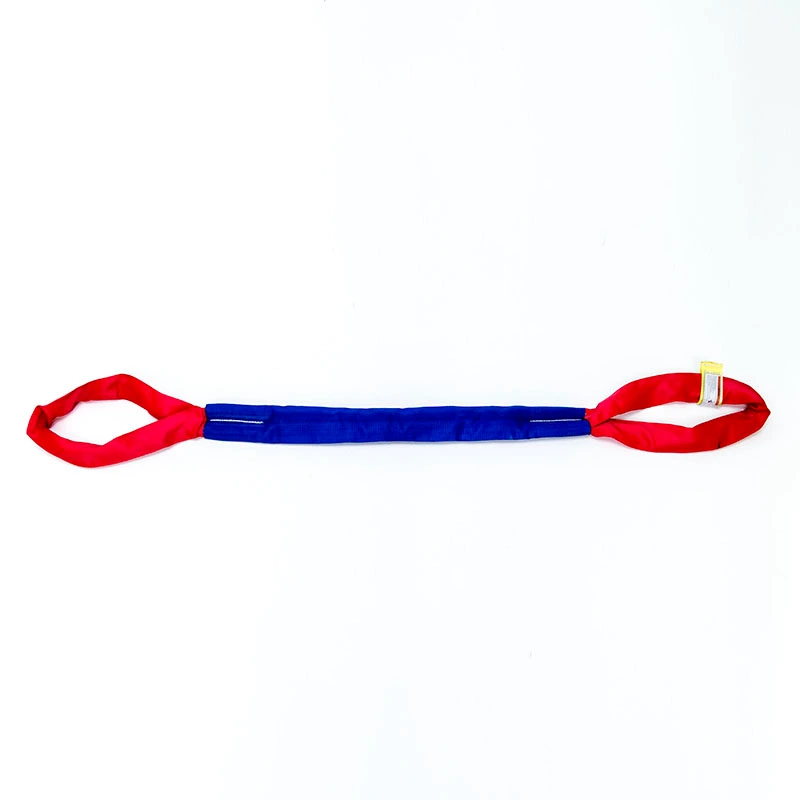
Eye and Eye Round Sling
Eye and eye round slings feature reinforced end loops for quick and secure connection to hooks and shackles. They deliver high strength, flexible handling, and reliable load protection across a wide range of lifting tasks.
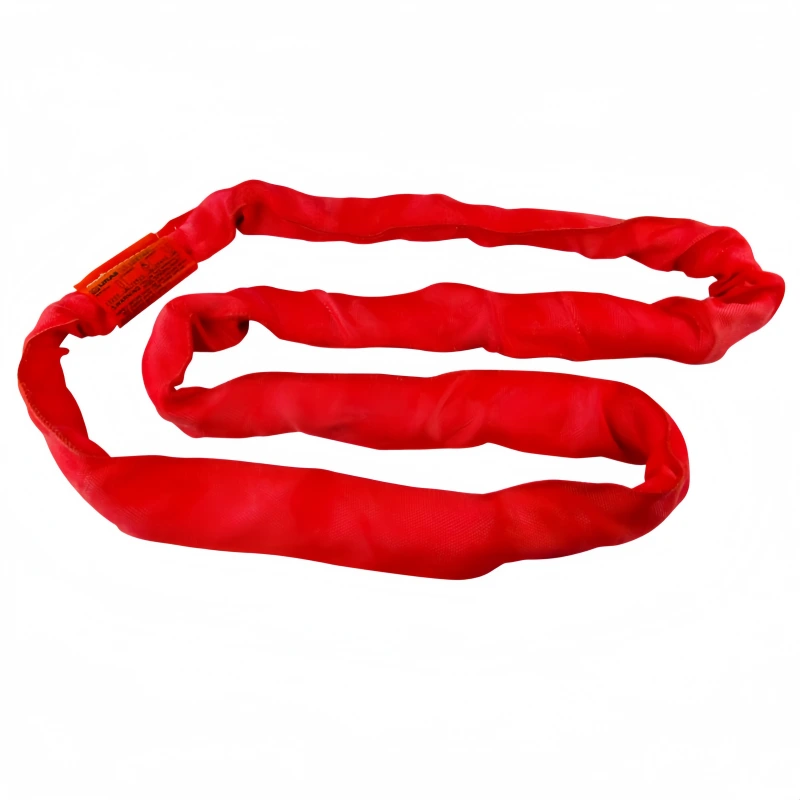
High Performance Round Slings
High performance round slings use advanced fibers such as HMPE to deliver high strength with low weight, making lifting easier and more efficient. They provide low stretch, strong cut resistance, and dependable performance in heavy-duty applications.
NEED HELP WITH YOUR SYNTHETIC ROUND SLINGS ORDER?
Let us help! Reach out today and get recommendations on materials and sizing from our experts.


Guide to Lifting Round Slings
Our guide to round lifting slings helps you understand round sling types, applications, and selection tips so you can choose safe, reliable rigging connections.
What Are Round Slings?
Round slings are flexible lifting slings made from continuous high-strength yarn enclosed in a durable sleeve. The internal fibers carry the load while the outer cover protects against wear. This design allows smooth contact with loads, reduces surface damage, and supports longer service life through rotation during use.
What Are Round Slings Used For?
Round slings support safe and efficient lifting across many industries. Their flexible design makes them suitable for different load types and lifting methods.
Lifting heavy loads in construction projects
Moving cargo in logistics and transport operations
Positioning equipment in industrial environments
Handling irregular or uneven load shapes
Supporting vertical, choker, and basket hitches
Protecting finished or delicate load surfaces
Maintaining stable and controlled lifting performance
Round Sling Capacity
Round slings are high-strength, synthetic (polyester) or wire-core, continuous-loop lifting slings with vertical capacities ranging from 2,600 lbs up to 100,000+ lbs. Capacity depends on hitch type (vertical, choker, or basket), with basket hitches generally providing double the vertical capacity. They are commonly color-coded for quick identification of their rated working load limit (WLL).
Typical Polyester Round Sling Capacities
-Purple: ~2,600 – 3,000 lbs
-Green: ~5,300 – 6,000 lbs
-Yellow: ~8,400 – 10,000 lbs
-Red: ~13,200 – 15,000 lbs
-White: ~16,800 – 20,000 lbs
-Blue: ~21,200 – 25,000 lbs
-Grey/Orange: ~30,000+ lbs
-Black: Up to 90,000+ lbs
- Hitch Types: Vertical (100%), Choker (~80%), and Basket (~200%).
- Angles: Lifting at angles reduces capacity (e.g., vs ).
- Stretch: Standard polyester has about 3% stretch at capacity, while specialized SteelFlex (wire core) has only 1%.
- Inspection: Always check for damage; the cover protects the load-bearing core yarn.
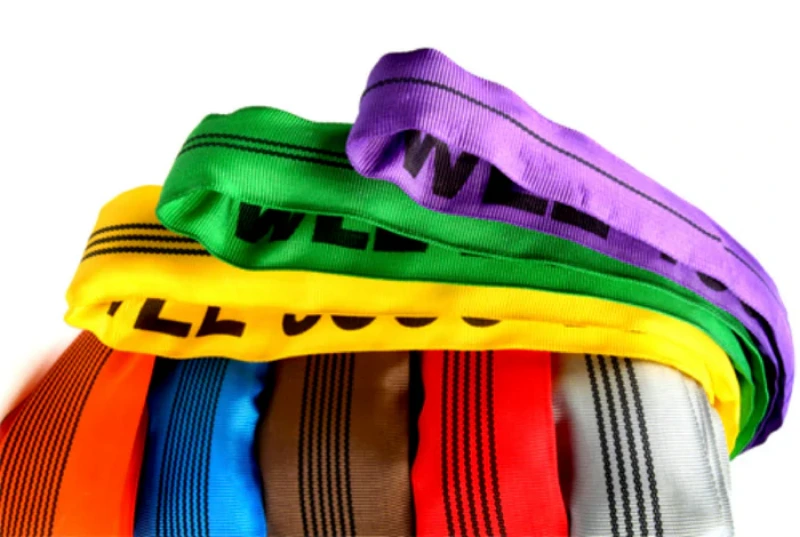
Round Sling Color Code
Round sling color code helps identify the working load limit (WLL) quickly based on standard color systems. Colors give a fast visual guide, while the label shows exact specifications.
Common round sling color codes (EN standard):
Violet → 1 ton capacity
Green → 2 ton capacity
Yellow → 3 ton capacity
Grey → 4 ton capacity
Red → 5 ton capacity
Brown → 6 ton capacity
Blue → 8 ton capacity
Orange → 10 ton capacity
Important points about color coding:
Color shows a quick capacity reference
Always check the tag for exact WLL
Standards may vary by region
Faded colors should not be relied on
Markings and labels remain the final authority
Round Sling Safety Factor
Round sling safety factor defines the ratio between breaking strength and working load limit (WLL). It shows how much reserve strength the sling has beyond its rated capacity.
Common safety factors for round slings:
5:1 → general industrial use
6:1 → higher safety requirements
7:1 → heavy-duty or critical lifting
Key points about safety factor:
It provides a safety margin, not extra capacity
The sling must always operate within WLL
Higher safety factors offer more reliability
Standards and regions may require specific ratios
Proper use and inspection still determine safety
How Are Round Slings Measured?
Round slings are measured by effective working length (EWL), which is the straight length between two bearing points when the sling is laid flat. This measurement ensures proper fit for lifting height and hook distance.
Key points for measuring round slings:
Measure from bearing point to bearing point
Lay the sling flat without twists
Do not use the full circumference as length
Select length based on lifting height and angle
Ensure proper fit for safe load handling
How to Use a Round Sling?
Using round slings correctly ensures safe lifting, protects loads, and extends sling service life. Proper setup and handling make a big difference in performance and safety.
Steps to use a round sling safely:
Check the sling tag for WLL and specifications
Inspect the sling for cuts, abrasion, or damage
Choose the right hitch type (vertical, choker, basket)
Position the sling evenly under or around the load
Use edge protection for sharp or rough surfaces
Keep the sling straight without twists or knots
Lift slowly and maintain balanced load control
Avoid shock loading or sudden movements
Round Sling Inspection
Round sling inspection checks the condition of the sling before and during use to ensure safe lifting. Regular inspection helps detect damage early and prevents failure during operation.
Key points for round sling inspection:
Check the outer cover for cuts, abrasion, or wear
Look for heat damage, burns, or melted areas
Identify any chemical exposure or discoloration
Remove the sling if core yarn becomes visible
Ensure the tag and WLL label remain readable
Inspect for deformation, stiffness, or unusual shape
Keep records for periodic inspections
Round Sling vs Flat Sling: Which is Better for You?
Round slings and flat slings both handle lifting tasks, but their structure and performance differ in flexibility, durability, and application. Choosing the right type depends on load shape and lifting conditions.
Key differences:
Structure
Round sling → internal yarn core with sleeve
Flat sling → woven flat webbing
Flexibility
Round sling → highly flexible, fits load shapes
Flat sling → less flexible, more rigid form
Load contact
Round sling → softer contact, reduces damage
Flat sling → wider surface contact area
Service life
Round sling → longer life through rotation
Flat sling → fixed wear points
Inspection
Round sling → internal damage harder to see
Flat sling → damage easier to detect
Round Sling vs Web Sling: Which is Better for You?
Round slings and web slings both support lifting tasks, but each fits different needs based on structure, durability, and handling. The right choice depends on load type and working conditions.
Key differences:
Structure
Round sling → internal yarn core with protective sleeve
Web sling → flat woven polyester webbing
Flexibility
Round sling → highly flexible, fits irregular loads
Web sling → flatter shape, less adaptable
Load protection
Round sling → softer contact, reduces surface damage
Web sling → wider contact but less cushioning
Service life
Round sling → longer use through rotation
Web sling → fixed wear points
Inspection
Round sling → internal damage harder to detect
Web sling → surface wear easy to identify
Have More Questions of Round Lifting Slings?
Got more questions about round slings? We’ve got the answers! Whether you’re curious about capacity, safety, or proper usage, we’re here to help. Contact us for expert guidance on choosing and maintaining the right round slings for your lifting needs.