You can safely use round slings by choosing the right type, inspecting them before every lift, and following correct rigging procedures. Many accidents with slings happen because of improper installations, overloading, or using damaged synthetic slings. The table below shows the most common causes:
Common Cause | Explanation |
|---|---|
Improper Installations | Incorrect design or setup of rigging systems by non-experts leads to accidents. |
Overloading | Exceeding the working load limit (WLL) causes sling failures. |
Damaged Synthetic Slings | Environmental damage, such as rips or tears, weakens synthetic slings. |
Stretched or Bent Links | Misjudging chain sling strength results in overloading and failure. |
Powerful Machinery provides certified lifting slings that help you avoid these risks. Trust only high-quality slings to keep every lift safe and efficient.
Key Takeaways
Always inspect round slings before each use. Check for damage, tag readability, and ensure compliance with working load limits.
Choose the right type of round sling based on your lifting needs. Consider materials like polyester for outdoor use and nylon for marine environments.
Use color-coded systems to quickly identify sling capacities. Match the sling color to the load weight to prevent overloading.
Follow proper rigging methods and hitch configurations. Select vertical, choker, or basket hitches based on the load shape and weight.
Prioritize safety by using protective gear for slings. Avoid sharp edges and store slings properly to extend their lifespan.
Choosing the Right Round Sling
Types and Applications
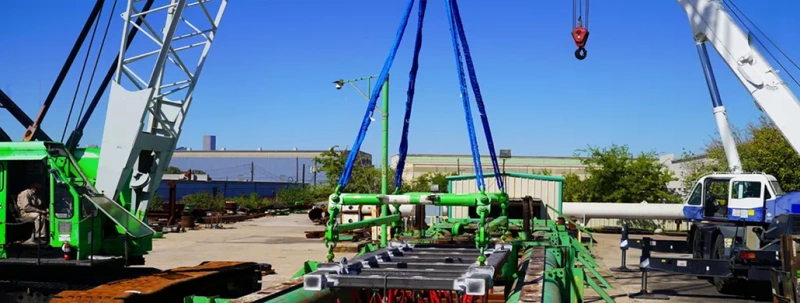
You need to understand round slings before selecting the right one for your lifting slings. Powerful Machinery offers a wide range of slings designed for flexibility and strong load protection. You can choose polyester, nylon, or high-performance fiber slings based on your application.
Polyester slings resist UV and chemicals, making them ideal for outdoor lifting and general manufacturing. Nylon slings absorb shock and moisture, which suits marine environments and dynamic lifts. High-performance fiber slings, such as HMPE or aramid, deliver extreme strength and low stretch for aerospace or offshore oil rigs.
Type of Round Sling | Key Properties | Best Applications |
|---|---|---|
Polyester | UV-resistant, low-stretch | Outdoor lifting, manufacturing |
Nylon | High elasticity, moisture-resistant | Marine, moving machinery |
High-Performance Fibers | Ultra-strong, cut-resistant | Aerospace, offshore, precision lifts |
You gain flexibility and surface protection with round slings from Powerful Machinery. These slings handle irregular loads and fragile surfaces, preventing edge damage and maintaining painted finishes.
Color Coding and Capacity

Choosing round slings for overhead crane operations requires quick identification of load capacity. Powerful Machinery uses a color-coded system for all lifting slings. Each color represents a specific rated capacity, helping you avoid overloading and ensuring safe lifts.
Sling Color | Rated Capacity | Typical Use Case |
|---|---|---|
Purple | Up to 1 ton | Light-duty tasks |
Green | Up to 2 tons | Medium equipment |
Yellow | Up to 3 tons | Construction materials |
Red | Up to 4 tons | Heavy machinery |
Blue | Up to 5 tons | Large components |
Black | 6+ tons | Specialized heavy lifting |
You must always check the manufacturer’s tag for color-coded capacities and match the working load limit to your load weight.
Certification and Standards
You ensure safety and reliability by selecting slings that comply with international standards. Powerful Machinery manufactures lifting slings under EN 1492-2 and ISO 4878, guaranteeing strict safety and quality requirements.
Compliance means each sling undergoes rigorous testing, labeling, and inspection. You benefit from consistent performance and peace of mind during every lift.
Tip: Always verify the supplier’s reputation and warranty before purchasing lifting slings. Powerful Machinery stands out for certified products and reliable service.
How to Use a Round Sling?
Pre-Use Inspection
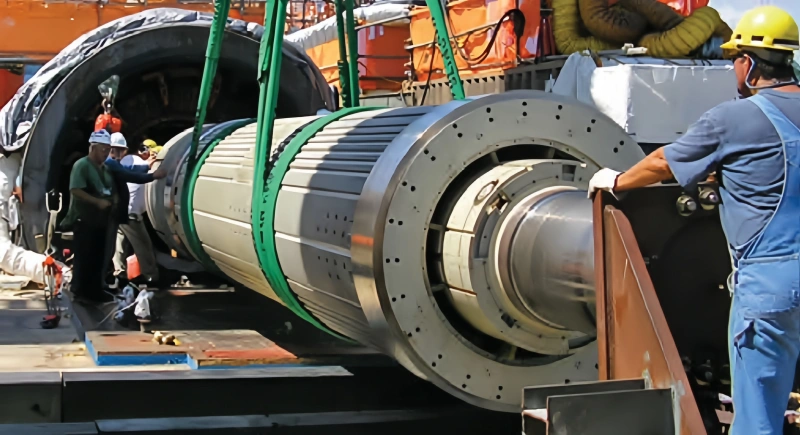
You must inspect the sling before every lift to guarantee safety and performance. A thorough pre-use inspection prevents accidents and extends the life of your slings. Powerful Machinery recommends following a round sling inspection checklist before each operation. Use the table below to guide your inspection:
Step | Inspection Focus | What to Check / Actions |
|---|---|---|
1. Verify Identification Tag | Tag readability and information | Ensure the tag is readable, includes the manufacturer’s name, WLL (Working Load Limit), material, and length. If the tag is missing or illegible, remove the sling from service. |
2. Examine the Outer Cover | Outer jacket condition | Look for cuts, abrasions, punctures, or melted areas. Exposed fibers mean the sling must be discarded. |
3. Inspect for Heat or Chemical Damage | Signs of heat or chemical attack | Check for hard, glossy, or discolored areas. Any contact with acids, alkalis, or solvents may weaken the polyester fibers. |
4. Look for Deformation or Knotting | Shape and structure | Inspect for knots, twists, flattened, or distorted sections. These reduce load capacity. |
5. Review Stitching and End Fittings | Reinforced eyes, fittings, and stitching | Check for broken stitches, corrosion, or deformation. Damaged fittings cause premature sling failure. |
Common defects you may find during pre-use inspection include:
Missing or illegible sling identification
Acid or caustic burns
Melting or charring of any part of the surface
Snags, punctures, tears, cuts, or abrasive wear exposing core yarns
Broken or worn stitches exposing core yarns
Wear or elongation exceeding manufacturer recommendations
Stretched, cracked, worn, pitted, or distorted fittings
Knots in any part
If you notice any of these issues, remove the sling from service immediately. Powerful Machinery manufactures slings under EN 1492-2 standards, ensuring every product meets strict inspection requirements.
Rigging Methods
You must load the sling properly to prevent accidents and maximize efficiency. Correct lifting techniques start with selecting the right hitch configuration for your load. Powerful Machinery provides a step-by-step guide for rigging slings:
Inspect the sling for visible damage.
Assess the load’s shape, weight, and fragility.
Select the right hitch configuration: vertical, choker, or basket.
Position the sling to avoid sharp edges and distribute weight evenly.
Attach fittings securely and check for proper alignment.
Lift slowly and monitor the sling for any signs of stress or deformation.
Always follow manufacturer guidelines and safety factors. Powerful Machinery’s slings comply with EN 1492-2 and other international standards, giving you confidence in every lift.
Note: The relationship between sling angle and tension is crucial. As the angle decreases from vertical, tension on each sling leg increases, reducing the safe working capacity. Maintain sling angles above 30° from horizontal to prevent overload and potential failure.
Vertical, Choke, and Basket Hitches
You must understand the differences between hitch types to ensure safe lifting. Each method affects the load capacity and stability of your slings.
Hitch Type | Description | Capacity Considerations |
|---|---|---|
Vertical | Single leg to load in a straight lift. Full rated capacity can be used. | The load should not rotate to avoid damage. |
Choke | Reduces rated capacity compared to vertical. | Capacity must be reduced at angles less than 120 degrees. |
Basket | Distributes load between two legs. | Load per leg increases with angle; calculate the actual load based on angle. |
Vertical Hitch: Use for direct lifting. Attach the sling straight to the load. Center the load to prevent tipping.
Basket Hitch: Distribute the load weight across two sling legs. Keep the angle above 60 degrees to avoid slippage.
Choker Hitch: Secure the sling tightly around the load for a firm grip. This method reduces capacity by 20-25%. Ensure the choke angle is at least 120 degrees.
You must always select the right hitch configuration for your specific load. Follow correct lifting techniques and never exceed the working load limit. Powerful Machinery’s slings provide reliable performance for all hitch types, supporting safe and efficient lifting operations.
Safety Precautions and Best Practices
Protecting the Sling
You must prioritize protecting the sling and load to prevent accidents when using round slings. Always avoid sharp edges by using corner protectors, edge sleeves, or soft materials. These accessories shield the sling from abrasion and cutting, especially during heavy machinery lifts.
Position protective materials so they fully cover the sling where it contacts rough surfaces. Distribute the load evenly to prevent pinching and localized stress. For harsh environments, select advanced sleeves like Cordura, Dyneema, or Cortland DXC Wear Protection.
Synthetic armor pads and shackle pin pads offer extra defense against abrasion. Store slings in lockers or rigging boxes, away from sunlight and chemicals. Clean the slings before storage and inspect them for damage. Follow the round sling maintenance tips for industrial safety to extend service life.
Tip: Tag readability is essential for safety. Always check that load limits and inspection dates are clear and readable before executing the lift safely.
Avoiding Overload and Damage
You must follow safety measures to avoid overloading and prevent accidents. Never exceed the rated capacity of your sling. Overloading causes damage, reduces working capacity, and requires immediate removal from service. Inspect slings for signs of wear, such as holes, tears, burns, or broken stitching.
Remove any sling with visible damage or questionable integrity. Annual professional inspections help maintain compliance and enhance workplace safety. Store slings indoors in a clean, dry area, away from extreme temperatures and chemicals.
Coil slings loosely or hang them on wide hooks to avoid kinks. Use protective storage bags to prevent deterioration.
Safety tips for using round slings: Keep slings off the ground, avoid exposure to moisture, and never store under heavy objects.
Training and Common Mistakes
Proper training on how to use round slings is vital for safety. All users must receive training in sling selection, inspection, and rigging practices. OSHA and ASME B30.9 require a qualified person with recognized training and experience. Investing in training programs enhances workplace safety and helps you handle loads more efficiently.
Be aware of your surroundings during lifting operations. Common mistakes to avoid when learning how to use a round sling include neglecting WLL compliance, using slings outside their temperature range, and improper sling angles.
Always request compliance documents, confirm material suitability, and customize sling designs for specific tasks. Seek professional guidance to prevent accidents and improve best practices.
Note: Powerful Machinery ensures safety and reliability by rigorously testing every product and meeting international standards. Clear labels and documentation support safe use and maintenance.
Conclusion
You ensure safe round sling use by following these essential steps:
Complete training before handling any sling.
Inspect slings for damage and tag readability before each lift.
Select the right sling for your load and environment.
Protect slings from sharp edges and avoid overloading.
Follow all manufacturer and industry guidelines.
Choosing certified slings from Powerful Machinery—tested to ISO9001, ASME B30.9, and CE standards—reduces risk and supports compliance. Regular inspections, proper storage, and ongoing training help you prevent accidents and extend equipment life.
Prioritize safety and efficiency by always using certified products and best practices.
FAQ
How do you measure a round sling?
You measure a round sling by its effective working length (EWL). This is the straight distance from one bearing point to the other when the sling is laid flat.
What should you do if the sling tag is missing or unreadable?
Remove the sling from service immediately. The identification tag provides critical information about capacity and safety. You must never use a sling without a readable tag.
Can you use round slings outdoors?
Yes, you can use round slings outdoors. Polyester slings from Powerful Machinery resist UV rays and moisture. Always inspect for environmental damage before each use.
How often should you inspect your round sling?
Inspect before every lift.
Perform a detailed inspection at least once a year.
Increase inspection frequency for heavy use or harsh environments.
Are the Powerful Machinery round slings certified?
Standard | Certification |
|---|---|
EN 1492-2 | ✔ |
ISO9001 | ✔ |
ASME B30.9 | ✔ |
You receive full certification and documentation with every Powerful Machinery round sling.