You protect your team and equipment when you make round sling inspection a routine part of your operation. Regular round sling inspection ensures you catch issues before they lead to accidents. Powerful Machinery’s certified round slings deliver reliable lifting power and outperform uncertified options, as shown below:
Aspect | Certified Products | Non-Certified Alternatives |
|---|---|---|
Safety | Meet safety benchmarks | Higher risk of failures |
Efficiency | Reduce downtime and maintenance | Increased operational disruptions |
You achieve safer lifts and fewer delays when you choose certified slings and prioritize polyester round sling maintenance. Consistent care for your polyester round sling supports long-term performance and compliance.
Key Takeaways
Regularly inspect round slings to catch wear and damage early. This practice prevents accidents and ensures safe lifting operations.
Follow established safety standards for inspections. Compliance with regulations like OSHA and ASME helps maintain safety and extends sling service life.
Document all inspections and maintenance activities. Keeping detailed records supports accountability and compliance audits.
Store slings properly in a clean, dry area away from chemicals and sunlight. Proper storage protects slings from damage and prolongs their lifespan.
Invest in training for your team. Proper training enhances skills in sling inspection, care, and safe handling, leading to safer lifting operations.
Why Round Sling Inspection Matters?
Safety and Compliance
You play a vital role in protecting your team and workplace by making round sling inspection a regular practice. Inspections help you spot early signs of wear or damage, which keeps your lifting operations safe. When you follow safety standards, you show your commitment to both safety and compliance.
Powerful Machinery designs round slings to meet strict international safety standards, so you can trust their performance in demanding environments. Regular inspection not only prevents accidents but also helps you meet legal and industry requirements.
Risks of Neglect
Ignoring round sling inspection increases the risk of serious incidents. If you skip inspections, you may miss hidden damage that can cause a sling to fail during a lift. This puts your crew and equipment at risk. Common problems include:
Documentation issues that reduce accountability.
Infrequent inspections increase the chance of equipment failure.
Unqualified personnel are missing critical safety issues.
Neglecting inspection can lead to unnoticed damage, which may result in sudden sling failure. You can avoid these risks by making inspection a routine part of your operation.
Standards and Regulations
You must follow established standards to ensure safe lifting and maintain compliance. International safety standards require regular inspection and maintenance of round slings.
These standards help you identify wear and damage before failure occurs, extend the service life of your slings, and reduce accident risk. Consistent inspection plans also show your commitment to safety.
Standard | Description |
|---|---|
OSHA 1910.184 | Outlines minimum inspection intervals for slings and rigging equipment. |
ASME B30.9 | Specifies requirements for inspection procedures and intervals. |
Powerful Machinery’s round slings meet or exceed these standards, giving you confidence in every lift.
Round Sling Inspection Steps
You must follow a systematic inspection procedure to ensure the safety and reliability of your round slings. Powerful Machinery’s certified round slings require regular inspection to maintain compliance and prevent accidents. You can maximize sling performance and reduce risk by following these steps.
Tag Verification
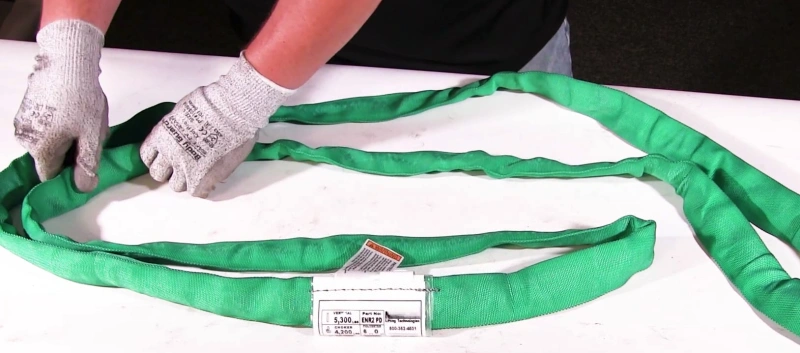
You start every inspection by checking the sling identification tag. The tag must be present and legible. You confirm the rated working load limit, manufacturer, and serial number. Powerful Machinery’s round slings feature durable tags that withstand harsh environments.
If you find a missing or unreadable tag, you remove the sling from service immediately. Tag verification is essential for traceability and compliance.
Tip: Always check the color-coded tag for quick identification of load capacity. This helps you select the right sling for each lift.
Visual Check Before Use
You conduct a visual inspection before every lift. This step helps you spot obvious signs of damage or degradation. You look for the following indicators:
Missing or illegible sling identification
Acid or caustic burns
Melting or charring of any part of the sling
Holes, tears, cuts, or snags
Broken or worn stitching in load-bearing splices
Excessive abrasive wear
Knots in any part of the sling
Discoloration and brittle or stiff areas
Pitted, corroded, cracked, bent, twisted, gouged, or broken fittings
Any other condition that causes doubt about continued use
You remove the sling from service if you notice any of these issues. Powerful Machinery’s polyester round slings resist moisture, UV, and chemicals, but you must still check for signs of degradation. A thorough visual inspection prevents unexpected failures.
Monthly Detailed Inspection
You perform a detailed inspection at least once a month if your slings operate under severe service conditions. You examine the sling’s cover and core yarns for hidden damage. You check for wear, cuts, and chemical effects. You inspect fittings for corrosion or deformation.
You document your findings and remove defective slings.
Service Condition | Inspection Frequency |
|---|---|
Normal Service | Yearly |
Severe Service | Monthly to Quarterly |
Special Service | As recommended by a Qualified Person |
You adjust the inspection frequency based on usage and environment. Powerful Machinery recommends monthly inspections for high-demand applications. You ensure compliance with EN 1492-2 and ASME B30.9 standards.
Annual Professional Review
You schedule a professional examination at least once per year. A competent person conducts this inspection. The inspector reviews the sling’s unique ID, checks for hidden damage, and assesses fittings. You document the results and remove any defective slings.
Annual inspections must meet certification requirements.
Inspections must be conducted by a competent person.
Inspections are required at least once per year, or more frequently based on environmental and usage conditions.
A full examination must be documented, including the sling’s unique ID.
Defective slings must be removed from service and either discarded or reviewed by a qualified technician.
You rely on Powerful Machinery’s certified products for consistent quality and performance. Annual inspections help you maintain compliance and prevent accidents.
Inspection Records
You keep detailed inspection records for every sling. Records must include sling identification, damage inspection, core yarn condition, fitting condition, and compliance standards. You follow ASME B30.9, WSTDA, and RS-1 documentation requirements. Written records support traceability and accountability.
Inspection Criteria | Description |
|---|---|
Sling Identification | Confirm the sling identification label is present and legible. |
Damage Inspection | Inspect for acid or caustic burns, heat damage, holes, tears, cuts, abrasive wear, or snags that expose the core yarns. |
Core Yarn Condition | Examine for broken or damaged core yarns. |
Fitting Condition | Inspect fittings for pitting, corrosion, cracks, bends, twists, gouges, or breaks. |
Compliance Standards | Follow ASME B30.10 and B30.26 criteria for hooks and rigging hardware. |
Note: Inspections must occur at intervals not exceeding one year. Written records are recommended for frequent inspections. Formal certifications must meet documentation standards.
You use inspection records to track sling history and support compliance audits. Powerful Machinery’s round slings simplify recordkeeping with clear identification and certification.
You protect your team and equipment by following these inspection steps. Regular inspection of round slings ensures safe lifting and extends service life.
Discard Criteria for Round Slings
You must know when to remove a round sling from service to protect your team and maintain compliance. Powerful Machinery’s round slings meet EN 1492-2 and other international standards, which outline specific discard criteria. Follow these guidelines to ensure safe lifting operations.
Tag Issues
The identification tag on your round sling provides essential information, including the manufacturer, material, and working load limit. If the tag is missing or unreadable, you cannot verify the sling’s capacity or trace its history. Remove the sling from service immediately if you find:
A missing identification tag
An illegible or damaged tag
Note: Never use a sling without a clear, legible tag. This prevents accidental misuse and supports traceability.
Cover and Fiber Damage
Inspect the outer cover and internal fibers before every use. Any visible damage can compromise the sling’s strength. Remove the sling if you notice:
Criteria for Removal from Service |
|---|
Holes, tears, cuts, or snags exposing core yarns |
Broken or damaged core yarns |
Acid or caustic burns |
Evidence of heat damage, such as melting or charring |
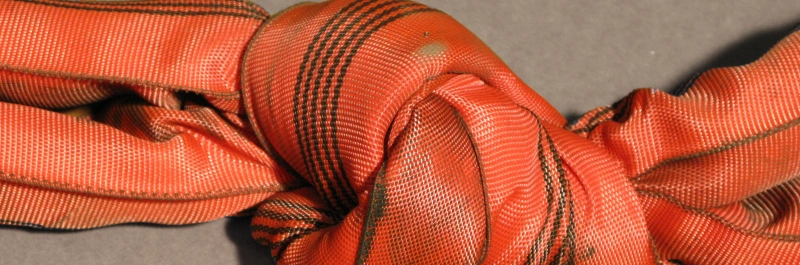
Knots in the sling (except core yarns inside the cover) |
Weld splatter that exposes core yarns |
You must also check for excessive abrasive wear or discoloration. Even minor damage can reduce the sling’s load-bearing capacity.
Chemical and Heat Effects
Corrosive chemicals, such as acids, alkalis, and solvents, can weaken polyester fibers. If you see signs of chemical burns, discoloration, or a crumbly texture, remove the sling from service.
Heat damage, including melting, charring, or weld spatter, also requires immediate removal. Identify chemicals in your work area and avoid exposing yourself to harsh substances.
Deformation and Embedded Objects
You should discard any sling with severe deformation or embedded objects. Look for:
Severe fading or brittleness from UV exposure
Embedded metal fragments or foreign objects
Punctures or snags that expose the core
Deformation or embedded objects can cause unpredictable failure during lifting.
Overload and Accidents
If you suspect a sling has been overloaded or involved in an accident, withdraw it from service right away. Place it in a marked quarantine bin to prevent accidental reuse. Only a competent person should assess whether the sling can return to service.
Fittings and Stitching
Inspect all fittings and stitching for signs of damage. Remove the sling if you find:
Pitted, corroded, cracked, bent, twisted, gouged, or broken fittings
Broken or worn stitching that exposes the core yarn
Alert: Any condition that causes doubt about the sling’s integrity means you must remove it from service.
By following these discard criteria, you ensure every lift meets the highest safety standards and prevents unexpected failures.
Polyester Round Sling Maintenance
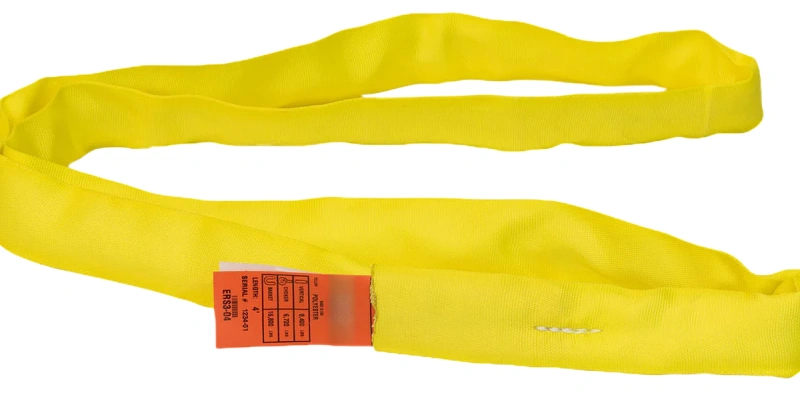
You ensure lifting safety and extend the life of your equipment when you follow a consistent polyester round sling maintenance routine. Powerful Machinery’s round slings deliver reliable performance, but you must care for them properly to maintain their strength and integrity.
You can maximize service life and reduce risk by following these maintenance guidelines.
Cleaning Guidelines
You keep your slings in top condition by cleaning them regularly. Dirt and contaminants can weaken fibers and reduce lifting safety. Use a mild soap and water solution to clean polyester round slings.
Avoid solvents or de-greasing solutions because these chemicals degrade the material and compromise sling integrity. Rinse thoroughly and allow the sling to dry completely before storage. You prevent material degradation and maintain safe lifting operations by using gentle cleaning agents.
Tip: Clean slings after exposure to dust, oil, or chemicals. This supports effective polyester round sling maintenance and prevents buildup that can cause damage.
Storage Best Practices
You protect your slings from environmental damage by storing them correctly. Place polyester round slings in a clean, dry, and well-ventilated area. Keep them away from heat sources, chemicals, and direct sunlight. UV radiation can weaken fibers and reduce lifting safety.
Use a dedicated sling rack to keep slings organized and tangle-free. Avoid storing slings on corrosive surfaces or near exhaust fumes. Regular inspections and proper storage extend the lifespan of your equipment and support sling maintenance.
Note: Store slings in a location where they are not exposed to moisture or extreme temperatures. This helps you maintain their functionality and reliability.
Storage Practice | Benefit |
|---|---|
Clean, dry environment | Prevents mold and fiber decay |
Away from sunlight | Maintains sling integrity |
Sling rack organization | Reduces tangling and damage |
Handling and Transport
You minimize wear and tear by handling and transporting slings with care. Protect round slings from cuts and abrasion using sleeves, pads, or corner protectors approved by the manufacturer. Avoid contact with sharp or abrasive edges unless they meet specific smoothness and radius criteria.
Select proper connection hardware to prevent damage. Do not drag slings on abrasive surfaces, twist, knot, or expose them to damaging chemicals or extreme temperatures. Assess the load to ensure it does not exceed the rated capacity. Choose the right sling and configuration for each lift.
Perform regular inspections to detect damage early and maintain lifting safety.
Protect slings from cuts and abrasion with sleeves or pads.
Avoid sharp edges unless they meet smoothness criteria.
Use proper hardware for connections.
Do not drag, twist, or knot slings.
Keep slings away from chemicals and extreme heat.
Inspect slings before and after transport.
Alert: Improper handling can cause hidden damage and reduce sling performance. Careful handling is a key part of polyester round sling maintenance.
Repair Options
You must know when to repair or replace a sling to maintain lifting safety. Severe cuts, broken yarns, excessive broken wires, heat damage, or weld spatter indicate significant damage. These conditions require immediate replacement. You cannot repair polyester round slings with structural damage.
Only minor surface cleaning or tag replacement is allowed by qualified personnel. Always remove damaged slings from service and consult a certified technician if you have doubts.
Indicator Type | Description |
|---|---|
Severe cuts or broken yarns | Requires replacement |
Excessive broken wires | Structural integrity compromised |
Heat damage or weld spatter | Sling must be removed from service |
Reminder: Never attempt to repair a sling with core damage. Replacement is mandatory for any condition that threatens lifting safety.
You maintain safe operations and extend the life of your equipment by following these polyester round sling maintenance practices. Proper cleaning, storage, handling, and timely replacement support reliable performance and compliance with industry standards.
Training and Support
You strengthen your team and improve every lifting operation when you invest in proper training and support. Powerful Machinery offers a range of resources to help you maintain safe and efficient operation. You gain the skills and confidence needed to protect your equipment and ensure top performance.
Operator Training
You build a strong foundation for safe lifting operations by participating in specialized training programs. These courses help you understand inspection procedures, sling care, and safe handling. You can choose from several options:
Designated Synthetic Sling Inspector Training covers inspection standards, damage identification, and removal criteria.
The Facility Program provides hands-on experience with real-world inspections and storage analysis.
Sling User Training teaches you about sling materials, designs, and environmental factors.
Advanced Rigging Training offers advanced calculations and builds on basic sling knowledge.
The Train-the-Trainer Program prepares you to teach others about proper sling and rigging techniques.
You ensure every operator understands their role in maintaining safety and performance.
Inspection Services
You improve the safety and longevity of your polyester round slings by using professional inspection services. Regular inspections help you spot wear, abrasions, and chemical damage before they affect your lifting operation.
Removing damaged slings from service reduces the risk of failure during a lift. Daily inspections are a best practice that keeps your operation running smoothly and supports consistent performance.
Identify early signs of damage
Remove unsafe slings from use
Maintain compliance with industry standards
Digital Tools and Seminars
You stay ahead in your field by using digital management tools and attending industry seminars. Powerful Machinery provides digital solutions for tracking inspection records and scheduling maintenance. These tools help you organize your lifting operation and ensure nothing gets overlooked.
You can also join seminars to learn about the latest safety practices and product innovations. Continuous learning helps you adapt to new challenges and improve overall performance.
Tip: Encourage your team to participate in ongoing training and use digital tools for better recordkeeping and safer lifting operations.
Conclusion
You protect your team and assets when you make round sling inspection and polyester round sling maintenance a routine. Regular care prevents accidents, supports compliance, and saves money. Powerful Machinery’s certified round slings deliver proven results, as shown below:
Benefit | Explanation |
|---|---|
Prevention of Accidents | Avoids failures and injuries |
Compliance | Meets safety standards |
Economic Savings | Reduces costly damage |
Operational Integrity | Maintains reliability |
You strengthen your operation by following discard criteria, keeping inspection records, and using preventive maintenance steps:
Inspect slings before and after each use
Clean and store slings properly
Schedule annual professional reviews
You gain enhanced productivity and safety when you seek training and support from Powerful Machinery.
FAQ
What are round slings, and how do they differ from other lifting slings?
You use round slings for flexible lifting tasks. These lifting slings have a core of polyester yarn covered by a protective sleeve. You get more flexibility and less surface damage compared to flat lifting slings. Round slings work well for irregular loads.
How often should you inspect your round slings for safety and longevity?
You should inspect your round slings before every use. Schedule a detailed inspection monthly if you use them in harsh conditions. Arrange for a professional review yearly. This routine supports safety and longevity and extends sling service life.
Can you clean round slings with chemicals or solvents?
You should never use harsh chemicals or solvents on round slings. Clean lifting slings with mild soap and water. Rinse thoroughly and dry completely before storage. This practice keeps your sling in top condition and maintains lifting safety guide standards.
When must you remove a sling from service?
You must remove a sling if you see cuts, broken yarns, heat damage, or a missing tag. Never use round slings with exposed core fibers. Always follow the discard criteria for lifting slings to ensure safe operation.
How do you store round slings to maximize sling service life?
You store round slings in a clean, dry, and shaded area. Keep lifting slings off the ground and away from chemicals or direct sunlight. Use a sling rack for organization. Proper storage increases sling service life and supports safe lifting.