You face serious risks in rigging operations when you ignore ASME B30.26 compliance. In 2023, over 2.6 million nonfatal workplace injuries and illnesses occurred, with 60% of crane-related fatalities linked to rigging failures.
Powerful Machinery delivers certified turnbuckles and rigging hardware that help you meet strict safety standards.
Aspect | Contribution to Safety and Reliability |
|---|---|
Proper Design | Ensures rigging hardware withstands intended loads. |
Inspection | Regular checks identify wear and prevent failures. |
Maintenance | Ongoing upkeep reduces equipment malfunction risk. |
Use this guide to strengthen your Turnbuckle Inspection and Testing processes and protect your team every day.
Key Takeaways
Inspect turnbuckles before each use to identify any damage or wear. Remove defective hardware immediately to ensure safety.
Verify that each turnbuckle displays clear markings, including rated load and manufacturer information. This helps maintain compliance and safety.
Conduct frequent inspections daily or before each shift, especially in harsh conditions. Early detection of issues prevents accidents.
Follow proper storage and handling practices to extend the life of turnbuckles. Store them in a clean, dry area away from corrosive substances.
Invest in training for your team on inspection techniques and documentation. This supports compliance with ASME B30.26 and enhances safety.
Markings and Identification
Required Markings
You must check every turnbuckle for clear and permanent markings before use. ASME B30.26 requires specific information to appear on each turnbuckle. Powerful Machinery ensures that every turnbuckle meets these standards, supporting your safety and compliance needs.
Name or trademark of the manufacturer
Size or rated load
Grade for alloy eyebolts
These markings help you identify the right hardware for your rigging job. Powerful Machinery turnbuckles display all required information, making selection and inspection straightforward.
Keeping Markings Legible
Legible markings protect your team and equipment. You need to verify that all identification tags remain readable throughout the life of the turnbuckle. If you find missing or faded markings, remove the hardware from service immediately. The table below highlights why legibility matters:
Requirement | Importance |
|---|---|
Legible identification tags | You can verify specifications and working load limits, which is crucial for safe lifting. |
Removal from service criteria | Missing or illegible tags mean you must remove the turnbuckle to prevent accidents. |
Manufacturer/serial number | You can trace the equipment’s history and ensure accountability. |
Working load limit | You understand the safe lifting capacity, reducing risk in every operation. |
Powerful Machinery uses advanced marking techniques to ensure durability and clarity, even in harsh environments.
Rated Load and Manufacturer Info
You must confirm that each turnbuckle displays the rated load and manufacturer identification. ASME B30.26 and international standards like DIN 1480 require these details for safe operation. The table below summarizes what you should look for:
Requirement Type | Description |
|---|---|
Manufacturer Identification | Durable identification appears on every Powerful Machinery turnbuckle. |
Rated Load Marking | The rated load is clearly marked and matches the Working Load Limit (WLL). |
Proof Load | Proof loads are typically set at 2× WLL or higher, depending on specifications. |
Thread Engagement | Minimum thread engagement must be visible before loading. |
Alignment | Use turnbuckles in straight-line tension to maintain full capacity. |
Replacement Criteria | Remove turnbuckles from service if damaged or worn beyond tolerances. |
Powerful Machinery turnbuckles comply with ASME B30.26, DIN 1480, and other international standards. You can trust these markings to guide safe and reliable rigging operations.
Inspection Intervals
Initial Inspection
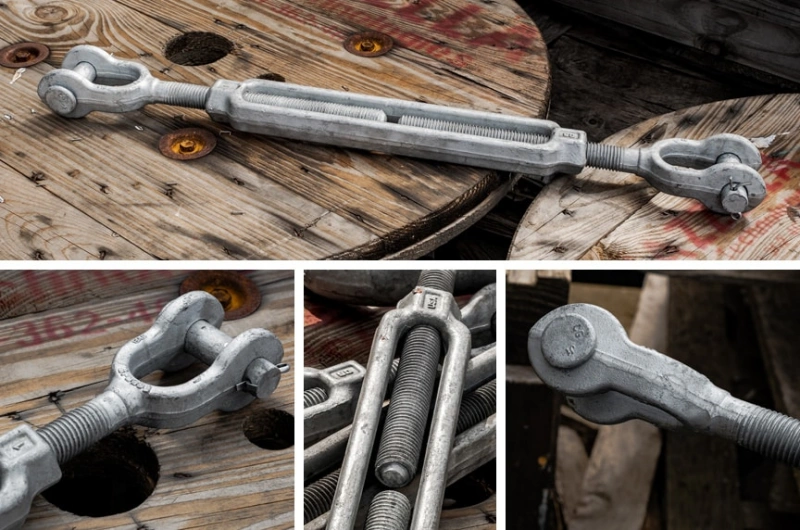
You must perform a thorough initial inspection before you use any turnbuckle. This step sets the foundation for safe rigging and ensures compliance with ASME B30.26. During initial inspection, you should:
Check for wear and tear on all components.
Look for visible signs of damage, such as cracks or distortion.
Replace any turnbuckles that show damage.
Lubricate hardware to reduce friction and prevent corrosion.
Inspect threads, body, pins, and bolts for wear, corrosion, or deformation.
Remove from service any turnbuckle with illegible identification, excessive wear, or cracked components.
Powerful Machinery recommends you follow these steps for every new installation. Proper initial inspection helps you avoid unexpected failures during Turnbuckle Inspection and Testing.
Frequent Checks
You need to conduct frequent inspections to catch issues before they become hazards. These checks happen daily or before each shift in normal conditions, and before every use in severe conditions. The table below outlines the differences between frequent and periodic inspections:
Inspection Type | Frequency of Inspection | Responsibility | Documentation Requirement |
|---|---|---|---|
Frequent Inspection | Daily or before each shift; before each use in severe conditions | User or designated person | No written records required |
Periodic Inspection | At regular intervals, based on usage and conditions | Designated personnel | Written records of the most recent inspection must be maintained |
Frequent checks help you identify problems early and keep your rigging safe.
Periodic Inspection
Periodic inspections require a more detailed review at set intervals. You must assign trained personnel to perform these inspections and keep written records. The recommended intervals depend on service conditions:
Service Condition | |
|---|---|
Normal service | Yearly |
Severe service | Monthly to quarterly |
Special service | As recommended by a qualified person |
Powerful Machinery suggests you adjust inspection intervals based on how often you use the equipment and the environment.
Adjusting for Environment
You must consider environmental factors when planning inspections. Harsh conditions, such as exposure to chemicals, saltwater, or extreme temperatures, increase the risk of corrosion and wear.
Train your team to recognize these risks and adjust inspection frequency accordingly. Proper training and awareness help you maintain compliance and extend the life of your turnbuckles.
Tip: Always document periodic inspections and train your staff to spot early signs of damage. This practice supports safety and reliability in every rigging operation.
Turnbuckle Inspection and Testing
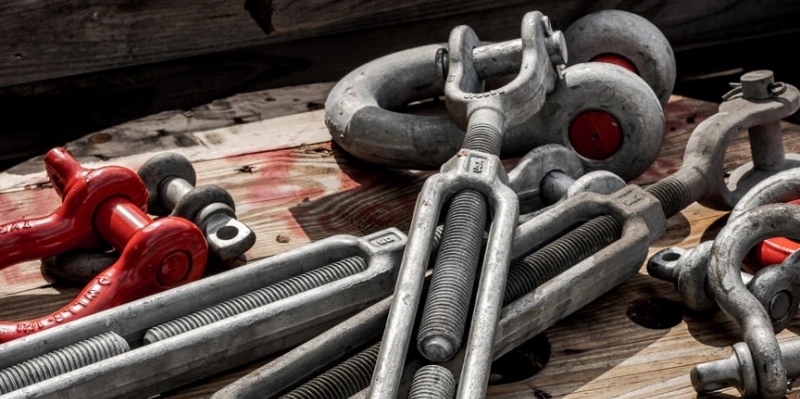
You must follow a systematic approach for Turnbuckle Inspection and Testing to ensure safety and compliance with ASME B30.26. Each step helps you identify potential hazards and maintain the reliability of your rigging hardware.
Powerful Machinery uses advanced quality assurance processes to guarantee that every turnbuckle meets or exceeds international standards.
Visual Inspection Steps
Start with a thorough visual inspection before each use. This process allows you to catch early signs of damage or wear that could compromise safety. During Turnbuckle Inspection and Testing, look for the following issues:
Missing or illegible identification marks.
Signs of heat damage, such as weld spatter or arc strikes.
Excessive pitting or corrosion on any surface.
Bent, twisted, stretched, elongated, cracked, or broken load-bearing parts.
Deep nicks or gouges that weaken the hardware.
Any reduction of 10% or more from the original or catalog dimension at any point.
Damaged or excessively worn threads.
Evidence of unauthorized welding or modifications.
For swivel hoist rings, check if they rotate or pivot freely.
Any other visible damage or condition that raises doubt about continued safe use.
If you find any of these conditions, remove the turnbuckle from service immediately. Powerful Machinery turnbuckles undergo strict visual inspections at every stage of production, ensuring you receive only reliable and compliant products.
Dimension Measurement
Accurate dimension measurement forms a critical part of Turnbuckle Inspection and Testing. You need to verify that each turnbuckle matches the manufacturer’s specifications and has not suffered excessive wear. Follow these steps:
Close the turnbuckle completely so the threaded rods touch inside the frame.
Use a caliper to measure the diameter of the threaded rod just above the first thread.
Measure the body length from end to end with a straight ruler.
Check the take-up distance, which shows the maximum adjustment range.
These measurements help you confirm that the turnbuckle remains within safe working tolerances. Powerful Machinery provides detailed product specifications, making it easy for you to compare field measurements with original dimensions.
Zinc Layer Assessment
Corrosion resistance plays a vital role in the longevity of your turnbuckles, especially in harsh environments. During Turnbuckle Inspection and Testing, assess the zinc coating for uniformity and thickness. Use a coating thickness gauge to measure the zinc layer at several points on the turnbuckle.
Look for areas where the coating appears thin, patchy, or damaged. If you find a significant loss of zinc or exposed steel, consider removing the turnbuckle from service. Powerful Machinery applies high-quality zinc coatings to all steel turnbuckles, providing superior protection against rust and environmental damage.
Tip: Regular zinc layer assessment extends the service life of your rigging hardware and reduces the risk of unexpected failures.
Tensile Testing
Tensile testing verifies the load-bearing capacity of your turnbuckles. You should perform this test periodically or when you suspect a turnbuckle has been overloaded. Use a calibrated tensile testing machine to apply force gradually until the turnbuckle reaches its rated load.
Monitor for any signs of deformation, thread slippage, or failure. If the turnbuckle does not meet the rated load, remove it from service. Powerful Machinery conducts rigorous tensile tests on every production batch, ensuring that each turnbuckle delivers consistent strength and performance.
You can trust Powerful Machinery turnbuckles for durability and compliance with ASME B30.26, DIN 1480, and other international standards. By following these Turnbuckle Inspection and Testing procedures, you protect your team and maintain the highest level of safety in your rigging operations.
Removal Criteria
You must know when to remove a turnbuckle from service to maintain safety and compliance. ASME B30.26 sets clear standards for removal criteria. Powerful Machinery supports these standards by ensuring every turnbuckle meets strict inspection requirements.
Marking Issues
Proper markings are essential for safe rigging. If you find any marking issues during Turnbuckle Inspection and Testing, you must act immediately. The table below outlines the marking problems that require removal:
Marking Issue | Action Required |
|---|---|
Durable manufacturer identification | Required for compliance with ASME B30.26 |
Rated load marking | Required for compliance with ASME B30.26 |
Condition inspection | Remove from service if defective |
Replacement criteria | Remove from service if damaged, worn, or deformed beyond tolerances |
Missing or illegible markings mean you cannot verify the turnbuckle’s specifications. Remove such hardware from service to prevent accidents.
Physical Damage
Physical damage compromises the integrity of your rigging hardware. You must inspect for the following conditions and remove any turnbuckle that shows these signs:
Criteria for Removal of Turnbuckles from Service |
|---|
Missing or illegible identification |
Indications of heat damage, including weld splatter or arc strikes |
Excessive pitting or corrosion |
Bent, twisted, distorted, stretched, elongated, cracked, or broken load-bearing components |
Excessive nicks or gouges |
A 10% reduction of the original or catalog dimension at any point |
Excessive thread damage or wear |
Evidence of unauthorized welding or modification |
Other conditions, including visible damage, that cause doubt as to the continued use |
You protect your team by removing damaged turnbuckles before they fail.
Thread or Surface Defects
Threads and surfaces must remain in good condition. You need to check for stripped, worn, or damaged threads. Surface defects like deep gouges, cracks, or corrosion also require removal. If you notice any of these problems, take the turnbuckle out of service.
This step prevents unexpected failures during lifting operations.
Note: Always document removal actions and notify your supervisor. Proper recordkeeping supports compliance and traceability.
Unauthorized Modifications
You must never use turnbuckles that have been modified without manufacturer approval. Unauthorized welding, drilling, or alterations weaken the hardware and violate ASME B30.26 standards.
Remove any turnbuckle that shows signs of modification. Powerful Machinery prioritizes safety and reliability by providing products that meet all regulatory requirements.
By following these removal criteria, you ensure that only safe and compliant hardware remains in use. Turnbuckle Inspection and Testing helps you identify issues early and maintain a secure rigging environment.
Maintenance and Best Practices
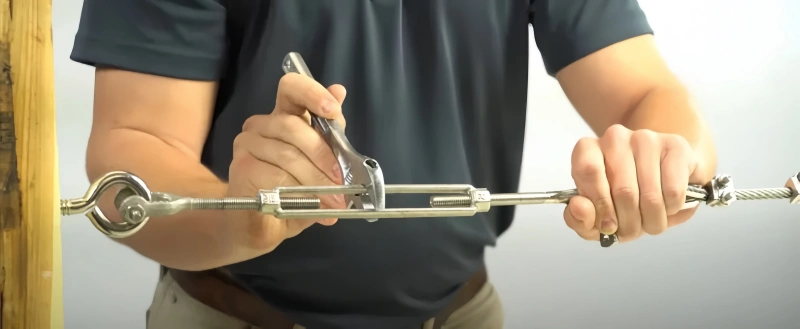
Storage and Handling
You protect your turnbuckles and extend their service life by following proper storage and handling procedures. Always store turnbuckles in a clean, dry area away from corrosive substances and extreme temperatures. Handle each piece with care to prevent accidental drops or impacts.
Before every use, inspect for cracks, distortion, or wear. If you find damage, discard and replace the hardware immediately. The table below highlights key warnings and best practices:
Warning | Description |
|---|---|
Maximum Load Limit | Never exceed the maximum working load limit to prevent product failure. |
Angular Loading | Do not use turnbuckles in angular loading applications. |
Inspection | Inspect before each use for cracks, distortion, and wear. Replace if damaged. |
Tip: Use only turnbuckles with a minimum design factor of 5 and always align them according to rated loads.
Environmental Factors
Environmental conditions can affect the performance and safety of your turnbuckles. You must consider temperature extremes, chemical exposure, and storage environments. For hardware used above 400°F or below -40°F, consult Powerful Machinery for guidance.
Avoid using turnbuckles in caustic or acidic environments without manufacturer approval. Store hardware away from sources of damage, corrosion, or heat. The table below summarizes important environmental considerations:
Environmental Factor | Description |
|---|---|
Temperature | Consult the manufacturer for use above 400°F or below -40°F. |
Chemically Active Environments | Strength may be affected by caustic or acidic substances. |
Training | Train users in selection, inspection, and environmental effects. |
Storage and Work Environments | Store away from damage, corrosive action, or extreme heat. |
Training and Documentation
You maintain compliance and safety by investing in training and thorough documentation. Train your team in proper rigging selection, inspection techniques, load ratings, safe handling, and maintenance.
Keep detailed records of inspection dates, rigging identifications, inspector credentials, findings, and actions taken. Powerful Machinery supports you with expert guidance, certified materials, and tailored solutions that fit your exact requirements.
Essential training topics:
Rigging selection
Inspection techniques
Load ratings and limits
Safe handling and hazard awareness
Storage and maintenance
Documentation practices:
Record inspection dates and findings
Track rigging identifications
List inspector credentials
Note actions taken
Note: Consistent training and recordkeeping help you meet ASME B30.26 requirements and ensure ongoing safety.
Conclusion
You strengthen rigging safety by following ASME B30.26-compliant inspection and testing steps. Powerful Machinery’s certified turnbuckles deliver reliability and precise tensioning for every lift.
Regular inspections and proper maintenance help you prevent rust, wear, and unexpected failures. Consulting rigging experts ensures ongoing compliance and addresses complex standards.
Key Takeaway | Description |
|---|---|
Pre-use Condition | Inspect hardware each shift; remove if defective |
Rated Use | Use within the marked Working Load Limit (WLL) |
Alignment | Maintain straight-line tension |
Replacement Criteria | Remove if damaged or worn |
Stay proactive with inspections and expert support to protect your team and equipment.
FAQ
What is the most important step in turnbuckle inspection?
You must check for clear, legible markings and visible damage. These steps help you confirm compliance with ASME B30.26 and prevent unsafe use.
How often should you inspect turnbuckles in harsh environments?
You should inspect turnbuckles before each use in harsh conditions. Increase inspection frequency if you notice rapid wear or corrosion.
Can you use a turnbuckle with missing identification?
No. You must remove any turnbuckle with missing or illegible identification from service. This action ensures traceability and safety.
Where can you find the rated load on a Powerful Machinery turnbuckle?
You can find the rated load stamped directly on the turnbuckle body. The marking remains visible for easy verification during inspection.
What should you do if you find surface rust on a turnbuckle?
Remove light rust with a wire brush.
Inspect for pitting or deep corrosion.
Replace the turnbuckle if you see significant damage.