You must inspect rigging equipment before initial use, frequently during service, and periodically as required by OSHA, ASME, and international standards. These regulations help you prevent accidents, protect workers, and avoid costly downtime.
Regular rigging equipment inspection ensures you meet legal obligations and maintain a safe workplace. Powerful Machinery provides certified products and expert guidance to help you achieve the highest levels of compliance and reliability.
Key Takeaways
Inspect rigging equipment before initial use, daily or before each shift, and periodically based on service conditions to ensure safety and compliance.
Follow OSHA and ASME guidelines for inspection frequency. Frequent inspections help catch visible damage early, while periodic inspections assess long-term wear.
Use qualified inspectors for periodic checks. They must have specialized training to identify hazards and ensure compliance with safety standards.
Maintain accurate records of all inspections. Document dates, findings, and corrective actions to support compliance during audits.
Choose certified equipment from trusted suppliers like Powerful Machinery. This ensures you meet safety standards and simplifies the inspection process.
Rigging Equipment Inspection Standards
OSHA and ASME Requirements

You must follow strict guidelines when inspecting rigging equipment. OSHA sets clear rules for inspection intervals and documentation. These rules help you maintain a safe work environment and avoid legal issues. You need to consider several factors when planning inspections:
Frequency of use
Severity of service conditions
Nature of lifts and load-handling activities
Experience gained from the service life of equipment used in similar circumstances
ASME standards give you a detailed framework for inspection frequency and scope. The table below shows how ASME defines inspection types and intervals for lifting and rigging equipment:
Inspection Type | Frequency | Conditions |
|---|---|---|
Frequent Inspections | Daily or before each shift | Check for damage, defects, or deformities in all rigging components. |
Periodic Inspections | Yearly (Normal Service) | Comprehensive evaluations at regular intervals to identify long-term wear. |
Monthly to Quarterly (Severe) | Equipment operating in extreme conditions. | |
As determined (Special) | Unique conditions require a customized inspection schedule. |
You must perform frequent inspections before each shift and periodic inspections based on service conditions. These steps help you stay OSHA compliant and reduce the risk of equipment failure.
Powerful Machinery manufactures products that meet or exceed both OSHA and ASME standards. You can rely on their certified lifting chains, wire ropes, and hardware to support your compliance efforts.
International and Industry Standards
Many countries enforce strict rigging equipment inspection regulations. You need to understand the requirements in your region to ensure compliance. The table below highlights some of the strictest regulatory bodies and their standards:
Country/Region | Regulatory Body | Compliance Requirements |
|---|---|---|
Canada (Ontario) | Ontario Regulation 213/91 | Compliance with specific safety codes |
Canada (Quebec) | Safety Code for the construction industry | Compliance with safety standards |
Canada (British Columbia) | Occupational Health and Safety Regulation | Compliance with safety regulations |
Canada (Alberta) | Occupational Health and Safety Code | Compliance with safety codes |
USA | OSHA | Compliance with ASME B30 standard |
You will also find strict inspection requirements in Saudi Arabia, where SASO enforces mandatory initial and periodic inspections by accredited bodies. These inspections cover mechanical, structural, electrical, and hydraulic standards. You must have valid inspection certificates to operate legally on job sites.
International standards help you maintain consistency and safety across global operations. Powerful Machinery holds certifications from ISO, TUV Rheinland, EURO CERT, and other leading organizations. You can trust their products to meet the highest international standards for rigging equipment inspection.
Tip: Always check local regulations and industry codes before starting any lifting operation. Using certified equipment from Powerful Machinery helps you meet or exceed these requirements.
Types of Rigging Equipment Inspection
Rigging equipment inspection is a critical part of maintaining safety and compliance in any lifting operation. You must understand the three main types of inspections recognized by OSHA, ASME, and international standards: initial inspection, frequent inspection, and periodic inspection.
Each type serves a unique purpose and requires specific actions from qualified personnel.
Initial Inspection
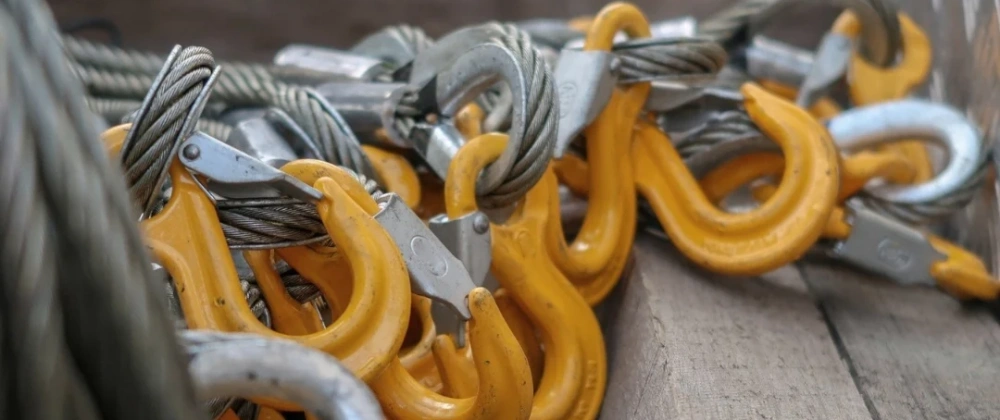
You need to perform an initial inspection before you use any lifting and rigging equipment for the first time. This step confirms that the equipment meets all safety and operational requirements.
A qualified person must check every component for defects, proper markings, and documentation. You must verify that the equipment matches the manufacturer’s specifications and complies with regulatory standards.
Equipment Type | Documentation Requirement |
|---|---|
Chain and Metal Mesh Slings | Individual identification markings are required. |
Below-The-Hook Lifting Devices | Documentation is required for the operation or load testing of new, reinstalled, modified, or repaired devices. |
Load Indicating Devices | A written record of the inspection must be created. |
Powerful Machinery provides equipment that adheres to global standards. You receive products with clear markings and documentation, making it easier to pass initial inspections and maintain compliance.
Note: Always keep inspection records and identification tags up to date. This practice helps you verify compliance during audits and routine checks.
Frequent Inspection
You must conduct frequent inspections to identify visible damage, wear, or operational issues before each use or shift. A visual inspection helps you catch problems early and prevent accidents. Operators or designated personnel should perform these checks, focusing on the most common issues:
Corrosion on wire rope and hardware
Broken wires, kinks, or deformations in cables
Improper or missing labels and documentation gaps
Worn or damaged slings, shackles, and hooks
Poor storage that shortens service life
Operators should visually inspect rigging gear before each use to check for visible damage, signs of wear and tear, and proper function.
You need to inspect rigging equipment daily and before every shift. In high-use or harsh environments, increase the frequency to ensure safety.
Inspection Type | Frequency |
|---|---|
Daily Inspection | Necessary for most cases |
Pre-Shift Inspection | Recommended before each shift |
High-Use Equipment | Inspect before each use if used multiple times a day |
Powerful Machinery supports your frequent inspection needs by providing equipment with durable identification tags and robust construction. Maintenance support includes refurbishment and modernization services, helping your gear stay in peak condition.
Periodic Inspection
Periodic inspection is a comprehensive evaluation performed at set intervals by a qualified inspector. You must schedule these inspections based on the service conditions and regulatory requirements. The inspector checks for long-term wear, structural integrity, and compliance with standards.
Service Condition | Inspection Frequency |
|---|---|
Normal Service | Yearly |
Severe Service | Monthly to Quarterly |
Special Service | As recommended by a Qualified person |
During periodic inspections, you need to review documentation, verify identification tags, and assess the overall condition of each component. You must keep written records to demonstrate compliance with OSHA, ASME, and international standards.
These records serve as proof during audits and help you track the history of each piece of equipment.
The video explains how to determine the frequency of inspections for rigging equipment.
It outlines the applicable standards for periodic inspections.
It serves as a practical guide for compliance with inspection requirements.
Powerful Machinery makes compliance easier by supplying certified products with clear documentation and offering maintenance services that extend the life of your equipment. You can rely on their support to meet the demands of periodic inspection and maintain a safe workplace.
Tip: Schedule periodic inspections according to the manufacturer’s recommendations and regulatory standards. Use certified equipment from Powerful Machinery to simplify the process and ensure reliable results.
Inspection Criteria and Qualified Inspectors
Inspector Qualifications
You must select a qualified safety inspector to conduct a rigging equipment inspection. OSHA and ASME require inspectors to complete specialized training and demonstrate hands-on experience. Inspectors need to understand the standards and possess the skills to identify hazards.
The following table outlines essential training courses and target audiences:
Training Course | Target Audience |
|---|---|
Hands-On Rigging Inspection Course | Individuals performing rigging inspection, supervisors, crane maintenance personnel |
OSHA Competent Person for Basic Rigging and Inspection | Competent persons, foremen, site supervisors, rigging supervisors, and construction workers involved in lifting operations |
You can also pursue certification through comprehensive programs. These courses cover inspection procedures, equipment types, and reporting requirements. Powerful Machinery supports your team by recommending industry-recognized training and sharing best practices for inspector qualification.
What to Check During Inspection
You must follow a detailed checklist during each periodic inspection. Inspectors look for signs of wear, damage, and improper function. The table below summarizes critical inspection criteria for common sling types:
Sling Type | Inspection Criteria |
|---|---|
Wire Rope Slings | Excessive broken wires, severe abrasion, kinking, crushing, bird caging, and severe corrosion |
Web Slings | Acid or caustic burns, melting, holes, tears, broken stitching, discoloration |
Chain Slings | Cracks, excessive wear, stretched links, pitting, corrosion |
Round Slings | Acid burns, heat damage, holes, snags exposing core yarns, discoloration |
During rigging equipment inspection, you should also:
Inspect for wear and damage such as cuts, fraying, kinks, broken wires, and corrosion.
Ensure shackles, links, and hooks are free of cracks and have no stretched openings.
Verify all tags and load ratings.
Check that all connections are secure.
Confirm cranes, hoists, and load lines function properly.
Remove lubricant and debris buildup.
Powerful Machinery provides certified products with clear identification tags, making inspections more efficient and reliable.
Documentation and Records
You must maintain accurate records for every periodic inspection. Record the date, inspector’s name, findings, and corrective actions. OSHA requires you to retain these documents for the applicable period, ensuring they are available for review. Best practices include:
Conduct pre-use inspections and document findings.
Set a regular inspection schedule based on equipment frequency and conditions.
Use only qualified inspectors.
Promote open communication and prompt reporting of hazards.
Powerful Machinery helps you implement robust documentation systems and offers guidance on record retention. You can rely on their expertise to keep your inspection records compliant and organized.
Tip: Consistent documentation and qualified inspections protect your team and support regulatory compliance.
Factors Affecting Inspection Frequency
Usage and Environment
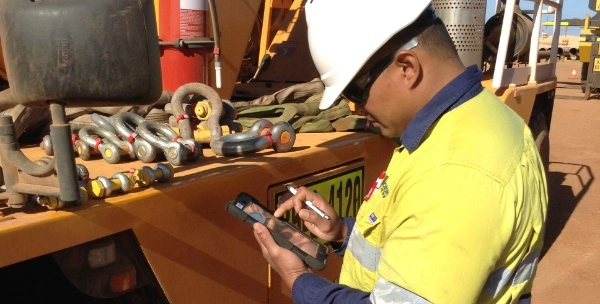
Inspection frequencies depend on how often you use rigging equipment and the environment where you operate. If you use equipment daily or in harsh conditions, you must increase the frequency of periodic inspection. Frequent use leads to faster wear and tear.
Extreme temperatures, moisture, chemicals, and abrasive materials can damage chains, wire ropes, and slings. You must monitor equipment closely in these environments to prevent unexpected failures.
Equipment used more often needs more regular checks.
Harsh environments accelerate damage and require more frequent monitoring.
The type and frequency of usage directly affect inspection needs.
Environmental factors like heat, cold, and chemicals increase the need for periodic inspections.
Australian standards also emphasize the importance of adjusting inspection intervals based on service conditions. You must always consider these factors when planning your inspection schedule.
Best Practices and Compliance Checklist
You can maintain compliance and safety by following best practice periodic inspections. Use this checklist to guide your inspection process:
Inspection Component | Description |
|---|---|
Structural Component Assessment | Inspect all load-bearing elements for damage, stability, and integrity. |
Visual and Tactile Inspection | Look for visible damage and feel for irregularities on load-bearing surfaces. |
Assessment of Welded Joints | Examine welds for cracks and ensure connection points are secure. |
Examination for Fatigue or Stress Fractures | Identify microscopic cracks that may weaken the structure over time. |
Verification of Structural Alignment | Ensure all components are aligned and free from twisting or bending. |
Documentation of Measurements | Track changes in structural measurements to identify deterioration over time. |
Follow these steps for ongoing compliance:
Inspect all rigging equipment before each shift and during use.
Ensure personnel know and follow safe working load limits.
Train and qualify everyone performing rigging tasks.
Use proper rigging techniques and maintain the load’s center of gravity.
Communicate clearly between hoist operators and signalmen.
Make sure all workers understand potential hazards.
Check anchor points and specific rigging parts for strength and security.
Keep records of inspections, illnesses, and injuries.
Third-Party Audits and Powerful Machinery Services
Third-party rigging inspection services help you improve safety and compliance. Independent inspectors provide unbiased reviews and identify compliance gaps. These audits lead to actionable steps that strengthen your safety culture and reduce costs from unsafe practices.
Managing large inventories of lifting gear can be challenging. Third-party audits help you navigate these complexities and ensure you meet OSHA, ASME, and international standards.
Powerful Machinery offers expert inspection and certification services. You can rely on their third-party rigging inspection services for impartial evaluations of your equipment.
Their team ensures compliance with ASME, Australian standards, and other global requirements. Powerful Machinery helps you maintain reliability across all sites and supports your commitment to safety.
Tip: Schedule periodic inspections with qualified third-party inspectors to ensure your equipment meets all regulatory standards and operates safely.
Conclusion
You must inspect rigging equipment at regular intervals to stay OSHA compliant and protect your team. The table below summarizes the recommended inspection schedule for common rigging gear:
Inspection Type | Frequency/Details |
|---|---|
Initial Inspection | Conducted upon receiving the rigging hardware from the supplier or manufacturer. |
Daily Inspection | Recommended for equipment used frequently; typically performed every day. |
Periodic Inspection | Required every twelve months; more frequent for harsh conditions. |
Visual Inspection | Conducted before each use to check for wear and tear. |
Competent Person Inspection | Detailed inspection by a trained individual, frequency varies with usage. |
Qualified inspectors and thorough documentation help you reduce incidents and maintain accountability. Powerful Machinery’s certified products and expert services support your commitment to safety. Set up a regular inspection schedule and keep your workplace safe with industry-leading solutions.
FAQ
How often should you inspect rigging equipment?
You should inspect rigging equipment before initial use, daily or before each shift, and periodically based on service conditions. Follow OSHA, ASME, and local standards for specific intervals.
Who can perform rigging equipment inspections?
Qualified inspectors with proper training and experience must perform periodic inspections. Operators or designated personnel can conduct daily and frequent visual checks.
What records do you need to keep for inspections?
You need to keep written records of all inspections, including dates, findings, corrective actions, and inspector names. Accurate documentation helps you prove compliance during audits.
Does Powerful Machinery offer inspection support?
Powerful Machinery provides certified products, expert guidance, and third-party inspection services. You can contact their team for training, documentation support, and compliance solutions.