You rely on web sling inspection and maintenance to keep your lifting operations safe and compliant. This checklist helps you spot issues early, prevent accidents, and maintain reliability in every lift.
Regular web sling inspection and maintenance ensure you meet industry standards, which professionals and general users widely adopt for safety. See the table below for the main standards:
Standard | Description |
|---|---|
ASME B30.9 | Covers the safety standards for slings. |
WSTDA-RS-1 | Provides guidelines for synthetic slings. |
OSHA 1910.184 | Governmental regulations for sling inspection. |
Proper web sling inspection and maintenance also depend on using certified equipment. Powerful Machinery stands out by offering solutions that meet ISO9001, TUV Rheinland, and EN 13155 standards. You can trust their rigorous testing and advanced manufacturing for top-level safety.
With web sling inspection and maintenance as your routine, you protect your team and your investment.
Key Takeaways
Regular web sling inspections prevent accidents and extend equipment life. Conduct checks before each use to catch damage early.
Always verify sling identification tags for safety compliance. Missing or unreadable tags mean the sling should not be used.
Follow a structured inspection routine: initial, frequent, and periodic checks. Each type serves a unique purpose in maintaining safety.
Remove slings from service immediately if you find significant damage. This action protects your team and equipment from potential failures.
Proper storage and cleaning of slings enhances their durability. Keep them in a cool, dry place and clean with mild soap to prevent damage.
Web Sling Inspection and Maintenance System
Why Regular Inspections Matter?
You protect your team and equipment when you follow a structured web sling inspection routine. Regular inspections help you spot visible damage such as cuts, abrasions, and wear. These issues can compromise safety and lead to unexpected failures during lifting operations.
Minor damage lowers sling strength and increases the risk of accidents. By inspecting slings consistently, you enhance safety and ensure compliance with industry standards. You also extend the life of your lifting gear and reduce downtime.
Tip: A structured inspection process, including initial, frequent, and periodic checks, keeps your workplace safer and your equipment reliable.
Inspection Levels Explained
Industry standards such as ASME B30.9, OSHA, and WSTDA define a three-stage level of inspection for web slings. Each stage serves a unique purpose:
Inspection Type | Purpose | Timing | Conducted By |
|---|---|---|---|
Initial Inspection | Ensures new or repaired slings meet specifications and safety. | Before the sling is placed into service. | A qualified person assessing compliance with standards. |
Frequent Inspection | Detects damage or deterioration from regular use. | Daily or before each shift; before each use in severe conditions. | The user or a qualified person assessing the condition. |
Periodic Inspection | Thorough examination to assess the condition over time. | Intervals not exceeding one year; more frequent in severe conditions. | A designated person other than the one performing frequent inspections. |
You must perform an initial inspection before using any new or repaired sling. Frequent inspections catch damage from daily use. Periodic inspections provide a deeper review and must occur at least once a year, or more often in harsh environments.
Who Should Inspect and When?
Qualified and designated persons play key roles in the inspection of slings. A qualified person has the training and experience to assess sling safety and compliance. A designated person is assigned by your employer to perform specific duties.
You should rely on a qualified person for initial inspection and periodic inspection. Users or qualified persons can handle frequent inspections before each use.
Powerful Machinery ensures every web sling inspection meets international standards. The company’s products carry certifications such as ISO9001, TUV Rheinland, and OSHA. You benefit from their commitment to quality and safety in every lifting solution.
Sling Identification
Required Tag Information
You must check the identification tags on every sling before use. These tags provide critical information that helps you confirm the sling’s safety and compliance. Industry standards such as ASME B30.9 and OSHA require specific details on each tag. You will find the following mandatory elements:
Name or trademark of the manufacturer, or the entity performing repairs
Manufacturer’s code or stock number
Rated load for at least one hitch type and the angle upon which it is based
Type of synthetic web material
Number of legs, if more than one
These details allow you to verify the sling’s capacity and suitability for your lifting task. You reduce the risk of accidents when you use slings with clear and accurate identification.
Powerful Machinery ensures every sling meets these requirements. The company uses rigorous tagging practices and certified manufacturing to deliver safe, reliable synthetic fibre web slings for demanding environments.
Note: Always confirm the tag information before each lift. Proper identification supports safe operation and regulatory compliance.
Handling Missing or Illegible Tags
You must never use a sling with missing or illegible tags. These tags contain essential information such as manufacturer details, material type, working load limit, serial number, and sling type. If you cannot read the tag, you cannot confirm the sling’s specifications or safety limits.
Using a sling without proper identification can lead to improper use and serious safety risks.
You risk using the wrong sling for the job
You may exceed the working load limit
You cannot verify the sling’s material or construction
You fail to meet compliance standards
If you find a sling with a damaged or missing tag, remove it from service immediately. Powerful Machinery’s certified products feature durable tags designed to withstand tough conditions. You can trust their commitment to safety and quality in every lifting solution.
Web Sling Inspection Criteria
Visual and Tactile Checks
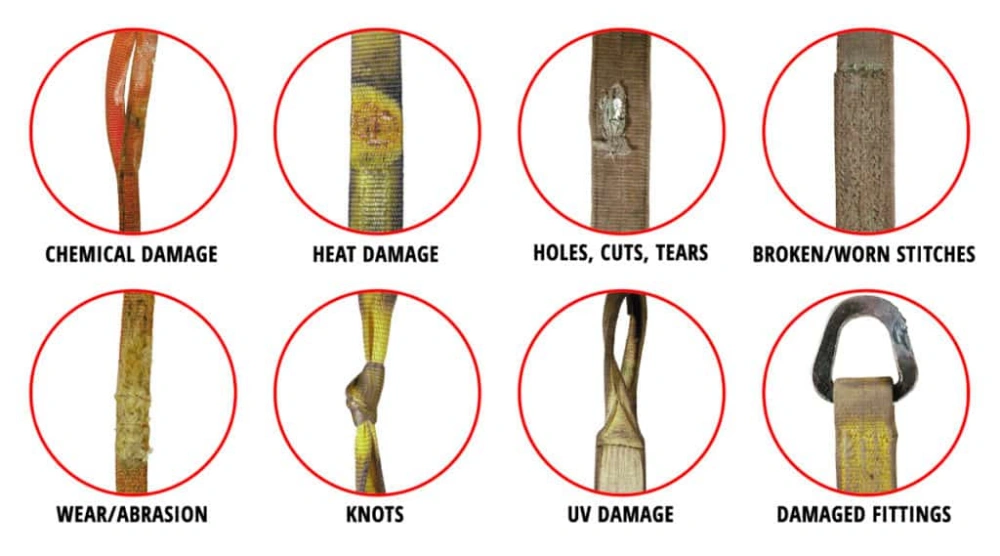
You must perform a thorough visual inspection before each use. This process helps you identify early signs of damage that could compromise safety. Look for cuts, pulled threads, abrasions, burns, punctures, and chemical damage.
Use your hands to feel for irregularities, such as hard spots, stiffness, or broken stitches. These tactile checks reveal hidden issues that your eyes might miss.
Here is a table showing the most common types of damage you may find during a visual inspection:
Type of Damage | Description |
|---|---|
Cuts | Visible cuts in the webbing that compromise integrity. |
Pulled Threads | Threads that are pulled out, indicating potential failure points. |
Abrasions | Wear marks that can weaken the sling over time. |
Burns or Weld Spatter | Damage from heat sources can degrade material strength. |
Punctures or Chemical Damage | Holes or degradation caused by chemicals that affect the sling’s performance. |
Oil or Grease Saturation | Contamination that can weaken fibers and reduce load capacity. |
UV Degradation | Fading or brittleness due to sunlight exposure. |
Damage in the Eye Crotch | Stress points where stitches and threads are most vulnerable. |
Improper Hardware Size | Hardware that is too large can stretch fibers and damage stitches. |
You should always check the eye crotch area and hardware connections. These points often show the first signs of wear. If you notice any unusual odor, discoloration, or stiffness, you must investigate further.
Powerful Machinery designs every sling to withstand tough conditions, but regular inspection remains essential for safety.
Damage and Removal Conditions
You must know when to remove a sling from service. Industry standards provide clear damage criteria for removal from service. If you find any of the following conditions, you must take the sling out of service immediately:
Condition for Removal | Description |
|---|---|
Edge cut exceeds thickness | Damage that compromises the sling’s integrity. |
Abrasion exceeds 15% | Significant wear affecting strength. |
Warp thread damage | Compromised structural integrity. |
Melted or charred parts | Damage from heat sources. |
Broken or worn stitches | Compromised load-bearing splices. |
Excessively pitted fittings | Damage affecting safety. |
Other criteria for removal from service include:
Acid or caustic burns
Melting or charring
Holes, tears, cuts, or snags
Knots in any part of the sling
Excessive abrasive wear
Distortion of the sling
Excessive pitting or corrosion on fittings
Missing or illegible identification
Any visible damage that causes doubt about the sling’s strength
If you see Red-Guard® warning yarns or notice the sling has been loaded beyond its working load limits, you must remove it from service. Never try to repair a sling yourself. Only qualified manufacturers like Powerful Machinery should handle repairs and proof testing.
Note: Immediate removal from service prevents catastrophic failures, severe injuries, and legal issues. You protect your team and your equipment by following these guidelines.
Standards and Regulations
You must follow industry standards and regulations for web sling inspection and removal from service. These standards include ASME B30.9, OSHA 1910.184, WSTDA, ISO 4878, and EN 1492-1. Each standard outlines inspection procedures, damage criteria, and removal from service requirements.
Here is a table summarizing key standards across industries:
Industry | Standard/Guideline | Key Focus Areas |
|---|---|---|
Marine | IMCA Guidelines | Safe use, regular inspections, and handling practices |
DNV-GL Standards | Certification and performance criteria | |
Oil and Gas | API RP 2D | Operation, maintenance, and regular inspections |
ATEX Certification | Safety in hazardous environments | |
Aerospace | FAA Regulations | Handling, lifting equipment, and safety protocols |
NADCAP Accreditation | High safety and quality standards |
Regular inspection is crucial in every industry. Guidelines may differ, but the goal remains the same: ensure safety and performance. Compliance with international standards protects you from economic losses and legal consequences.
Powerful Machinery builds every sling to meet or exceed these standards. The company uses advanced quality assurance and rigorous testing to guarantee reliability. You can trust their certified products for safe lifting in any environment.
Web Sling Inspection Checklist
Step-by-Step Process
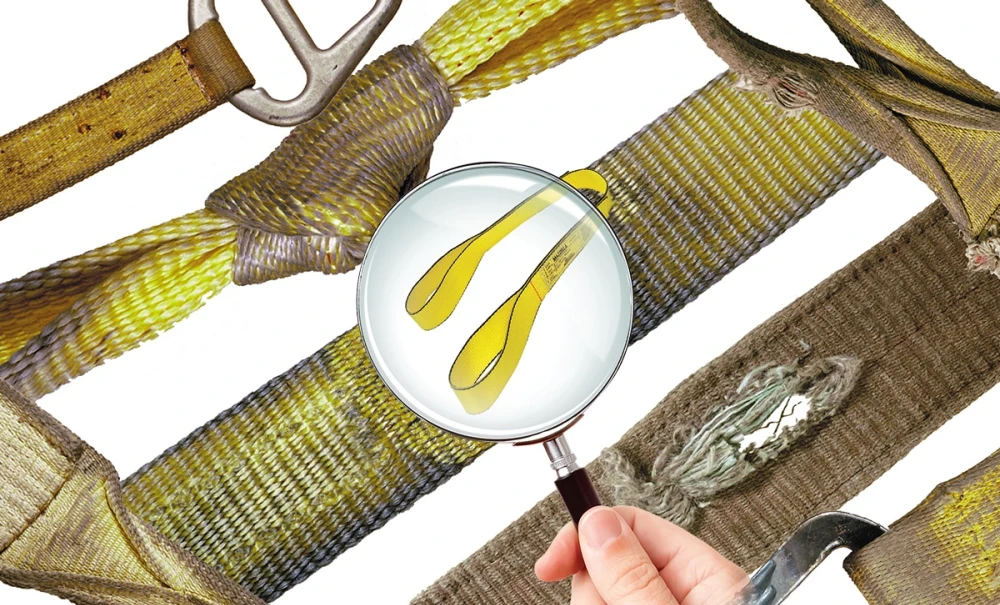
You need a systematic approach to ensure every web sling inspection covers all critical points. Follow this checklist before each use:
Visual Inspection
Examine the entire sling for tears, cuts, frayed edges, and any signs of chemical damage. Focus on high-stress areas and attachment points.Label and Identification
Confirm the sling’s tag is present, legible, and accurate. Check that all information matches your lifting requirements.Hardware and Attachments
Inspect hooks, latches, and other hardware for cracks, deformation, or corrosion. Test moving parts for smooth operation.Knots and Twists
Lay out the sling flat. Ensure there are no knots, twists, or tangles that could affect load distribution.UV and Environmental Damage
Look for fading, brittleness, or discoloration caused by sunlight or harsh chemicals. These signs indicate weakened fibers.Regular Maintenance and Documentation
Record each inspection and any maintenance actions taken. This step supports compliance and helps track sling condition over time.
Tip: Consistent use of this checklist reduces the risk of accidents and extends the service life of your web slings.
Recordkeeping and Documentation
Accurate documentation forms the backbone of a compliant inspection program. You should keep written records of all periodic inspections. For synthetic web slings, a simple record noting the date, inspector’s name, and findings is sufficient.
You can use maintenance logs, notations on sling tags, or employee task cards to document inspections.
Record the date and results of each inspection.
List the names of inspectors and the number of slings checked.
Note any slings removed from service and the reasons for removal.
Store records in a central location for easy access during audits or reviews.
For example, you might write:
“On 03/15/24, Alex Turner and Jamie Lee inspected all web slings. 120 slings inspected, 7 rejected due to cuts and missing tags.”
Note: Proper documentation not only ensures compliance but also provides traceability in case of incidents or audits.
Actions for Damaged Slings
If you find a damaged sling during inspection, act immediately to protect your team and equipment. Follow these steps:
Remove the sling from service without delay.
Tag the sling clearly as ‘Damaged’ or ‘Do Not Use’ to prevent accidental use.
Dispose of the sling according to your company’s safety protocols and local regulations.
Never attempt to repair a sling yourself. Only qualified manufacturers, such as Powerful Machinery, should evaluate and repair or replace slings. Immediate action prevents accidents and maintains a safe work environment.
Alert: Quick removal and proper tagging of damaged slings are essential steps in preventing workplace injuries.
Sling Maintenance
Storage Best Practices
You protect your web slings when you store them correctly. Place slings in a cool, dry area to avoid heat and water damage. Keep slings off the ground to prevent spills and tripping hazards. Use lockers or rigging boxes for safe storage and easy access.
Store synthetic slings away from direct sunlight and areas where UV light can enter. Organize slings to keep them clean and free from dust, dirt, and moisture. Regularly check for debris inside the sling that can cause internal wear. After exposure to saltwater, rinse slings to prevent abrasive crystallization.
Tip: Proper storage extends sling life and reduces the risk of unexpected failures.
Cleaning Guidelines
You maintain sling integrity by following cleaning guidelines. Use mild soap and water to clean slings. Avoid harsh solvents or abrasive materials that can weaken the fabric. Never clean slings in solvent tanks, as chemicals may damage the fibers.
After cleaning, air-dry slings completely before storage. Store slings in a clean, dry environment, away from direct sunlight and extreme temperatures. Keeping slings clean prevents dirt and moisture from causing damage over time.
Note: Clean slings last longer and perform better during working operations.
Extending Sling Life
You maximize sling service life by following proven maintenance strategies. Start with routine inspections to identify issues early. Clean slings regularly and store them properly. Always adhere to load capacity ratings and train your team in safe handling techniques.
Verify that slings comply with safety standards and check certifications often. Provide ongoing training on sling safety and maintenance protocols. Maintain detailed records of inspections, maintenance activities, and reasons for retiring slings.
Powerful Machinery recommends these guidelines to help you get the most from certified lifting equipment. Their products are designed for durability, but your maintenance practices play a key role in long-term performance.
Sling Repair & Testing
When to Repair or Replace
You must know when to repair a web sling and when to replace it. Only a qualified manufacturer, such as Powerful Machinery, should perform any repair. Never attempt to repair a sling yourself. If you see acid or caustic burns, melting, charring, snags, punctures, tears, or cuts, you need to remove the sling from service.
Broken or worn stitches and distortion of fittings also mean the sling is unsafe. The table below shows common conditions that require you to consider repair or replacement:
Condition for Removal | Description |
|---|---|
Acid or Caustic Burns | Presence of chemical damage on the sling |
Melting or Charring | Any melting or charring on the sling surface |
Snags, Punctures, Tears, or Cuts | Visible damage that compromises integrity |
Broken or Worn Stitches | Stitches that are damaged or missing |
Distortion of Fittings | Any deformation of the sling’s fittings |
If the sling has reached its tensile break point or shows any sign of a break, you must replace it. You protect your team by following these guidelines and trusting only certified experts for repair.
Proof Testing Requirements
After every repair, you must ensure the sling passes proof testing. Proof testing checks the sling’s strength and confirms it meets safety standards. ASME B30.9 requires that a manufacturer or qualified person conduct proof testing before you use a repaired sling. The table below outlines the requirements:
Sling Type | Proof Testing Requirement |
|---|---|
Synthetic Webbing Slings | Must be proof tested by the manufacturer or a qualified person before initial use. |
Synthetic Rope Slings | Must be proof tested by the manufacturer or a qualified person before initial use. |
You should never use a sling after repair until it passes proof testing. This process ensures the sling can handle its rated load without risk of failure.
Certification for Repaired Slings
Certification is essential after every repair. You need to follow a structured inspection process to keep your slings compliant. Start with an initial inspection before first use. Perform frequent inspections before each use and periodic inspections at least once a year.
For normal service, inspect yearly. For severe service, inspect monthly or quarterly. For special service, follow the recommendations of a qualified person. Keep written records for all certified slings. These records help you track repairs and prove compliance during audits.
Initial inspection before first use
Frequent visual checks before each use
Periodic inspection by a qualified person, usually annually
Maintain records for all certified slings
Powerful Machinery provides full repair, proof testing, and certification services. You can trust their expertise to keep your lifting operations safe and compliant.
Quick-Reference Checklist
You need a fast, reliable way to confirm your web sling inspection and maintenance routine. Use this quick-reference checklist to keep your lifting operations safe and compliant. The table below outlines the most critical steps you should follow:
Step Type | Description |
|---|---|
Initial Inspection | Check every new or repaired sling before first use. Confirm specifications, load capacity, and look for any damage. |
Frequent Inspection | Perform visual checks before each use. Identify cuts, abrasions, or other defects that could affect safety. |
Periodic Inspection | Schedule annual inspections by a qualified person. Adjust frequency based on how often and where you use the sling. |
Removal Criteria | Remove slings from service if you see abrasions, acid burns, cuts, or any sign of tensile damage. |
Tip: Always follow these steps before lifting. Consistency keeps your team safe and your equipment reliable.
A quick-reference checklist helps you in several ways:
You select the right gear for your load and environment.
You inspect all equipment before every lift.
You follow safety best practices every time.
You avoid missing critical tools during planning.
You improve compliance and reduce risk when you use this checklist. You also ensure that every team member follows the same process. This approach supports a strong safety culture and helps you meet industry standards.
Keep this checklist visible in your work area. Review it with your team during safety meetings. Update your process as standards change or as you gain new experience. Powerful Machinery recommends using this checklist to maximize the safety and performance of your lifting operations.
Conclusion
You protect your team and equipment when you follow a structured web sling inspection and maintenance routine. Regular checks, clear identification, and strict removal criteria keep your workplace safe. The table below shows how inspections and maintenance help reduce incidents:
Category | Benefit |
|---|---|
Inspections | Catch small problems before accidents happen. |
Maintenance | Lower hazards and create a safer workplace. |
Equipment | Well-maintained gear works smoothly and boosts productivity. |
Organizations that follow these best practices see fewer accidents, longer equipment life, and better compliance. Use the quick-reference checklist and reach out to certified providers like Powerful Machinery for expert support.
FAQ
How often should you inspect web slings?
You should inspect web slings before each use and schedule a thorough inspection at least once a year. Increase inspection frequency if you operate in harsh environments or use slings heavily.
What should you do if a sling tag is missing or unreadable?
Remove the sling from service immediately. You cannot verify its specifications or safety limits without a legible tag. Only use slings with clear, complete identification.
Can you repair a damaged web sling yourself?
You must not repair web slings yourself. Only qualified manufacturers, such as Powerful Machinery, can perform repairs and proof testing. This ensures the sling meets safety standards.
What are the most common signs of sling damage?
Damage Type | What to Look For |
|---|---|
Cuts | Visible tears or slices |
Abrasions | Worn or frayed areas |
Burns | Melted or charred spots |
Broken Stitches | Loose or missing threads |
How should you store web slings to extend their life?
Store slings in a cool, dry place.
Keep them away from direct sunlight and chemicals.
Hang slings or place them in lockers to prevent damage.