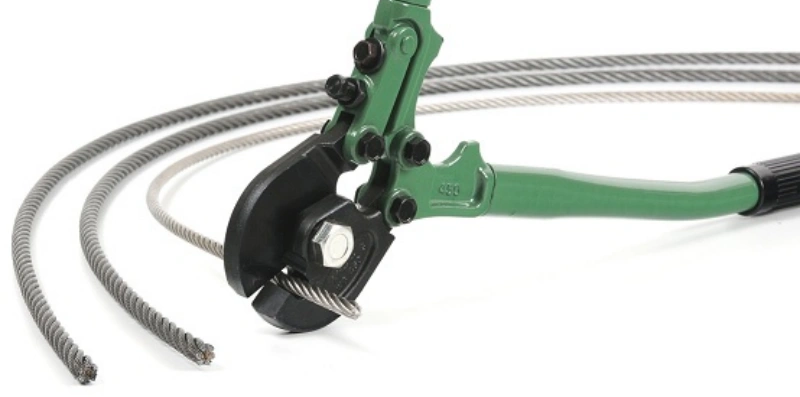
You need the best way to cut wire rope to get a safe, reliable result. Using dedicated wire rope cutters gives you the best way to cut wire rope, especially when working with high-quality products like Powerful Machinery Steel Wire Rope.
The best way to cut wire rope is to prevent fraying and keep your hands safe during every project. Whether you work in construction or handle DIY tasks, the best way to cut wire rope is to ensure professional results. Always choose the best way to cut wire rope for maximum performance and safety.
Key Takeaways
Use dedicated wire rope cutters for clean cuts and to prevent fraying. This ensures safety and maintains the rope’s integrity.
Always prepare your workspace by measuring accurately and securing the rope. Good lighting and proper tools lead to better results.
Wrap the cutting point with tape or seizing wire to keep strands together and avoid fraying during the cut.
Finish the ends of the wire rope with ferrules and crimping tools to secure the strands and prevent injuries.
Regularly inspect the wire rope for damage and replace it as needed to ensure safety and performance in lifting applications.
Why a Clean Cut Matters for Steel Wire Rope?
Risks of Fraying and Safety Issues
When you cut wire rope without the right tools or technique, you risk fraying at the ends. Frayed wire rope can cause serious problems on the job site. You may see corrosion develop, especially if the rope does not get proper lubrication. Corrosion weakens the rope and often goes unnoticed until failure occurs.
Fatigue also becomes a concern when the rope bends repeatedly over pulleys or sheaves. Cracks can form in the wires, making the rope unsafe for lifting or rigging. Abrasion happens when the wire rope rubs against rough surfaces or equipment, wearing down the strands and increasing the chance of breakage.
Frayed ends can snag gloves, clothing, or skin, leading to injuries. You must always prioritize safety when you handle steel wire rope.
You also need to consider how fraying affects the rope’s strength. Here are some common issues that reduce load-bearing capacity:
Excessive tension and stress from overloading can break wires and distort strands, causing fraying.
High temperatures and long exposure to sunlight can expand the rope and weaken its structure, making it more likely to fail.
Benefits of Proper Cutting Techniques
Using the correct method to cut wire rope gives you a clean end and helps maintain the rope’s integrity. You protect yourself and your team from accidents. You also extend the life of your equipment. Here are the main benefits of proper cutting techniques:
Regular inspections help you spot early signs of damage, improving longevity.
Proper lubrication reduces friction and prevents wear, supporting reliability.
Correct handling and usage prevent premature wear, extending lifespan.
Environmental protection shields wire ropes from harsh conditions, keeping them reliable.
Regular cleaning removes contaminants that can cause damage, supporting longevity.
Timely replacement ensures safety and performance, which is crucial for reliable operations.
When you use the right tools and steps to cut wire rope, you get a clean finish that supports safety and performance. You avoid costly downtime and keep your projects running smoothly.
Best Tools to Cut Wire Rope
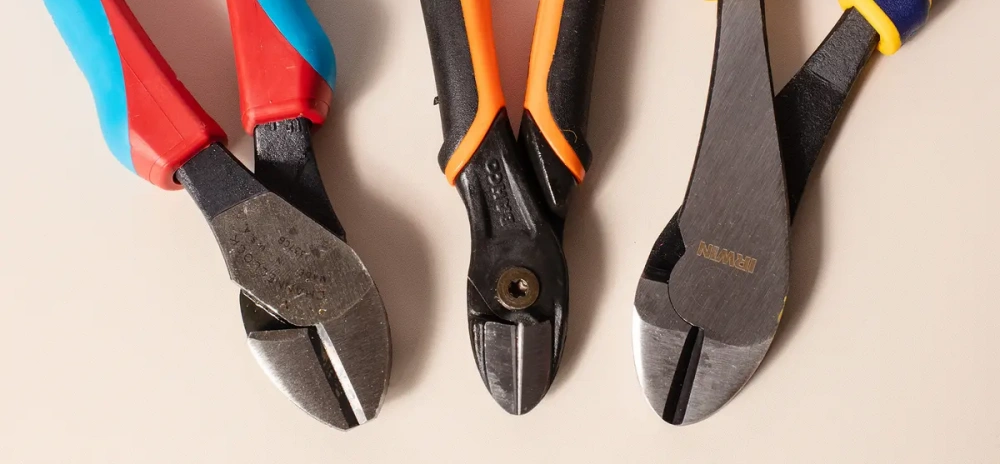
Choosing the right tools makes a big difference when you cut wire rope. Industry experts recommend several cutting tool options for clean, safe results. You need essential tools that match your project and rope type. The table below compares the most popular cutters:
Tool Type | Description |
|---|---|
Dedicated wire rope cutters | Purpose-built for cutting wire rope cleanly, featuring curved jaws that apply even pressure. |
Manual wire rope cutters | Ideal for common sizes (up to 1/4″ or 6mm), operating like scissors for clean cuts. |
Ratcheting cable cutters | Suitable for thicker ropes (around 3/8″ or 10mm), providing mechanical advantage for easier cutting. |
Hydraulic cutters | Best for thick steel wire rope (over 1/2″ or 12mm), using hydraulic pressure for clean cuts. |
Dedicated Wire Rope Cutters from Powerful Machinery
You get the best results with dedicated wire rope cutters from Powerful Machinery. These cutters offer high tensile strength and a non-rotating design, which prevents twisting during lifts. Abrasion resistance and corrosion resistance ensure durability in tough conditions.
Powerful Machinery cutters comply with major safety standards, making them the correct cutters for demanding jobs. If you want to know how to cut galvanized wire rope or how to cut metal wire rope, these cutters deliver clean ends every time.
Feature | Description |
|---|---|
High Tensile Strength | Superior strength for demanding applications. |
Non-Rotating Design | Prevents twisting, ensuring stability. |
Abrasion Resistance | Enhanced durability for a longer lifespan. |
Corrosion Resistance | Galvanized coatings improve resistance by up to 50%. |
Compliance with Standards | Meets ISO9001, OSHA, and other major safety standards. |
Can You Cut Wire Rope with Bolt Cutters?
Bolt cutters may seem convenient, but they often mangle and fray the rope. You risk damaging the strands and reducing load capacity. The table below highlights the differences:
Tool | Cut Quality | Safety Precautions |
|---|---|---|
Dedicated cutters | Clean, un-crushed ends | Safest option, minimal risk |
Bolt cutters | Mangles and frays the rope | High risk of damaging the rope |
Angle grinders | Effective but creates sparks | Requires stringent safety measures |
Cutting Wire Rope with an Angle Grinder or Dremel
Angle grinders and Dremels can cut wire rope, but they create sparks and require strict safety measures. You must wear safety goggles and gloves to protect yourself from flying fragments. Always inspect the rope before cutting and mark the area for accuracy.
Cutting Wire Rope with Hacksaw
Using a hacksaw is possible, but it leaves rough ends and increases the risk of fraying. Heavy-duty gloves and safety glasses are essential when using any cutting tool. You should secure your workspace and handle the rope carefully to avoid accidents.
Tip: Always use the right tools and correct cutters for the cleanest results. Manual wire rope cutters and ratcheting cable cutters work well for most jobs. Dedicated wire rope cutters from Powerful Machinery provide the best performance for steel wire rope.
Cut Wire Rope Without Fraying
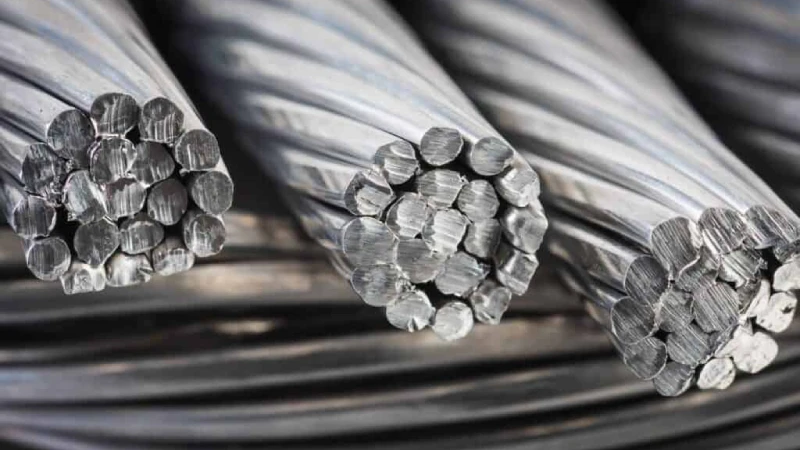
Preparation and Measuring
You must start every project with careful preparation. Begin by selecting the right wire rope for your application. Powerful Machinery Steel Wire Rope offers high tensile strength and a non-rotating design, making it ideal for lifting and rigging. Measure the wire rope twice to confirm the exact length you need.
Mark the cutting point clearly using a permanent marker or chalk. Good lighting helps you see the strands and avoid mistakes. Always wear safety gloves to protect your hands from sharp wires.
If you want to know how to cut 3/8 wire rope, how to cut 3/16 wire rope, or how to cut 1/8 wire rope, accurate measuring is essential for a clean result.
Tip: Use a bench vise to hold the wire rope steady. Position the cutting point as close to the jaws as possible. This prevents movement and supports a precise cut.
Securing and Taping the Wire Rope
You need to secure the wire rope before you cut it without fraying. Tightly wrap both sides of the cutting point with strong tape or seizing wire. Electrical tape works well for most jobs, but specialized seizing wire provides extra protection.
Wrap each side about 1-2 centimeters from the mark. This step keeps the strands together and prevents excessive fraying. Use a bench vise to clamp the rope firmly. The vise holds the rope in place and stops it from shifting during the cut.
Tightly wrap both sides of the cutting point with tape or wire.
Use hardened cutters designed for wire rope to achieve a clean cut.
Cut the rope under controlled conditions to avoid unintentional unraveling.
Note: An anti-fraying toolkit can help you prepare the rope for cutting. The toolkit usually includes tape, seizing wire, and crimping tools.
Step-by-Step Cutting Process
Follow a proven process to cut wire rope without fraying. You need the right tools and a steady hand. Here is a step-by-step guide:
Choose the correct cutting tool for your wire rope thickness. Dedicated wire rope cutters from Powerful Machinery work best for steel wire rope.
Prepare your workspace. Ensure good lighting and wear safety gloves. Use a bench vise to secure the rope.
Measure the wire rope carefully. Mark the cutting point with a visible marker.
Wrap both sides of the cutting point with tape or seizing wire.
Cut the wire rope quickly but steadily. Apply consistent pressure with the cutter for a clean finish.
Inspect the ends after cutting. Look for loose strands or fraying.
If you want to cut the wire rope for specific sizes, such as how to cut 3/8 wire rope, how to cut 3/16 wire rope, or how to cut 1/8 wire rope, always match your cutter to the rope diameter. This ensures a clean cut and maintains the rope’s integrity.
Finishing the Ends for Safety
After cutting the wire rope, you must finish the ends to prevent injuries and maintain performance. Use crimping tools and ferrules to secure the strands. Slide a ferrule over the end and compress it with a crimping tool.
This step locks the wires in place and stops them from unraveling. For extra protection, apply a drop of adhesive or sealant to the end. Inspect the finished end for sharp wires. Trim any protruding strands with wire snips.
Safety: Always check the finished ends before using the wire rope in lifting or rigging applications. Clean ends reduce the risk of snags and injuries.
You can cut wire rope without fraying by following these steps. Careful preparation, secure taping, and proper finishing ensure a professional result every time. Powerful Machinery Steel Wire Rope responds well to these techniques, giving you reliable performance and long-lasting durability.
Comparing Ways to Cut the Wire Rope
Manual vs Power Tools
You face a choice between manual cutters and power tool cutters when you select a cutting method for wire rope. Manual cutters require physical effort and can be time-consuming. You may notice that cut quality varies with manual cutters, especially if you do not use the correct technique.
Power tool cutters, such as hydraulic cutters, increase efficiency and deliver consistent results. You reduce human error and achieve a cleaner finish with power tool cutters. The table below highlights the differences between these methods:
Method | Efficiency | Cut Quality |
|---|---|---|
Manual Cutting | Time-consuming, requires physical exertion | Higher risk of human error, variable quality |
Power Tool Cutting | Increased throughput, precision, and reduced human error | Consistent quality, enhanced safety |
You should match your cutters to the wire rope size and type. For thicker ropes, hydraulic cutters provide the best results. You maintain safety and reliability by choosing the right cutters for each job.
Fuse Cutting and Other Methods
You may encounter fuse cutting and other specialized methods in industrial settings. Fuse cutting uses heat to melt and seal the ends of wire rope, reducing fraying. This method works well for synthetic ropes but is less common for steel wire rope.
You can also use ratchet cutters or parrot beak cutters for normal wire rope. For a non-rotating wire rope, you need to seize both sides of the cut point with safety wire before using the cutters. The table below shows recommended methods for different wire rope types:
Wire Rope Type | Recommended Cutting Method | Notes |
|---|---|---|
Normal Wire Rope | Use a manual parrot beak cutter or ratchet cutter | Protect ends with vinyl electrical tape before cutting |
Non-Rotating Wire Rope | Seize with multiple wraps of safety wire on both sides | Requires specialized tooling and preparation to minimize fraying |
You avoid common mistakes by cutting at the correct angle and seaming the ends properly. You should always consider the diameter and number of strands before selecting a method.
Choosing the Right Method for Steel Wire Rope
You protect the long-term durability of Powerful Machinery Steel Wire Rope by using the correct method and cutters. Proper cutting techniques ensure clean, unfrayed ends and maintain the rope’s integrity.
Poor cutting practices can compromise structural strength and increase the risk of failure. You follow industry guidelines to select the best method:
Invest in the right cutters for your wire rope thickness.
Prepare your workspace with good lighting and safety gear.
Measure the wire rope carefully before using cutters.
Cut quickly but steadily with the chosen method.
Finish the ends with crimping tongs and ferrules for added safety.
You avoid mistakes by using cutters suited to your wire rope and by seizing the ends before cutting. You maintain the performance and safety of Powerful Machinery Steel Wire Rope by following these steps.
Hydraulic cutters work best for thick steel wire rope, while manual cutters suit smaller diameters. You ensure reliability and safety by choosing the right method and cutters for every project.
Conclusion
You achieve the best results when you prioritize safety first and select dedicated wire rope cutters for Powerful Machinery Steel Wire Rope. Always prepare your workspace, measure carefully, and wear heavy-duty gloves.
Professional installers recommend applying the sealer before and after cutting to maintain rope integrity. Regular inspection and proper finishing prevent dangerous issues. The table below highlights key safety factors:
Inspection Frequency | Removal Criteria |
|---|---|
Regular intervals | Excessive broken wires |
Before use | Birdcaging |
After incidents | Core protrusion |
Review the FAQ for quick answers to common safety questions.
FAQ
How do you prevent wire rope from fraying when cutting?
You wrap both sides of the cutting point with tape or seizing wire. This keeps the strands together and stops fraying. Use dedicated wire rope cutters for the cleanest results.
What safety gear should you wear when cutting steel wire rope?
You should wear heavy-duty gloves and safety glasses. These protect your hands and eyes from sharp wires and flying fragments. Always secure your workspace before you start.
Can you use bolt cutters to cut Powerful Machinery Steel Wire Rope?
Bolt cutters often crush and fray the rope. You should use dedicated wire rope cutters for Powerful Machinery Steel Wire Rope. This ensures a clean cut and maintains rope integrity.
What is the best way to finish wire rope ends after cutting?
You slide a ferrule over the end and compress it with a crimping tool. This locks the strands in place. For extra safety, inspect the end for sharp wires and trim any protruding strands.