You need to know how to coil wire rope correctly for safe and efficient lifting in construction and marine projects. Using certified products like Powerful Machinery’s Steel Wire Rope and Galvanized Steel Wire Rope helps you prevent tangling, twisting, and costly equipment damage.
Industry statistics show that non-rotating designs and corrosion-resistant materials reduce maintenance and downtime. When you coil wire with proper technique and certified equipment, you create a safer work environment and extend the life of your rope.
Key Takeaways
Always prepare your work area and inspect the wire rope before coiling to ensure safety and extend equipment life.
Use the over-under technique for coiling to prevent kinks and tangles, making the rope easier to handle.
Store coiled wire rope in a dry, well-ventilated area, elevated off the ground to prevent moisture damage.
Regularly inspect wire rope for signs of wear or corrosion, especially in marine environments, to ensure safety.
Choose certified products like Powerful Machinery’s wire ropes to guarantee quality and reliability in construction and marine applications.
How to Coil Wire Rope Safely?
Preparation Steps
Before you begin, you need to prepare both your work area and the wire rope. Proper preparation reduces the risk of accidents and extends the life of your equipment. Follow these steps to set up for safe and efficient coiling:
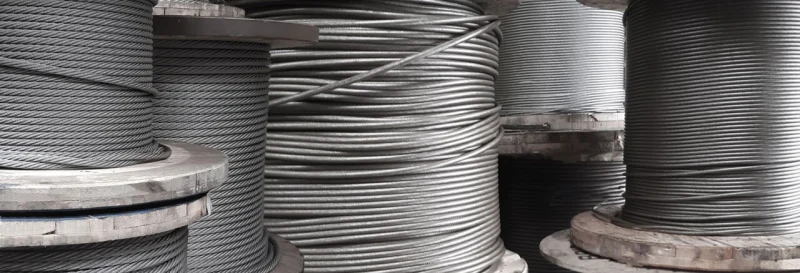
Store the rope on a rack, pallet, or reel stand in a dry, well-ventilated area. This prevents corrosion and keeps the rope in optimal condition.
Check the rope diameter. Use the nominal diameter specified by your equipment manufacturer to avoid unnecessary stress and potential failure.
Use proper unreeling procedures. Always unwind the rope carefully to prevent permanent damage and performance issues.
Keep wraps tight. Make sure the rope stays securely attached to the drum, with at least two to three wraps remaining during normal operations.
Tip: Always inspect the rope before you coil it. Look for broken wires, severe abrasion, kinking, crushing, bird caging, heat damage, or corrosion. If you find any of these issues, replace the rope immediately.
Inspection Criteria | Frequency of Inspection |
|---|---|
Normal service use | Yearly |
Severe service use | Monthly to quarterly |
Special/infrequent service | As recommended by a qualified person |
Powerful Machinery Product Selection
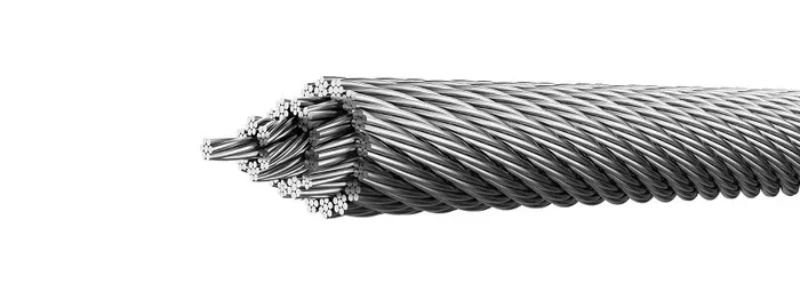
Choosing the right product is essential when learning how to coil wire rope for construction or marine use. Powerful Machinery’s Steel Wire Rope and Galvanized Steel Wire Rope both offer features that enhance safety and performance.
The non-rotating design of Powerful Machinery’s wire rope eliminates the risks of twisting and kinking during coiling. This feature ensures stability and prevents accidents during lifting operations.
For marine environments, galvanized steel wire rope provides a protective zinc layer that slows down corrosion. The zinc coating acts as a barrier against moisture and salt, extending the service life of the rope even in harsh conditions.
Powerful Machinery’s wire ropes hold certifications from API, GOST, and ISO. These certifications guarantee that you receive products that meet international safety and quality standards.
Safety Precautions
You must always prioritize safety when handling and coiling wire rope. Common hazards include abrasion, corrosion, kinking, crushing, overloading, fatigue, improper attachment, and environmental effects. To minimize these risks:
Avoid dragging the rope across rough surfaces to prevent abrasion and surface wear.
Use galvanized steel wire rope in wet or chemical-laden environments to resist corrosion.
Prevent kinking and crushing by following correct coiling techniques and avoiding excessive bending.
Never exceed the working load limit. Distribute loads evenly to prevent deformation or breakage.
Regularly inspect the rope for fatigue, broken strands, or other signs of wear.
Attach slings and fittings correctly to avoid slippage and uneven loading.
Monitor environmental and temperature conditions, as extreme temperatures can weaken the rope.
Cause of Damage | Prevention Method |
|---|---|
Fatigue failure | Improve operator skills; select larger diameter drums; avoid reverse bending. |
Corrosion | Apply oil; use galvanized steel wire ropes. |
Biting | Arrange the rope properly to minimize friction during coiling. |
Deformation wear | Use appropriate rope types; maintain equipment. |
Crushing failure | Inspect and replace worn ropes regularly. |
By following these guidelines, you ensure that you know how to coil wire rope safely and maintain the integrity of your equipment. Powerful Machinery’s certified products and advanced features provide you with the reliability and protection you need for demanding construction and marine applications.
Coiling Methods for Construction and Marine
Over-Under Technique
You can use the over-under technique to coil wire rope efficiently and prevent kinks. This method works well for Powerful Machinery’s Steel Wire Rope and Galvanized Steel Wire Rope, especially when you need quick deployment in construction or marine settings.
The technique helps you avoid tangles and ensures the rope lies flat without twists.
Start with an overhand loop.
Flip the rope and create an underhand loop.
Continue alternating overhand and underhand loops until you finish the coil.
Secure the coil with a tie or string.
This under-over coiling method suits both right-handed and left-handed users. You will notice that the rope remains flexible and ready for use. Professionals in the audio, marine, and construction industries rely on this approach to prevent kinks and extend the life of their equipment.
Tip: Use the over-under technique for ropes that need frequent handling or rapid deployment. This method keeps your rope organized and reduces the risk of damage.
Rolling Coil Method
The rolling coil method is a classic approach for normal coiling tasks. You can use this method for Powerful Machinery’s wire ropes when you need to store or transport them safely. Rolling the coil in a circular motion helps you maintain the rope’s integrity and prevents unnecessary stress.
Lay the rope straight on a clean surface.
Form a circular coil by rolling each loop in the same direction.
Keep the loops uniform and avoid crossing them.
Secure the coil with a strap or band.
This method works best for longer-term storage and when you want to keep the rope in optimal condition. Rolling the coil prevents kinks and makes it easier to inspect the rope before each use.
Coiling with One End Fixed
When you need to coil wire rope with one end fixed, you must follow specific steps to prevent damage. Powerful Machinery’s ropes benefit from this method during installation or when attached to equipment.
Prepare your work area and wear protective gear.
Use single-layer winding for short-term storage or parallel winding for long-term storage.
Wind the coil slowly and evenly, keeping the direction consistent.
Fix the rope tail to prevent scattering.
You should let the coil or reel rotate as the rope unwinds. Avoid dragging the rope over obstacles and maintain slight tension to prevent slack. This under-over coiling approach keeps your rope organized and ready for demanding environments.
Note: Always inspect the coil for signs of wear or damage before storage or use. Proper coiling methods help you prevent tangles and extend the lifespan of Powerful Machinery’s wire ropes.
Securing and Storing Coiled Wire Rope

Tying Off the Coil
You must secure each coil to prevent unraveling during storage or transport. Several reliable methods exist for tying off a coiled wire rope:
Use a figure eight knot to secure the end. Cross the working end over the rest, create a loop, and tighten.
Apply a gasket hitch coil by wrapping the extra rope around the coil several times.
Form a Flemish flake coil by coiling the rope in a circular pattern and tightening as you go.
Finish with a cable coil tie-off. Wrap the end around the coil, pass a bight through, and pull tight.
Tip: Always lock the coil with a wrap or bight to keep the rope contained and ready for use.
Storage Best Practices
You need to store the line in a way that maintains product integrity and prevents corrosion. Powerful Machinery’s steel wire rope and galvanized steel wire rope offer excellent durability, but proper storage extends their lifespan.
Store coils in a dry, well-ventilated area away from direct sunlight.
Elevate coils on racks or pallets to avoid moisture accumulation.
Use protective covers to shield the rope from humidity, rain, and environmental exposure.
Clean and lubricate the wire rope before storage to maintain flexibility and prevent rust.
Keep coils away from chemicals, acids, and bases to avoid corrosion.
Environmental Factor | Description |
|---|---|
Moisture | Exposure to rain, humidity, or saltwater can cause corrosion. |
Temperature Extremes | High or low temperatures affect lubricants and materials. |
Chemical Exposure | Acids, alkalis, and solvents degrade materials and weaken the rope. |
UV Radiation | Sunlight can make fibers brittle and reduce flexibility. |
Abrasive Environments | Sharp edges or rough surfaces cause wear and broken strands. |
Maintenance Tips
Regular maintenance ensures safety and performance for your wire rope in construction and marine environments.
Clean the rope with a stiff brush and water, rinse with vinegar, and let it dry before lubricating.
Apply a thin layer of light oil or synthetic grease to minimize rust and reduce friction.
Inspect coils monthly in marine settings and yearly in construction. Look for broken wires, rust, or kinks.
Keep maintenance records to track rope condition and replacement timing.
Replace the rope when you see diameter loss or multiple broken wires.
Note: Proper inspection and lubrication help you store the line safely and maximize the lifespan of Powerful Machinery’s wire rope products.
Conclusion
You now know how to coil wire rope for construction and marine use with safety and efficiency. Choosing certified products from Powerful Machinery ensures durability and reliability.
Regular inspection and proper storage of each coil help prevent damage and extend the life of your rope. For specialized needs, Powerful Machinery’s experts offer tailored solutions.
Key Takeaway | Description |
|---|---|
Match Rope Type to Application | Select the right rope for your task. |
Adhere to Safety Standards | Follow guidelines to reduce risks. |
Regular Inspection is Crucial | Check for wear and corrosion often. |
Correct Storage Methods | Store coils properly to avoid kinks and damage. |
For unique projects, consult Powerful Machinery for expert advice and custom wire rope solutions.
FAQ
How often should you inspect wire rope in marine environments?
You should inspect the wire rope monthly in marine environments. Saltwater and humidity accelerate wear. Regular checks help you spot corrosion, broken wires, or kinks early. Replace the rope if you see significant damage.
What is the best way to prevent wire rope from tangling during storage?
Store coils on racks or pallets in a dry area. Use ties or straps to secure each coil. Avoid stacking coils directly on the ground.
Tip: Always keep coils elevated and covered to prevent moisture and tangling.
Can you use Powerful Machinery’s galvanized steel wire rope outdoors?
Yes, you can use galvanized steel wire rope outdoors. The zinc coating resists rust and moisture. This makes it ideal for marine, construction, and industrial settings.
Feature | Benefit |
|---|---|
Zinc Coating | Corrosion Proof |
High Tensile | Heavy Loads |
How do you know when to replace wire rope?
Replace the wire rope when you see multiple broken wires, diameter loss, or severe corrosion. Regular inspection helps you catch these issues early.
Note: Never use damaged wire rope for lifting or rigging tasks.