You want to know how to connect two eye bolts for secure lifting. Powerful Machinery has the certified solutions you need. When you work with eye bolts, you choose safety and strength. High-quality stainless steel eye bolts give you confidence in every lift.
You see eye bolts in construction, marine, and cargo jobs. Eye bolts handle heavy loads and resist corrosion. Powerful Machinery’s eye bolts meet international standards. You rely on eye bolts for secure connections. Trust eye bolts from Powerful Machinery for every lifting task.
Key Takeaways
Choose high-quality eye bolts from Powerful Machinery for safe lifting. Stainless steel options resist corrosion and handle heavy loads.
Use strong connectors like shackles or quick links. Always check their weight capacity to match or exceed the load rating of your eye bolts.
Follow a step-by-step process for installation. Align eye bolts properly, tighten securely, and test with a small load before full lifting.
Inspect eye bolts and connectors before each use. Look for cracks, corrosion, and ensure threads are clean and undamaged.
Respect load ratings and compliance standards. Adjust for angle reductions and never exceed the rated load to ensure safety.
Tools and Materials for Connecting Eye Bolts
When you want to connect two eye bolts for secure lifting, you need the right tools and materials. Let’s break down what you’ll need and how to choose the best options for your project.
Choosing Powerful Machinery Eye Bolts
Start with high-quality eye bolts. You want eye bolts that can handle heavy loads and resist corrosion. Powerful Machinery offers stainless steel eye bolts that work well in construction, marine, and industrial settings. These eye bolts meet international standards and give you peace of mind during every lift.
Here’s a quick comparison to help you see why Powerful Machinery stands out:
Brand | Material | Strength Characteristics |
|---|---|---|
Powerful Machinery Eye Bolts | Forged Alloy Steel | Strongest for shoulder eye bolts, ideal for heavy-duty use |
Crosby S-279 | Tempered Steel | Reliable for in-line pull, fatigue-rated for endurance |
You can choose stainless steel eye bolts for harsh environments or galvanized eye bolts for less demanding conditions. Both types offer excellent performance, but stainless steel eye bolts provide the best corrosion resistance.
Selecting Proper Connectors (Shackles, Quick Links)
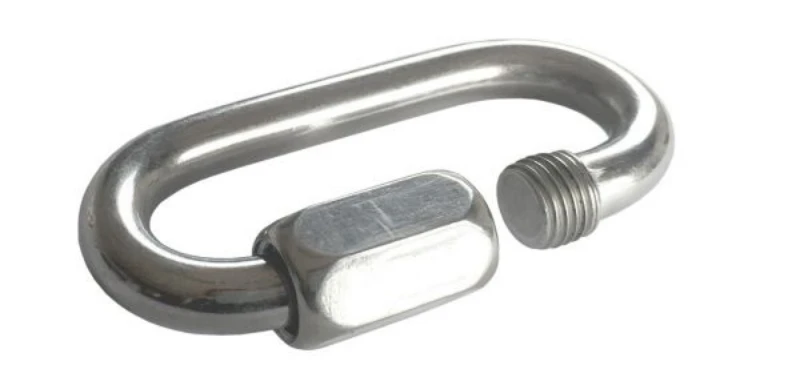
You need connectors to join two eye bolts securely. Shackles and quick links are the most common choices. Always check the weight capacity of your connectors. Make sure they match or exceed the load rating of your lifting eye bolts. Look for connectors made from strong materials like galvanized steel or stainless steel.
Tip: Use screw pin shackles for quick setups. Choose bolt-type pins for extra security during long lifts.
Check the pin type before you start. The right pin makes your connection safer and easier to use.
Essential Installation Tools
Gather your installation tools before you begin. Here’s a handy list:
Wrenches or spanners for tightening eye bolts and connectors
Torque wrench to ensure proper tension
Inspection gauge to check thread quality
Cleaning brush to remove debris from threads
You want to avoid common mistakes during installation. Don’t use worn or damaged eye bolts. Never force equipment into the eye. Always check the working load limit before lifting. These steps keep your lifting eye bolts safe and reliable.
With the right eye bolts, connectors, and tools, you’re ready for a secure and efficient installation.
How to Connect Two Eye Bolts?
Connecting two eye bolts for secure lifting is simple when you follow the right process. You want every lift to be safe and reliable. Let’s walk through each step together, using Powerful Machinery’s certified products and installation best practices.
Aligning and Positioning Eye Bolts
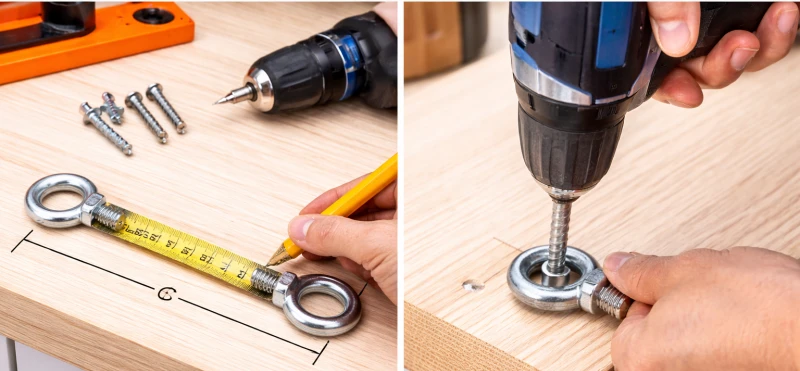
You start by choosing the right spot for your lifting eye bolts. Pick a solid location that can handle the weight. Make sure the surface is clean and free of debris. If you need to drill, use a pilot hole that matches the size of the eye bolt’s threads. This helps with smooth installation and prevents damage.
Proper alignment matters. Always point the eye bolts in the direction of the load. If you angle the bolts, you risk uneven load distribution. That can cause distortion or even failure. You want both eye bolts to line up perfectly. This keeps the load balanced and safe.
Tip: Never force the eye bolts sideways. Use a spreader bar or lifting beam if you need to lift at an angle. This keeps the stress even and protects your equipment.
Before you move on, check that the threaded part of each eye bolt is fully engaged. If you use welded lifting eyes, make sure a qualified professional handles the welding. Good positioning is key to safe lifting.
Attaching Connectors for Secure Lifting
Now you’re ready to connect the two eye bolts. Use strong connectors like shackles or quick links from Powerful Machinery. Make sure the connectors match or exceed the load rating of your lifting eye bolts. This is one of the most important installation best practices.
Before you attach anything, inspect the connectors. Look for cracks, bends, or worn threads. Only use connectors in perfect condition. Place the shackle or quick link through both eye bolts. If you use a hook, make sure the latch is fully closed and engaged.
The chain or sling should sit in the bowl of the hook, not on the tip or side.
Double-check that all pins and shackles are tight.
Avoid shock loading. Lift slowly and steadily to prevent sudden jerks.
Visually inspect the connection before you lift. If you use multiple sling legs or angles over 45°, add a collector ring for extra safety.
Note: Using the right connectors and checking them before every lift is a key part of general eye bolt installation.
Tightening and Securing the Assembly
You want your assembly to stay tight and secure during every lift. Use a wrench or torque wrench to tighten the eye bolts. The right torque depends on the material, size, and thread type of your eye bolts.
Stainless steel bolts from Powerful Machinery have clear markings for load ratings and torque values. Follow these for the best results.
If you work in a high-stress environment, consider using a thread locker. This keeps the bolts from loosening during use. After tightening, test each eye bolt by applying a small load. Make sure nothing shifts or loosens.
For multi-bolt assemblies, use a star or circular tightening pattern. This helps distribute the pressure evenly and prevents leaks or weak spots.
Pattern Name | Description | When to Use |
|---|---|---|
Star Pattern | Tighten bolts in a star-like sequence | Most common for even pressure |
Circular Pattern | Tighten bolts in a circular sequence | Good for uniform pressure |
Check the environmental conditions before you start lifting. Stainless steel eye bolts work well in most settings, but avoid extreme temperatures or chemical exposure unless approved by the manufacturer.
Remember: Following installation best practices and using certified lifting eye bolts from Powerful Machinery gives you the safest and most reliable results.
Here’s a quick checklist for how to connect two eye bolts:
Gather your tools and safety gear.
Pick a strong, clean location for each eye bolt.
Drill pilot holes if needed.
Align and screw in the eye bolts, making sure they face the load.
Attach connectors, checking for proper fit and condition.
Tighten everything to the recommended torque.
Test the assembly with a small load before full lifting.
By following these steps, you know how to connect two eye bolts for secure lifting. You protect your team and your equipment every time you lift.
Safety Checks and Load Limits
When you connect two eye bolts for lifting, safety checks are your first priority. You want every lift to be secure and reliable, so let’s walk through the steps that keep your setup safe.
Verifying Product Certifications
Before you use any eye bolts, check the identification markings. These markings show you the manufacturer, product type, and load rating. Make sure they’re clear and easy to read. Look for compliance with standards like ASTM and DIN 580.
Certified eye bolts from Powerful Machinery always include permanent markings that confirm their strength and suitability for lifting. You can also review the manufacturer’s documentation, which lists the product’s unique identifier, conformity statement, and harmonized standards.
If you see a third-party certification or audit, that’s even better. These steps help you trust that your eye bolts provide a secure attachment point for every lift.
Inspecting Alignment and Tightness
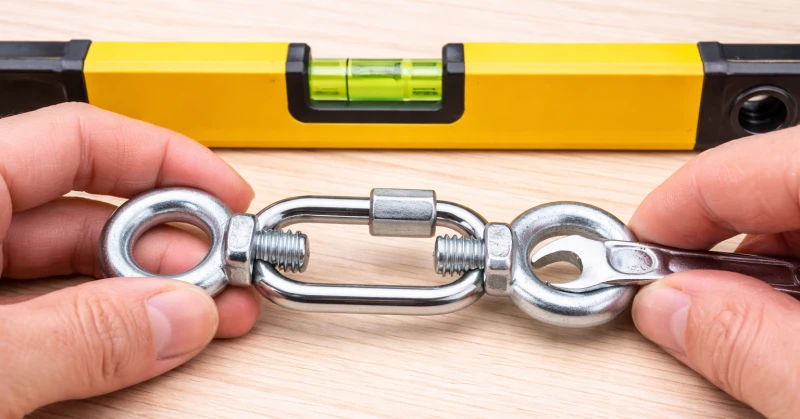
You need to inspect your eye bolts before each use. Here’s a quick table to guide your inspection:
Inspection Criteria | Details |
|---|---|
Before Each Use | Check for cracks, deformation, bent eyes, proper installation, corrosion, and alignment. |
Remove from Service | Remove if you see cracks, bent openings, damaged threads, heavy wear, or missing markings. |
Always make sure the threads are clean and undamaged. Look for signs of corrosion or heat damage. Never use eye bolts that show wear or have been altered. If you spot rust or thread distortion, replace the bolt right away.
Misalignment and loose connections often come from improper installation, corrosion, or using incompatible fasteners. Tighten each bolt fully and confirm that the shoulder seats are correctly seated. This keeps your lifting setup safe and stable.
Confirming Load Ratings and Compliance
You must respect the load ratings for every lift. The capacity of eye bolts changes with the angle of lift and the hardware you use. For example, a shoulder eye bolt rated for 1,500 pounds may only support 900 pounds at a 45-degree angle. Always check the working load limit and adjust for angle reductions.
Regulatory agencies like OSHA require you to inspect equipment before each lift and keep safety records. Compliance with standards such as ASME B30.26 and ASTM ensures your eye bolts meet strict safety guidelines.
Never exceed the rated load, and use lock nuts or thread lockers to prevent loosening from vibration. These steps protect your team and your equipment during every lifting operation.
Tip: Regular inspections and strict attention to load limits help you avoid accidents and keep your lifting jobs running smoothly.
Conclusion
You now know how to connect two eye bolts for secure lifting. Start by choosing the right eye bolts and make sure the shoulder sits flush against the surface. Always check that the threads are clean and fully engaged. Use only certified eye bolts from Powerful Machinery for every lift.
Inspect your eye bolts before each use and schedule annual checks with a qualified inspector. If you see any damage, replace the eye bolts right away. Regular inspection and following manufacturer guidelines keep your lifting jobs safe and reliable.
Stay safe—trust your eye bolts and your process every time you lift.
FAQ
How do you know which size eye bolts to use?
You pick the size based on your load weight and the thickness of the material you’re attaching to. Always check the manufacturer’s load chart before you start.
Can you reuse eye bolts after lifting?
Yes, you can reuse them if they show no signs of wear, bending, or corrosion. Always inspect them before each use to stay safe.
What should you do if an eye bolt feels loose?
Stop using it right away. Tighten it with the right tool. If it still feels loose, remove it and check for thread damage or wear.
Are eye bolts safe for outdoor use?
You can use eye bolts outdoors, especially stainless steel ones. They resist rust and corrosion, so they work well in rain or marine environments.