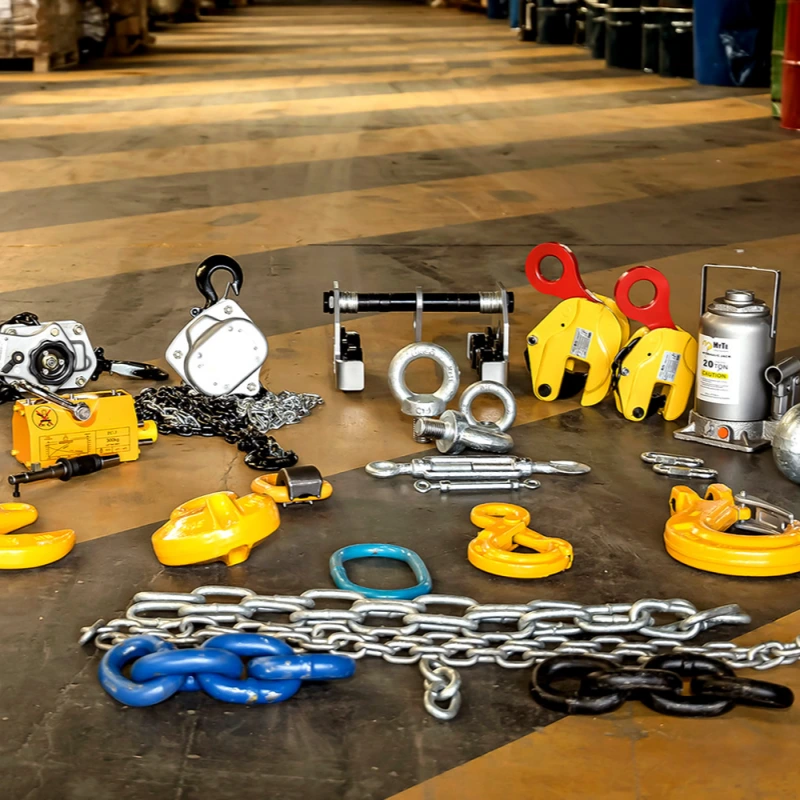
You need a reliable lift magnet testing checklist to keep operations safe and compliant. Start by inspecting all parts for damage, checking bolts and warning labels, and assessing the magnet’s surface. Perform functional and breakaway-force tests, then document your results.
The table below outlines these essential steps:
Step | Description |
|---|---|
1 | Inspect for cracked or bent lifting lugs and release levers. |
2 | Check for contusions or damage to the magnet’s housing. |
3 | Look for rust, gouges, or embedded objects on the magnetic surface. |
4 | Ensure all bolts, welds, and warning labels are secure and present. |
5 | Assess the condition of the epoxy coating on the magnet’s surface. |
6 | Conduct functional testing of the lifting mechanism. |
7 | Perform the breakaway test as per ASME B30.20 standards. |
8 | Document all findings and maintain records of tests performed. |
Regular lift magnet testing protects workers and equipment. Powerful Machinery delivers certified lifting magnets and permanent magnet lifters that help you achieve the highest safety standards. This checklist supports operators, safety officers, and maintenance teams in every industry.
Key Takeaways
Regularly inspect lift magnets for damage, ensuring all components are in good condition to maintain safety.
Conduct breakaway-force tests to verify the magnet’s holding power, aiming for a force at least three times the rated load.
Document all testing procedures and results to track maintenance trends and ensure compliance with safety standards.
Follow strict lockout/tagout procedures before testing to prevent accidental machine startup and protect personnel.
Maintain a clean and safe testing area to minimize risks and ensure accurate testing results.
Lift Magnet Testing Checklist
Key Steps Overview
You must follow a structured approach when performing lift magnet testing. Powerful Machinery’s certified lifting magnets and permanent magnet lifters meet international standards, but you need to verify their condition regularly.
The American Society of Mechanical Engineers (ASME) and European Norm (EN) standards outline essential steps for testing. The table below summarizes these requirements:
Key Steps | Description |
|---|---|
Rated Load Marking | Ensure the rated load is permanently and legibly marked on each lifting magnet. |
Breakaway Force Test | Measure the force required to pull the magnet away from a test plate to confirm safety. |
Inspection Program | Conduct frequent visual checks and schedule detailed inspections based on service level. |
Testing Procedures | Perform tests on a low-carbon steel plate with proper surface finish and flatness. |
Service Conditions | Adjust inspection intervals: yearly for normal use, semiannually for heavy use, quarterly for severe use. |
You should always check for defects in the safety latch, handle, and hoist ring. Testing must be conducted by a trained examiner. Document the performance date and areas of inspection. All lifting magnets must pass ASME B30.20 requirements. You need to perform a breakaway-force test that exceeds the rated lifting capacity.
Common failures detected during lift magnet testing include worn or damaged magnet coils, faulty electrical connections, deteriorated magnet faceplates, magnet overheating, and structural failures in below-the-hook equipment. Magnet control system malfunctions and environmental damage also occur frequently.
You must address these issues during each inspection to maintain operational reliability.
Safety audits often reveal missed checklist items. You should pay attention to the following:
Missing or illegible sling tag.
Sharp edges without protection.
Hook latch removed for convenience.
Overlooked sling angle tension.
Hardware that appears good but has hidden deformation.
Out-of-date periodic inspections.
Custom lifter not proof-tested to 125%.
Rigger or signal person not qualified for the lift.
No recordkeeping when asked by an auditor.
Decisions are made for convenience, such as “just this once.”
You must avoid these mistakes to ensure the integrity of your lifting magnets and the safety of your operation.
Testing Importance
Lift magnet testing plays a vital role in maintaining safety and compliance. You protect workers and equipment by identifying potential failures before they cause accidents. Regular inspections and functional tests verify the holding power of each lifting magnet.
You must perform load tests after repairs or major maintenance to ensure the magnet meets safety standards. Annual certifications demonstrate ongoing compliance with industry regulations.
Maintaining accurate records of inspections, maintenance, and testing activities is crucial. This documentation helps you track trends, plan future maintenance, and provide proof of compliance during audits. You must inspect all equipment types, including shackles, hooks, hoists, and below-the-hook devices.
The benefits of regular lift magnet testing include improved operational reliability, reduced risk of equipment damage, and enhanced worker safety. You minimize downtime and avoid costly repairs by catching issues early. You also prevent legal penalties and reputational damage that result from non-compliance.
Safety hazards increase when you neglect testing, leading to accidents, injuries, and fatalities. Equipment damage becomes more likely, and your business may face fines or lawsuits. Customers lose trust when incidents occur, affecting future opportunities.
You must adopt a proactive approach to lift magnet testing. Powerful Machinery’s certified lifting magnets help you meet the highest standards. You ensure safe, efficient, and compliant operations by following a comprehensive checklist and maintaining proper documentation.
Pre-Test Safety Procedures
Before you begin any lift magnet testing, you must follow strict pre-test safety procedures. These steps protect you, your team, and your equipment. Powerful Machinery recommends that you always start with a thorough lockout/tagout process and careful area preparation.
Lockout/Tagout Steps
You must use lockout/tagout procedures to control hazardous energy and prevent accidental machine startup. Start by shutting down the lifting magnet system and disconnecting it from any power source. Place lockout/tagout devices on all energy isolation points. Attach a tag to each device with your name and the date.
This tag alerts others that you are working on the equipment. Try to operate the controls to confirm that the system cannot start. Only you should remove your lockout/tagout device when the work is complete. Never skip these steps, even if you expect a quick inspection.
Lockout/tagout is essential for safety and aligns with Powerful Machinery’s commitment to industry-leading standards.
Area Preparation
You must prepare the testing area to ensure accurate results and a safe environment. Follow these steps before you begin:
Step | Description |
|---|---|
1 | Conduct testing between 50 and 90 degrees Fahrenheit. |
2 | Verify surface roughness of the test plate to be 63 ± 5 micro inches. |
3 | Ensure flatness over the contact area is within 0.001″. |
4 | Confirm that the magnet makes 100% contact with the test plate. |
5 | Check that the load applied is perpendicular to the magnet’s working surface. |
6 | Measure flux density on the opposite surface of the test plate to ensure it is less than 5 Gauss. |
Clear the area of unnecessary tools and materials. Mark the testing zone with visible barriers or warning signs. Make sure only authorized personnel enter the area during testing. You should wear proper personal protective equipment, such as gloves and safety glasses.
These steps help you maintain a controlled environment and reduce the risk of accidents.
Tip: Careful lockout/tagout and area preparation set the foundation for a safe and successful lift magnet testing process.
Visual Inspection of Lifting Magnets
Component Check
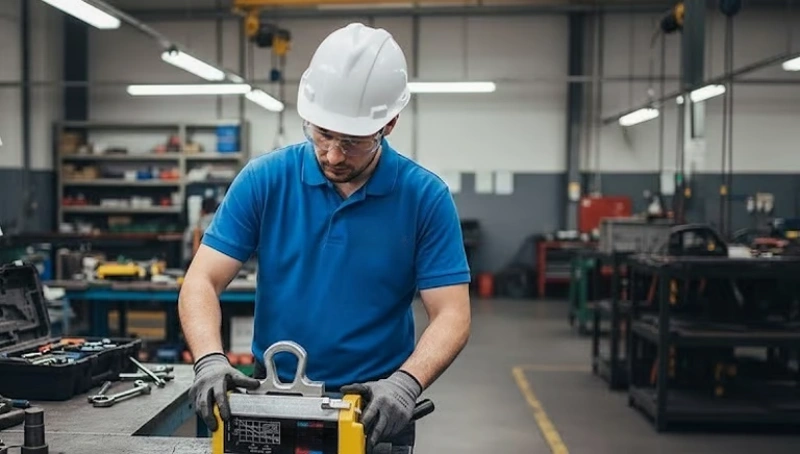
You must start your inspection by examining every part of the lifting magnet. Look for cracks, bends, or other signs of damage on the lifting lugs and release levers. Check the magnet’s housing for dents, rust, or gouges. Examine the magnetic surface for embedded objects or wear.
If you see any loose bolts or missing hardware, replace them before using the magnet. Inspect the epoxy coating for chips or peeling. A damaged coating can expose the magnet to moisture and cause corrosion. Always check the safety lever and handle for smooth operation.
If you notice any stiffness or sticking, address it immediately. You should also verify that the forged hook and assembly block remain secure and free from deformation.
Tip: Regular visual checks help you catch problems early and keep your lifting magnets in top condition.
Markings and Controls
Proper markings and controls are essential for safe operation. You must confirm that all required information appears clearly on the magnet. International standards, such as ASME B.30.20-3, outline what you need to check. The table below summarizes these requirements:
Standard | Description |
|---|---|
Requires permanent and legible markings for rated load, manufacturer, and serial number. Also covers construction, installation, inspection, testing, maintenance, and operation. | |
Section 20-3.4 | Focuses on operator qualifications, training, and standard operational practices. |
When you inspect the controls, follow these steps:
Check that the pendant markings match the actual movement of the hoist. For example, ‘up’ should move the hoist up.
Test the trolley controls to ensure they move left or right as labeled.
Confirm the bridge moves as indicated.
Inspect warning devices, such as horns or indicator lights, for proper function.
Make sure no one has modified the controls or disabled safety features.
Consider labeling controls with directions like ‘north,’ ‘south,’ ‘east,’ and ‘west’ to reduce confusion.
Operate all hoist functions to verify they work as marked.
You must ensure all markings remain visible and accurate. If you find missing or unclear labels, replace them before use. These steps help you comply with safety standards and protect everyone on site.
Functional Testing & Compliance
Breakaway Force Test
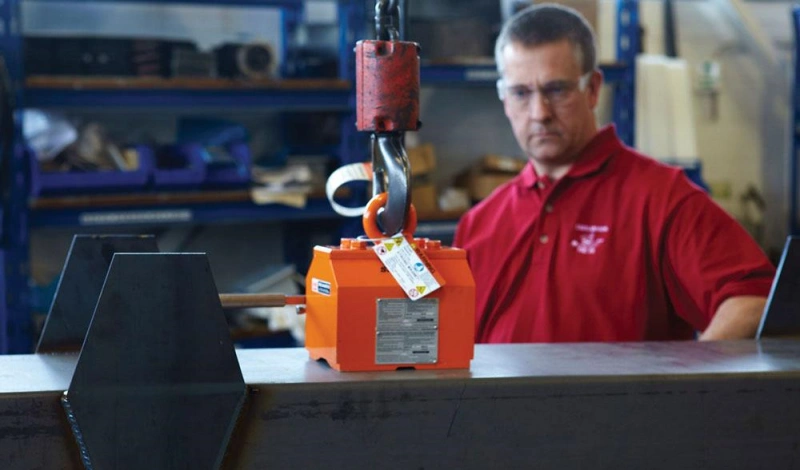
You must conduct a breakaway-force test to verify the holding power of each lifting magnet. This test measures the force needed to remove the magnet from a steel plate. Powerful Machinery follows strict procedures to ensure every unit meets ASME and EN standards.
You should always use a test plate with the correct surface finish and alignment. Trained personnel perform the test before any lifting process begins. The breakaway force must reach at least three times the rated load capacity, which provides a strong safety factor.
You need to inspect the safety latch, handle, hoist ring, and bottom face for defects. Electrical checks confirm that all indicators and alarms work as intended.
Procedure | Description |
|---|---|
Testing Requirement | Factory testing by trained personnel following safety guidelines. |
Safety Factor | Minimum breakaway force is three times the rated load capacity (3:1). |
Areas of Inspection | Inspect latch, handle, hoist ring, bottom face, and safety markings. |
Electrical Checks | Confirm all controls and alarms function, especially emergency signals. |
Documentation | Record performance dates and inspection areas. |
Tip: Always perform the breakaway-force test before using any lifting magnet to ensure maximum safety.
Load Test
You must perform a load test to confirm the magnet’s ability to lift its rated capacity. This test checks the magnet under real working conditions. Powerful Machinery’s certified equipment undergoes annual design factor tests to verify compliance with EN standards.
You need to test the magnet on a low-carbon steel plate and apply the load perpendicular to the working surface. The rated load must always exceed the maximum breakaway load to prevent overload. Specified application tests determine breakaway forces under different loading conditions.
Test Type | Description |
|---|---|
Breakaway Force Tests | Measures the force needed to remove the magnet from the steel plate. |
Specified Application Tests | Determines breakaway forces under various loading conditions. |
Design Factor Test | Annual test to verify compliance; rated load must exceed maximum breakaway load. |
Note: Load tests help you confirm the reliability of your equipment and prevent unexpected failures.
Record-Keeping
You must document every testing procedure to meet regulatory compliance. Keep records of inspection dates, areas checked, and test results. Annual inspections and certifications are required for all lifting magnets. If the magnet meets the rated Working Load Limit, you receive a certificate of conformance.
Testing must follow ASME B30.20 standards for below-the-hook magnetic lifting devices. Proper documentation helps you track maintenance trends and provides proof during audits.
Requirement | Description |
|---|---|
Annual Inspection | Inspection and certification by a qualified technician every year. |
Compliance Standards | Testing must meet ASME B30.20 standards. |
Testing Procedures | Includes visual, functional, and breakaway tests. |
Documentation | A certificate of conformance is provided if the magnet meets the rated Working Load Limit. |
Callout: Accurate record-keeping ensures your equipment stays compliant and ready for safe operation.
Post-Test Safety Measures
Equipment Restoration
After you complete all lift magnet tests, you must restore the equipment to its proper working condition. Start by removing all lockout/tagout devices. Only the person who applied the lock should remove it. Reconnect the lifting magnet to its power source if required.
Inspect the magnet and its components one more time to confirm that no tools or foreign objects remain attached. Reset all controls and safety levers to their default positions. If you adjusted any settings during testing, return them to their original state.
Clean the magnet’s surface to remove dust, grease, or debris. This step helps maintain the magnet’s performance and extends its service life.
Tip: Always update the maintenance log after restoring the equipment. Accurate records help you track the magnet’s condition and schedule future inspections.
Area Safety Check
Before you allow normal operations to resume, you must ensure the testing area is safe. Walk through the entire zone and look for leftover tools, test plates, or barriers. Remove all temporary warning signs and restore permanent safety signage.
Verify that the floor is clear of oil, metal shavings, or other slip hazards. Check that all personnel have left the restricted area and that only authorized staff remain. Inspect the surrounding equipment to confirm nothing was disturbed during testing.
Use this checklist to guide your area safety check:
All tools and test materials removed
Temporary barriers and warning signs cleared
Permanent safety signage restored
Floor and surfaces cleaned
Only authorized personnel present
Nearby equipment inspected
Note: A thorough area safety check prevents accidents and keeps your workplace compliant with Powerful Machinery’s safety standards.
Conclusion
You protect your team and equipment when you follow a lift magnet testing checklist. Powerful Machinery’s certified lifting magnets and permanent magnet lifters help you meet strict safety standards. Stay current with industry updates by reviewing key inspection criteria:
Inspection Criteria | Description |
|---|---|
Lift the magnet surface | Condition and operation of handles and safety latches |
Condition of the lifting ball or eye hook | Cracked housing, welds, or loose bolts |
Warning labels and capacity markings |
Visit Powerful Machinery for more support. Make regular testing a priority and stay informed on the latest standards.
FAQ
How often should you test lifting magnets?
You should test lifting magnets at least once a year. If you use them heavily, schedule tests every six months. Follow industry standards for inspection intervals to keep your equipment safe and compliant.
What is the breakaway force test?
The breakaway force test measures the force needed to detach the magnet from a steel plate. You must ensure the force is at least three times the rated load. This test confirms the magnet’s holding power.
Can you use permanent magnet lifters on thin materials?
Permanent magnet lifters work best on thick, flat steel. Thin materials may reduce lifting capacity. Always check the manufacturer’s specifications before lifting thin plates.
What records should you keep after testing?
You need to document inspection dates, test results, and areas checked. Keep certificates of conformance and maintenance logs. Accurate records help you prove compliance during audits.
Why do you need to inspect warning labels and markings?
Warning labels and markings provide critical safety information. You must check that all labels are clear and accurate. Missing or damaged labels can lead to unsafe operation and violations.