
Lifting Magnets for Steel | Permanent Magnetic Lifters
Powerful Machinery manufactures SY permanent lifting magnets for handling steel plates, blocks, and other compatible ferromagnetic loads. The range includes eight models with rated lifting capacities from 100 kg to 5,000 kg.
Selecting a lifting magnet depends on more than load weight. Material grade, thickness, surface condition, load shape, and contact area can all affect magnetic holding performance. Send us your load details, and we can help review the appropriate SY model for your application.
Request a lifting magnet quote or compare our permanent magnet lifter specifications.

Each lifting magnet delivers tested, rated holding power you can rely on during daily steel lifting and positioning tasks.
Working directly with the manufacturer ensures consistent quality control, predictable lead times, and better cost efficiency.
All lifting magnets meet recognized safety standards, supporting stable, reliable operation in demanding industrial environments.
Lifting magnets are built around your load types, dimensions, and workflows rather than fixed catalog limits.
Permanent Lifting Magnets for Steel Handling
SY lifting magnets use a permanent magnetic circuit and a manual operating lever, so no external electrical power is required to maintain magnetic attraction.
They are designed for handling compatible ferromagnetic workpieces in steel fabrication, machining, stock handling and related industrial applications. Magnetic holding performance depends on the workpiece as well as the magnet itself, so material properties, thickness, surface condition and contact area should be considered when selecting a model.
For more detail on the operating principle, see how a lifting magnet works.
LIFT MAGNETS
Our magnetic lifter support lifting and rigging operations across diverse applications. Our selection includes:
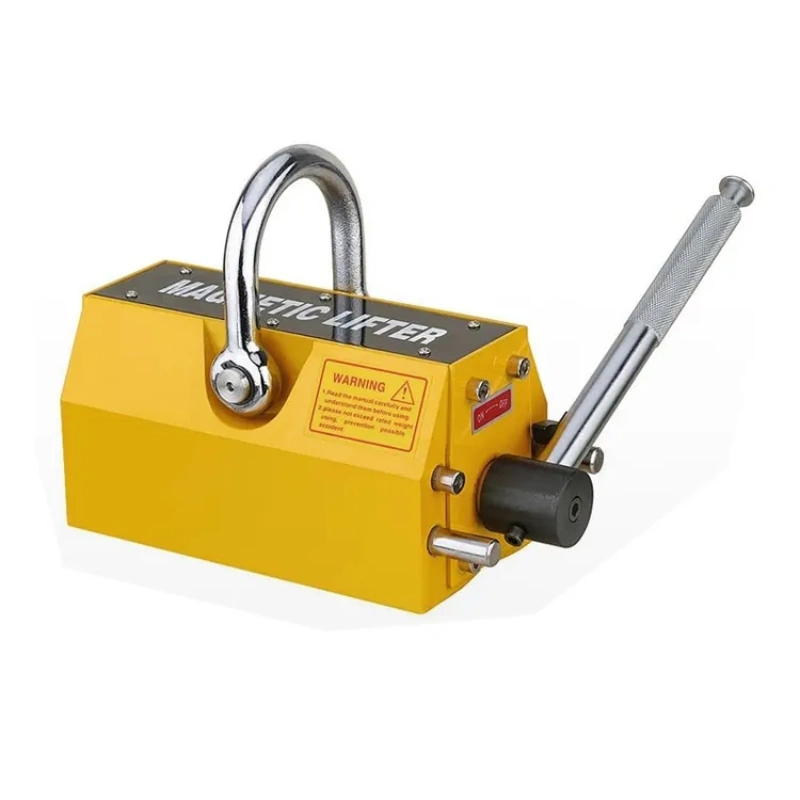
Permanent Lifting Magnet
A permanent lifting magnet grips steel using internal magnetic force, not electricity. A simple lever controls lift and release, delivering stable holding power and safe operation even during power loss.
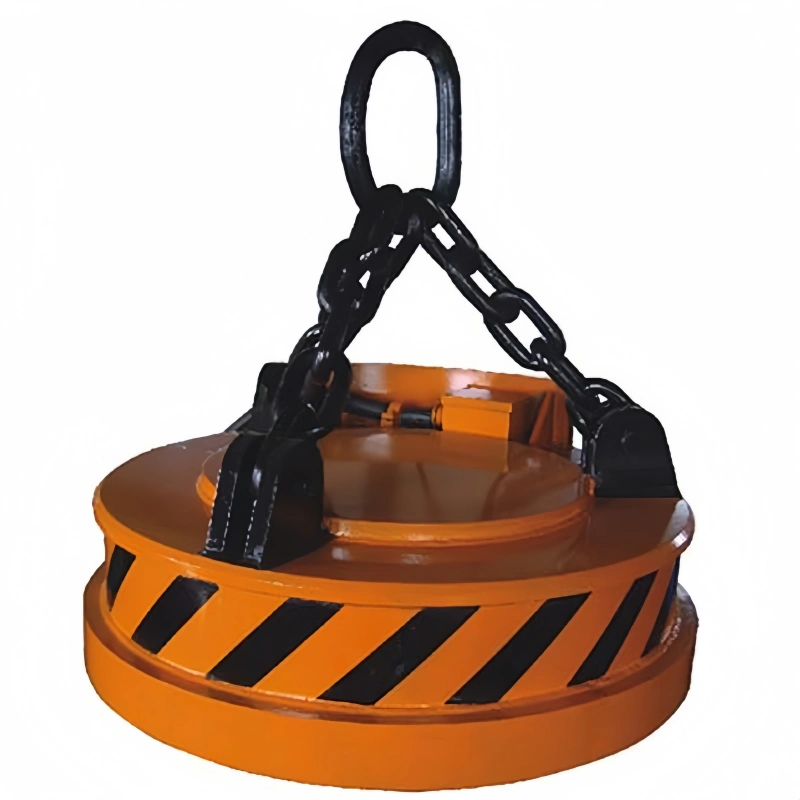
Electromagnetic Lifting Magnet
Electromagnetic lifting magnets use continuous electric power to lift, move, and release steel safely, handling heavy or irregular loads with precise on/off control.
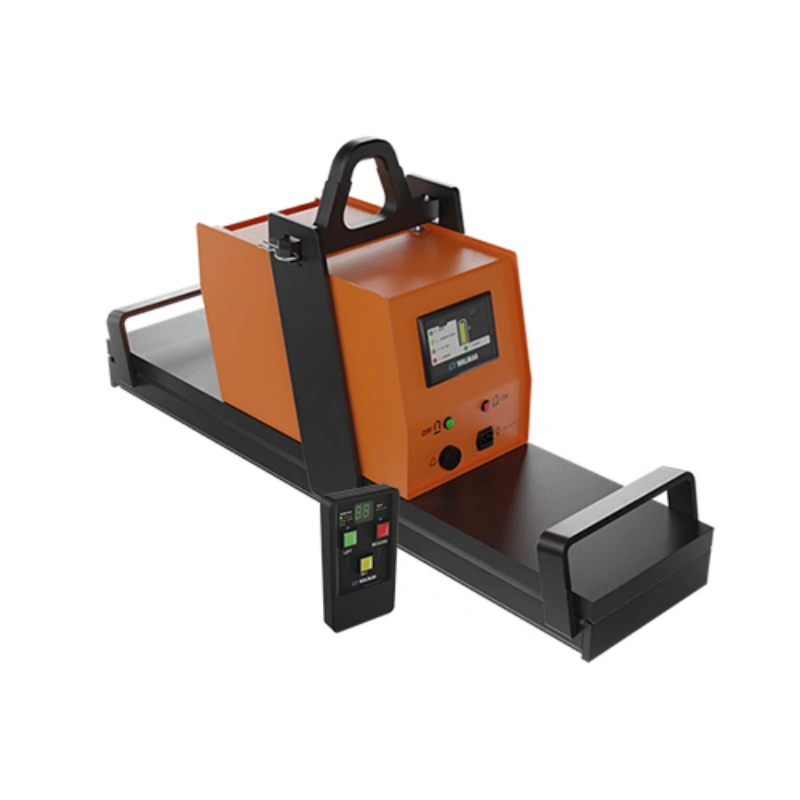
Battery Lifting Magnet
Battery-powered lifting magnets use internal batteries to lift and move steel without cords. Portable, safe, and reliable for electro-permanent industrial handling.
SY Permanent Magnetic Lifter Specifications
| Model | Lifting Capacity (kg) | L × W × H (cm) | Max. Breakaway Force (kg) | Net Weight (kg) | Gross Weight (kg) |
|---|---|---|---|---|---|
| SY-100 | 100 | 25 × 16 × 16 | 300 | 3 | 4 |
| SY-400 | 400 | 32 × 20 × 17 | 1,200 | 10 | 11 |
| SY-600 | 600 | 37 × 23 × 21 | 1,800 | 20 | 22 |
| SY-1000 | 1,000 | 43 × 28 × 24 | 3,000 | 37 | 40 |
| SY-2000 | 2,000 | 52 × 30 × 31 | 5,000 | 68 | 74 |
| SY-3000 | 3,000 | 60 × 30 × 31 | 7,500 | 87 | 93 |
| SY-4000 | 4,000 | 68 × 30 × 41 | 10,000 | 113 | 121 |
| SY-5000 | 5,000 | 73 × 40 × 48 | 12,500 | 198 | 213 |
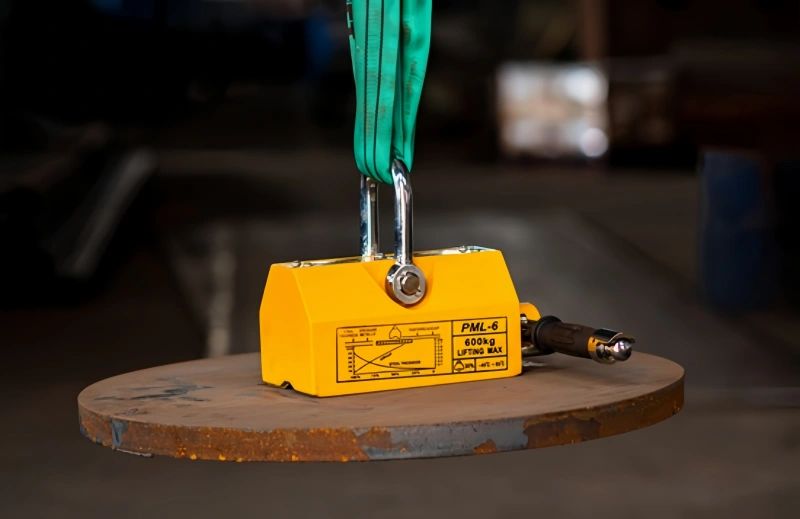
Lifting Capacity vs. Maximum Breakaway Force
Lifting capacity is the catalogue rating for each model. Maximum breakaway force refers to the separation-force value under the applicable test conditions. It should not be treated as additional working capacity.
Actual suitability also depends on the material, thickness, surface condition, geometry, and contact area of the workpiece.
How to Choose the Right Lifting Magnet?
1. Confirm the Workpiece Material
Start with the material grade. The workpiece must provide sufficient ferromagnetic attraction for the selected lifting magnet. Nonferrous materials and some stainless steel grades may not be suitable for a standard permanent magnetic lifter.
2. Check Load Weight and Thickness
Provide both the maximum load weight and the minimum material thickness. Thin material can affect the magnetic circuit, so a magnet with a rated capacity equal to the load weight is not automatically suitable for every workpiece.
3. Check Load Shape and Surface Condition
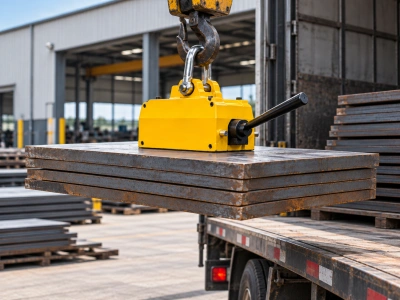
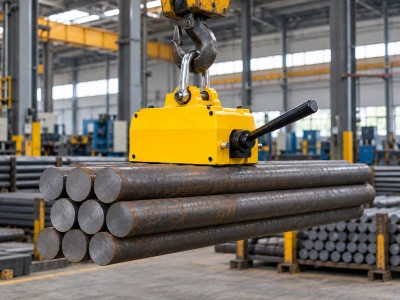
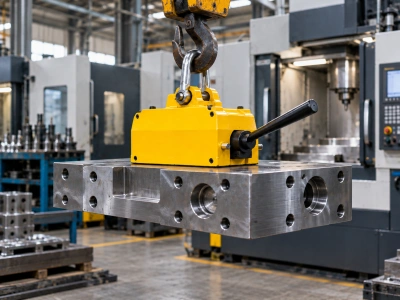
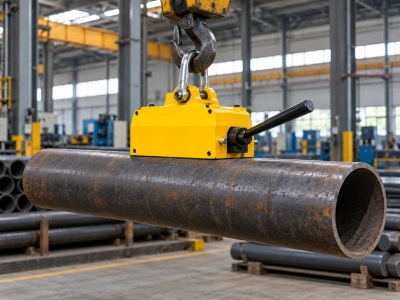
State whether the load is a flat plate, block, round bar, pipe or fabricated component. Paint, rust, mill scale, rough surfaces, curvature and air gaps can reduce effective magnetic contact.
Round or irregular workpieces should be evaluated separately from flat steel plate because the available contact area is different.
4. Consider Load Size and Lifting Arrangement
Include the overall dimensions, center of gravity and intended lifting orientation. Long, flexible or uneven loads may require more than one lifting point or a different lifting arrangement.
Typical Lifting Magnet Applications
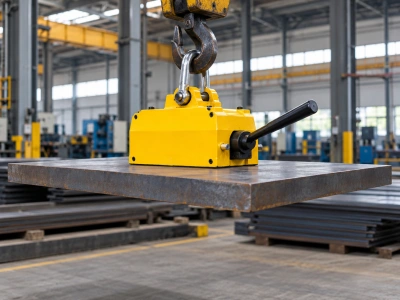
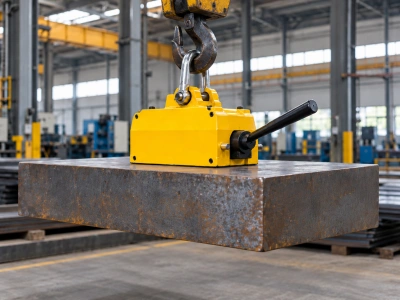
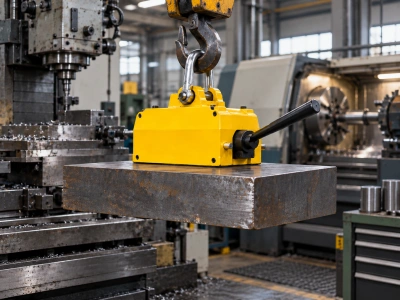
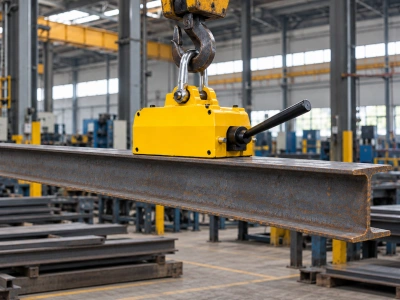
SY permanent lifting magnets are intended for compatible ferromagnetic workpieces in industrial steel-handling operations. Typical applications include:
Lifting Magnet Inspection and Testing
Before use, check the lifting face, operating handle, lifting attachment and product markings according to the instructions for the specific unit. Equipment with unresolved damage or operating problems should be removed from service until it has been properly assessed.
For more information, see our lifting magnet inspection guide and lifting magnet testing guide.
If a magnet is damaged or does not operate correctly, review our lifting magnet repair considerations and arrange an appropriate technical assessment before returning the unit to service.
Request a Lifting Magnet Quote
To help us review the suitable lifting magnet for your application, send the following information:
- Maximum load weight
- Material or steel grade
- Minimum material thickness
- Workpiece dimensions
- Load shape
- Surface condition
- Lifting orientation
- Available crane or hoist
- Order quantity
- Destination
- Drawing or photos, if available
If you already have a preferred SY model, include the model number with your inquiry.
Contact Powerful Machinery with your load details to request a quotation and technical information.
Lifting Magnet FAQs
Can SY lifting magnets be used for round steel?
Round steel requires separate evaluation because a curved surface provides different contact conditions from a flat plate. Provide the diameter, wall thickness or section size, load weight and lifting orientation when requesting a model recommendation.
Can I use a lifting magnet on painted or rusty steel?
Paint, rust, mill scale and rough surfaces can create gaps between the magnet and the workpiece, reducing effective magnetic contact. Provide the actual surface condition when selecting a lifting magnet.
What is the difference between lifting capacity and breakaway force?
Lifting capacity is the catalogue model rating. Maximum breakaway force is a separation-force value under test conditions and should not be treated as additional working capacity.
Do permanent lifting magnets need electricity?
No external electrical supply is required to maintain magnetic attraction. SY models use a permanent magnetic circuit operated by a manual lever.
What information should I include in a lifting magnet RFQ?
Include the load weight, material grade, minimum thickness, dimensions, shape, surface condition, lifting orientation, available crane or hoist, quantity and destination. A drawing or photo can also help clarify the application. 粘贴的 Markdown (1)
Have More Questions of Lifting Magnets?
Have more questions about lifting magnets? We’re here to help! Whether you’re curious about how they work, their applications, or maintenance, we offer expert insights to guide you. Contact us for detailed answers and reliable lifting magnet solutions.