You improve safety and accuracy every time you perform a crane scale inspection. Follow these six key steps: visual inspection, check load-carrying components, calibrate and verify accuracy, inspect electrical systems, review logs, and schedule maintenance.
Powerful Machinery stands behind every product with proven durability and certified quality. This guide gives you practical actions and critical safety rules for using your crane scales. By following these steps, you increase operational efficiency and maintain compliance.
Regular inspections ensure accurate readings, enhance workflows, and help you avoid costly penalties.
Benefit | Description |
|---|---|
Accurate Weight Measurements | Essential for safety and regulatory adherence, ensuring compliance with weight-based regulations. |
Enhanced Workflows | Reduces human error and improves accountability, leading to more efficient operations. |
Avoidance of Penalties | Regular inspections prevent inaccuracies that could result in fines or penalties for overweight shipments. |
Key Takeaways
Perform regular visual inspections to catch damage early. Look for cracks, wear, and unusual noises to ensure safety.
Calibrate crane scales frequently using certified weights. This maintains accuracy and compliance with industry standards.
Inspect electrical systems and battery connections before each use. This prevents unexpected failures during operation.
Keep detailed inspection and service records. Documenting maintenance helps track performance and ensures compliance.
Schedule professional maintenance regularly. This extends the lifespan of your crane scales and prevents costly repairs.
Visual Crane Scales Inspection & Critical Safety Rules
Check for Damage or Wear
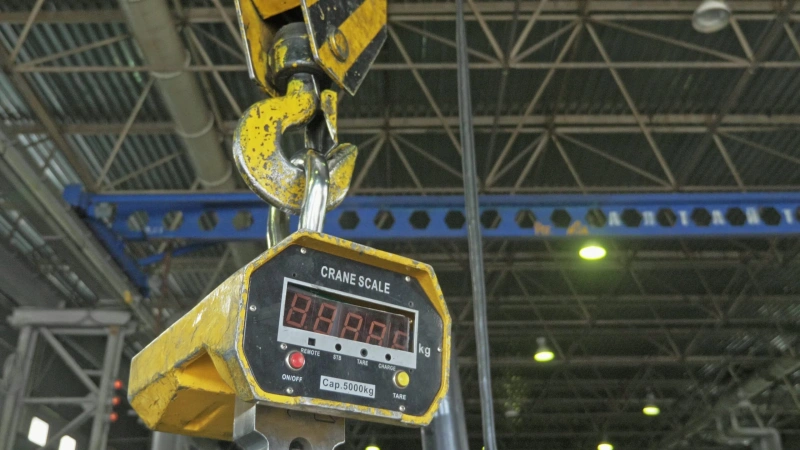
Begin your crane scales inspection by looking for visible signs of damage or wear. Examine the scale body, hooks, and shackles for cracks, bends, or unusual marks. Listen for any abnormal noise or vibration during operation, as these can signal worn wheels or misaligned bearings.
Reduced lifting precision or load capacity often points to underlying issues. The table below summarizes common wear signs you may encounter:
Wear Sign Description | Explanation |
|---|---|
Unusual Noise or Vibration During Operation | Indicates problems in components like worn wheels or misaligned bearings, leading to larger structural damage if ignored. |
Visible Cracks or Deformation on the Structure | Fatigue in the metal frame can lead to cracks or bends, which can expand under stress, risking sudden failure. |
Uneven Wheel Wear or Frequent Rail Misalignment | Causes drifting off-track or misalignment due to overloading or poor alignment, necessitating the potential replacement of the entire carriage. |
Reduced Lifting Precision or Load Capacity | Signs of wear may lead to inconsistent performance, indicating that the end trucks are not functioning as designed. |
Powerful Machinery’s crane scales are engineered for durability, but regular inspection remains essential for safety.
Inspect Hooks, Shackles, and Scale Body
You must inspect hooks, shackles, and the scale body every day before use. Check for visible damage such as cracks, deformation, or excessive wear. Pay close attention to welds and connection points, as fatigue failures often start there. Examine hardware for rust or other damage.
Inspect the display unit and cables for damaged wiring or loose connections. Daily visual checks help you catch issues early and maintain reliable performance.
Identify Corrosion or Deformation
Corrosion and deformation can compromise safety and accuracy. Check these areas during every crane scale inspection. Industry guidelines recommend periodic inspections monthly, quarterly, or annually, depending on usage and environmental conditions:
Inspection Type | Frequency |
|---|---|
Periodic Inspections | Monthly, Quarterly, Annually |
Based on Usage | Varies by classification |
Environmental Conditions | Affects frequency |
Follow safety precautions by ensuring all labels are legible and accurate. Examine webbing for cuts or abrasions and check all stitching for signs of fraying. These steps protect you from unexpected failures.
Always follow critical safety rules during inspection. Conduct a pre-operation check, verify load weight, use proper rigging techniques, and communicate clearly with your team. Adhering to safety precautions ensures a secure work environment.
Inspect Load-Carrying Components
Examine Load Cells and Connectors
You start by checking the load cells and connectors. These components measure the weight and transmit data, so their integrity is critical. Look for signs of physical damage, loose connections, or corrosion.
Powerful Machinery uses certified load cells that meet international standards, ensuring reliable performance in demanding environments. Review the certifications for industrial crane scales below:
Certification | Description |
|---|---|
IEC 60079 | International standard for explosive atmospheres |
ATEX/IECEx | Certification for Europe and international use |
FM Approved | Safety for hazardous locations in North America |
CSA Approved | Canadian certification for electrical equipment safety |
System-level safety | Ensures safe wiring, installation, and integration |
You also verify compliance with NIST and OIML requirements for measurement accuracy. If you notice any irregularities, schedule immediate repairs to maintain operational safety.
Assess Shackles and Fasteners
You inspect shackles and fasteners before every lift. Follow these steps to ensure their integrity:
Check shackles for damage, wear, or corrosion.
Select the correct size and capacity for the load.
Confirm proper pin installation and security.
Avoid side loading to prevent bending.
Position shackles to apply the load evenly.
Use safety clips or pins to secure the shackle pin.
Never exceed the rated capacity.
Prevent impact loads that can cause failure.
Store shackles in a clean, dry place.
Train personnel in safe handling.
Powerful Machinery’s shackles and fasteners are fully certified and designed for heavy-duty use. You protect your team and equipment by following these procedures during crane scale inspection.
Replace Worn or Broken Parts
You replace any worn or broken parts immediately. Inspect all load-carrying components for cracks, deformation, or excessive wear. Use only certified replacement parts from Powerful Machinery to maintain system integrity.
Document each replacement in your maintenance log. This step ensures continued safety and prevents unexpected downtime.
Tip: Always keep spare certified shackles, fasteners, and connectors on hand for quick replacement.
Calibrate Crane Scales & Verify Accuracy
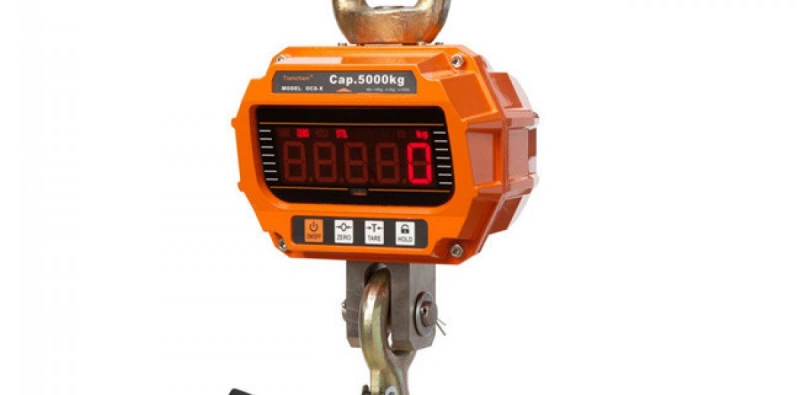
Digital Crane Scale Calibration Steps
You maintain precision and operational safety by performing regular crane scale calibration. Powerful Machinery’s digital crane scale models feature user-friendly calibration procedures. Follow these steps for professional calibration:
Place certified calibration weights on the digital crane scale platform.
Access the calibration menu using the scale’s control panel.
Follow the manufacturer’s instructions to adjust readings so they match the reference weight.
Use automatic calibration features if available, following on-screen prompts for precision.
Repeat calibration checks after heavy use or repairs to ensure accuracy.
Tip: Always use certified weights for calibration checks. This guarantees accuracy and maintains compliance with industry standards.
Use Certified Weights for Testing
Certified weights play a crucial role in crane scales inspection. These weights undergo rigorous testing by accredited organizations. You ensure precision and accuracy by using them during professional calibration.
Accurate readings protect safety and prevent costly errors. You must use certified weights for every calibration check to maintain reliability.
Calibration Frequency | Recommended Interval |
|---|---|
High-volume operations | Weekly or daily |
Standard environments | Monthly or quarterly |
Minimum requirement | Annually |
You adjust calibration intervals based on usage and environmental conditions. After any operational changes or incidents, you must calibrate crane scales again.
Troubleshoot Inaccurate Readings
You address inaccurate readings during crane scale calibration by following these troubleshooting steps:
Apply known loads to the digital crane scale to establish a reference.
Compare output readings to expected values for precision.
Record any discrepancies for further adjustment.
Adjust internal settings to fine-tune accuracy.
Repeat calibration checks to confirm the display matches the actual weight.
Schedule professional calibration if errors persist.
Note: Track calibration dates and follow manufacturer recommendations for professional calibration. Regular maintenance ensures accuracy and precision.
You maintain operational safety and compliance by calibrating crane scales at recommended intervals. Professional calibration and routine calibration checks guarantee precision and reliability for every lifting operation.
Check Electrical Systems & Battery
Test Battery and Power Connections
You must test the battery and power connections before each use. Proper installation and timely replacement of batteries keep your crane scale running smoothly. Always follow the manufacturer’s instructions when installing or changing batteries.
Regularly check the battery status using the voltage meter on your electronic crane scale. If the voltage drops below the safe range, replace the battery immediately. This practice prevents unexpected shutdowns and keeps your operations on schedule.
By monitoring battery health, you reduce the risk of failures during critical lifts.
Inspect Wiring and Displays
You should inspect all wiring and display units for signs of damage, wear, or corrosion. Look for loose or corroded connections, as these can affect the accuracy of your crane scale. Electrical surges may damage load cells, causing erratic readings or sudden failure. Use this checklist for your inspection:
Examine all wires for cuts, fraying, or exposed metal.
Check connectors for tightness and signs of corrosion.
Review the display for clear, readable numbers and proper backlighting.
Monitor load cell health and structural integrity.
Run software diagnostics and check connectivity status.
Clean the display and control panel to maintain long-term reliability.
If you find any issues, address them before operating the crane scale.
Prevent Electrical Hazards
You can prevent electrical hazards by following best practices and maintaining your equipment. The table below outlines important measures:
Safety Measure | Description |
|---|---|
Proper Installation and Calibration | Install and calibrate crane scales according to manufacturer specifications. |
Regular Maintenance Checks | Schedule routine inspections and servicing. |
Training and Certification for Operators | Train personnel on equipment functions and safety protocols. |
Crane Scale Weight Limits | Follow specified weight limits to avoid overloading. |
Proper Load Securement | Use correct rigging to secure loads and prevent shifting or falling. |
You improve safety and reliability by following these steps. Always train your team on proper procedures and keep detailed records of all inspections.
Review Logs & Schedule Maintenance
Update Inspection and Service Records
You improve crane scale reliability by keeping detailed inspection and service records. Start by recording the crane serial number, jobsite, and date for every inspection. Include the service technician’s name and note all maintenance activities.
Document engine oil and filter checks, hydraulic tank levels, and undercarriage inspections. Attach photos of defects and record corrective actions. Track calibration checks and repairs to ensure traceability. Use the table below to organize your records:
Record Item | Description |
|---|---|
Serial Number | Unique identifier for each crane scale |
Inspection Date | Date of inspection or maintenance |
Technician Details | Name and contact information |
Maintenance Activities | List of checks, repairs, and calibrations |
Defects & Actions | Noted issues and corrective measures |
Photos & Remarks | Visual evidence and overall condition notes |
Maintaining detailed service logs documenting all inspections and maintenance activities is crucial for optimal performance and safety.
Plan Professional Maintenance
You schedule professional maintenance to keep your crane scales operating at peak performance. Conduct inspections at initial start-up, then every three months after commissioning. Plan additional checks after a set number of weighing cycles. Arrange annual maintenance with authorized service providers.
These experts use advanced techniques, such as magnetic powder testing, to detect gaps or cracks. Regular maintenance prevents unexpected failures and extends equipment lifespan.
Powerful Machinery offers strong warranty support and expert maintenance services, ensuring your crane scales meet industry demands.
Schedule initial inspection at start-up
Plan quarterly follow-up inspections
Arrange annual maintenance with certified technicians
Track weighing cycles for additional checks
Ensure Compliance with Standards
You must follow strict standards to achieve safety compliance and maintain operational reliability. Regular maintenance and accurate record-keeping help you meet regulatory requirements. Review the checklist below to ensure compliance:
Calibration for accuracy and overload prevention
Safe lifting practices and proper load attachment
Clear communication among personnel
Emergency procedures for malfunctions and accidents
Training for safe operation and emergency response
Visual checks for damage or wear before use
Battery maintenance for reliability
Rigging and attachment inspection
Protection from harsh environmental conditions
Documentation and record-keeping
You maintain safety and reliability by following these steps. Powerful Machinery’s certified products and support services help you meet all industry standards and keep your operations running smoothly.
Conclusion
You ensure safety, accuracy, and reliability by following these six steps for crane scales inspection. Regular checks reduce workplace accidents, maintain operational efficiency, and prevent costly repairs. Powerful Machinery stands out with engineered solutions, advanced technologies, and strong customer support.
You benefit from certified products and access to manuals, training, and maintenance guides online. For optimal performance, schedule professional maintenance and keep detailed records. Visit Powerful Machinery’s website for resources and expert support.
Benefit Type | Description |
|---|---|
Improved Accuracy | Prevents costly errors and downtime |
Enhanced Inventory Accuracy | Supports effective stock management |
FAQ
How do you determine the maximum capacity for your crane scale?
You find the maximum capacity on the product label or in the user manual. Always check this before lifting. Never exceed this limit to ensure safe operation and prevent equipment damage.
Why is the accuracy level important in crane scales?
You rely on the accuracy level to ensure every measurement meets industry standards. This helps you avoid errors in shipping, billing, and safety checks. Always verify the accuracy level before critical lifts.
How can you get accurate weight readings every time?
You must inspect the scale before use and keep it clean. Always zero the display before lifting. Use certified weights for testing. These steps help you achieve accurate weight readings for every load.
When should you perform calibration checks on your crane scale?
You should perform calibration checks after heavy use, repairs, or any time you notice inconsistent results. Regular checks keep your scale reliable and compliant with safety standards.
Where can you find professional calibration services for crane scales?
You can contact Powerful Machinery or an authorized service provider for calibration services. These experts use certified tools and follow strict procedures to keep your crane scale precise and safe.