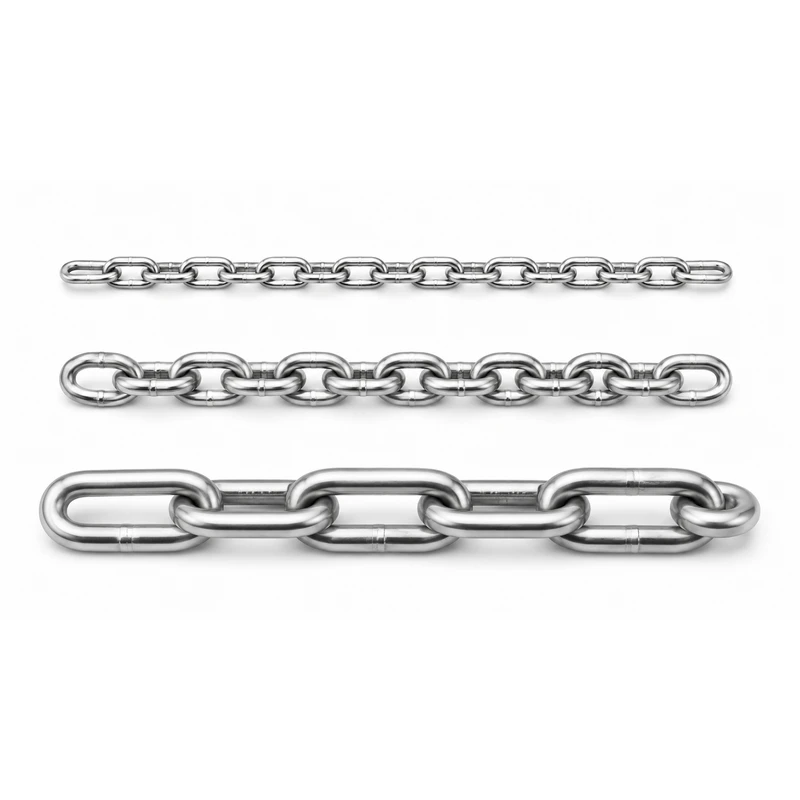
You should choose your mooring chain length based on the scope ratio. Most marine safety organizations recommend a 5:1 ratio for moderate weather and a 7:1 ratio for rough conditions. This means you need 5 to 7 feet of chain for every foot of water depth. The table below shows common ratios:
Condition | Ratio | Example Calculation |
|---|---|---|
Calm Weather | 3:1 | 3 feet of chain per 1 foot of depth |
Moderate Weather | 5:1 | 5 feet of chain per 1 foot of depth |
Rough Weather | 7:1/10:1 | 7 or 10 feet of chain per 1 foot of depth |
Accurate selection of marine anchor chain length keeps your vessel secure and meets safety requirements.
Key Takeaways
Use a scope ratio of 5:1 for moderate weather and 7:1 for rough conditions to determine chain length.
Always measure water depth and add the distance to your bow roller for accurate chain length calculations.
Inspect your anchor and chain system before each trip to ensure safety and prevent drifting.
Consider environmental factors like seabed type and weather conditions when selecting chain length.
Choose a chain diameter that matches your boat size for optimal holding power and safety.
Marine Anchor Chain Length Selection Guide
Why Chain Length Matters?
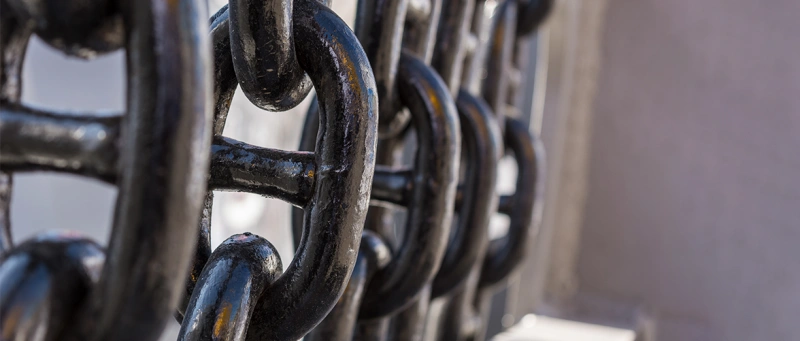
You need to pay close attention to marine anchor chain length selection because it directly affects the safety and stability of your boat. The right chain length keeps your boat anchor secure, even when conditions change.
If you use a chain that is too short, your anchor may not hold during strong winds or rough seas. This can cause your boat to drift, which puts your vessel and others at risk.
Tip: Always check your boat anchor and chain system before heading out. A strong system prevents dangerous drifting and reduces the chance of collisions.
Consider these key reasons why chain length matters for your boat anchor and chain system:
Proper marine anchor chain length selection maintains vessel safety and stability.
Insufficient chain length can cause the anchor to lose grip, especially in bad weather.
The weakest link in your boat anchor and chain system determines overall strength.
The scope, or the ratio of chain to water depth, increases holding power and reduces stress on the anchor.
Longer chain lengths improve the catenary effect, which helps absorb shock loads.
The effectiveness of your boat anchor and chain system also depends on several factors. The table below shows how different conditions impact anchoring:
Factor | Impact on Anchoring Effectiveness |
|---|---|
Seabed Composition | Soft mud or sand needs longer chain lengths than firm clay or gravel for strong holding power. |
Weather Conditions | Gusty winds require more chain for shock absorption than steady winds. |
Vessel Characteristics | Boats with large sail areas need longer chains due to increased wind loads. |
Scope Ratio Basics
You must understand the scope ratio to make the best marine anchor chain length selection. The scope is the ratio of the total rode length (chain plus any rope) to the water depth from the bow roller to the seabed.
The right anchor scope ensures your anchor pulls horizontally, which increases holding power and keeps your boat secure.
The scope ratio rule is simple but critical for every boat anchor and chain system. Here are the basics:
The scope ratio tells you how much rode length you need for each foot of water depth.
A higher scope means more horizontal pull on the anchor, which improves holding power.
Typical scope ratios are:
3:1 for calm conditions or crowded anchorages
5:1 for normal or moderate weather
7:1 for rough weather or strong tides
10:1 or higher for storms
Condition | Recommended Scope Ratio | Rode Length Needed (per foot of depth) |
|---|---|---|
Calm | 3:1 | 3 feet |
Normal | 5:1 | 5 feet |
Rough | 7:1 | 7 feet |
Storm | 10:1 or higher | 10+ feet |
You should always match the scope to the expected conditions and your boat type. This approach ensures your boat anchor and chain system performs well in all situations.
How to Calculate Mooring Chain Length?
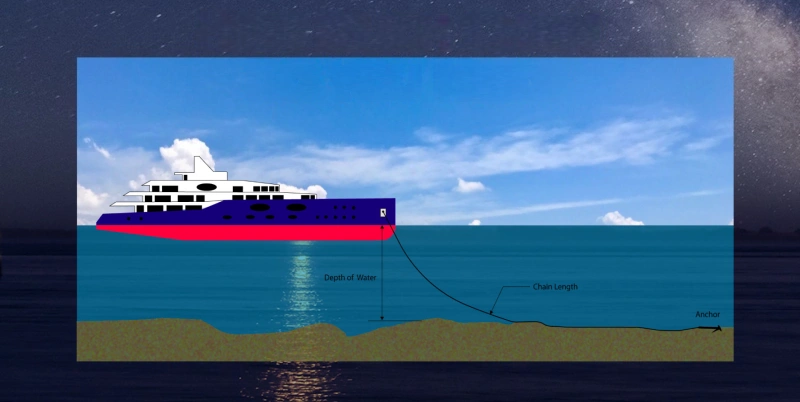
You can calculate the correct marine anchor chain length selection for your boat anchor and chain system by following a few simple steps. This method works for any boat size or anchor type.
Measure the water depth at your anchoring spot. Add the distance from the waterline to your bow roller to get the total depth.
Choose a scope ratio based on the weather and your boat type. Use 3:1 for calm, 5:1 for normal, 7:1 for rough, and 10:1 for storms.
Multiply the total depth by your chosen scope ratio. This gives you the total rode length needed.
If you use both chain and rope, make sure the chain portion meets the minimum recommended length for your boat anchor and chain system.
Anchor Sizing Tips: Always round up your rode length for extra safety, especially if you expect changing tides or weather.
Practical Example
Suppose you anchor your boat in 20 feet of water. Your bow roller sits 5 feet above the waterline. The total depth is 25 feet. For normal conditions, you select a 5:1 scope ratio. Multiply 25 feet by 5 to get a rode length of 125 feet. If the weather turns rough, increase the scope to 7:1, which means you need 175 feet of rode length. This adjustment improves your anchor’s holding power and keeps your boat secure.
You must also consider the anchor size and type when making your calculations. Larger boats or those with more wind exposure need longer chains and larger anchors. Always check your boat anchor and chain system before each trip.
Custom Solutions by Powerful Machinery
Every boat and anchoring situation is unique. Powerful Machinery offers customizable mooring chains to meet your exact length, diameter, and finish requirements. You can select the chain type that matches your anchor size and boat type.
Custom chains help reduce equipment damage and ensure your boat anchor and chain system fits your needs perfectly. Powerful Machinery’s expert team can help you with marine anchor chain length selection for any project.
Factors That Affect Mooring Chain Length
Selecting the right mooring chain length for your boat anchor system involves more than just measuring water depth. You must consider several factors that impact anchor holding power, safety, and compliance with regulations. The table below summarizes the main factors:
Factor | Explanation |
|---|---|
Anchor Type and Weight | Heavier anchors require longer chains for sufficient scope and proper holding. |
Water Depth | Deeper water means you need a longer chain to maintain the correct scope ratio. |
Expected Weather | Rough conditions demand longer chains for better holding power and stability. |
Vessel Size | Larger boats need longer chains for adequate holding and safety. |
Regulatory Requirements | Local and international regulations may set minimum chain lengths. |
Additional Considerations | Tidal changes and seabed conditions also affect chain length. |
Anchor Type & Weight
Anchor type and weight play a major role in anchor selection and chain length. Heavier anchors need longer chains to achieve the right scope and holding power. Different anchor designs work better in certain seabed conditions, which affects how much chain you need for secure holding.
You must match your anchor type to the bottom conditions and ensure the chain provides enough breaking strength for your boat anchor system. Proper installation and maintenance of both anchor and chain maximizes holding power and safety.
Heavier anchors require longer chains for proper holding.
The right anchor type increases holding power in specific seabeds.
Always check the breaking strength of your anchor and chain.
Vessel Size
The size of your boat determines the diameter and length of the chain you need. Larger boats create more force on the anchor, so you must use a chain with higher breaking strength and holding power. The table below shows typical chain diameters for different vessel sizes:
Diameter | Suitable For |
|---|---|
48mm | Smaller boats |
50mm | Medium-sized boats |
73mm | Medium to large boats |
81mm | Large boats and cargo vessels |
87mm | Very large boats and tankers |
90mm | Supertankers |
You should always match your anchor and chain size to your boat for maximum holding power and safety. Regular installation and maintenance checks help prevent failures.
Water Depth & Tides
Water depth and tidal changes directly affect the chain length you need for your boat anchor system. Calculate total depth by adding water depth to the height from the waterline to your bow. Always use the highest expected tide for your calculations.
This ensures your anchor maintains holding power even as water levels change. Adjust your scope ratio based on expected weather and tidal conditions to keep your boat secure.
Tidal changes can increase effective water depth.
Always plan for the highest tide to maintain holding power.
Regular installation and maintenance checks are essential.
Environmental Conditions
Environmental factors such as weather, seabed type, and current strength influence anchor holding power and chain length. In rough or windy conditions, increase your scope ratio for better holding.
Use corrosion-resistant chains, like duplex stainless steel, in warm, salty waters to maintain breaking strength and holding power. Assess the bottom conditions and swing room before deploying your boat anchor.
Tip: Calculate the correct scope before each trip and adjust for expected weather and tidal changes.
Regulatory Standards
You must follow all relevant regulations when selecting your boat anchor and chain. Classification societies like ABS, DNV, and Lloyd’s set standards for anchor holding power, chain breaking strength, and installation and maintenance.
Powerful Machinery’s mooring chains meet international standards such as ISO 1704, GB/T549, RINA, and BV. These certifications ensure your anchor system provides reliable holding and complies with global regulations.
If you face complex anchoring situations, consult with professionals or reach out to Powerful Machinery’s support team. Their expertise helps you select the right anchor, chain, and installation and maintenance plan for your boat, ensuring maximum holding power and safety.
Mooring Chain Size Guide
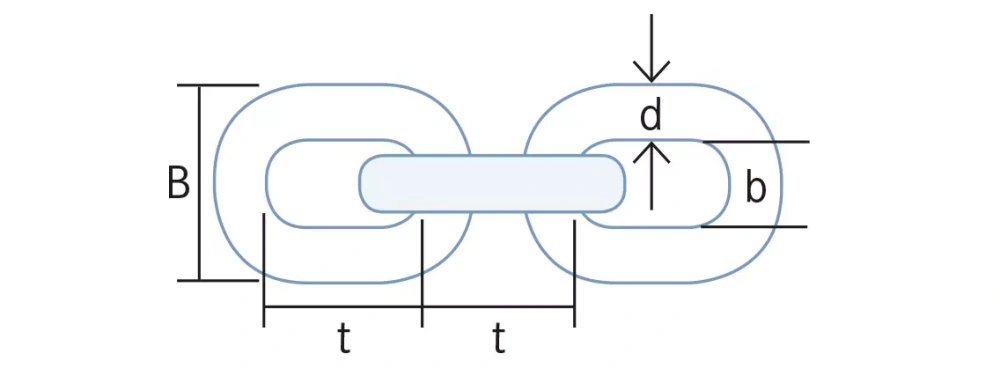
Choosing Chain Diameter
Selecting the correct chain diameter for your boat anchor system is essential for safety and performance. You should match the chain size to your boat’s length and displacement. Use the table below to find the recommended chain size for your boat:
Yacht Length Overall | Chain Size |
|---|---|
< 6 metres | 6mm |
6 – 8 metres | 7/8mm |
8 – 10 metres | 8mm |
10 – 12 metres | 8/10mm |
12 – 14 metres | 10mm |
14 – 16 metres | 10mm |
16 – 18 metres | 10/12mm |
18 – 20 metres | 12mm |
You can also use a chain size multiplier. Calculate your boat’s displacement, then multiply by 1/8 to 1/6 to find the minimum anchor chain diameter. For a visual reference, see the chart below:
Tip: Always check the chain weight and breaking strength to ensure your anchor system meets safety standards.
Matching Chain to Vessel & Anchor
You must match the chain length and diameter to your boat and anchor for secure mooring. Use a 7:1 scope ratio for overnight anchoring or rough conditions. For calm weather, a 4:1 scope may be enough.
Larger boats need one foot of chain for every foot of boat length. Smaller boats should have at least 5 to 10 feet of chain between the anchor and the rode.
Consider these factors when choosing your chain:
Vessel size and weight: Larger boats need thicker chains for holding power.
Anchor type and weight: Match the anchor to the chain for best performance.
Water depth: Use a 5:1 scope ratio as a general rule.
Holding requirements: Adjust for weather, currents, and seabed type.
Regulatory guidelines: Follow maritime rules for chain selection.
Regularly inspect your anchor and chain for wear and corrosion to maintain safety.
Custom Solutions by Powerful Machinery
Powerful Machinery offers a wide range of mooring chains for every boat and anchor system. You can choose from stud link, studless, long link, galvanized, and stainless steel chains.
The chains use high-strength steel grades like 20Mn (CM490) and 30Mn (CM690). Surface treatments such as hot-dip galvanizing, black paint, or self-colored finishes provide outstanding corrosion resistance in marine environments.
You can request custom assemblies, including mooring pendants, anchor chain snubber bridles, and heavy-duty rubber snubbers for turbulent waters. Powerful Machinery’s team will help you select the right chain size, length, and finish for your boat and anchor needs.
For more details and expert support, visit Powerful Machinery’s official website.
Conclusion
You should always follow the rule of thumb for mooring chain length: use 5-7 times the water depth for your boat in normal conditions and increase to 8-10 times in heavy weather. Consider the seabed, tides, and winds when selecting the right chain for your anchor.
Proper chain care and inspection keep your boat safe. Powerful Machinery offers certified, customizable chains that fit your anchor and boat needs, ensuring a secure anchoring system. Consult their experts for tailored solutions.
Benefit | Description |
|---|---|
Tailored Customization | Chains match your boat, anchor, and operating environment. |
Industry-Approved | Certified chains guarantee safety and compliance. |
Technical Expertise | Powerful Machinery’s team helps you select the best chain for your boat and anchor. |
FAQ
How do you determine the right chain length for your boat anchor system?
You calculate the chain length by multiplying the water depth plus the distance from the waterline to the bow by the recommended scope ratio. This ensures your anchor holds your boat securely. Always round up for safety and check your chain before each trip.
What type of chain works best for a boat anchor?
You should choose a high-tensile steel chain with corrosion resistance for your boat anchor. This type of chain provides strength and durability. Powerful Machinery offers customizable chains that fit your anchor and boat requirements. Always match the chain to your anchor and boat size.
How often should you inspect your boat anchor chain?
You should inspect your boat anchor chain before every trip. Look for signs of wear, corrosion, or damage. Replace any weak links immediately. Regular checks keep your anchor system reliable and your boat safe in all conditions.
Can you use a rope with your boat anchor chain?
You can use a rope with your boat anchor chain. Attach the chain to the anchor and then connect the rope to the chain. This combination gives you flexibility and strength. Always ensure the chain section meets the minimum length for your boat anchor system.
Why does chain diameter matter for your boat anchor system?
Chain diameter affects the strength and holding power of your boat anchor system. A thicker chain handles more force from your boat and anchor. Always select a chain diameter that matches your boat size and anchor weight. Consult experts if you need help choosing the right chain.