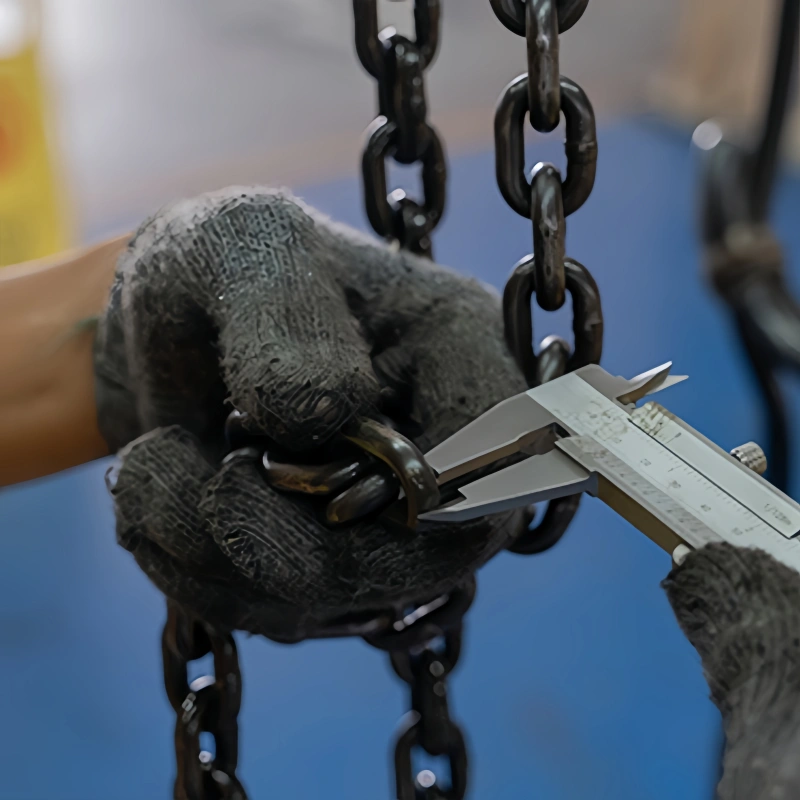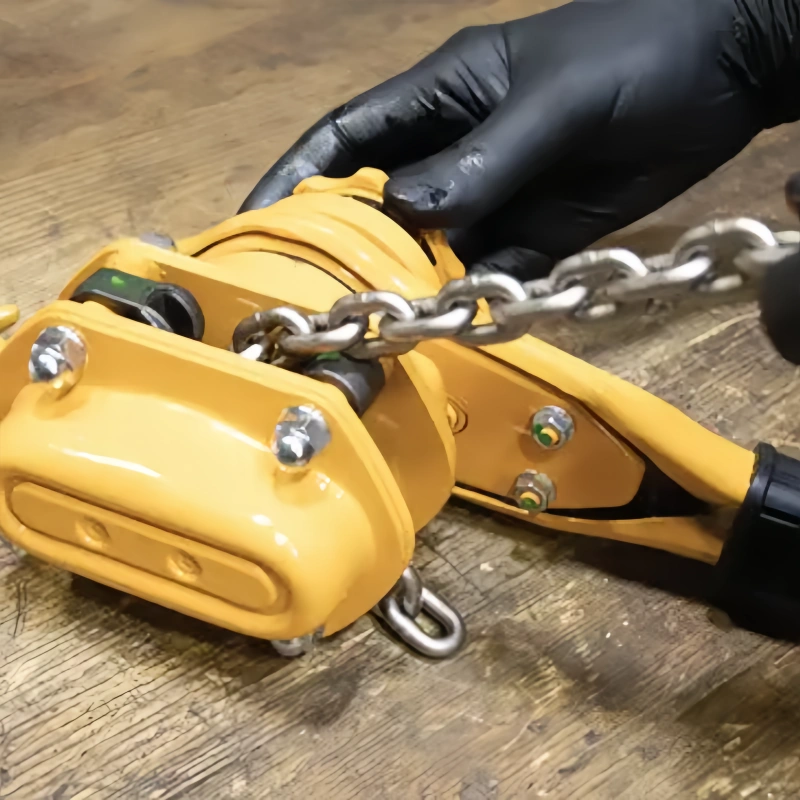
The main difference between carabiners and shackles lies in their design and purpose. You use shackles for heavy lifting because they have strict working load limits. Carabiners, on the other hand, are not usually rated for lifting in construction or industrial settings.
Understanding the carabiner vs shackle distinction is crucial for your safety.
Shackles ensure secure connections for demanding loads.
Carabiners, if misused, can lead to equipment failure.
Choosing the wrong connector can cause serious accidents.
You can trust Powerful Machinery to supply certified shackles that meet rigorous safety standards.
Key Takeaways
Shackles are designed for heavy lifting and have strict working load limits. Always choose shackles for overhead lifting tasks.
Carabiners are not rated for lifting in industrial settings. Use them for quick connections in climbing and rescue operations only.
Always check for certification markings on shackles. This ensures they meet safety standards for your specific lifting needs.
Inspect both carabiners and shackles regularly for wear and damage. Regular checks help maintain safety and prevent equipment failure.
Select the right connector based on your application. Use carabiners for speed and convenience, and shackles for secure, heavy-duty connections.
Carabiner vs Shackle Overview
Quick Comparison Table
You need to understand the main differences when comparing a carabiner vs a shackle. The table below gives you a clear look at how these connectors stack up. Many people confuse carabiners vs shackles with quick links, but each serves a unique purpose.
Quick links often appear in everyday hardware, but you should not use them for heavy-duty lifting. The table helps you see why carabiner vs shackle is a more important comparison for safety.
Feature | Carabiners | Shackles |
|---|---|---|
Design | Spring-loaded gate for quick connections | Permanently closed with an opening side |
Functionality | Used in various rope-intensive activities | Typically used for attachment in rigging |
Material | Made from steel and aluminum | Varies, often steel for strength |
Certification | Not approved for overhead lifting | Marked with WLL, batch ID, and certifications |
Common Use | Climbing, rescue, quick links | Lifting, rigging, quick links |
Tip: Always check the certification before using any connector for lifting. Quick links may look similar, but only shackles with proper markings meet industry standards.
Main Differences
When you compare a carabiner vs a shackle, you see clear differences in design, function, and safety. Carabiners use a spring-loaded gate. This feature lets you make quick connections, which is why you see them in climbing, rescue, and some quick links.
Shackles, on the other hand, have a closed end and an open side. You secure loads with a pin or bolt, making them ideal for rigging and lifting.
You find that shackles come in many shapes and sizes. Each type has a different strength tolerance. Manufacturers mark shackles with a Working Load Limit (WLL), batch ID, and their logo.
This marking ensures you use the right shackle for the job. Carabiners do not have these markings for lifting. Industry standards like ASME B30.26 do not approve carabiners for overhead lifting. You should always choose shackles for heavy loads and quick links only for light-duty tasks.
Shackles made from alloy steel handle higher loads than those made from mild steel. Standards like EN 13889 require a safety factor of 6:1 for Grade 6 shackles. You will see CE markings on certified shackles.
Quick links do not meet these strict requirements. When you need to connect heavy equipment, always pick a certified shackle over a carabiner vs a shackle or quick links.
Carabiner Basics
Definition & Uses
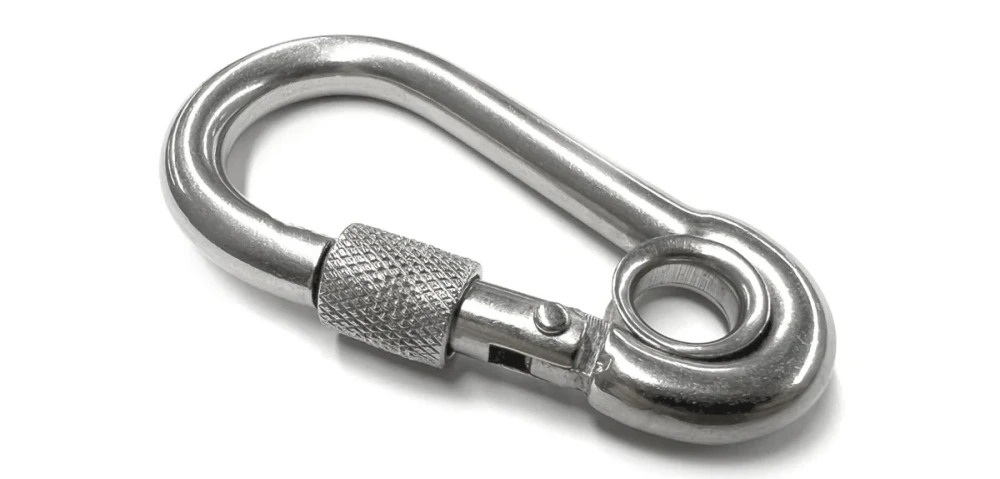
You encounter carabiners in many industries and activities. This connector features a spring-loaded gate, allowing you to attach and detach ropes, cables, or equipment quickly. Carabiners play a vital role in climbing, rescue operations, and industrial safety.
You rely on them for secure connections in situations where speed and reliability matter.
Here is a table showing typical uses for carabiners across different fields:
Application Type | Description |
|---|---|
Climbing and Mountaineering | Secure climbers to ropes, anchors, and protection points for safety during ascent and descent. |
Rescue Operations | Heavy-duty steel carabiners secure victims and equipment in high-stakes situations. |
Industrial Safety & Rope Access | Used for fall arrest and safety harnesses, meeting strict safety standards in various industries. |
Recreational and Adventure Sports | Used in zip-lining and canyoning, focusing on user experience and safety. |
Filmmaking & Special Effects | Rig cameras and props, ensuring operational efficiency and safety in dynamic environments. |
You see carabiners in jobs that demand security, such as industrial climbing and rescue. Outdoor sports and adventure activities also depend on carabiners for quick and safe rope attachments.
Strengths & Limitations
Carabiners offer several strengths that make them popular in many applications:
Steel carabiners provide high durability and load capacity, making them suitable for heavy-duty tasks.
Aluminum carabiners are lightweight, which helps when you need to reduce weight, such as in mountaineering.
Screw-gate locking mechanisms give you secure locking for static tasks.
Automatic-locking mechanisms offer convenience and efficiency for dynamic work.
Tip: Always choose the right carabiner material and locking mechanism for your specific job. Steel works best for strength, while aluminum is ideal for lightweight needs.
You must remember that carabiners are not rated for overhead lifting in industrial environments. Use them for personal safety, climbing, and rescue, but select certified shackles for heavy lifting and rigging.
Shackle Basics
What Are Shackles?
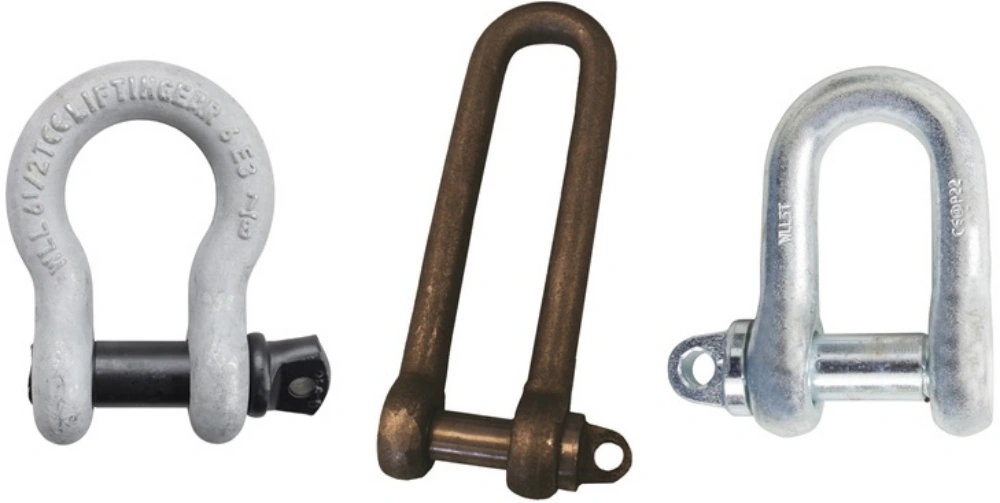
You use a shackle as a critical connector in lifting, rigging, and marine work. This hardware links chains, slings, or ropes to loads or anchor points. Shackles are extremely strong and come in several shapes, each designed for specific tasks.
The most common types of shackles include bow shackles, dee shackles, and grab shackles. You can see their primary uses in the table below:
Type of Shackle | Description and Primary Use |
|---|---|
Bow Shackle | Used for lifting and rigging, often for connecting chains or slings. |
Dee Shackle | Commonly used in marine applications for connecting components. |
Grab Shackle | Designed for quick connections and disconnections in lifting operations. |
You select the right shackle based on the load, environment, and connection type.
Key Features
Shackles stand out because of their robust design and safety features. You find two main shapes: D-type (chain) shackles and anchor (bow) shackles. Each shape serves a different purpose. The table below highlights their key features:
Feature | D-type (Chain) Shackles | Anchor (Bow) Shackles |
|---|---|---|
Shape | Narrow, D-shaped bow | Larger, rounded body |
Usage | Single-leg systems | Multi-leg systems |
Pin Type | Screw pin | Bolt and nut (cotter) |
Safe Working Load (SWL) | Clearly marked | Clearly marked |
Inspection | Regular checks needed | Regular checks needed |
Side Loading | Not suitable | Must reduce WLL |
You should inspect shackles regularly for wear, elongation, fractures, or corrosion. Always use shackles rated for the load to prevent failures. Avoid side loading on D-type shackles to maintain their integrity.
Advantages & Applications
You benefit from using shackles in heavy-duty environments because they offer unmatched strength and reliability. The main advantages include secure connections, high load capacity, and long service life.
Some types of shackles, such as bolt-type (nut and cotter) shackles, provide the highest security since the pin cannot unscrew accidentally. Wide-body shackles reduce stress on slings and increase sling life.
Type of Shackle | Advantages | Typical Applications |
|---|---|---|
Bolt Type (Nut and Cotter) | Highest security; the pin cannot unscrew accidentally | Permanent or long-term installations, offshore platforms, heavy lifts |
Wide Body Shackles | Larger bow radius reduces stress on slings; excellent fatigue resistance | Heavy lifting, offshore rigging, subsea applications, spreader beam connections |
You find shackles in construction, shipping, offshore platforms, and subsea operations. These connectors handle the toughest jobs where safety and performance matter most. When you need a secure, certified connection, you choose shackles for peace of mind.
Carabiner vs Shackle: Detailed Comparison
Strength & Load Capacity
When you compare a carabiner and a shackle for rigging, you must focus on strength and load capacity. Carabiners come in many designs, but their maximum strength depends on the model and the direction of the load.
Most steel carabiners used in rigging have a breaking strength of 40 kN (about 8,992 pounds) when loaded along the major axis. However, cross-loading reduces their strength to as low as 15 kN. Carabiners should not be tri-loaded, as this can cause failure.
Shackles, especially those from Powerful Machinery, offer higher and more consistent load ratings. For example, a stainless steel shackle can reach a breaking strength of 20,000 pounds. The table below shows how carabiners and shackles compare in terms of strength and load capacity:
Hardware Type | Maximum Strength | Load Capacity |
|---|---|---|
Carabiner | Up to 40 kN (in-line), varies | Manufacturer rated |
Shackle | Up to 20,000 lbs (steel) | Manufacturer rated |
You must always check a carabiner for its safety ratings before use. Shackles are marked with working load limits and batch IDs, making them the preferred choice for heavy rigging and lifting.
Safety & Security
Safety is the top priority in rigging. Carabiners use locking gates, which can be screw-lock, twist-lock, or auto-lock. These mechanisms help prevent accidental opening, but they introduce potential failure points. If you overload or improperly load a carabiner, it can fail. Carabiners should only be loaded along the major axis.
Shackles use screw pins or bolt-type closures. You can secure these with mousing or thread-locking liquids to prevent accidental loosening. Shackles are superior for permanent or semi-permanent rigging connections. They provide higher safety margins and are less likely to fail under heavy load.
Many professional riggers recommend shackles for critical connections because they are designed for specific loading scenarios and have clear safety ratings.
Feature | Carabiner | Shackle |
|---|---|---|
Locking Mechanism | Screw, twist, or auto-lock | Screw pin or bolt-type |
Failure Points | Gate, cross-loading, improper use | Pin, improper installation |
Safety Ratings | Must be checked for each use | Marked on body, easy to verify |
Ease of Use
You will find carabiners easy to operate with one hand. The spring-loaded gate allows for quick attachment and removal, which is helpful in dynamic rigging or rescue situations. This speed makes carabiners popular in climbing and entertainment rigging.
Shackles require you to unscrew or unbolt the pin before connecting or disconnecting. This process takes more time, but it ensures a secure connection. In rigging, you often need this extra security, especially for overhead lifting or long-term installations.
Note: Use carabiners for temporary rigging connections where speed is essential. Choose shackles for permanent or high-load connections.
Durability & Maintenance
Durability matters in rigging, especially in harsh environments. Steel carabiners resist wear, but aluminum carabiners can break under repeated load cycles. This makes them less suitable for industrial rigging. Shackles, especially those made from drop-forged steel, withstand repeated use and exposure to tough conditions.
Powerful Machinery shackles are engineered for marine, construction, and offshore rigging, where durability is critical.
To maintain safety, you must inspect both carabiners and shackles regularly. Look for wear, corrosion, or deformation. Clean with soap and water, and lubricate moving parts with dry lubricants. Replace carabiners if the ratings are worn off. For shackles, check for tightness and apply thread-locking liquids as needed.
Remove any rigging hardware from service if you find damage.
Cost & Availability
You can find certified carabiners and shackles in the global market. Carabiners range from $22.50 to $82.50, depending on material and locking mechanism. Shackles from Powerful Machinery offer excellent value, combining high strength, international certifications, and long service life.
They are available in various sizes and types to fit your rigging needs.

Shackles are widely available for industrial rigging, marine, and construction applications. Powerful Machinery shackles meet or exceed international standards, making them a reliable choice for demanding environments.
Tip: Always choose certified rigging hardware with clear safety ratings for your application. This ensures compliance and protects your team.
Choosing the Right Connector
When to Use a Carabiner
You should select a carabiner when you need a connector that offers speed and convenience. Carabiners excel in situations where you must make a quick connection or disconnection.
You can operate them with one hand, which proves essential during emergencies or when you work in poor conditions like rain or darkness. Many users prefer carabiners for activities such as climbing, rescue, or when they need to tether themselves to a boat.
You will find that a carabiner provides a reliable connection in dynamic environments where accidental release could be dangerous.
Common scenarios for carabiner use include:
Climbing and mountaineering
Rescue operations
Rope access work
Securing gear in outdoor sports
Fast attachment in challenging weather
Tip: Always check the rating of your carabiner before using it as a connector in safety-critical applications.
When to Use a Shackle?
You should choose a shackle when you require a connector for heavy-duty or industrial lifting. Shackles provide a secure and permanent connection, making them the preferred choice for rigging, lifting, and marine operations. You can trust Powerful Machinery shackles for these demanding tasks.
These shackles meet strict international standards and offer high load-bearing capacity. You will find them essential in construction, shipping, and cargo handling, where safety and reliability matter most.
Select a shackle for:
Overhead lifting and rigging
Long-term or permanent connections
Marine and offshore applications
Connecting slings, chains, or wire ropes to loads
Environments with high vibration or risk of accidental loosening
Application | Recommended Connector |
|---|---|
Climbing/Rescue | Carabiner |
Industrial Lifting | Shackle |
Marine Rigging | Shackle |
Quick Gear Attachment | Carabiner |
You should always match the connector to the demands of your application. For industrial and heavy-duty needs, Powerful Machinery shackles deliver the strength and certification you require for a safe connection.
Conclusion
You must understand the key differences between carabiners and shackles for safe and effective rigging.
Feature | Carabiners | Shackles |
|---|---|---|
Design | Spring-loaded gate | U-shaped with screw pin |
Load Capacity | Varies by type | Higher for heavy-duty tasks |
Applications | Climbing, recreation | Lifting, towing, and material handling |
Choosing certified shackles from Powerful Machinery ensures compliance with safety standards, protects your team, and boosts efficiency. For overhead lifting or material handling, always select a shackle. Use carabiners only when standards allow, and the application fits.
FAQ
What is the main difference between a carabiner and a shackle?
You use a carabiner for quick connections with a spring-loaded gate. You choose a shackle for secure, heavy-duty lifting with a screw pin or bolt closure. Shackles offer higher load capacity and safety ratings.
Can you use carabiners for overhead lifting?
You should not use carabiners for overhead lifting. Most carabiners lack the certifications and load markings required for industrial lifting. Always select certified shackles for lifting tasks.
How do you check if a shackle is certified?
You look for markings on the shackle body. Certified shackles display the Working Load Limit (WLL), batch ID, and manufacturer logo. Powerful Machinery shackles meet international standards for safety.
Which connector is better for marine environments?
You choose shackles for marine environments. Shackles made from drop-forged steel resist corrosion and handle heavy loads. Powerful Machinery shackles offer reliable performance in harsh marine conditions.
How often should you inspect rigging hardware?
You inspect rigging hardware before each use. Check for wear, corrosion, and deformation. Replace any connector showing damage or missing safety markings. Regular inspection keeps your team safe.