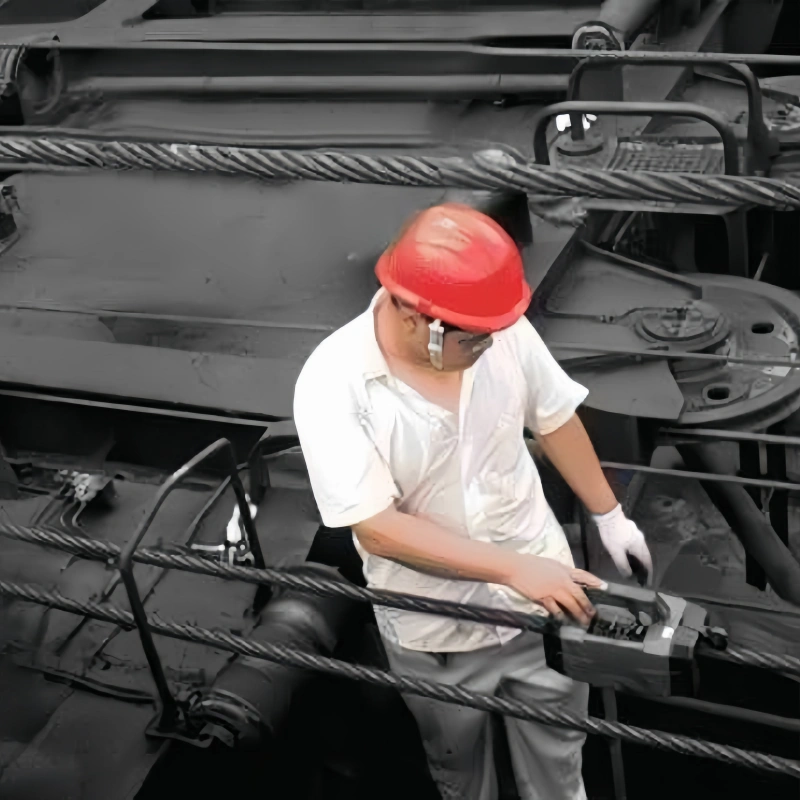
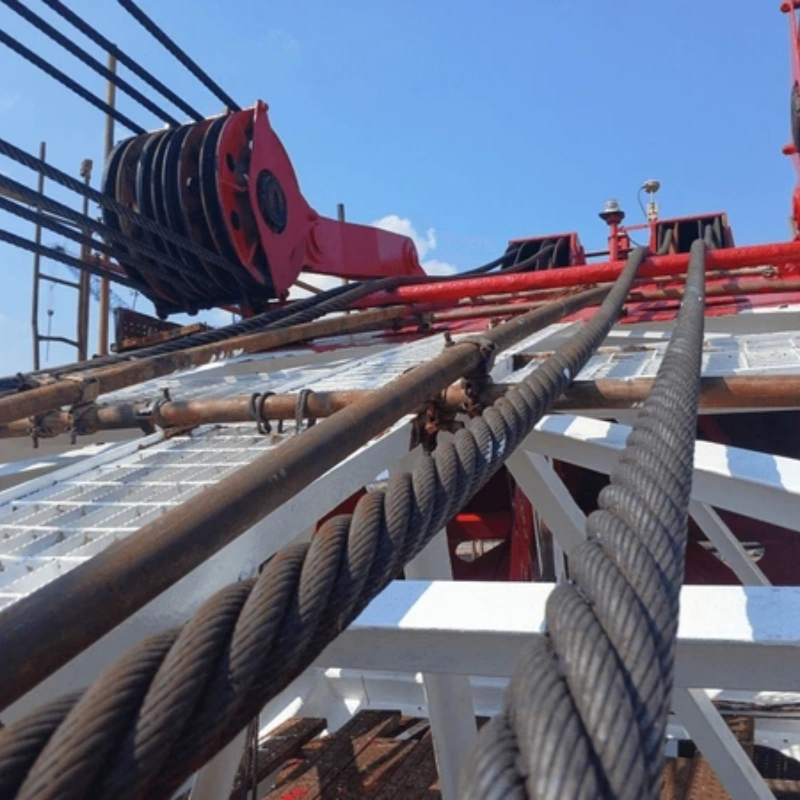
Crane wire ropes face tough conditions every day. You encounter hazards like abrasion, broken wires, and crushing that threaten job site safety. The table below shows the most common damage types found in crane wire ropes:
Damage Type | Description |
|---|---|
Abrasion | Wear due to mechanical, physical, and chemical effects, leading to internal and external wear. |
Broken Wires | Caused by long-term use and excessive stress, affecting the load-bearing capacity. |
Crushing or Kinking | Damage resulting from improper handling or excessive bending compromises the integrity of the rope. |
Ignoring these hazards can lead to serious safety risks for your crane and crew. Strong crane wire rope maintenance routines build safety awareness and reduce the chance of accidents. Powerful Machinery delivers reliable crane wire ropes that help you protect your team and maintain safety on every crane job.
Key Takeaways
Regular inspections are crucial. Check crane wire ropes at least once a month to catch early signs of damage.
Proper lubrication and cleaning extend the life of wire ropes. Clean before applying lubricant to ensure maximum protection.
Avoid overloading your crane. Exceeding the rated capacity can lead to serious damage and safety risks.
Train operators on safe handling practices. Educate them to recognize signs of wear and proper spooling techniques.
Choose high-quality ropes with advanced materials. Investing in durable ropes reduces maintenance needs and enhances safety.
Common Crane Wire Rope Damage Types
Abrasion—External and Internal
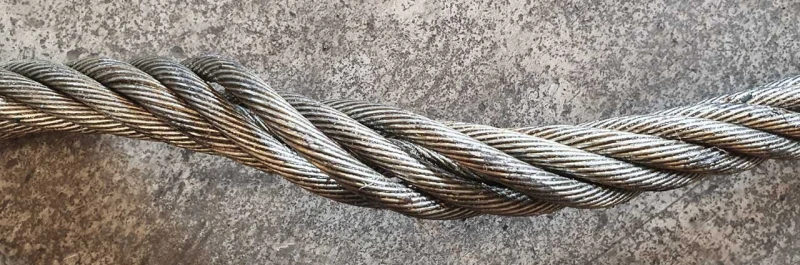
Abrasion stands out as one of the most frequent issues you face with crane wire rope. You encounter abrasion when the rope rubs against drums, sheaves, or other surfaces. Internal abrasion happens as wires and strands move against each other, especially under high tension.
Both types of abrasion issues can weaken the rope and shorten its service life. The table below outlines the main abrasion mechanisms:
Type of Abrasion | Description |
|---|---|
External abrasion | Occurs when the rope contacts surfaces like drums and sheaves, leading to visible wear. |
Internal abrasion | Happens inside the rope as wires rub together, often under high tension. |
Environmental factors | Dust and grit can accelerate abrasion issues. |
Equipment interaction | Frequent contact with machinery increases surface abrasion. |
Operational practices | Poor handling and excessive bending worsen abrasion. |
Design and construction | Rope design affects internal friction and abrasion. |
Load conditions | High tension increases internal abrasion. |
You must address abrasion issues early to prevent serious damage to your crane wire rope.
Corrosion and Rust
Corrosion and rust create hidden dangers for your crane. When corrosion sets in, it reduces the metal area of the rope, which lowers its breaking strength. Over time, corrosion also increases surface roughness and causes cracks. These changes make the rope more likely to suffer from fatigue and eventual failure.
Regular inspection and proper lubrication help you control corrosion and extend the life of your crane wire rope.
Fatigue and Bending
Fatigue results from repeated bending of the crane wire rope, especially over pulleys or sheaves. You often see random wire breaks as a sign of normal fatigue. Concentrated breaks may point to misalignment or other problems. To spot fatigue and bending damage, follow these steps:
Inspect the rope regularly for signs of fatigue.
Look for random wire breaks.
Check for clusters of broken wires, which may signal deeper issues.
Fatigue and bending damage can develop quickly if you do not monitor your crane wire rope closely.
Crushing and Deformation
Crushing and deformation occur when you overload the crane or expose the rope to harsh conditions. Mechanical crushing flattens or distorts the rope, weakening its structure. Pinching the rope between heavy parts or accidental impacts can also cause deformation.
These types of damage reduce the rope’s load-bearing capacity and increase the risk of failure.
Tip: Always use the correct tension and avoid sudden impacts to minimize crushing and deformation.
Broken Wires and Strands
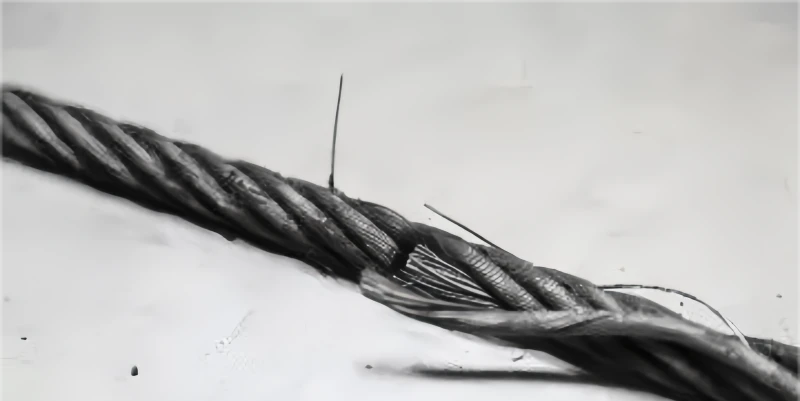
Broken wires and strands signal serious problems in your crane wire rope. When strands break, the rope loses strength and becomes unsafe. Insufficient lubrication can cause fretting wear, leading to strand failure. Fatigue also plays a role, and if you ignore broken wires, you risk catastrophic damage.
Strand Separation and Birdcaging
Strand separation and birdcaging often result from operational errors. Improper installation, twisting, or using the wrong sheave diameter can introduce stress points.
Dragging the rope through tight sheaves or twisting rotation-resistant ropes can cause the outer strands to separate and form a birdcage shape. This type of damage makes the rope unsafe for crane operations.
Kinking and Snagging
Kinking and snagging happen when you install the rope incorrectly or release the load suddenly. Knots, mechanical abuse, and improper spooling on drums can also cause kinks. Broken wires that stick out may catch on surfaces, leading to further abrasion issues.
Fatigue from repeated bending over sheaves increases the risk of kinking and snagging, which can quickly compromise the integrity of your crane wire rope.
Causes of Crane Wire Rope Failure
Overloading and Shock Loads
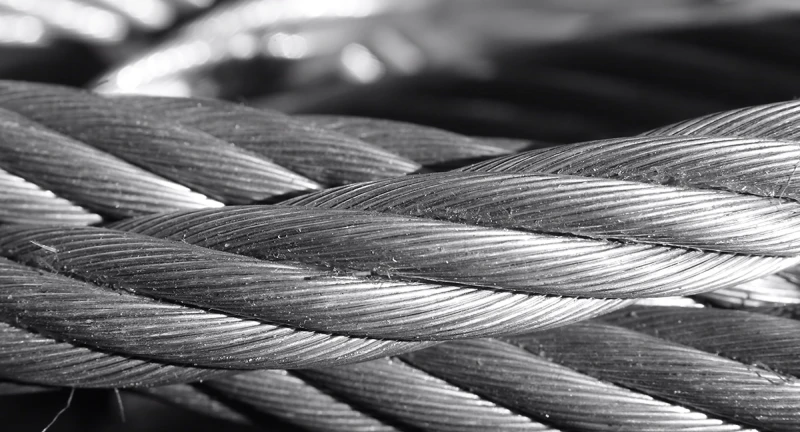
You put your crane at risk when you exceed the rated capacity of the wire rope. Overloading stands as one of the leading causes of abrasion and premature failure. Shock loads, which occur when you suddenly apply force, can snap wires or cause internal damage.
Always check load charts and avoid pushing your crane beyond its limits.
Poor Maintenance Practices
Neglecting maintenance leads to the rapid deterioration of crane wire ropes. Without regular lubrication, friction increases and corrosion sets in. Skipping routine inspections allows small issues to grow into major problems.
Engineering studies show that poor inspection and lack of maintenance are primary causes of wire rope failure. You must clean, lubricate, and inspect ropes to prevent causes of abrasion and extend service life.
Common maintenance errors include:
Failing to lubricate ropes regularly
Ignoring routine checks for wear or corrosion
Overlooking weight limits and overloading
Misalignment and Installation Issues
Misalignment of sheaves, drums, or loads creates uneven stress on the rope. Improper installation can cause the crane to travel crookedly, leading to scraping and increased abrasion.
You may notice premature wear or even kinking if the rope is not installed correctly. Always align components and follow manufacturer guidelines during installation.
Equipment Interaction
Crane wire ropes often experience wear at the drum, especially at crossover points. Abrasion and crushing can occur if you do not maintain proper tension. For tower cranes, unused lower layers of rope may suffer damage before use, especially if you cannot re-tension them until the crane reaches full height.
Proper tensioning and careful winding help reduce these risks.
Environmental Factors
Harsh environments, such as those with high humidity or extreme temperatures, accelerate wire rope degradation. Moisture leads to corrosion, while temperature swings can cause lubricants to evaporate or steel to become brittle.
Even with protective coatings, harsh environments increase the likelihood of rust and cause abrasion.
Rope Design and Construction
The design and construction of your crane’s wire rope play a crucial role in its durability. Features like fatigue resistance, rotation-resistant strands, and compacted wires help prevent common damage.
Proper storage and handling also matter. Store ropes off the ground, keep them covered but ventilated, and inspect for dirt or grease buildup. These steps help you avoid unnecessary wear and extend the life of your crane wire rope.
Design Feature | Benefit |
|---|---|
Fatigue Resistance | Withstands repetitive bending |
Rotation-Resistant | Prevents twisting under heavy loads |
Compacted Strands | Reduces wear and increases strength |
Proper Handling | Prevents kinking and crushing |
Regular Inspection | Detects wear before failure |
Lubrication | Minimizes internal corrosion and abrasion |
Note: Consistent maintenance and proper handling remain your best defense against wire rope failure.
Visual Indicators and Damage Assessment
Signs of Abrasion
You can spot abrasion early by looking for shiny, flattened areas on the surface of your crane wire rope. These spots show where wires have rubbed against drums, sheaves, or other surfaces. Abrasion often appears as grooves or worn patches along the rope.
If you notice metal dust or fine particles near the rope, this points to ongoing abrasion. Listen for scraping or grinding noises during crane operation, especially when starting or stopping.
These sounds often signal wheel flange rubbing due to misalignment, which increases abrasion and leads to further damage. Uneven wear on wheels and flanges also suggests that abrasion is affecting your equipment.
Corrosion Indicators
Corrosion weakens your crane wire rope from the inside out. You may see reddish-brown rust, pitting, or rough surfaces on the rope. Corrosion often hides beneath layers of dirt or old lubricant, so clean the rope before inspection.
If you find brittle wires or flaking metal, corrosion has already caused significant damage. Moisture, chemicals, and lack of lubrication speed up corrosion, making regular checks essential.
Fatigue and Broken Wire Signs
Fatigue develops when your crane wire rope bends repeatedly over sheaves or pulleys. Look for broken wires scattered along the rope. Clusters of broken wires in one area often mean severe fatigue or misalignment. You may also notice the rope losing its round shape.
Erratic crane movement, such as crabbing or jerking, can signal abnormal side loads that increase fatigue and cause more damage. Higher-than-normal power use during crane travel may indicate hidden fatigue or mechanical issues.
Crushing, Kinking, and Separation
Crushing appears as flattened or distorted sections on your crane wire rope. Kinking creates sharp bends or loops, which weaken the rope and make it unsafe. Separation, such as birdcaging, shows up when strands push outward and form a bulge.
These signs of crane wire rope damage often result from improper handling, sudden load releases, or using the wrong drum or sheave size. If you see any of these issues, remove the rope from service immediately to prevent accidents.
Tip: Early detection of abrasion, corrosion, and other signs of crane wire rope damage helps you avoid costly downtime and ensures safe crane operation.
Crane Wire Rope Inspection and Safety
Inspection Tools and Preparation
You need the right tools and preparation to carry out an effective inspection process. Gather a wire rope gauge, flashlight, gloves, cleaning brushes, and a diameter measuring device. Clean the crane wire rope thoroughly to remove dirt, grease, and old lubricant.
This step ensures you can see surface damage and measure the diameter accurately. Prepare a checklist for the inspection process to track findings and maintain safety standards.
Inspection Steps
Follow these steps for a thorough inspection process:
Clean the crane wire rope to expose all surfaces.
Visually inspect for signs of abrasion, corrosion, broken wires, and deformation.
Use a wire rope gauge to measure diameter and check for reduction.
Count broken wires along each lay and strand.
Examine end terminations for cracks or corrosion.
Record all findings in your inspection log.
Routine crane inspections help you catch early signs of damage and maintain safety.
Damage Thresholds and Replacement Criteria
Industry standards set clear thresholds for crane wire rope replacement. You must follow these criteria during the inspection process:
Description | |
|---|---|
More than six broken wires in one lay for running ropes; more than two for standing ropes. | |
Diameter Reduction | Exceeding 10% of the original diameter. |
Corrosion | Visible rust or pitting indicates weakened wires. |
Structural Damage | Kinks, crushing, or any permanent deformation. |
End Termination Damage | Cracked or corroded fittings require replacement. |
Always ensure compliance with OSHA and ISO standards during inspections. Replace ropes immediately if you find any of these issues.
Inspection Frequency and Professional Support
Regular inspection is essential for crane safety. You should perform inspections at least once a month. Inspect idle ropes before returning them to service. Professional support services, such as MRT scanning and pressure lubrication, help you assess internal wire rope conditions and extend service life.
These services improve reliability and safety across the construction, mining, and oil and gas industries.
Safety depends on consistent inspections and adherence to international standards.
Crane Wire Rope Maintenance Tips
Lubrication and Cleaning
You must prioritize lubrication and cleaning as the foundation of crane wire rope maintenance. Clean the wire rope thoroughly before applying new lubricant. This step removes contaminants and allows the lubricant to penetrate deeply, providing corrosion protection and wire rope protection.
Select a lubricant formulated specifically for wire ropes and compatible with the existing lubricant. Different working conditions demand different lubricants, so match your choice to the environment and operational demands.
You can use several methods to lubricate crane wire ropes:
Manual lubrication works for outer wires but takes more time and may not reach internal strands.
Semi-automatic techniques, such as drip or spray, apply lubricant at a single point and rely on rope movement for distribution.
Automatic pressurized lubrication delivers maximum penetration and protection against corrosion, making it the most effective method.
Always wear mandatory PPE and stay alert to safety hazards when working on moving ropes.
Regular cleaning and lubrication extend service life and maintain crane wire rope maintenance standards.
Winding, Storage, and Handling
Proper winding, storage, and handling prevent damage and ensure crane wire rope maintenance delivers long-term performance. Follow these tips to avoid common mistakes:
Position the payout reel away from the crane chassis and boom tip sheave to prevent reverse bends and spooling issues.
Secure rope ends with nondestructive tie-down methods, such as U-bolts, instead of nails.
Handle rotation-resistant, Lang lay, and compacted ropes carefully to prevent loss of twist.
Attach the rope end to the drum anchorage point, matching the rope lay direction.
Maintain two to three dead wraps on the drum during operation.
Apply continuous back tension and install the rope slowly and steadily.
Ensure tight, gap-free wraps on the foundation layer; subsequent layers must fit into grooves to avoid crushing.
Keep the last rope layer at least two rope diameters below the drum flange.
Correct loose wraps immediately.
Use a mallet covered with plastic or rubber to tighten wraps without damaging the rope.
Store wire ropes indoors in a dry, temperate environment. Protect ropes from moisture, sunlight, and extreme temperatures. Avoid acidic or chemical environments to prevent internal corrosion.
Inspect stored ropes regularly for signs of acid damage, such as discoloration or brittleness. Apply high-quality lubricant coatings during storage and reapply as needed.
Proper winding, storage, and handling are essential maintenance tips that prevent premature failure and support crane maintenance routines.
Sheave and Drum Checks
You need to inspect sheaves and drums regularly to maintain crane wire rope integrity. Daily checks identify issues like wear, corrosion, and kinks that threaten wire rope protection. The design and sizing of sheaves and drums play a critical role in minimizing cyclic bending stresses.
Oversized or undersized components increase fatigue and shorten wire rope lifespan.
Inspection Item | Frequency | Action Required |
|---|---|---|
Sheave grooves | Daily/Monthly | Check for wear and proper fit |
Drum surface | Daily/Monthly | Inspect for corrosion, cracks |
Rope alignment | Daily | Verify correct spooling |
Broken wires | Daily | Remove the rope if found |
OSHA recommends monthly inspections, while ASME B30.30-2019 suggests daily visual checks for running ropes.
Regular sheave and drum checks help you detect early signs of damage and extend crane wire rope maintenance intervals.
Load Management and Training
You must manage loads carefully and train operators to follow crane maintenance best practices. Never exceed the rated capacity of the wire rope. Avoid shock loads, which can cause internal damage and sudden failure. Train your team to recognize signs of wear, proper spooling techniques, and safe handling procedures.
Conduct routine safety briefings.
Review load charts before every lift.
Teach operators to spot visual indicators of damage.
Encourage reporting of any abnormal rope behavior.
Operator training and load management are key to maintaining crane safety and maximizing wire rope protection.
Advanced Rope Materials and Coatings
Advanced materials and coatings provide extra defense against wear and corrosion. Galvanized wires and specialized coatings resist corrosion in harsh environments, such as marine or chemical settings.
Powerful Machinery offers crane wire ropes with high carbon steel, galvanized wire, and polymer-coated cores. These features deliver superior durability and reduce maintenance needs.
Proper cleaning and lubrication remain essential, even with advanced materials. You benefit from extended service life and reduced replacement costs when you choose ropes with enhanced protection.
Investing in advanced rope materials and coatings supports crane wire rope maintenance and ensures reliable performance in demanding conditions.
Powerful Machinery Solutions for Crane Wire Ropes
Product Features and Benefits
You demand reliability and safety from your crane wire ropes. Powerful Machinery delivers both through advanced engineering and strict quality control. Every rope undergoes rigorous testing to meet international standards. You benefit from products certified under ISO 9001:2015 and ISO 13411.
These certifications ensure consistent performance and safety on every job site.
Powerful Machinery offers a wide range of crane wire ropes. You can choose from rotation-resistant, flexible, and high-strength options. Each rope features high-carbon steel or galvanized wire for superior durability.
Specialized coatings protect against corrosion and wear. You receive stable quality and fast delivery, which keeps your crane running without delays.
Application-Focused Solutions
You face unique challenges in construction, ports, mining, and offshore projects. Powerful Machinery provides effective solutions tailored to your needs.
The company supplies crane wire ropes in various constructions, such as 35×7 for rotation resistance and 6×36 IWRC for fatigue resistance. You can request custom specifications to match your lifting requirements.
A dedicated technical team supports you from selection to installation. You receive guidance on proper handling, maintenance, and replacement. This support helps you maximize the service life of your crane wire ropes and reduce downtime.
Case Studies and Customer Success
You can see the impact of Powerful Machinery’s products in real-world applications. Ben Carter from Canada relies on these crane wire ropes for large-scale construction projects. He values their durability in extreme weather.
David Müller from Germany uses them in marine environments and praises their resistance to corrosion. Liam O’Connell from Australia trusts Powerful Machinery for consistent quality and full certification.
You gain peace of mind knowing that industry leaders choose Powerful Machinery for their most demanding crane operations.
Benefits of Proactive Maintenance and Inspection
Enhanced Safety
You improve job site safety when you commit to regular inspection and maintenance. Daily operator checks and scheduled inspections help you spot early signs of abrasion, corrosion, or other damage. These actions protect your team and equipment.
When you address problems before they escalate, you prevent accidents and maintain wire rope integrity. Proactive inspection routines have kept crane operations free from safety incidents for years in many industries. You create a safer environment for everyone on site.
Cost Efficiency
You save money by investing in preventive maintenance and timely inspection. The cost of prevention is only a fraction of what you would spend on emergency repairs or unplanned downtime. A structured maintenance program, including daily and monthly inspections, reduces operational costs by minimizing breakdowns.
In steel mill crane programs, proactive maintenance has cut emergency repair costs by 65% and reduced unplanned downtime by over half. You also avoid the high expenses that come with reactive repairs and lost production.
Here is how regular maintenance and inspection drive long-term savings:
Key ROI Drivers | Description |
|---|---|
Reduced Downtime | Fewer breakdowns mean less lost production and fewer delays. |
Increased Throughput | You handle more loads, which boosts revenue. |
Lower Maintenance Costs | Fewer repairs lead to significant savings on long-term maintenance expenses. |
Extended Service Life
You extend the service life of your crane and wire rope through consistent inspection and maintenance. Routine lubrication, cleaning, and part replacements keep your equipment in top condition. Neglecting these steps can cut crane service life in half, doubling replacement frequency and increasing costs.
Proactive maintenance programs have been shown to extend crane service life by nearly 40%. You get more value from your investment and reduce the risk of unexpected damage or failure. Regular inspection ensures your wire rope withstands abrasion and heavy use, keeping your operations running smoothly.
Tip: Make inspection and maintenance a routine part of your workflow to maximize safety, efficiency, and equipment longevity.
Conclusion
You protect your team and equipment when you make crane wire rope maintenance a priority. Regular inspections and proper care help you avoid costly accidents and downtime. Choosing certified, high-quality ropes from Powerful Machinery gives you peace of mind and reliable performance.
For best results, follow industry standards, use expert advice, and never compromise on safety.
FAQ
How often should you inspect crane wire ropes?
You should inspect crane wire ropes at least once a month. Daily visual checks help you spot early signs of damage. Always inspect ropes before returning them to service after downtime.
What signs indicate you need to replace a crane wire rope?
Look for these signs:
More than six broken wires in one lay
Diameter reduction over 10%
Visible corrosion or kinks
Replace the rope immediately if you see any of these.
Which lubricant works best for crane wire ropes?
Choose a wire rope-specific lubricant. Select one that matches your operating environment. Powerful Machinery recommends lubricants that penetrate deeply and protect against corrosion.
How do you prevent wire rope kinking during installation?
Secure the rope ends. Apply steady back tension. Install the rope slowly and avoid sudden movements. Use proper tools and follow manufacturer guidelines for best results.
What makes the Powerful Machinery crane wire ropes reliable?
Feature | Benefit |
|---|---|
Certified materials | Enhanced safety |
Custom specifications | Application fit |
Technical support | Expert guidance |
You receive consistent quality and fast delivery for every project.