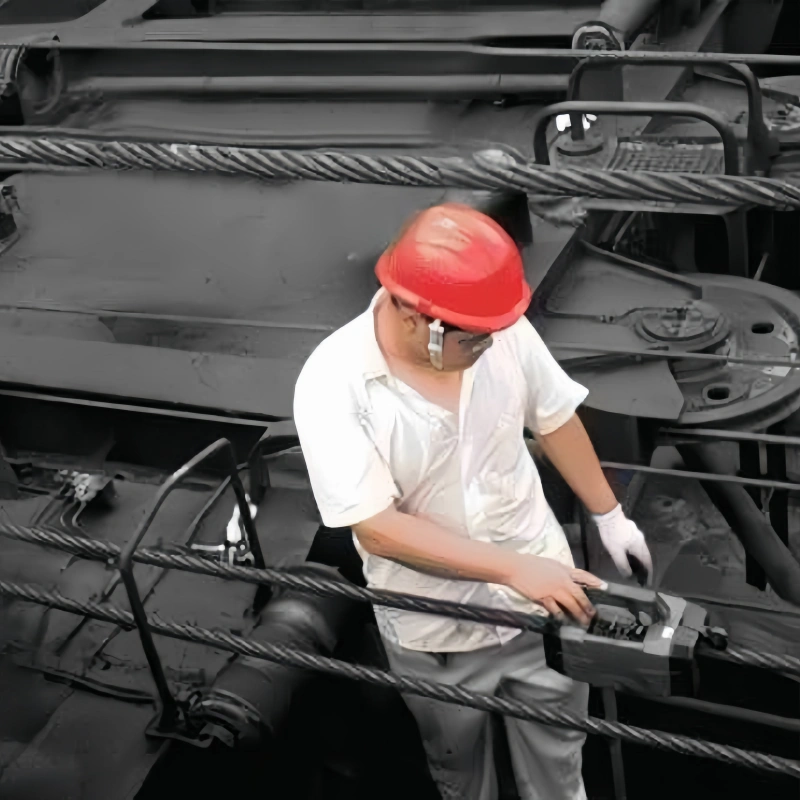
Crane wire rope safety remains critical for every lifting operation. Even with regular maintenance, undetected corrosion can lead to costly incidents, as seen in a recent NTSB report where a wire rope failed during a heavy lift, causing millions in damages.
Strict adherence to rejection criteria and thorough inspections helps prevent such failures. Powerful Machinery supplies certified crane wire ropes and steel wire ropes trusted by industries worldwide. Following best practices for inspection, storage, and handling ensures safe performance and extends service life.
Key Takeaways
Inspect crane wire ropes regularly to identify broken wires, diameter reduction, and corrosion. Early detection prevents accidents and extends rope life.
Follow strict rejection criteria based on international standards like ISO 4309. Discard ropes with excessive damage to ensure safety during lifting operations.
Lubricate wire ropes consistently to reduce friction and wear. Proper lubrication enhances performance and prevents issues like kinks and corrosion.
Store wire ropes in a dry, protected environment to avoid damage from moisture and chemicals. Proper storage practices prolong rope durability.
Ensure all inspections are conducted by qualified personnel. Competent inspectors can identify hazards and take necessary corrective actions.
Crane Wire Rope Rejection Criteria
Crane wire ropes must meet strict rejection criteria to ensure safe lifting operations. Powerful Machinery manufactures crane wire ropes that comply with ISO 4309 and EN standards.
These standards define when to remove a wire rope from service based on visible damage, wear, and other technical factors. Competent inspection and adherence to international codes remain essential for safety and reliability.
Criteria Type | Description |
|---|---|
Standard Reference | ISO 4309 provides guidelines on care, maintenance, inspection, and discard of wire ropes used in cranes. |
Discard Criteria | Varies based on the number of visible broken wires, rope construction, and crane classification (M1 to M8). |
Application Consideration | Discard criteria must be determined in compliance with the actual application type. |
Broken Wires
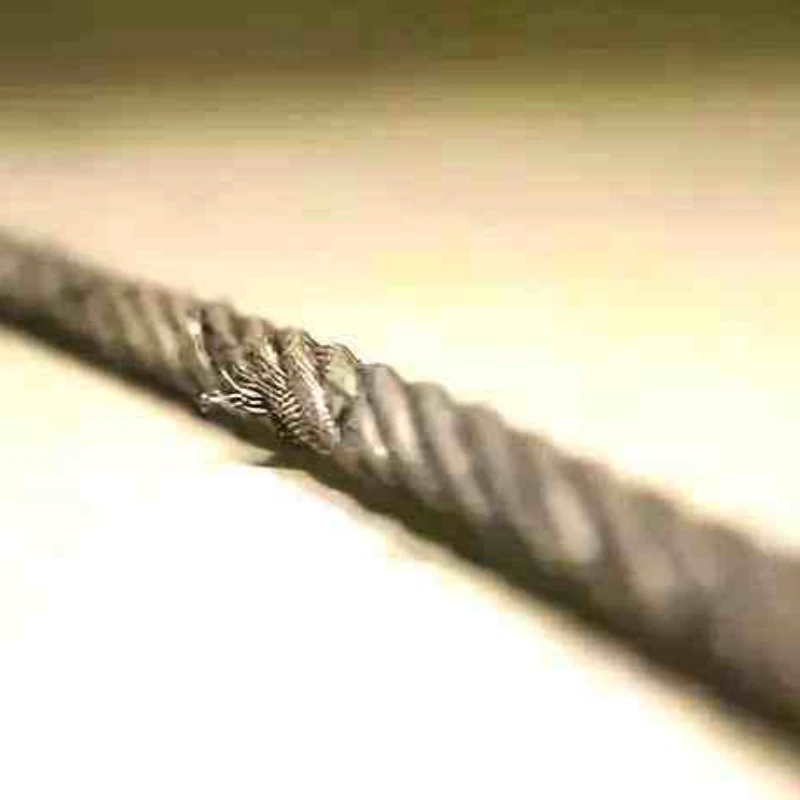
Inspectors must check for broken wires along the length of the rope. ISO 4309:2004 specifies that the number of allowable broken wires depends on the rope’s construction and the crane’s classification. For example, a higher Rope Category Number or a more demanding crane class (such as M8) requires stricter limits.
If the number of visible broken wires exceeds the standard, the rope must be discarded immediately. Regular relubrication helps reduce wire breakage by minimizing friction and wear. Proper lubrication also extends the service life of the rope, especially in dynamic applications.
Wire rope lubrication should be part of every maintenance schedule, and relubrication intervals must be strictly followed.
Diameter Reduction
A reduction in rope diameter signals internal or external wear. According to ASME B30.30-2019, a crane wire rope becomes unsafe if its diameter decreases by more than 5% from its nominal size. Inspectors should measure the rope at several points and compare the results to the original diameter.
Relubrication helps maintain the rope’s diameter by reducing internal abrasion. Lubrication of dynamic steel wire rope is especially important in high-cycle cranes, where wear occurs rapidly. Proper lubrication and relubrication prevent excessive diameter loss and help maintain the rope’s load-bearing capacity.
Concentrated Breaks
Concentrated wire breaks pose a serious risk. If 5% or more wires in the same strand break within a length six times the rope diameter, the rope must be scrapped at double the standard rate. This pattern indicates localized fatigue or overloading.
Inspectors should look for clusters of broken wires, especially near sheaves or drums. Relubrication reduces the risk of concentrated breaks by ensuring even distribution of lubricant and minimizing friction hotspots.
Wire rope lubrication should reach all strands, and relubrication must be performed after heavy use or exposure to harsh conditions.
Condition | Action |
|---|---|
5% or more broken wires in the same strand within a length six times the rope diameter | Scrap the rope at double the standard |
Termination Area Breaks
Wire breaks near terminations, such as sockets or clamps, require special attention. These areas experience high stress and frequent bending. If broken wires appear within one rope lay length of the termination, the rope should be removed from service.
Relubrication at terminations is critical, as these points often dry out faster than the rest of the rope. Lubrication of dynamic steel wire rope at terminations prevents corrosion and reduces the risk of fatigue breaks. Proper lubrication and relubrication routines must include these high-stress zones.
Distortion and Kinks
Distortion and kinks compromise the structural integrity of crane wire ropes. Common types include:
Kinks: Permanent bends caused by excessive bending forces, leading to uneven lay length and rapid wear.
Slight bends: Minor deviations where wires remain in their original position.
Extreme kinks: Severe deformations from improper handling, such as wrapping around sharp corners, which can flatten the rope and damage the core.
Any rope with kinks, birdcaging, or severe distortion must be discarded. Relubrication helps prevent kinks by maintaining flexibility and reducing internal friction. Wire rope lubrication should be applied evenly during relubrication to ensure all strands move smoothly.
Core or Strand Issues
Core protrusion can result from shock loading or improper installation. Rotation-resistant wire ropes require careful handling during installation to prevent damage. Introducing twist or torque may cause the core to slip and protrude, overloading the outer strands and reducing the rope’s strength.
Relubrication during installation and maintenance helps prevent core slippage by reducing internal friction. Lubrication of dynamic steel wire rope is essential for ropes with complex constructions. Proper lubrication and relubrication routines ensure the core and strands share the load as designed.
Corrosion and Heat Damage
Corrosion and heat damage are critical rejection criteria. Inspectors should look for:
Indicator | Description |
|---|---|
Red Rust | Presence of oxidized metal particles between strands, indicating internal wear and potential fatigue breaks. |
Diameter Reduction | A reduction of 3-4% in rope diameter suggests the likelihood of wire breaks developing. |
Retirement Criteria | Visible signs of heat damage and corrosion require immediate retirement of the wire rope. |
Corrosion prevention starts with proper lubrication and regular relubrication. Wire rope lubrication forms a protective barrier against moisture and contaminants. Relubrication intervals should be based on operating conditions and manufacturer recommendations.
Lubrication of dynamic steel wire rope in marine or outdoor environments is especially important for corrosion prevention. Proper lubrication and relubrication routines help detect early signs of heat damage, such as discoloration or loss of flexibility.
Powerful Machinery’s crane wire ropes are engineered to meet or exceed all international rejection criteria. The company’s certified products ensure reliable performance and safety in the most demanding applications.
Competent inspection, adherence to ISO and EN standards, and strict relubrication routines guarantee the longevity and safety of every lifting operation.
Crane Wire Rope Safety Standards
Competent Inspection
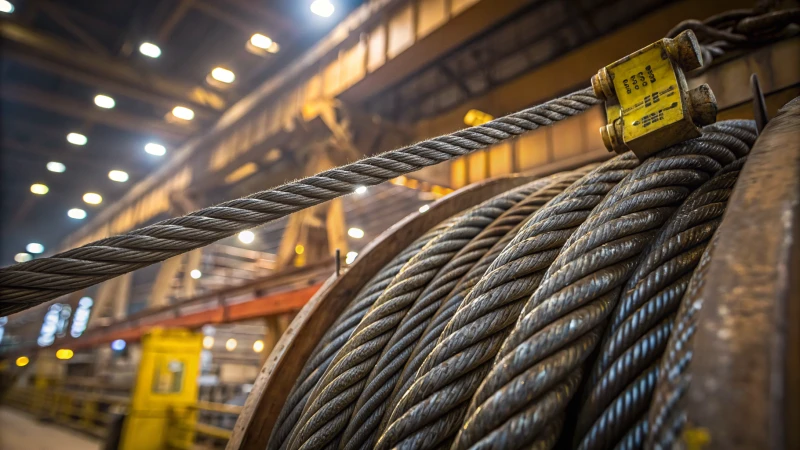
Crane wire rope safety depends on thorough inspections performed by qualified personnel. A competent person must identify hazards, recognize unsafe conditions, and possess the authority to take corrective action.
Powerful Machinery recommends that every inspector undergo formal training and pass a comprehensive test to demonstrate knowledge. Practical experience in wire rope inspections validates the inspector’s qualifications. The following table outlines the essential qualifications for crane wire rope safety inspections:
Qualification Type | Description |
|---|---|
Competent Person | Must identify hazards, know unsafe conditions, and have authority for corrective action. |
Qualified Person | Requires a recognized degree or certificate, extensive knowledge, training, and experience. |
Training and Testing | Formal training is required, along with passing a comprehensive test to demonstrate knowledge. |
Hands-on Experience | Practical experience in inspecting cranes is necessary to validate qualifications. |
Powerful Machinery ensures that all wire rope inspections are conducted by personnel who meet these standards. This approach reduces risk and improves crane wire rope safety outcomes.
Tip: Inspectors should always document findings and maintain records for every inspection. Consistent record-keeping supports crane wire rope safety and helps track rope condition over time.
Reference Codes and Standards
Crane wire rope safety relies on strict adherence to international codes and standards. Powerful Machinery manufactures crane wire ropes that comply with ISO, EN, ASTM, and other global requirements.
These standards guarantee product quality, operational safety, and load capacity. The most frequently referenced standards for crane wire rope safety include:
ASME B30.2 – Overhead and gantry cranes
ASME B30.5 – Mobile and locomotive cranes
ASME B30.9 – Slings
OSHA 29 CFR 1910.179 – Overhead and gantry crane regulations
OSHA 29 CFR 1926.1413 – Construction crane inspection requirements
ISO 4309 – International wire rope discard criteria
Powerful Machinery’s compliance with these standards ensures that every crane wire rope meets or exceeds minimum breaking force requirements. The table below highlights how compliance improves crane wire rope safety:
Factor | Description |
|---|---|
Product Quality | Ensures durability and tensile strength through compliance with ISO/ASTM standards. |
Certifications & Compliance | Involves safety certifications that enhance operational safety. |
Load Capacity | Guarantees that the rope meets or exceeds the minimum breaking force for safety. |
Crane wire rope safety improves when products are certified and regularly inspected. Powerful Machinery’s certified crane wire ropes provide reliable performance in demanding environments. Wire rope inspections, conducted according to international standards, help prevent accidents and extend service life.
Note: Following recommended disposal criteria and maintaining accurate records are essential for crane wire rope safety. Inspectors should reference ASME B30.30 and ISO 4309 for guidance on rope retirement.
Best Practices for Storage
Storage Environment
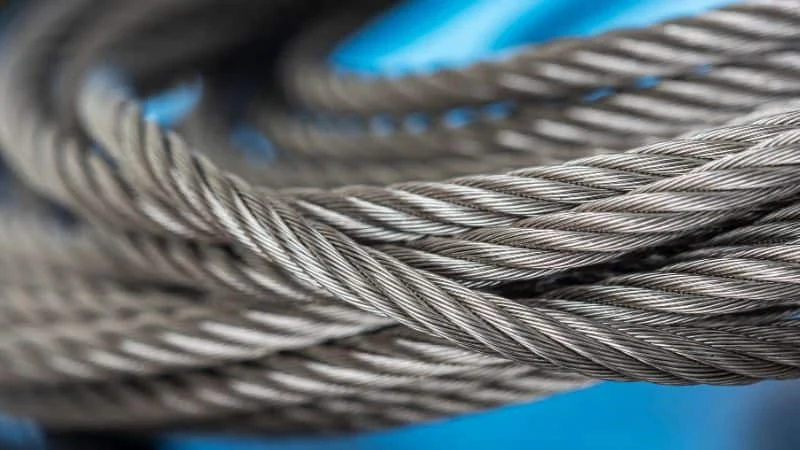
Proper storage protects crane wire ropes from environmental damage. Powerful Machinery recommends storing wire ropes in a location shielded from moisture, sunlight, and extreme temperatures. These conditions prevent rust, corrosion, and rapid deterioration. The storage area must remain acid-free.
Avoid exposure to acids or acid fumes, which can weaken the metal and reduce rope strength. Apply a high-quality lubricant coating to each wire rope before storage. Maintain this coating regularly to preserve flexibility and strength.
Store wire ropes indoors or under a covered shelter.
Keep ropes away from direct sunlight and heat sources.
Ensure the area is dry and free from chemical fumes.
Protection from Contaminants
Contaminants such as dust, chemicals, and water can damage wire ropes during storage. Powerful Machinery advises using protective covers or wrapping ropes in plastic sheeting. This practice keeps contaminants away and maintains the rope’s integrity. Always check that covers are intact and replace them if damaged.
Tip: Use acid-free materials for wrapping and avoid storing ropes near cleaning agents or industrial chemicals.
Positioning and Airflow
Position wire ropes off the ground on racks or pallets. This prevents contact with moisture and allows air to circulate through the ropes. Good airflow reduces the risk of condensation and corrosion. Arrange ropes so they do not touch each other, which prevents abrasion and deformation.
Place ropes in single layers when possible.
Leave space between coils for ventilation.
Tagging and Inventory
Tag each wire rope with clear identification labels. Record the storage date, rope type, and specifications in an inventory log. Powerful Machinery recommends digital inventory systems for accuracy. This practice helps track rope usage and ensures timely inspections.
Tagging Item | Description |
|---|---|
Rope ID | Unique identification |
Storage Date | The date rope was stored |
Specifications | Rope type and size |
Periodic Inspection
Inspect stored wire ropes at least once a month. An appointed person must check for signs of deterioration, corrosion, or damage. If a rope has been idle for a month or more, inspect it thoroughly before returning it to service. Regular inspections reduce the risk of failure and protect workers and property.
Schedule monthly inspections for all stored ropes.
Document inspection results and update inventory records.
Following these best practices ensures crane wire ropes and steel wire ropes from Powerful Machinery remain safe and reliable during storage. Proper storage, tagging, and periodic inspection extend rope life and support operational safety.
Handling and Installation Best Practices
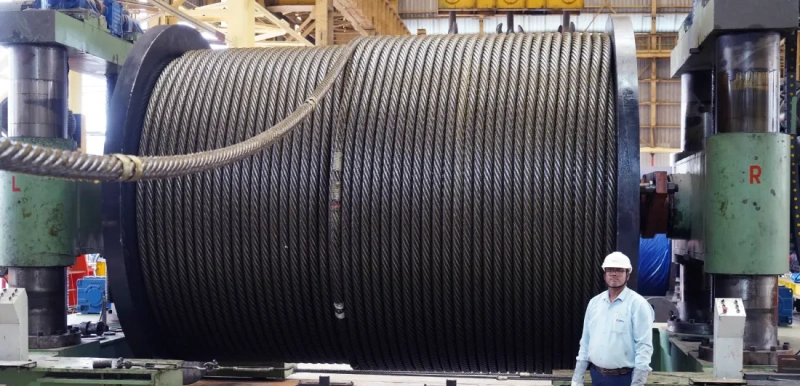
Uncoiling and Rolling
Proper wire rope handling starts with correct uncoiling and rolling techniques. Workers should avoid pulling the rope from a coil lying flat or through the middle, as these actions create spirals and kinks. The recommended method involves two people.
One person holds the rope end while the other rolls the coil along the floor, allowing the rope to uncoil naturally. This approach prevents twists and maintains the rope’s structure. When using reels, workers should never drop or roll them on the ground.
Instead, they should mount the reel on a shaft or unreeling stand, ensuring it rotates freely. Controlled unreeling reduces the risk of loops and permanent damage.
Using Turntables
Turntables play a vital role in safe wire rope handling. Mounting the reel on a turntable allows the rope to pay out straight under tension. This setup prevents kinks and loops, which can compromise the rope’s integrity.
The reel should move freely, and operators should maintain steady tension throughout the process. Using a braking device or a powered de-reeling system helps control the reel’s speed and prevents overruns.
Preventing Contamination
Contamination during handling and installation can shorten wire rope life. Workers should clean the rope regularly to remove dirt and debris. Storing ropes in dry, ventilated areas away from chemicals and moisture is essential.
Applying the correct lubricant forms a protective barrier, reducing friction and guarding against corrosion. These steps align with industry best practices and help maintain rope performance in harsh environments.
Tension and Layering
Proper tension and layering during installation ensure long service life. Each wrap on the drum’s foundation layer must be tight and gap-free. Subsequent layers should follow the grooves of the previous layer to avoid cross-winding and crushing.
Applying a tensioning force of 2.5-5% of the minimum breaking tension during installation creates a solid foundation and prevents uneven stress.
Avoiding Kinks and Bends
Kinks and sharp bends can severely damage crane wire ropes. Workers must avoid bending the rope beyond its minimum bend radius. The table below highlights the consequences of improper handling:
Mistake | Consequence |
|---|---|
Bending the rope beyond its minimum radius | Damages internal strands, reducing strength |
If a kink forms, workers should cut out the affected section to prevent further damage.
Fleet Angle
Fleet angle directly impacts operational safety. The correct fleet angle allows the rope to spool smoothly onto the drum, laying neatly next to previous wraps. If the angle is too large or too small, the rope may pull away from the drum or pile up, causing excessive wear or even failure.
Maintaining the proper fleet angle is critical for safe crane operation and rope longevity.
Following these handling and installation steps protects both the wire rope and the equipment. Powerful Machinery recommends strict adherence to these procedures to ensure safety and maximize service life.
Powerful Machinery Product Advantages
Certified Quality
Powerful Machinery stands out with its commitment to certified quality. The company manufactures crane wire ropes and steel wire ropes that meet or exceed ISO, EN, ASTM, and API standards. Each product undergoes rigorous testing to ensure consistent strength and durability.
These certifications give customers confidence that every wire rope will perform safely under demanding conditions. Powerful Machinery’s wide product range covers various constructions and materials, supporting diverse lifting needs in construction, marine, and logistics sectors.
Application-Focused Solutions
Powerful Machinery addresses unique lifting challenges by delivering solutions tailored to each industry. Their engineers design products that serve construction, marine, transportation, and logistics operations.
This application-focused approach ensures every wire rope meets strict safety standards and operational requirements. Automation and advanced manufacturing processes help maintain high quality and efficiency.
By understanding the specific needs of each sector, Powerful Machinery provides reliable products that improve project outcomes and reduce downtime.
Customers benefit from improved project delivery reliability, enhanced safety reputation, and reduced insurance costs. These advantages support safety and longevity in crane operations.
Technical Support and Service
Powerful Machinery offers comprehensive technical support and after-sales service. Their team assists with installation, maintenance, and troubleshooting. The table below outlines the main services available:
Service Type | Description |
|---|---|
Boom Inspections & Tune-Ups | Regular checks and adjustments for optimal performance. |
Crane Inspections | Comprehensive evaluations to ensure safety and functionality. |
Modernization Upgrades | Enhancements to improve crane capabilities. |
On-Site Delivery and Overviews | Direct service at the customer’s location. |
Preventative Maintenance | Scheduled maintenance to prevent future issues. |
Technical Support | Assistance with technical issues and inquiries. |
Track Replacement | Replacement of crane tracks as needed. |
Troubleshooting and Repairing Cranes | Diagnosis and repair of crane malfunctions. |
Welding Fabrications | Custom welding services for crane components. |
Wire Rope Installation/Removal | Installation and removal of wire ropes for cranes. |
This full-service approach helps customers maintain safe and efficient crane operations. Powerful Machinery’s support team responds quickly to technical issues, ensuring minimal downtime and maximum productivity.
Conclusion
Crane wire rope safety depends on strict adherence to rejection criteria and best practices. Regular inspections help detect broken wires, diameter reduction, corrosion, and structural damage before failure occurs. Key safety measures include:
Removing ropes with excessive broken wires, kinks, or heat damage
Inspecting high-stress areas and documenting findings
Discarding ropes with severe corrosion or damaged attachments
Powerful Machinery delivers certified products and expert support, ensuring every lifting operation meets the highest standards. Schedule regular inspections and consult Powerful Machinery for reliable, certified lifting solutions.
FAQ
What are the main signs that a crane wire rope needs replacement?
Inspectors should look for broken wires, reduced diameter, kinks, corrosion, or heat damage. If any of these signs appear, the rope must be removed from service. Regular inspections help identify these issues early.
How often should crane wire ropes be inspected?
A competent person should inspect crane wire ropes before each shift and after any unusual event. Monthly detailed inspections help ensure ongoing safety and performance.
Can users lubricate crane wire ropes themselves?
Users can perform routine lubrication if they follow manufacturer guidelines. Powerful Machinery recommends using approved lubricants and relubricating at regular intervals. Proper lubrication extends rope life and prevents corrosion.
What certifications do Powerful Machinery’s crane wire ropes have?
Certification | Description |
|---|---|
ISO | International standards |
EN | European standards |
ASTM | American standards |
API | Petroleum industry |
These certifications ensure product quality and safety.
Where can customers get technical support for installation or maintenance?
Customers can contact Powerful Machinery’s technical team through the official website or customer service hotline. The team guides installation, maintenance, and troubleshooting for all certified wire ropes.