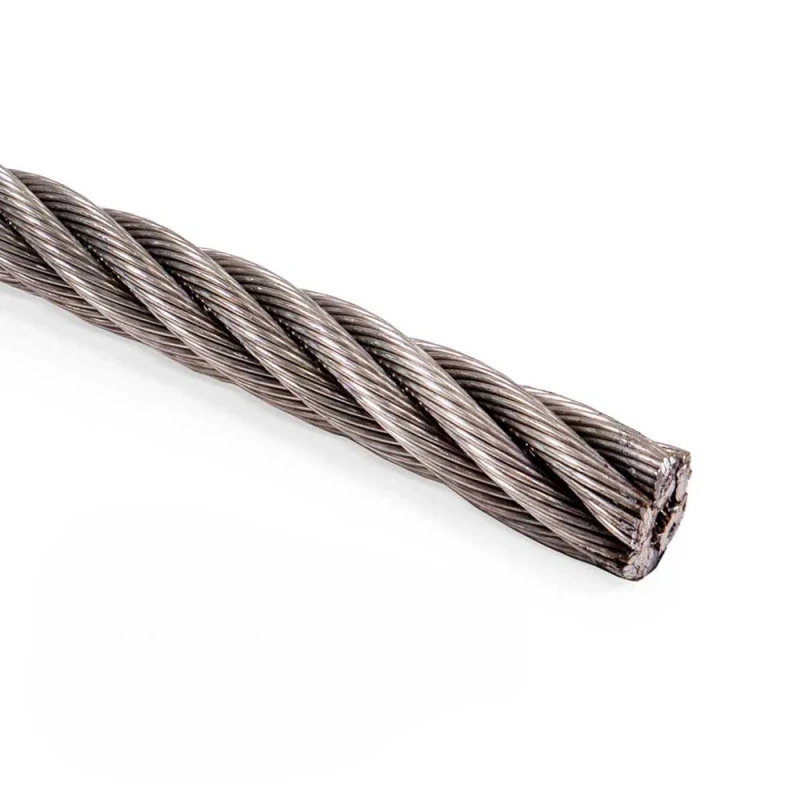
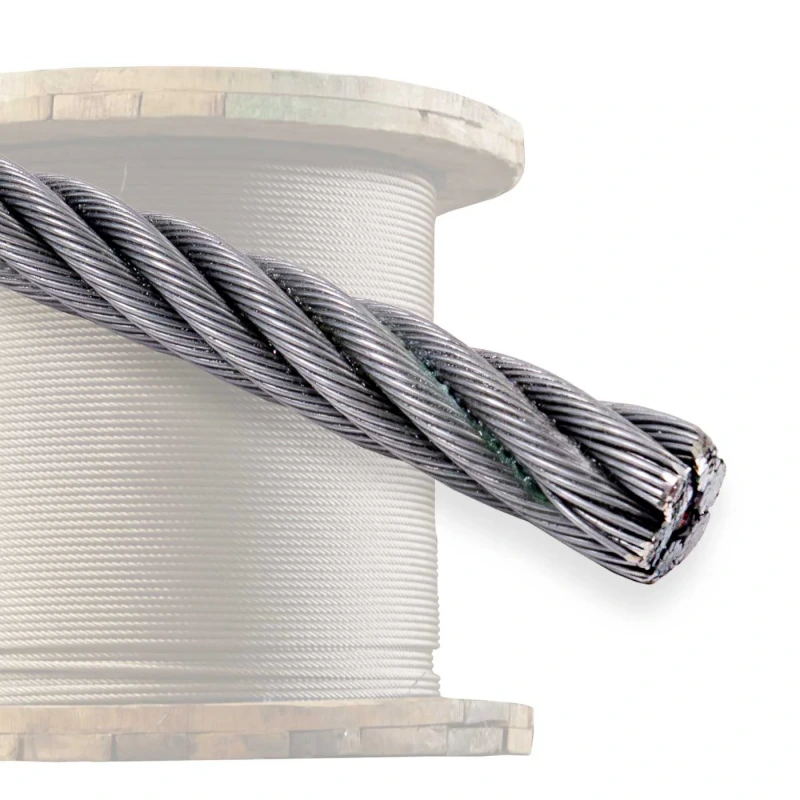
You need to approach crane wire rope replacement with diligence and follow both industry standards and manufacturer recommendations. For best results, inspect your wire rope before each use, perform a detailed check monthly, and schedule a comprehensive inspection every year.
The table below outlines the recommended inspection intervals:
Inspection Frequency | Description |
|---|---|
Before each use | Quick visual check of the working length and terminations. |
Monthly (or every 50–100 hours) | Slow, hands-on inspection of the full length. |
Annually | Documented ‘major’ inspection; for life-safety uses, engage a qualified rigger. |
You should always use certified, high-quality wire ropes like those from Powerful Machinery. Pay close attention to any signs of visible damage or performance changes. Prioritize safety and keep your equipment in top condition by following a strict maintenance routine.
Key Takeaways
Inspect your crane wire rope before each use, monthly in detail, and have a yearly professional check to catch problems early.
Replace wire ropes immediately if you see broken wires, kinks, heat damage, or if the rope diameter shrinks too much.
Use only certified, high-quality wire ropes that meet safety standards to ensure reliable and safe crane operation.
Keep your wire rope clean and well-lubricated to prevent rust and wear, which helps extend its life and reduce costs.
Handle and store wire ropes carefully in dry places, and train your team on proper maintenance to avoid damage and accidents.
Crane Wire Rope Replacement Period
Manufacturer & OSHA Guidelines
You must follow strict guidelines when planning crane wire rope replacement. Both OSHA and major manufacturers agree that you should not rely on a fixed schedule. Instead, you need to inspect your wire rope regularly and replace it based on its condition.
Powerful Machinery recommends using only certified wire rope that meets or exceeds international standards for safety and performance.
According to OSHA 29 CFR 1926.1413 and industry best practices, you must replace your wire rope when you notice any of the following:
The number of visible broken wires exceeds the allowed limit.
The wire rope shows kinks, crushing, or severe wear.
You see heat damage, such as discoloration or fusion.
The rope diameter has reduced by more than 10% from its original size.
There is a loss of core support or other internal damage.
Tip: Always check the manufacturer’s recommendations for your specific wire rope model. Powerful Machinery provides detailed guidelines for each product to help you stay compliant and safe.
OSHA also requires a documented annual inspection by a qualified person. This inspection helps you catch issues early and ensures your wire rope remains safe for use.
Condition for Replacement | Description |
|---|---|
Broken Wires | Remove if six or more broken wires are found in one rope lay length, or three or more in one strand. |
Heat Damage | Immediate removal is required if there is evidence of heat damage, such as discoloration or distortion. |
Diameter Reduction | Replacement is necessary if the rope diameter is reduced beyond the manufacturer’s specified limit. |
Factors Affecting Replacement
Many factors can shorten the lifespan of your wire rope. You need to consider how often you use your crane, the loads you lift, and the environment where you operate.
Dynamic Load: Frequent lifting and lowering cause fatigue damage to the wire rope.
Static Load: Long periods of suspension can compress and curve the rope, leading to wear.
Environmental Conditions: High or low temperatures, humidity, and exposure to chemicals or saltwater can accelerate corrosion and wear.
Maintenance: Regular inspection, cleaning, and lubrication help extend the life of your wire rope.
Wire ropes are often exposed to moisture, chemicals, and extreme temperatures that accelerate corrosion. In marine environments, saltwater can quickly damage protective coatings, making the wire rope brittle and more likely to break under tension.
You should always monitor these factors and adjust your maintenance schedule as needed. Powerful Machinery offers technical support to help you choose the right wire rope and keep it in top condition. By staying proactive, you ensure safe and efficient crane operation.
When to Replace Wire Rope on a Crane?
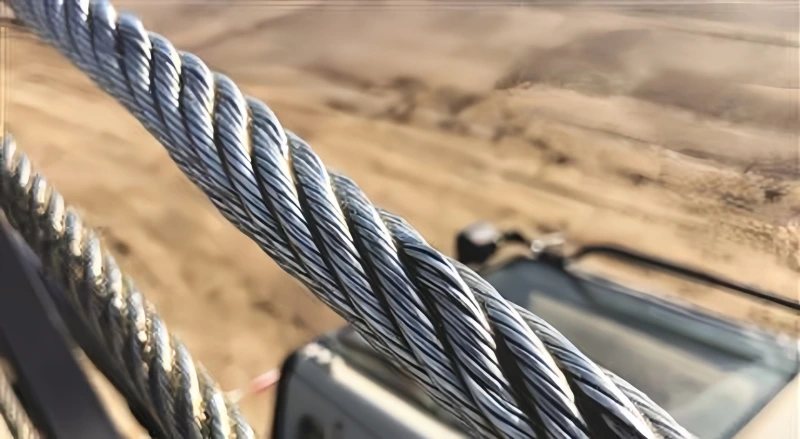
Knowing when to perform crane wire rope replacement is essential for safe and efficient lifting operations. You must recognize both visual and performance indicators that signal immediate action. Even the most durable wire rope from Powerful Machinery will eventually reach the end of its service life.
Regular inspection helps you spot these warning signs before they lead to failure.
Visual Signs of Damage
You should look for clear visual cues during every inspection. These signs often indicate that the wire rope has suffered critical damage and needs immediate replacement:
Broken Wires: If you see two or more broken wires within one lay length, or if 10% of the total wires are broken, you must replace the wire rope right away. Broken wires show severe fatigue or misalignment.
Crushing or Kinking: Notice any local lifting, kinks, or exposure of the core. These issues suggest internal damage that cannot be repaired. Replace the wire rope immediately.
Corrosion or Rusting: Check for visible rust, pitting, or changes in diameter. Corrosion weakens the wire rope from the inside out, especially if exposed to moisture or chemicals. Lack of lubrication can speed up this process.
Strand Separation or Birdcaging: Look for wavy deformations or bulges that exceed 25% of the rope’s diameter. These distortions mean the wire rope has lost its binding force and is no longer safe.
Heat Damage: Discoloration, scaling, or brittleness are signs of exposure to high temperatures. Heat can change the material properties, making the wire rope unsafe.
Tip: Always inspect the entire length of the wire rope, not just the visible sections. Damage can occur anywhere along the rope.
Performance & Safety Indicators
You must also pay attention to how the wire rope performs during operation. Certain changes in behavior or appearance can signal that replacement is necessary. Use the following table to guide your inspection:
Indicator | Description |
|---|---|
Diameter Reduction | A decrease of more than 5% from the original size means the wire rope may have core damage. |
Broken Wires | Any presence of broken wires suggests significant wear and risk of failure. |
Corrosion | Surface roughness, pitting, or looseness of wires requires immediate removal. |
Structural Distortion | Visible distortion, such as birdcaging or core protrusion, means the wire rope is unsafe. |
Heat Damage | Discoloration or exposure to temperatures above 400°F requires automatic removal. |
You should measure the wire rope diameter at several points. If you find a reduction of 5% or more, remove the wire rope immediately. For reductions between 2% and 5%, increase your inspection frequency and monitor closely. Any exposure to extreme heat or visible structural changes means you must act without delay.
Note: Powerful Machinery’s wire ropes meet ISO 2408, EN 12385, and DIN 3060 certifications. These standards ensure high tensile strength, safety, and performance. However, even certified wire rope will eventually show signs of wear. You must replace it as soon as you notice any critical indicators.
You can extend the life of your wire rope with proper maintenance, but you cannot ignore these warning signs. Always prioritize safety. Replace the wire rope before it becomes a hazard. This approach keeps your crane running smoothly and protects your team.
How to Change Crane Wire Rope?
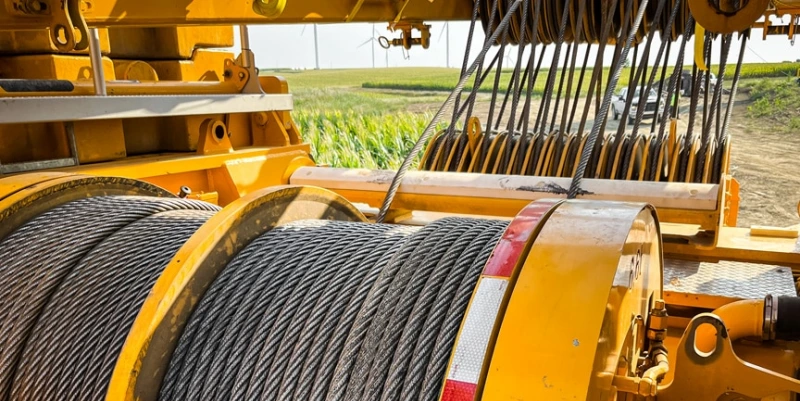
Preparation & Safety
You must prepare carefully before starting crane wire rope replacement. Select a certified wire rope from Powerful Machinery that matches your crane’s specifications. Always check the manufacturer’s manual for the correct diameter, construction, and length.
Gather all necessary tools and equipment to ensure a safe and efficient process.
Essential tools and equipment include:
Wire rope gauge and diameter measuring device
Calipers or micrometer
Wire rope measuring tape
Magnifying glass for close inspection
Cleaning brushes and a rag
Flashlight for detailed checks
Appropriate PPE, including cut-resistant gloves
Tip: Handle the wire rope with two people. One person should hold the end while the other rolls the coil along the ground. This method prevents twists and kinks, keeping the wire rope in optimal condition.
Removal & Installation Steps
Follow these steps to remove the old wire rope and install the new one:
Place the wire rope reel on a clean mat away from the crane to avoid contamination.
Uncoil the wire rope by rolling the reel, not by pulling from a flat coil.
Control the release to prevent sudden unwinding.
Remove the old wire rope, inspecting for damage as you go.
Align the new wire rope with the drum, ensuring the correct bend direction (top-to-top or bottom-to-bottom).
Apply a tensioning force of 2.5-5% of the minimum breaking force during installation.
Fix the wire rope ends according to the manufacturer’s instructions.
Avoid friction between the wire rope and crane parts.
Use proper hauling methods and avoid welding the ends of new and old ropes together.
Wind the wire rope in the correct direction based on its twist.
Always match the wire rope specifications to your crane’s requirements. Using certified products from Powerful Machinery ensures safety and compliance.
Post-Replacement Checks
After installation, you must verify that the wire rope meets all safety and performance standards. Inspect the surface for rust, pitting, and proper lubrication. Check for kinks, crushing, or bird-caging. Examine the drum spooling and end terminations for correct placement and signs of wear.
Inspection Type | Description |
|---|---|
Rope Surface Inspection | Look for rust, pitting, and lubrication. Re-lubricate if needed. |
Kinks and Crushing | Remove the wire rope if you find any kinks or crushing. |
Drum Spooling Condition | Ensure even spooling and check drum grooves for wear. |
End Termination Condition | Inspect anchor points for corrosion or damage. |
Static Load Test | Perform a static load test at rated capacity and log the results. |
Run the crane slowly with a low load for several cycles to “run in” the new wire rope.
Adjust limit switches if necessary.
Record installation details, including the date and equipment type.
Make sure the wire rope spools evenly without slack or cross laps.
Proper post-installation checks help prevent premature wear and ensure safe crane operation.
Maintenance Tips for Crane Wire Rope
Regular Inspection Steps
You need to inspect the wire rope daily before each shift. Look for broken wires, diameter reduction, corrosion, kinks, bird-caging, and damaged end fittings. Use a wire rope gauge to measure the diameter at several points. Record inspection results in a rope register, noting any damage or unusual findings.
Schedule monthly detailed inspections for normal duty and weekly checks for severe duty. Always follow OSHA and ASME standards. If you find six or more broken wires in one lay length or severe corrosion, replace the wire rope immediately.
Powerful Machinery offers technical support and preventative maintenance services to help you maintain compliance and safety.
Tip: Conduct magnetic rope testing for internal breaks and corrosion. Manual opening is recommended for fiber-core ropes.
Lubrication & Cleaning
Lubrication is essential for extending wire rope life. Apply specialist lubricants that penetrate deeply, reducing friction and preventing rust. Clean wire rope regularly to remove dirt, old lubricant, and contaminants. Use wire brushes, scraping, or high-pressure washing for effective cleaning.
Wipe off old lubricant before applying new. Proper lubrication minimizes wear and enhances safety for workers and equipment. Automated systems can ensure consistent lubrication, addressing both internal and external wear. A well-lubricated wire rope lasts longer and reduces crane wire rope replacement costs.
Maintenance Task | Benefit |
|---|---|
Cleaning | Removes contaminants, prevents corrosion |
Lubrication | Reduces friction, extends wire rope lifespan |
Handling & Storage Best Practices
Handle wire rope carefully during uncoiling and installation. Place the payout reel correctly and avoid reverse bends. Store wire rope in a dry, temperate environment, shielded from weather and chemicals. Apply a protective coating of lubricant after periods of inactivity.
Operator training is vital. Ensure all personnel understand proper handling, inspection, and maintenance procedures. Powerful Machinery provides on-site delivery, installation, and technical guidance to support your maintenance program.
Note: Regular maintenance reduces the frequency of crane wire rope replacement and prevents costly shutdowns. Structured programs are more cost-effective than deferred maintenance.
Conclusion
You protect your team and equipment when you prioritize timely crane wire rope replacement. Regular inspections help you spot issues early and meet safety standards. Key points include:
Replace wire ropes at the first sign of broken wires, kinks, or heat damage.
Use certified, high-quality products from Powerful Machinery for reliable performance.
Maintain detailed inspection records to support safe crane operation.
Feature | Benefit |
|---|---|
Overload Protection | Prevents unsafe lifting conditions |
Durability | Withstands harsh environments and heavy use |
Compliance | Meets global safety standards |
Proactive maintenance saves costs, reduces downtime, and keeps your operations running smoothly.
FAQ
How do you know which wire rope fits your crane?
You check your crane’s manual for specifications. Match the diameter, construction, and length. Powerful Machinery offers technical support to help you select the right wire rope for your lifting needs.
What is the best way to store wire rope?
Store wire rope in a dry, cool place. Keep it off the ground and away from chemicals. Apply a protective lubricant. Use racks or reels to prevent kinks and damage.
How often should you lubricate crane wire rope?
Lubricate the wire rope every month or after heavy use. Inspect for dryness or rust. Apply a lubricant that penetrates deeply. Proper lubrication extends service life and improves safety.
What should you do if you find broken wires during inspection?
Replace the wire rope immediately if you find broken wires exceeding safety limits. Record the damage in your inspection log. Never use damaged wire rope for lifting operations.
Can you reuse old wire rope for other applications?
You should not reuse old wire rope for critical lifting. Use it only for non-load-bearing tasks if it passes inspection. Always prioritize safety and follow manufacturer guidelines.