
DIN Chain
Powerful Machinery produces reliable DIN chains that meet DIN 766, DIN 763, and DIN 5685 standards. Our chains are designed for diverse industrial applications such as bracing, fastening, suspension, and cordoning off. Built for strength and durability, our chains ensure maximum performance. Contact us for a custom quote today and find the perfect chain for your business needs.

Chains must meet industry standards like DIN 766, DIN 763, and DIN 5685, ensuring long-term performance in tough environments.
I need a manufacturer who can offer custom chains tailored to my specific needs, including various sizes, materials, and grades.
Consistent on-time deliveries and a steady supply of chains, even for large-scale or urgent orders, are essential.
I look for cost-effective solutions that don’t sacrifice quality, providing the best value for my business.
Power Machinery - Your Reliable DIN Chain Manufacturer
We supply work provide dependable din chains for industry leaders.





DIN CHAINS
Browse our extensive collection of DIN chains, including DIN 766, DIN 763, and DIN 5685, built for dependable performance in lifting, rigging, and heavy-duty industrial applications.

The DIN 763 (Long Link) chain is ideal for light-duty, non-lifting applications such as security, fencing, and safety barriers, providing flexibility and reliable performance for various industrial uses.

The DIN 764 (Medium/Long Link) chain is designed for heavy-duty industrial applications like conveyor systems, bucket elevators, and scrapers, ensuring strength, durability, and reliable performance.
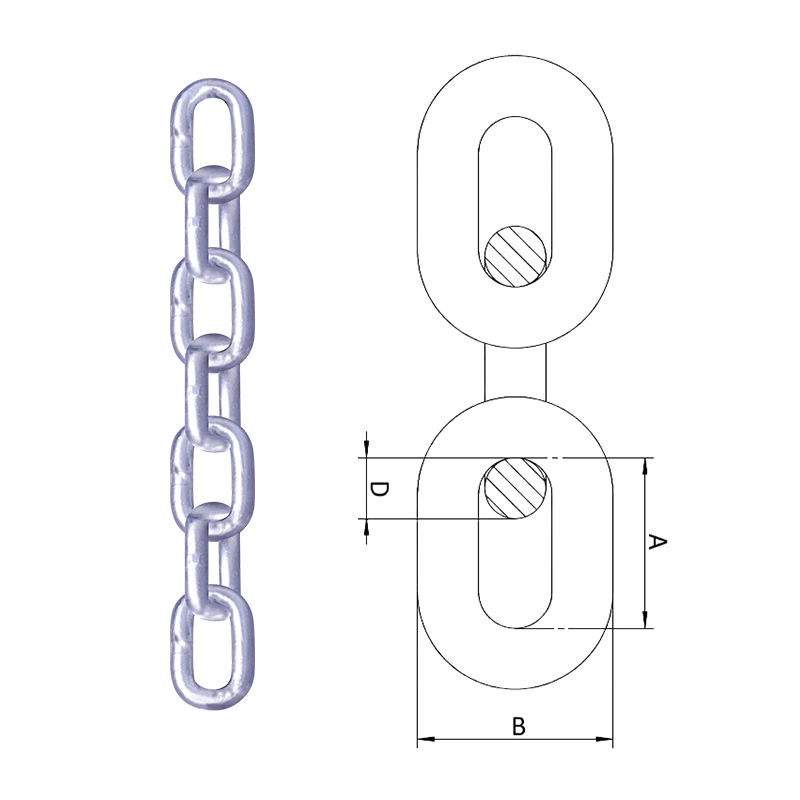
The DIN 766 (Short Link) chain is a calibrated, short-link chain ideal for marine applications like anchor winches and general lifting. Available in 6–10mm sizes, it is often interchangeable with ISO standards.

The DIN 5685 (Long/Short Link) chain is a versatile, non-calibrated chain, commonly used for decorative, securing, or functional purposes where precise length measurements are not required.
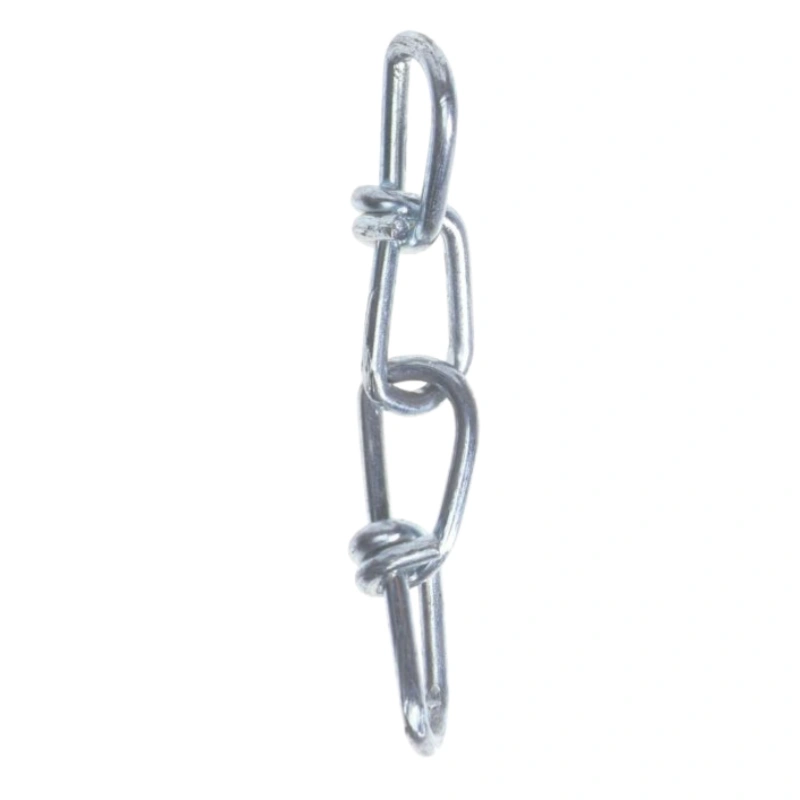
The DIN 5686 chain is a knotted (double-loop or tenso) chain made from galvanized or stainless steel. Lightweight, flexible, and weldless, it’s perfect for decorative, barrier, and light-duty fastening applications.
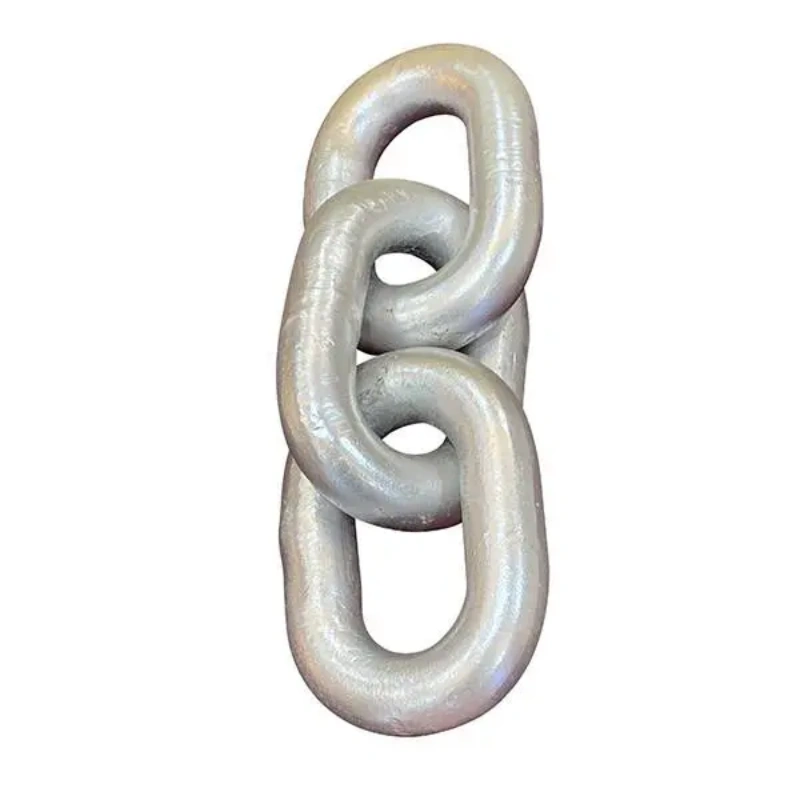
DIN 22252 Chain
Standard for heavy-duty round link chains designed for mining applications, ensuring reliable strength, durability, and safety in demanding industrial environments.
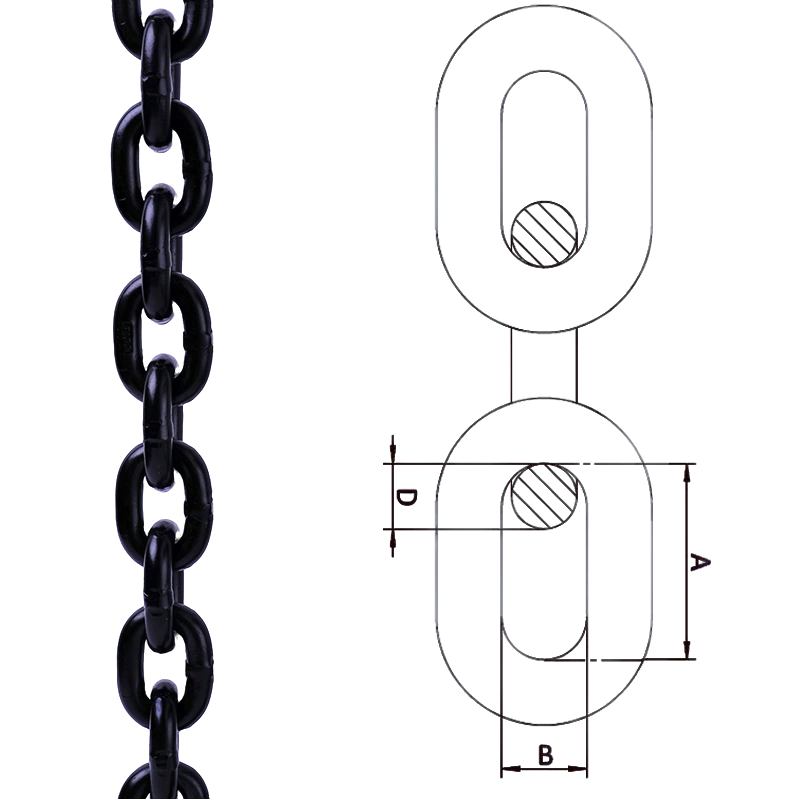
Standard for short-link lifting chains, engineered for high-performance lifting with Grade 80 strength. Ideal for heavy-duty operations requiring reliable, durable lifting solutions.
NEED HELP WITH YOUR DIN CHAIN ORDER?
Let us help! Reach out today and get recommendations on materials and sizing from our experts.


Guide to DIN Chain
Our DIN Chain Guide offers businesses a comprehensive overview of DIN chain standards, helping you understand their specifications, applications, and how to choose the right chain for your industrial needs.
What Are DIN Chains, and Why Are They Essential for Industrial Applications?
DIN chains are mechanical chains manufactured to strict German industry standards, ensuring consistency and high performance in demanding industrial environments. These chains are favored for their reliability, load-bearing capacity, and durability in extreme conditions. As a manufacturer, we understand that DIN chains are critical in various applications, including conveyors, lifting systems, and power transmission, providing unmatched efficiency and uptime.
How Does Material Selection Impact the Performance of DIN Chains in Various Environments?
The material choice for DIN chains is critical in determining how well the chain performs in different operational environments. Materials like carbon steel, stainless steel, and alloy steel each have unique characteristics that affect durability, strength, and resistance to wear and corrosion. Choosing the right material ensures optimal performance, reduces maintenance costs, and extends the lifespan of the chain in its specific application.
Key Factors Impacting DIN Chain Material Selection:
- Carbon Steel:
- High strength and load capacity.
- Cost-effective compared to other materials.
- Prone to corrosion if exposed to moisture or harsh chemicals.
- Requires additional coatings or lubrication for extended durability in corrosive environments.
- Stainless Steel:
- Corrosion-resistant, making it ideal for wet or chemically aggressive environments.
- Performs well in high humidity, salty air, or food processing industries.
- More expensive than carbon steel but offers longer service life in specific conditions.
- Requires less maintenance in harsh environments due to its inherent resistance to rust and corrosion.
- Alloy Steel:
- Designed for heavy-duty applications with superior strength and wear resistance.
- Best suited for high-load, high-stress operations.
- More expensive and harder to manufacture, but provides long-term performance in demanding conditions.
- Can handle high temperatures and heavy mechanical loads, making it ideal for industrial machinery.
Environmental Factors Affecting Material Choice:
- Moisture & Humidity: Stainless steel is ideal for environments exposed to water or chemicals.
- Corrosive Elements: Stainless and alloy steels perform better in chemically aggressive settings.
- Temperature Extremes: Alloy steel is highly resistant to high temperatures, making it suitable for heavy-duty industrial applications.
- Abrasive Conditions: Alloy steel offers superior wear resistance, ideal for environments with heavy dust or abrasive particles.
What Factors Should You Consider When Choosing a Din Chain for Your Equipment?
Regularly monitoring the wear and tear of a DIN chain is crucial to maintaining its efficiency and preventing unexpected equipment failures. By staying on top of chain condition, you can detect early signs of wear, allowing for proactive maintenance and reducing the risk of costly downtime. The key indicators to watch for include elongation, rust, cracks, and sprocket wear. Here’s how to effectively monitor and manage chain wear.
Steps for Monitoring Wear and Tear on a DIN Chain:
- Measure Chain Elongation:
- Regularly check the chain’s length to detect any elongation (increase in chain length) over time.
- Elongation typically indicates that the chain is stretching due to normal wear or load.
- Excessive elongation can lead to poor performance and sprocket misalignment, so it’s essential to replace chains that exceed the recommended elongation limits.
- Inspect for Cracks and Breaks:
- Look for cracks or breaks in individual chain links that may indicate fatigue or overloading.
- Even small cracks can lead to catastrophic failure if not detected early.
- Use magnification or thorough visual inspections to identify these defects, especially in high-stress areas.
- Check for Rust and Corrosion:
- Inspect the chain for any signs of rust or corrosion, which can weaken the chain and cause it to fail prematurely.
- Chains exposed to moisture or chemicals are especially prone to corrosion.
- Regular cleaning and lubrication help protect against rust, but chains made from corrosion-resistant materials (like stainless steel) offer additional protection in harsh environments.
- Examine Sprockets for Uneven Wear:
- Inspect sprockets for uneven wear or damage, which can impact chain performance.
- Misalignment or poor lubrication can cause uneven wear on the sprocket teeth, leading to additional strain on the chain.
- If the sprocket teeth show signs of wear, it may be time to replace or realign them to prevent further damage.
- Monitor Lubrication Points:
- Ensure the chain is properly lubricated to reduce friction and prevent unnecessary wear.
- Inadequate lubrication can cause excessive heat buildup and speed up chain degradation.
- Regularly check lubrication levels, and ensure that lubrication is evenly distributed across all parts of the chain.
- Perform Regular Visual Inspections:
- Conduct frequent visual inspections to look for missing pins, excessive slack, or any visible damage to the chain.
- Routine checks help identify small issues before they turn into bigger problems that lead to chain failure.
How Do You Monitor Wear and Tear on a DIN Chain?
Different industries apply shackles in specific lifting systems. Manufacturers design shackles to meet those functional demands rather than generic lifting scenarios.
Common applications include:
Construction cranes using bolt-type anchor shackles
Offshore rigs requiring alloy steel shackles with traceability
Manufacturing plants using round pin shackles for fixtures
Utility lifting using screw pin shackles for fast setup
Heavy transport using large bow shackles for multi-leg slings
Each application demands known capacity, predictable articulation, and clear inspection access. Selecting shackles based on industry use improves safety consistency across repeated lifts.
Why is Lubrication Crucial for the Longevity of DIN Chains?
Lubrication is essential for maintaining the performance and longevity of DIN chains. It reduces friction, prevents excessive wear, and minimizes the risk of overheating. By ensuring smooth operation under load, proper lubrication also helps reduce the likelihood of chain and sprocket damage. Choosing the right lubricant based on the chain’s material and operating conditions is key to maintaining optimal performance and extending the lifespan of the chain.
Key Reasons Why Lubrication is Crucial for DIN Chains:
- Reduces Friction and Wear:
- Proper lubrication forms a protective layer between moving parts, reducing friction and preventing direct metal-to-metal contact.
- This reduces the rate of wear on chain links and sprockets, allowing for longer operational life and fewer replacements.
- Prevents Overheating:
- Lubrication helps dissipate heat generated during operation by reducing friction.
- Without adequate lubrication, excessive heat can build up, leading to chain failure, distortion, or breakdown of the chain material.
- Ensures Smooth Operation Under Load:
- Lubrication ensures that the chain runs smoothly, especially under heavy loads, by preventing jamming or skipping.
- Smooth operation reduces the likelihood of stress fractures, damage to components, and misalignment issues.
- Prevents Corrosion and Rust:
- Lubricants provide a protective barrier that prevents moisture and corrosive substances from affecting the chain.
- This is especially important in harsh environments, such as chemical plants or outdoor settings, where exposure to moisture or saltwater is common.
- Reduces Risk of Slipping:
- Inadequate lubrication can cause slipping between the chain and sprockets, leading to uneven wear and damage.
- This can cause the chain to skip teeth, affecting operational efficiency and leading to more frequent maintenance needs.
- Prevents Dirt Build-Up:
- While lubrication reduces friction, it also helps to minimize the accumulation of dust and dirt, which can wear out the chain over time.
- Proper lubrication ensures that dirt doesn’t stick to the chain, preventing abrasions and prolonging its life.
- Improves Performance in Harsh Conditions:
- Different lubricants are designed for specific environments, such as high temperatures or exposure to chemicals.
- Using the correct lubricant tailored to the operating conditions ensures that the chain performs optimally and resists damage from environmental stressors.
- Reduces Maintenance Costs:
- Proper lubrication lowers the frequency of repairs and replacements by reducing wear on moving parts.
- This helps cut down on maintenance costs over time and ensures continuous, efficient operation.
How Does Chain Pitch Affect DIN Chain Performance and Application?
The pitch of a DIN chain is the distance between the centers of two adjacent pins. It plays a key role in determining the chain’s load capacity, speed, and compatibility with sprockets. Smaller-pitch chains offer smoother and more precise movement, ideal for applications with fine tolerances. Larger-pitch chains are better for handling heavy loads but have less flexibility.
What Are the Leading Causes of DIN Chain Failure, and How Can They Be Prevented?
DIN chain failures can result from various factors, including improper maintenance, overloading, and using the wrong chain for the specific operational environment. Identifying the common causes of chain failure and taking proactive measures to prevent them is crucial to ensuring reliability and extending the lifespan of your equipment. Regular inspections, correct sizing, and material selection play a key role in avoiding premature failures.
Leading Causes of DIN Chain Failure and How to Prevent Them:
- Improper Maintenance:
- Lack of regular inspections and lubrication can lead to friction, wear, and eventual failure of the chain.
- Prevention: Establish a regular maintenance schedule that includes lubrication, alignment checks, and visual inspections to catch early signs of wear.
- Overloading:
- Exceeding the rated load capacity of the chain leads to excessive stress, elongation, and eventual failure.
- Prevention: Always adhere to the manufacturer’s load rating and ensure the chain is appropriate for the specific application’s weight and load requirements.
- Incorrect Chain Sizing:
- Choosing the wrong chain size for your equipment can result in improper fit, misalignment, and increased wear on both the chain and sprockets.
- Prevention: Carefully select a chain that matches the machine’s specifications, including pitch, strength, and tensile requirements.
- Poor Alignment:
- Misalignment of the chain or sprockets causes uneven wear and increases the risk of chain breakage or jamming.
- Prevention: Ensure that chains and sprockets are properly aligned during installation and regularly checked for alignment during maintenance.
- Inadequate Lubrication:
- Insufficient lubrication leads to increased friction, heat, and wear, causing the chain to deteriorate quickly.
- Prevention: Use the correct lubricant for the specific chain material and operating environment, and maintain regular lubrication schedules to reduce friction and protect the chain.
- Environmental Factors (Corrosion, Dust, Heat):
- Exposure to moisture, chemicals, and extreme temperatures can cause chains to corrode, wear out, or fail under heavy loads.
- Prevention: Select corrosion-resistant materials such as stainless steel for harsh environments, and implement protective coatings or seals to shield chains from dust, moisture, and extreme temperatures.
- Excessive Speed or Vibration:
- High-speed operations or vibrations can cause the chain to wear prematurely or even break, especially if it’s not designed to handle these conditions.
- Prevention: Ensure that the chain is designed for the required speed, and regularly inspect the system for vibrations or instability that may lead to premature wear.
- Improper Installation:
- Incorrect installation, such as improper tension or misaligned sprockets, can lead to rapid wear and eventual failure of the chain.
- Prevention: Follow proper installation procedures and manufacturer guidelines to ensure correct chain tension, sprocket alignment, and secure fitting.
- Using the Wrong Chain Material:
- Using a chain that’s not suited to the environmental or operational conditions can result in faster degradation and failure.
- Prevention: Choose the right chain material (carbon steel, stainless steel, or alloy steel) based on factors like environmental exposure, load, and temperature.
Why Should You Consider a Custom DIN Chain Over a Standard Off-the-Shelf Option?
While standard DIN chains are cost-effective and versatile for many applications, customized chains offer distinct advantages for businesses with unique operational needs. By tailoring the chain to meet specific requirements, you can optimize performance, reduce maintenance, and improve the overall efficiency of your machinery. Customized chains are designed to better handle demanding environments, enhancing productivity and longevity.
Key Benefits of Customized DIN Chains:
- Optimized Performance for Specific Machinery:
- Custom chains can be tailored to meet the unique performance needs of your equipment, ensuring maximum efficiency.
- They are designed to fit your machinery’s exact specifications, reducing downtime and improving operational reliability.
- Better Load Capacity:
- Customized chains can be engineered to handle higher loads than standard options, making them ideal for heavy-duty or high-stress applications.
- You can adjust the chain’s strength and size to match the weight and load-bearing requirements of your equipment.
- Increased Wear Resistance:
- Custom chains can be designed with materials that offer superior resistance to wear and fatigue, extending the chain’s lifespan.
- Ideal for environments with heavy abrasive wear, reducing the need for frequent replacements.
- Improved Environmental Compatibility:
- Customized chains are built to withstand specific environmental conditions such as high temperatures, moisture, or exposure to chemicals.
- Materials such as stainless steel or corrosion-resistant alloys can be selected to prevent rust, corrosion, and degradation.
- Reduced Maintenance Requirements:
- By selecting materials and designs that align with your operational needs, customized chains can reduce wear and tear, leading to less frequent maintenance.
- Fewer repairs mean less downtime and lower overall maintenance costs, improving long-term operational efficiency.
- Higher Productivity:
- Custom chains are designed to enhance the performance of your systems, resulting in smoother operations and reduced interruptions.
- Tailoring chains to your specific needs ensures a better fit for your machinery, improving throughput and reducing operational issues.
- Long-Term Cost Savings:
- Although customized chains may involve a higher initial investment, their durability and performance can lead to significant long-term cost savings.
- Reduced maintenance, fewer replacements, and fewer disruptions contribute to overall cost efficiency in the long run.
- Enhanced Safety Features:
- Custom chains can be designed with enhanced safety features, such as load sensors or specific tolerances, to improve operational safety.
- Reducing the risk of chain failure through tailored design increases workplace safety and reduces the potential for accidents.
Have More Questions of DIN Chains?
Got more questions about DIN chains? Whether you need guidance on material selection, maintenance best practices, or choosing the right chain for your machinery, we’re here to help. Get expert advice to maximize performance, minimize downtime, and extend the lifespan of your DIN chains in any industrial application.