You need to follow OSHA standards to ensure fall protection safety with snap hooks. OSHA requires snap hooks to have a minimum gate and side-load strength of 3,600 lbs, which improves protection and reduces the risk of accidental disengagement.
In recent tests, 9% of snap hooks opened unexpectedly, highlighting the importance of using certified locking snap hooks. You help keep your workplace safe when you choose products like Powerful Machinery Snap Hooks that meet strict safety requirements for every fall protection system.
Key Takeaways
Follow OSHA standards for snap hooks to ensure safety. Use hooks with a minimum gate strength of 3,600 lbs to prevent accidental disengagement.
Always use self-closing and self-locking snap hooks. This design helps avoid falls caused by accidental openings.
Inspect snap hooks regularly for damage or wear. Perform daily checks before use and schedule thorough inspections at least once a year.
Connect snap hooks only to approved anchor points. Ensure compatibility with your fall protection system to maintain safety.
Choose certified products like Powerful Machinery Snap Hooks. These meet strict safety standards and provide reliable protection.
OSHA Standards for Snap Hooks
Key OSHA Requirements
You must follow OSHA guidelines when selecting and using snap hooks in any fall protection system. OSHA sets strict standards to reduce fall protection hazards and keep workers safe when working at heights.
These standards require that snap hooks used in fall protection anchor point connections have a minimum gate strength of 3,600 pounds. This rule applies to both the face and side of the gate. You also need to ensure that snap hooks are self-closing and self-locking.
This design prevents accidental disengagement, which is a leading cause of fall incidents.
OSHA guidelines state that you cannot use snap hooks to connect to certain objects. For example, you should never connect a snap hook to a webbing loop, another snap hook, or a non-certified fall protection anchor point. These connections can fail under load and increase the risk of a fall.
Always check that your snap hooks are compatible with the equipment and anchor points you use. The standards also require you to use snap hooks that meet or exceed recognized safety standards, such as those set by ANSI or CSA.
Tip: Always review the manufacturer’s instructions for your snap hooks. Following these guidelines helps you avoid mistakes and ensures compliance with fall protection regulations.
Why Compliance Matters?
You protect yourself and your team when you comply with OSHA standards for snap hooks. Non-compliance can lead to serious injuries or fatalities, especially when working at heights. OSHA enforces these rules to address fall protection hazards and reduce the risk of accidents.
If you ignore these requirements, you may face legal penalties, fines, or even work stoppages.
Proper use of snap hooks in your fall protection system supports best practices for workplace safety. You should always perform a working at height risk assessment before starting any job. This assessment helps you identify the right snap hooks and fall protection anchor points for your setup.
By following safety standards, you create a safer environment and build a culture of protection.
You also need to remember that regular inspections and maintenance are part of OSHA’s best practices. Check your snap hooks for signs of wear, corrosion, or damage before each use. Replace any equipment that does not meet safety standards. This habit keeps your fall protection system reliable and effective.
OSHA Snap Hook Requirements | Why It Matters |
|---|---|
Minimum 3,600 lb gate strength | Prevents gate failure under load |
Self-closing, self-locking design | Stops accidental disengagement |
Approved connections only | Reduces the risk of falls |
Meets recognized safety standards | Ensures reliable protection |
You can trust certified products like Powerful Machinery Snap Hooks to meet these requirements. These snap hooks undergo rigorous testing and meet international safety standards, making them a reliable choice for fall protection safety.
Snap Hook Features and Design
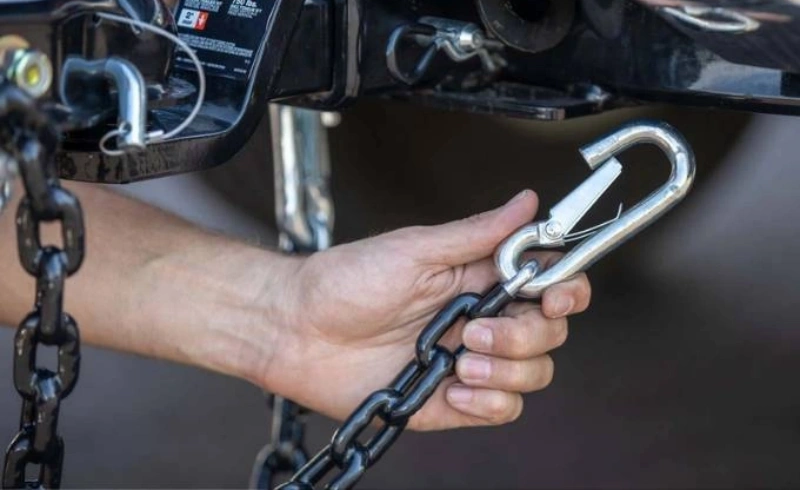
When you select snap hooks for your fall protection system, you need to focus on three main features: corrosion resistance, locking mechanisms, and strength. Powerful Machinery Snap Hooks set a high standard in each of these areas, giving you confidence in your equipment.
Corrosion Resistance
Corrosion can weaken your snap hooks and put your fall protection system at risk. You want hardware that stands up to harsh environments, especially if you work outdoors or near water. Manufacturers use several materials and finishes to fight corrosion:
Solid brass bolt snaps resist corrosion naturally, making them ideal for marine or wet conditions.
High-grade steel with protective coatings, like zinc or chrome, adds another layer of defense.
Factory-controlled finishes ensure every snap hook meets strict durability standards.
Powerful Machinery Snap Hooks use proven steel grades and controlled finishes, so you get long-lasting performance even in tough environments.
Locking Mechanisms
Locking mechanisms play a key role in your fall protection system. You need snap hooks that close and lock automatically to prevent accidental openings. Industry standards require self-closing and self-locking gates for secure connections. Some designs use double-locking closures for extra safety.
Requirement | Description |
|---|---|
Corrosion-resistant finish | Snap hooks must have a finish that resists corrosion to ensure durability. |
Locking mechanism | Locking snap hooks must be used to prevent accidental disengagement. |
Self-closing & locking gate | Required for secure connections in fall protection systems. |
Powerful Machinery offers a range of locking types, including twist-lock and threaded sleeve options, so you can match the right snap hook to your application.
Strength and Durability
You need snap hooks that meet or exceed OSHA and ANSI standards for your fall protection system. OSHA requires a minimum gate strength of 3,600 pounds. The gate should not separate from the nose by more than 0.125 inches.
Powerful Machinery Snap Hooks undergo rigorous testing to ensure they meet a tensile load of 5,000 pounds and maintain their integrity under real-world conditions.
When you choose certified snap hooks from Powerful Machinery, you invest in protection that lasts.
Proper Use in Fall Protection System
Approved Connections
You must connect snap hooks only to approved points in your fall arrest system. OSHA sets clear rules to help you avoid dangerous configurations and maintain fall protection safety. When you select a connection point, always check that it meets the required strength and compatibility standards.
Approved connections help you prevent accidental disengagement and ensure your equipment performs as designed.
Use only locking snap hooks that fit the connection unit properly. This prevents roll-out and accidental release.
Connect snap hooks only to certified anchorage points or hardware designed for your fall arrest system.
Avoid connecting snap hooks directly to webbing, rope, or cable unless the hook is specifically designed for that purpose. Some tie-back lanyards are exceptions, but always confirm with the manufacturer.
Never connect snap hooks to other snap hooks, or to a D-ring already occupied by another connector.
Choose snap hooks with a corrosion-resistant finish and smooth surfaces. This protects other components and extends the life of your equipment.
Select snap hooks with a minimum tensile strength of 5,000 lbs to meet OSHA and industry standards.
Powerful Machinery provides detailed instructions for each snap hook model. Their guidelines include illustrated dos and don’ts, helping you make the right choices for every connection. Following these instructions ensures your fall protection system remains compliant and reliable.
Tip: Always review the manufacturer’s manual before each use. Proper connections reduce the risk of equipment failure and improve overall safety.
Common Mistakes to Avoid
Many workers make simple mistakes that can compromise protection and lead to fall incidents. You can avoid these errors by understanding the most common pitfalls and following best practices.
Misusing rebar snap hooks by connecting them in unapproved ways. These hooks are only safe in specific configurations.
Connecting to anchorage points that do not meet strength requirements. Weak structures may fail under load, putting you at risk.
Attaching snap hooks to unapproved points, such as random beams or pipes. This can cause the hook to load incorrectly and fail.
Ignoring the need for locking mechanisms. Non-locking snap hooks increase the chance of roll-out or burst-out incidents.
Failing to use compatible equipment. Mixing hardware from different systems can create unsafe conditions.
Manufacturer guidelines from Powerful Machinery stress the importance of using locking snap hooks and compatible components. They recommend checking every connection for proper fit and strength. These steps help you avoid roll-out, burst-out, and other common hazards.
Note: Regular training and review of manufacturer instructions keep you and your team up to date on safe practices. Always consult the latest guidelines before making changes to your fall arrest system.
By following these approved practices and avoiding common mistakes, you strengthen your fall protection safety and reduce the risk of accidents. Trusting certified products and clear instructions from Powerful Machinery helps you maintain a safe and compliant workplace.
Fall Protection Anchor Point Rules
Certified Anchorage Points
You must use certified anchor points to ensure your fall protection system meets OSHA safety standards. These anchor points form the backbone of any secure setup.
OSHA requires each anchor to support at least 5,000 pounds per attached worker or be part of a system designed by a qualified person with a safety factor of at least two. This rule helps prevent anchor failure during a fall event.
Requirement | Description |
|---|---|
1910.140(c)(13)(i) | Must support at least 5,000 pounds for each employee attached. |
1910.140(c)(13)(ii) | Designed and installed under a qualified person’s supervision, maintaining a safety factor of at least two. |
Certified anchor points often exceed twice the maximum arresting force. If you use an engineered system, the anchor does not need to meet the 5,000-pound rule, but you must have documentation from the manufacturer to prove compliance.
Powerful Machinery products undergo rigorous testing to confirm they can support these loads. A qualified Professional Engineer oversees the certification process, ensuring every anchor meets legal requirements. Regular inspections and recertification keep your anchors reliable and compliant.
Tip: Always keep documentation for your anchor points. This paperwork proves your system meets OSHA standards and protects you during inspections.
Lifeline Requirements
You need to connect your lifeline to a certified anchor point to maintain fall safety. The anchor must match the lifeline’s strength and direction of pull. OSHA rules state that lifelines must attach only to certified anchors or engineered systems. Never connect a lifeline to an untested or makeshift anchor.
Powerful Machinery offers anchors and snap hooks designed for compatibility with lifelines. Each product comes with clear instructions and load ratings. You should inspect lifelines and anchors before every use. Replace any component that shows wear or damage. Regular maintenance and recertification help you maintain a safe fall protection system.
Use only lifelines rated for your application.
Attach lifelines to certified anchors.
Inspect all connections before use.
By following these rules, you create a safer work environment and reduce the risk of fall incidents.
Inspection and Maintenance for Safety
Regular Equipment Checks
You need to inspect your snap hooks and fall protection equipment regularly to maintain a safe work environment. Routine checks help you catch problems before they become hazards. OSHA requires annual inspections, while ANSI recommends semi-annual reviews.
You should also perform a pre-use inspection every day before starting work. This schedule keeps your anchor points and snap hooks in top condition.
Inspection Type | Frequency |
|---|---|
Annual Inspection | Required by OSHA |
Semi-Annual Inspection | Recommended by ANSI |
Pre-Use Inspection | Daily before each use |
Powerful Machinery designs snap hooks and anchor hardware for durability and reliability. Their products meet strict standards, making regular checks straightforward and effective.
Identifying Damage
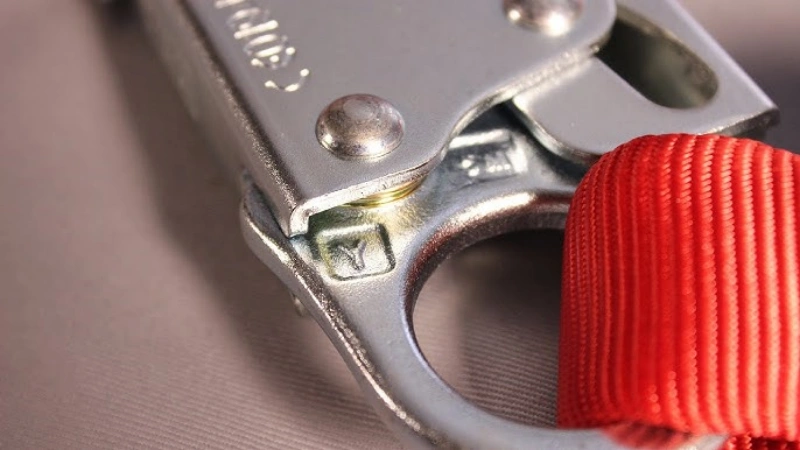
You must know how to spot damage in your snap hooks to ensure protection. Look for these signs during every inspection:
Check for cracks, bends, and discoloration in the metal parts of the snap hooks.
Test the mechanism by opening and closing it to ensure it functions properly.
Ensure the nose piece is flat against the tongue when closed.
Inspect rivets to confirm they are securely fastened.
For double-locking snap hooks, verify that the locking mechanism operates smoothly.
If you find any damage, remove the snap hook from service immediately. Powerful Machinery provides clear guidelines to help you identify issues and maintain fall protection safety.
Training and Expert Consultation
You improve safety and compliance when you invest in training and seek expert advice. Training teaches you to recognize risks and maintain anchor points correctly. Supervisors with proper training can take quick action to fix hazards. Expert consultation helps you select the right equipment and follow best practices.
Aspect | Description |
|---|---|
Importance of Training | Training is fundamental for creating a safe working environment, especially in construction. |
Risk Recognition | Workers learn to identify unsafe conditions and potential hazards. |
Compliance | Training fosters a culture of safety that enhances compliance with safety protocols. |
Supervisor Role | Trained supervisors can take corrective actions to mitigate identified hazards effectively. |
Powerful Machinery supports your safety efforts with reliable products and expert guidance. You build a stronger fall protection system when you combine regular inspection, damage identification, and ongoing training.
Selecting the Right Snap Hook
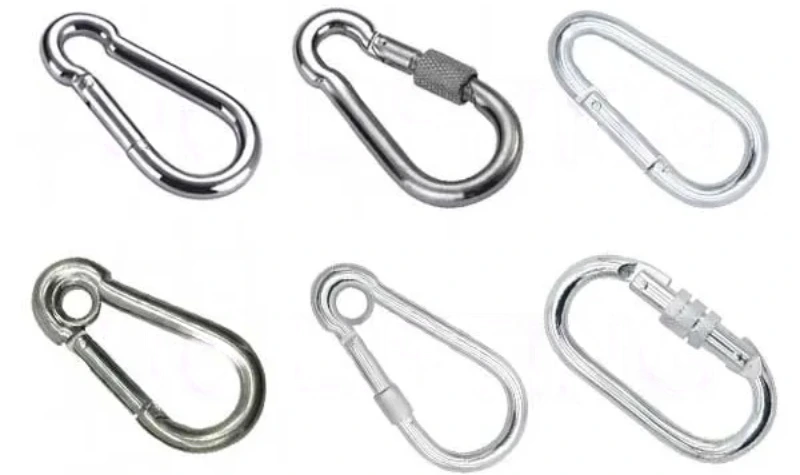
Matching Application Needs
Choosing the right snap hook for your fall protection system starts with understanding your specific work environment and anchor points. You should follow these steps to match your snap hook to your application:
Assess your work environment. Identify the types of anchor points you use most often. For large structures like scaffolding or rebar, a rebar hook may be best. For standard D-rings, a traditional snap hook works well.
Check industry safety standards. Make sure your snap hook meets OSHA and ANSI requirements for fall protection.
Evaluate the size and shape of your anchor points. Oversized or irregular anchors may require a rebar hook, while smaller points fit standard snap hooks.
Consider your fall protection system. Decide if you need a tie-back lanyard or a specific restraint system, and match your hook accordingly.
Inspect for compatibility. Test the locking mechanism and ensure your hook, lanyard, and anchor work together smoothly.
Tip: Always test the snap hook’s locking mechanism before each use to confirm secure connections.
Manufacturer Guidance
Manufacturers like Powerful Machinery provide detailed guidance to help you select compatible snap hooks. You should review product specifications and compare features to your application needs. The table below summarizes key factors to consider:
Aspect | Description |
|---|---|
Application Needs | Identify your main purpose and check for special features or environments. |
Load and Safety | Look for locking features, strength ratings, and material durability. |
Material Choice | Choose from stainless steel, carbon steel, or other materials as needed. |
Locking Mechanism | Use self-locking hooks for high-risk or critical protection applications. |
Standards | Ensure compliance with international safety certifications and anchor specs. |
Powerful Machinery offers a wide range of snap hooks designed for different anchor types and load directions. You can rely on their certified products to meet your safety and protection requirements.
Conclusion
You play a vital role in fall protection safety by following OSHA snap hook requirements. Regular inspections and proper training help you spot defects and maintain protection.
OSHA’s 2017 update raised the gate strength to 3,600 pounds, reducing accidental disengagement.
Pre-use and annual inspections keep your equipment reliable.
Certified snap hooks show a much lower failure rate than older models.
Snap Hook Type | Gate Strength | Failure Rate |
|---|---|---|
Old Snap Hook | 350 pounds | High |
New Snap Hook | 3,600 pounds | Low |
Consult safety experts and choose certified products like Powerful Machinery Snap Hooks to strengthen your fall system.
FAQ
What is the main purpose of a snap hook in fall protection?
You use a snap hook to connect your harness or lanyard to an anchor point. This connection keeps you secure and helps prevent falls while working at height.
How often should you inspect snap hooks?
You should inspect snap hooks before each use and schedule a thorough inspection at least once a year. Look for cracks, corrosion, or any signs of wear that could affect safety.
Can you use any snap hook for fall protection systems?
No. You must use snap hooks that meet OSHA and ANSI standards. Always choose certified products designed for fall protection, such as those from Powerful Machinery.
What should you do if a snap hook shows signs of damage?
Remove the snap hook from service immediately. Damaged equipment cannot provide reliable protection. Replace it with a certified, undamaged snap hook to maintain safety.
Why is a locking mechanism important on snap hooks?
A locking mechanism prevents accidental opening. You reduce the risk of disengagement and increase your safety when you use locking snap hooks in your fall protection system.