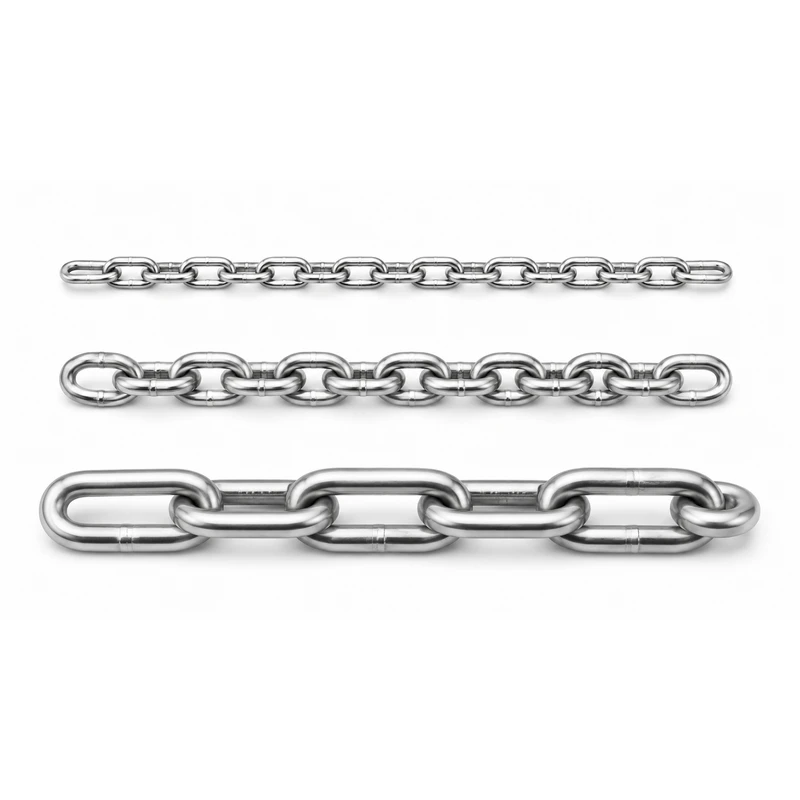
To drag a log with a chain safely, you must follow clear steps that protect you and your team. Start with safety considerations, including using personal protective gear and checking your surroundings. Logging choker chain safety is critical, as most injuries in the industry come from being struck by logs or equipment.
Powerful Machinery provides certified logging chains and accessories that meet strict safety standards. You should always use reliable equipment and follow each step to prevent accidents and extend the life of your tools.
Note: Most logging injuries result from falling or flying objects. You can reduce these risks by choosing high-quality chains and following proper procedures.
Feature | Powerful Machinery G80 Chains | Other Brands |
|---|---|---|
Minimum Tensile Strength | 800 MPa | Varies |
Safety Factor | 4:1 | Varies |
Compliance with Standards | ASME, OSHA | Varies |
Elongation Requirement | Exceeds 20% | Varies |
Performance Under High Temp | Maintains strength | Varies |
Key Takeaways
Always wear the right personal protective gear before handling logging chains. This reduces the risk of injury from falling objects and sharp tools.
Inspect logging chains and hooks for damage before each use. Look for signs like bending or corrosion to ensure safety during operations.
Securely attach the logging choker chain to both the log and the machinery. This prevents slippage and maintains control while dragging.
Monitor the operation closely for hazards. Stop immediately if you notice any unusual movements or sounds from the chain.
Store logging chains properly after use. Keep them in a dry, cool place and apply rust-resistant coatings to extend their life.
Safety Considerations for Logging Chains
Essential Safety Gear
You must wear the right safety gear before handling logging chains. Each role in logging requires specific protection. The table below outlines the required personal protective equipment for common logging jobs. This gear reduces the risk of injury from falling objects, sharp tools, and loud machinery.
Job Category | Required Safety Gear |
|---|---|
Supervisor/Foreman | Hard Hat, Safety Boots |
Feller | Hard Hat, Leg Protection, Eye Protection, Safety Boots, Hearing Protection, Gloves |
Skidder Operator | Hard Hat, Leg Protection, Eye Protection, Safety Boots, Hearing Protection, Gloves |
Yard Man | Hard Hat, Leg Protection, Eye Protection, Safety Boots, Hearing Protection, Gloves |
Loader Operator | Hard Hat, Hearing Protection, Safety Boots |
Chipper Operator | Hard Hat, Hearing Protection, Safety Boots, Eye and Face Protection |
Truck Driver | Hard Hat, Safety Boots |
Mechanic | Hard Hat, Eye or Face Protection, Hand Protection, Safety Boots |
Dozer Operator | Hard Hat, Safety Boots, Hearing Protection |
Tip: Employers must provide personal protective equipment, except for foot protection, at no cost to you.
Logging choker chain safety depends on using certified gear and reliable chains. Powerful Machinery supplies chains and accessories that meet strict safety standards. You can choose from different types of logging chains to match your job and equipment.
Site and Environment Checks
You must inspect the work area before starting any log dragging operation. Environmental hazards often cause accidents. Check for these risks:
Wet or icy surfaces that make footing unstable
Steep slopes that increase the chance of equipment rollovers
Poor visibility from dust, fog, or smoke
Clear the area of loose debris and confirm that all team members understand the plan. Always keep a safe distance from moving logs and machinery. Powerful Machinery’s products help you maintain control and reduce risks in challenging environments.
Inspecting Logging Chains and Equipment

Chain and Hook Inspection
You must inspect logging chains and hooks before every use. This step helps you spot problems early and avoid dangerous failures. Look for these common signs of wear or damage:
Bending, cracking, or twisting in chain links
Surface wear, corrosion, or pitting along the chain
Broken links or connectors
Heat discoloration, which may show exposure to high temperatures
Damage to hooks, master links, or attachments
Follow a regular inspection schedule to keep your equipment safe. The table below shows how often you should check your logging chains and hooks:
Inspection Type | Frequency |
|---|---|
Daily | Before each shift or daily |
Monthly/Quarterly | For severe service conditions |
Yearly | For everyday use equipment |
Customized | As recommended by a qualified person |
You should always follow OSHA standards and manufacturer instructions for inspection intervals. A qualified person must oversee these checks.
Powerful Machinery logging chains meet strict quality standards. The table below lists the main certifications:
Certification/Standard | Description |
|---|---|
ISO 9001 | Quality management systems |
OSHA | Occupational safety and health standards |
ASME B30.9 | Safety standards for slings and lifting |
NACM | Chain manufacturing standards |
ASTM | Testing and materials standards |
These certifications show that Powerful Machinery logging choker chain products deliver reliable performance and safety.
Machinery Readiness
You must check your machinery before starting any log-dragging operation. Make sure all controls work, and safety devices are in place. Clean off mud, ice, or debris from contact points. Confirm that the chain attachment points are free from cracks or sharp edges.
Many equipment failures happen because of improper operation or poor maintenance. You can reduce these risks by training all operators, following a maintenance schedule, and using real-time monitoring when possible.
Build a culture that values thorough repairs and regular checks. This approach keeps your logging chains and machinery in top condition and helps prevent accidents.
Tip: Never use damaged logging choker chain or equipment. Replace any part that does not pass inspection right away.
Attaching the Logging Choker Chain
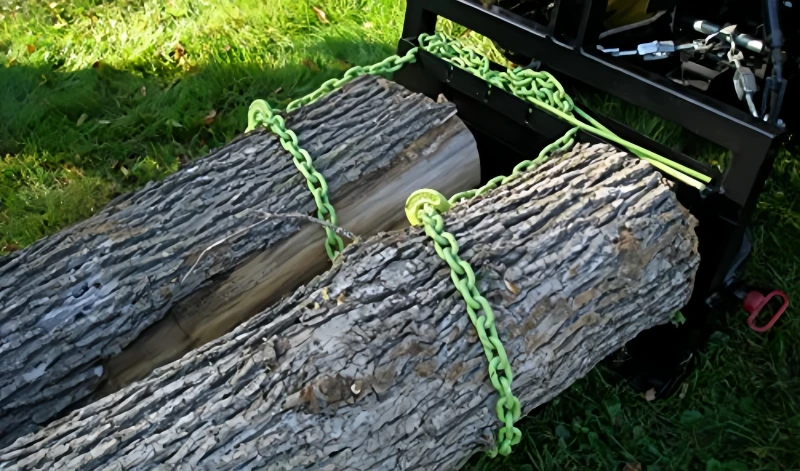
Using a Logging Choker Chain
You need to follow a clear process when attaching a logging choker chain. This process protects you and your team. Start by choosing the right size and strength for your logging choker chain.
The chain must match the log’s weight and your equipment’s capacity. Powerful Machinery offers customizable logging chains, so you can select the best fit for your job.
Here are the steps for using a logging choker chain:
Lay the logging choker chain flat on the ground near the log.
Wrap the chain around the log, keeping it close to one end. Make sure the chain sits flat and does not twist.
Pass the end of the chain with the choker hook under the log and pull it up on the other side.
Insert the choker hook into a chain link to form a tight loop around the log.
Check that the hook and chain are secure. The chain should grip the log without slipping.
Attach the other end of the logging choker chain to your machinery’s hitch or drawbar.
Tip: Always keep your hands and feet clear of pinch points when tightening the logging choker chain. This step is vital for logging choker chain safety.
Many accidents happen because of simple mistakes. You can prevent these by following best practices:
Never overload the hoist or chain. Always check the safe working load before you start.
Inspect the logging choker chain for damage before each use.
Make sure the log is balanced, and the chain is attached with the right hardware.
Logging choker chain safety depends on using the right size and strength for each job. Powerful Machinery’s chains come in different grades and lengths, so you can always find the right option. Their construction meets strict industry standards, which helps you avoid failures in the field.
Secure Attachment to Log and Machinery
You must secure the logging choker chain to both the log and your machinery. This step keeps the log stable during dragging and prevents sudden releases. Use the following checklist to confirm a safe attachment:
Check that the logging choker chain wraps tightly around the log.
Make sure the choker hook sits in a chain link and cannot slip out.
Inspect the connection point on your machinery. It must be free of cracks or sharp edges.
Confirm that the chain’s construction matches the pulling force required.
Test the setup by gently pulling the log a short distance. Watch for any movement or slippage.
Alert: If you see the chain slip or the hook move, stop and adjust the logging choker chain before continuing. This action is essential for logging choker chain safety.
Powerful Machinery provides a range of accessories, such as choker hooks, logger grab links, and repair links. These accessories help you create a secure and efficient setup. You can customize your logging choker chain with the right fittings for your equipment and job site.
The construction of each logging choker chain from Powerful Machinery uses high-grade steel. This material resists wear and damage, even in tough conditions. You can trust the chain’s construction to support heavy loads and maintain logging choker chain safety throughout the operation.
Note: Always follow the manufacturer’s guidelines for logging choker chain safety. Proper use and regular checks extend the life of your chain and protect your team.
Step | What to Check For | Why It Matters |
|---|---|---|
Wrapping | Chain sits flat, no twists | Prevents weak spots |
Hooking | Hook is fully engaged in the chain link | Stops accidental release |
Machinery Attachment | Secure, undamaged connection point | Maintains control during dragging |
Final Check | No slippage or shifting under tension | Ensures logging choker chain safety |
You can rely on Powerful Machinery’s logging choker chain products for their strong construction and flexible options. Their chains help you achieve safe, efficient log handling every time.
Safe Operation and Detachment
Dragging Logs with Chains
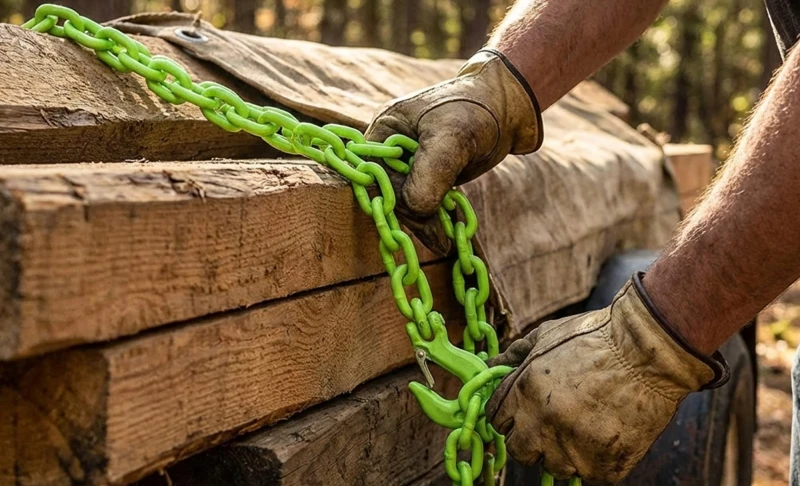
You must follow strict safety practices when dragging logs with chains. Start by confirming that the logging chain matches the load you plan to move. Always check the chain’s grade and length to ensure it can handle the log’s weight.
Powerful Machinery offers chains with high durability and reliability, which helps you avoid unexpected failures during transport.
Before you begin, review this table of proven operational practices that reduce the risk of chain breakage or log slippage:
Practice | Description |
|---|---|
Proper Installation | Ensure shafts are parallel and level to prevent chain wear and breakage. |
Regular Inspections | Inspect chains for wear, elongation, and misalignment to catch issues early. |
Lubrication | Use the recommended lightweight oil to reduce friction and wear on the chain. |
Correct Tension and Alignment | Maintain consistent tension and alignment to prevent uneven wear and potential failures. |
You should always maintain steady tension on the chain during transport. Sudden jerks or slack can cause the load to shift or the chain to snap. Keep the chain aligned with the log and machinery to prevent uneven wear. Use the correct grade of chain to ensure worker safety and meet industry safety standards.
Tip: Establish clear communication with your team before and during log transport. Use visual aids and consistent messaging to keep everyone aware of the plan.
Monitoring and Detaching Safely
You must monitor the entire operation for hazards. Watch for shifting logs, loose soil, or obstacles that could affect safety. Stop the machinery if you notice any unusual movement or hear abnormal sounds from the chain.
Regular maintenance checks during high-usage periods help you spot problems early and protect the chain’s durability.
When you finish moving the log, follow a safe detachment sequence:
Lower the log to the ground and release tension on the chain.
Inspect the chain and hooks for damage before removal.
Stand clear of the load path and keep your hands away from pinch points.
Unhook the chain from the machinery first, then from the log.
Store the chain properly to maintain its durability and prevent rust.
You should always use the right maintenance tips to extend the life of your logging chains. Powerful Machinery’s products provide long-term safety and reliability, even in tough transport conditions. Their chains meet strict compliance standards, which reduces risk and supports safe log handling.
Alert: Never detach a chain under tension. This action can cause serious injury or equipment damage.
Aspect | Description |
|---|---|
Safety | Using the correct grade of chain ensures it can withstand the intended load, reducing accidents. |
Reliability | Higher-grade chains provide increased durability and resistance to wear, ensuring long-term use. |
Compliance | Selecting the right grade meets industry regulations, enhancing safety standards. |
You can trust Powerful Machinery logging chains for every load, every transport, and every job that demands safety and durability.
Aftercare and Storage
Post-Use Inspection
You must inspect logging chains after every use to keep your team safe and your equipment reliable. Start with a visual check for any signs of wear, damage, or deformation. Look for cracks, bent links, or corrosion on the chain and attachments.
If you find any problems, remove the chain from service right away. Schedule more thorough inspections every few months and a full examination at least once a year. This routine helps you catch hidden issues before they lead to failure.
Inspection Type | Frequency | Description |
|---|---|---|
Daily Inservice | Before each use | Visual checks for signs of wear, damage, or deformation. |
Periodic Inspections | Every 3 to 6 months | Detailed inspection for wear and corrosion by a competent person. |
Annual Inspections | At least once a year | Comprehensive exam to confirm rated capacity and safety. |
You should keep a maintenance log for each chain. Record cleaning dates, inspection results, and any repairs. This practice helps you track the condition of your logging chains and plan replacements before problems occur.
Proper Storage Tips
Proper storage extends the life of your logging chains and protects your investment. Store chains in a cool, dry, and dark place. Keep them off the ground and away from moisture or chemicals. Use a well-ventilated room to control humidity. Clean the storage area often to prevent dust and clutter from building up.
Apply a light coat of penetrating lubricant to each chain after cleaning.
Use rust-resistant coatings or inhibitors for extra protection, especially if you work in wet or corrosive environments.
Make sure each chain is dry before you store it.
Avoid direct sunlight and areas with temperature swings.
Powerful Machinery offers logging chains made from rust-resistant material, such as stainless steel. These options give you long-term value and reduce the risk of corrosion. You can trust the quality of the material to perform in tough conditions and last for years.
Tip: Always inspect logging chains before and after storage. Remove any damaged chain from service to prevent accidents.
By following these steps, you protect your equipment and ensure safe, efficient log handling every season.
Conclusion
You can ensure logging choker chain safety and efficient log handling by following these steps:
Inspect the logging choker chain and hooks for damage before use.
Securely attach the chain to your machinery.
Operate the machinery while monitoring the chain and hooks.
Detach the chain from the machinery first, then from the log.
Check chains and hooks after use and store them properly.
Safety Measure | Description |
|---|---|
Inspect for grade stamps and tags | Confirms safety standards and proper certification |
Assess for cracks, wear, or damage | Prevents failures during operation |
Confirm manufacturer markings | Verifies compliance with regulations |
When you make an informed decision on logging chains, you protect your team and equipment. The importance of material and construction cannot be overstated. Regular maintenance and inspections improve safety, extend equipment life, and reduce long-term costs.
Prioritize safety and proper care for reliable performance in every logging operation.
FAQ
What are logging chains used for in logging operations?
You use logging chains to pull, drag, skid, and secure logs during logging. These chains help you move timber efficiently and safely. Logging chains provide strength and durability for tough forestry tasks.
How do you choose the right logging chains for your job?
You select logging chains based on log size, weight, and your equipment’s capacity. Powerful Machinery offers chains in various grades and lengths. You match chains to your logging needs for safe and efficient operations.
How often should you inspect logging chains?
You inspect logging chains before every use and after each logging operation. Daily checks help you spot damage early. You schedule periodic inspections for chains used in severe logging conditions. Regular maintenance keeps chains reliable.
What accessories improve logging chains’ performance?
You use accessories like choker hooks, logger grab links, and repair links to enhance logging chains. These accessories help you secure logs and connect chains to machinery. Powerful Machinery provides customizable options for logging chains.
How do you store logging chains after logging?
You clean logging chains after each logging job. You store chains in a dry, cool place away from moisture. You apply rust-resistant coatings to chains for long-term protection. Proper storage extends the life of logging chains.